


 Add $12.00 to get Free Gift


Nobody handed you a manual. And the internet mostly handed you fear, jokes, or wildly unrealistic expectations instead.
This guide is for anyone curious about bottoming for the first time. Whether you identify as gay, bi, queer, non-binary, or you're just a person with a body who wants to explore, you're in the right place. First time bottoming can be genuinely wonderful. It can also be awkward, slow, and nothing like the movies. Both of those things are true at the same time, and that's perfectly okay.
Let's actually talk about it.
What Does Bottoming Actually Mean?

Bottoming refers to being the receiving partner during anal sex. Simple definition, layered reality.
The term gets used across a huge range of experiences. Bottoming can involve a partner's body, fingers, a glass plug, a strap-on, or any other form of anal penetration. What matters is that you're the one receiving. And receiving, when done right, feels extraordinary. The anal region is packed with nerve endings. According to the San Francisco AIDS Foundation, the area around your anus contains highly concentrated nerve endings capable of producing intense pleasure through both light touch and deeper pressure. Your body was literally built for this.
Both the external sphincter (which you can consciously control) and the internal sphincter (which relaxes involuntarily) need to be at ease before anything feels good. That's the key insight most guides skip entirely.
Getting Your Mindset Right Before Anything Else

Anxiety tightens muscles. That's just physiology.
If you go into your first experience scared, clenched, or in your head about whether you're doing it right, your body will physically resist. This isn't a character flaw. It's your nervous system doing exactly what it's designed to do. The single most powerful thing you can bring to bottoming is a calm, unhurried mindset. That might mean setting aside real time with no interruptions, putting on music you love, and having a genuine conversation with your partner beforehand about pace and signals. If you want a deeper look at how to have that conversation without it feeling awkward, I love this piece on sexual communication with your partner.
You deserve to feel safe. Full stop.
Preparation: What You Actually Need to Do

Prep for anal sex is where most beginner guides go either way too clinical or way too vague.
Here's the practical version. Diet matters more than most people mention. Eating a fiber-rich diet in the days leading up to your experience makes everything more comfortable and reduces cleanup anxiety significantly. Many first-timers find that a light shower beforehand, paying attention to external cleanliness, is all they need. If you want to do more, an over-the-counter saline enema used gently about an hour before can help. Don't overdo it, though. Repeated or harsh enemas strip the mucous lining of the rectum, which actually increases sensitivity to irritation.
Your fingernails should be short and smooth. Your hands should be washed. These feel obvious, but they matter enormously.
Start solo before you involve a partner. Spend time exploring with a finger. Get comfortable with how that area feels from the inside. Many people find using a small clitoral vibrator or another external toy simultaneously makes solo exploration much more pleasurable and helps the body stay aroused and relaxed at the same time.
Lube Is Non-Negotiable. Here's Why.
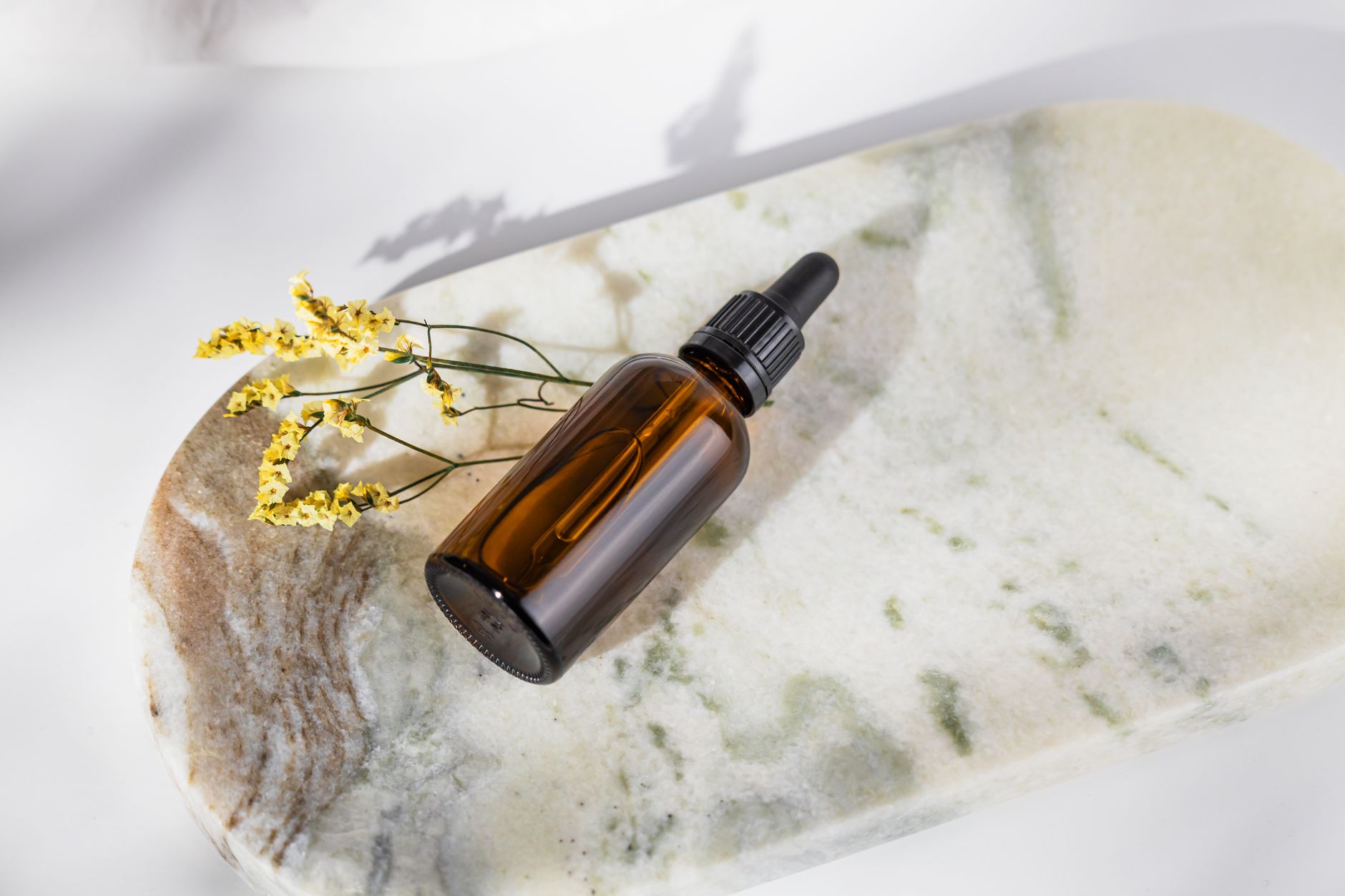
The rectum produces no natural lubrication. None.
This is the single most important biological fact to internalize. Unlike the vaginal canal, the rectum has no natural self-lubricating mechanism, which means friction without lube causes microtears in the delicate tissue, and microtears cause pain, inflammation, and increased risk of infection. Lube is not optional. Lube is the entire game. Use a generous amount, and reapply as you go. For anal play, thicker silicone-based lubes last longer and don't dry out mid-experience. If you're using silicone toys, switch to a high-quality water-based lube instead, because silicone degrades silicone.
More lube than you think. Then a little more.
How to Relax the Sphincter: The Technique Nobody Explains

Your body has two sphincters: external and internal. You can control the outer one consciously. The inner one only relaxes when your nervous system feels genuinely safe.
The technique is this: instead of trying to push in or force open, bear down gently outward, the same sensation as a slow exhale from the pelvis. This counterintuitive action actually signals the internal sphincter to release. Combine that with slow, steady breathing. Ask your partner to hold still at the entrance initially without pushing inward, just letting your body adjust to the presence. Then you control the pace. You move toward them. This small shift in who drives the motion changes everything because you stop bracing and start receiving.
Never push through sharp pain. Discomfort and stinging are common. Sharp, stabbing pain is your body asking you to stop and reassess.
Positions for First-Time Bottoms

Position affects how much control you have, and for a first timer, control is everything.
Being on top (riding your partner) gives you the most control over depth, angle, and pace. Many first-timers find this position the least anxiety-inducing for exactly that reason. Lying on your back with a pillow under your hips is another excellent starting point, because it angles your pelvis in a way that reduces strain on the anal canal and gives your partner good visibility to read your body language. Spooning, where both partners lie on their sides, tends to allow the shallowest and gentlest penetration, which makes it a popular choice for people who find other positions overstimulating at first.
Avoid positions that put you face-down with little ability to communicate or adjust quickly. Save those for when you genuinely know your body's signals.
Toys and Training: Building Up Gradually

If you want to prepare your body before involving a partner at all, anal training is the answer.
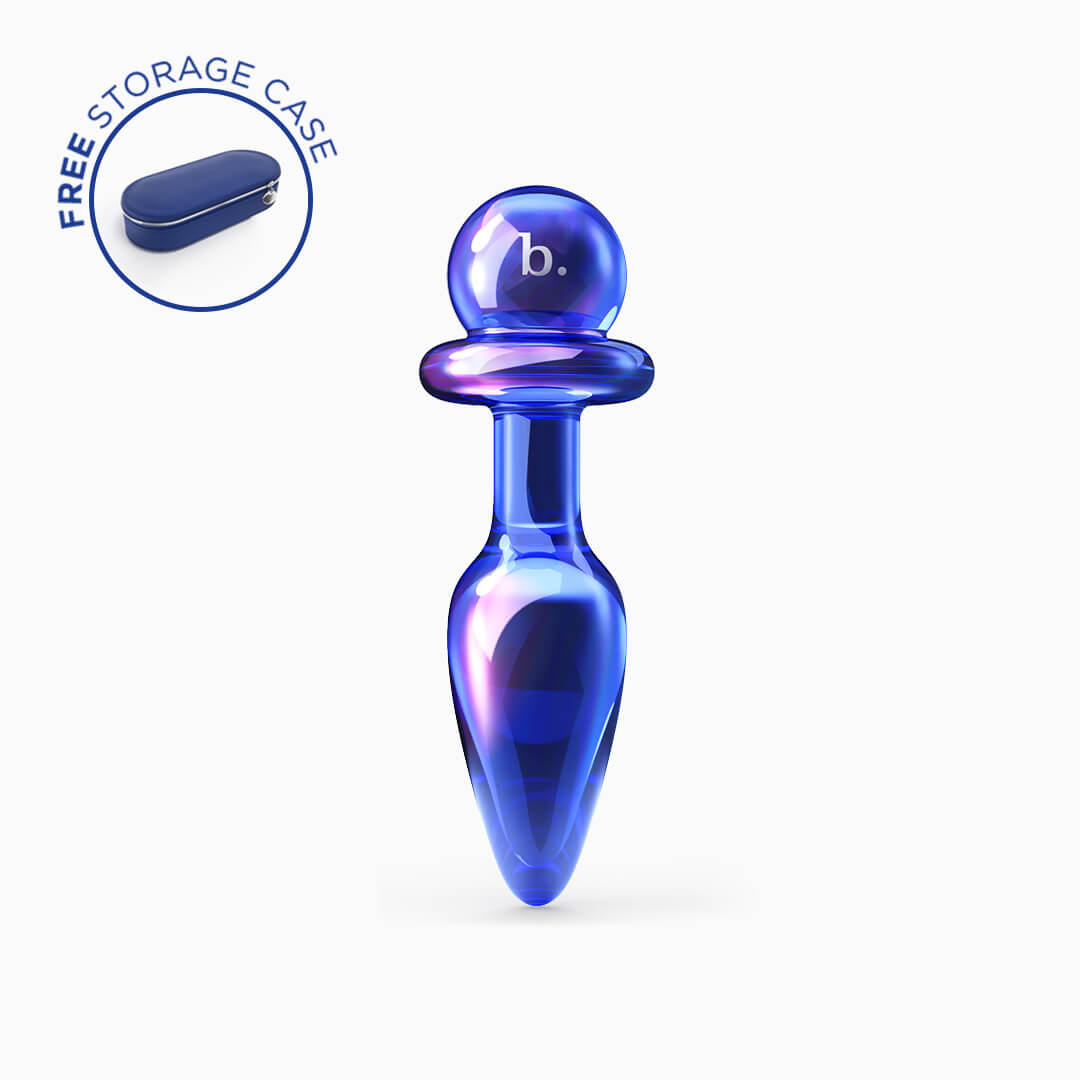
This means starting small and working up in size incrementally over days or weeks, not hours. A well-designed G-spot vibrator or a beginner-sized plug used with patience teaches your sphincters that penetration is not a threat, which is genuinely the neurological work happening beneath the surface. Look for toys with a flared base, always, because that design feature is what keeps any toy safe for anal use. Never use a toy without one.
The Anii handcrafted glass plug is one of my favorite recommendations for this stage. It's smooth borosilicate glass, which means it's non-porous, easy to clean, and naturally warming to body temperature. Glass also offers a satisfying firmness that helps you understand your body's response in a really clear, instructive way.
Take your time with this phase. There is genuinely no rush. Weeks of patient exploration leads to a first partnered experience that feels good from the very start, rather than one you spend the whole time white-knuckling through.
Communication During the Act
You need a stop signal. Agree on one before you begin.
This doesn't have to be a formal conversation. It can be as simple as "tap my hip twice if you need me to stop" or a clear single word. What matters is that both of you know it, and that using it carries zero judgment. Beyond the stop signal, ongoing communication during the experience itself makes everything better. Saying "slower," "stay there for a second," or "that angle is perfect" gives your partner real-time information they can't read from body language alone. And for those who find talking mid-sex uncomfortable, this is genuinely a skill that improves with practice. Check out this honest guide on sharing what you want with your partner if you need a starting point.
Aftercare and Recovery
Aftercare is real, and it applies to everyone, not just people in BDSM relationships.
After your first time bottoming, your body has done something genuinely new. A little tenderness afterward is normal. So is feeling emotionally tender. Give yourself time to decompress. A warm bath can help relax any residual muscle tension. Stay hydrated. Eat something nourishing. Check in with your partner about how the experience felt for both of you. If there's any light spotting, that can happen from minor friction and usually resolves within a day. Persistent pain, significant bleeding, or fever are reasons to contact a doctor. Don't push through those.
Be kind to yourself in the day or two after. Your body just learned something new.
Safety, Consent, and STI Prevention
Condoms significantly reduce the risk of STI transmission during anal sex, and they're worth using, especially with a new partner.
Anal tissue is more susceptible to microabrasions than vaginal tissue, which means the mucous membrane is a more direct route for certain infections including HIV. This is just anatomy, not a reason for shame. Using condoms, getting regularly tested, and having honest conversations about your STI status and your partner's are all standard parts of a healthy sexual life. PrEP (pre-exposure prophylaxis) is also a highly effective option for HIV prevention and worth discussing with a healthcare provider if it's relevant to your situation. You can explore couples toys designed for shared play that can add extra pleasure while keeping things safe and fun.
Bottom Line (Yes, Pun Intended)
First time bottoming doesn't have to be painful, messy, or scary. That narrative exists because most people learned from sources that had no interest in your actual pleasure.
With the right preparation, a genuinely good lube, a partner who listens, and a body that's been given time to warm up and relax, it can be one of the most pleasurably intense experiences of your physical life. Explore at your own pace. Let curiosity lead. And remember that every single person who finds bottoming effortless now had a first time too. They just kept going.
You've got this.
Want to make your journey even more exciting? I've handpicked some amazing toys and goodies at Hello Nancy that'll add extra sparkle to your intimate moments. (Here's a little secret, use 'dirtytalk' for 10% off!)
Frequently Asked Questions
Does first time bottoming always hurt?
Not necessarily. Discomfort is common, but sharp pain is a sign that something needs to change, usually more lube, less speed, or more relaxation. With proper preparation, generous lubrication, and a patient partner, many people's first experience is more pleasurable than painful.
How do I clean up before bottoming for the first time?
A shower focusing on external cleanliness is usually enough for most people. If you want more reassurance, a single gentle saline enema about an hour before can help. Avoid repeated or harsh enemas because they can irritate the rectal lining.
What is the best lube to use for anal sex?
Silicone-based lubes are generally considered ideal for anal play because they last longer and don't dry out. If you're using silicone toys, switch to a high-quality water-based lube instead to avoid degrading the toy's material. Always use more than you think you need.
How can I relax enough to bottom for the first time?
Start with solo exploration using a finger and lube so your body learns that anal penetration is safe and pleasurable before partnered sex. During the act, bear down gently outward rather than tensing up. Slow breathing and being the one who controls the pace helps enormously.
What position is best for first time anal sex?
Being on top gives you the most control over depth and pace, which is why many first-timers prefer it. Lying on your back with a pillow under your hips is another excellent option as it angles the pelvis comfortably. Spooning works well for very gentle, shallow entry.
Is anal training necessary before bottoming?
It's not strictly mandatory but it makes a significant difference. Spending time with progressively sized plugs or fingers over days or weeks teaches your sphincters to relax on command, which makes a first partnered experience dramatically more comfortable and enjoyable.
Can bottoming feel pleasurable, not just tolerable?
Absolutely. The anal region has a dense concentration of nerve endings, and the prostate (for those who have one) can also be stimulated through the rectal wall, producing deep, full-body pleasure. With the right preparation and mindset, bottoming can feel intensely good, not just okay.
Is it normal to bleed a little the first time you bottom?
Light spotting from minor friction can happen and usually resolves within 24 hours. However, significant or persistent bleeding, pain that doesn't ease, or any signs of fever are reasons to contact a doctor rather than waiting it out.
Do I need to use a condom for anal sex?
Condoms are strongly recommended, especially with a new partner. Anal tissue is more prone to microabrasions than vaginal tissue, making STI transmission easier without protection. Combining condoms with regular testing and open STI status conversations is standard, healthy practice.
How long does it take to get comfortable with bottoming?
It varies widely. Some people feel comfortable after a few sessions of solo exploration and one or two partnered experiences. Others take longer, and that's completely normal. There's no timeline to hit. Going at your own pace is what makes the difference between something you endure and something you genuinely enjoy.


