Add $12.00 to get Free Gift



Something clicked for you, and now you're sitting with this uncomfortable feeling that maybe you're too much. Too dark, too strange, too into things that "normal" people just don't want.
Here's the thing. That feeling? It's one of the most common experiences in human sexuality. And the research backs it up completely.
What BDSM Actually Is (And Why You Already Know)
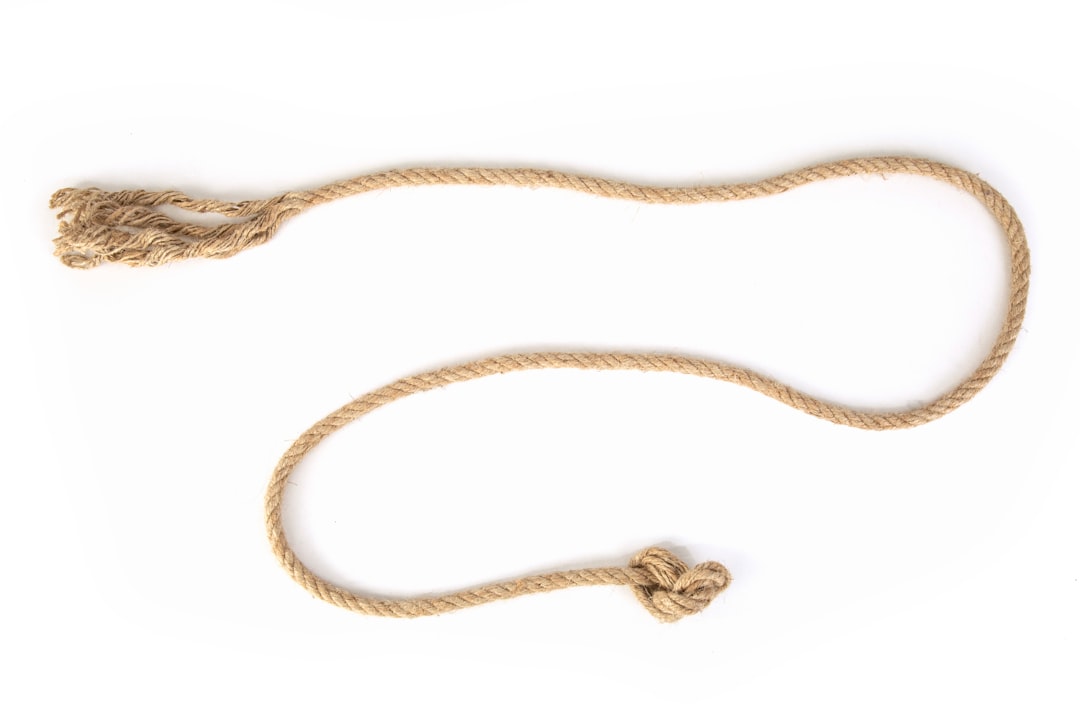
BDSM stands for Bondage and Discipline, Dominance and Submission, and Sadism and Masochism. But those clinical labels don't really capture what it feels like from the inside. It's more like a spectrum of consensual power exchange, sensation play, and psychological intensity that some people find deeply fulfilling.
For some, it's about control. For others, it's about letting go of control entirely. And for many, it's the trust that gets built in between. That part. the trust, the communication, the care. is what most people outside BDSM never get to hear about.
The mainstream conversation about kink tends to focus on the "shocking" parts. Leather, whips, elaborate setups. What it misses is that a huge amount of BDSM is just two (or more) people talking really honestly about what they want and then making it happen safely. That's not weird. That's actually quite remarkable.
The Numbers That Should Quiet That Inner Critic
Let's talk data for a second, because facts are genuinely comforting here.
A comprehensive scoping review published in the Journal of Sex Research found that BDSM-related fantasies are common in 40 to 70 percent of both men and women, while about 20 percent of people report actively engaging in BDSM (Dawson et al., 2019). Think about that. If you're in a room of ten people, statistically two of them have done something BDSM-adjacent. Several more have thought about it at length. You are surrounded by people who get it. They just aren't talking about it at the dinner table.
The silence is what creates the shame. Not the interest itself.
Where Does BDSM Shame Actually Come From?

Shame doesn't come from nowhere. It has a source.
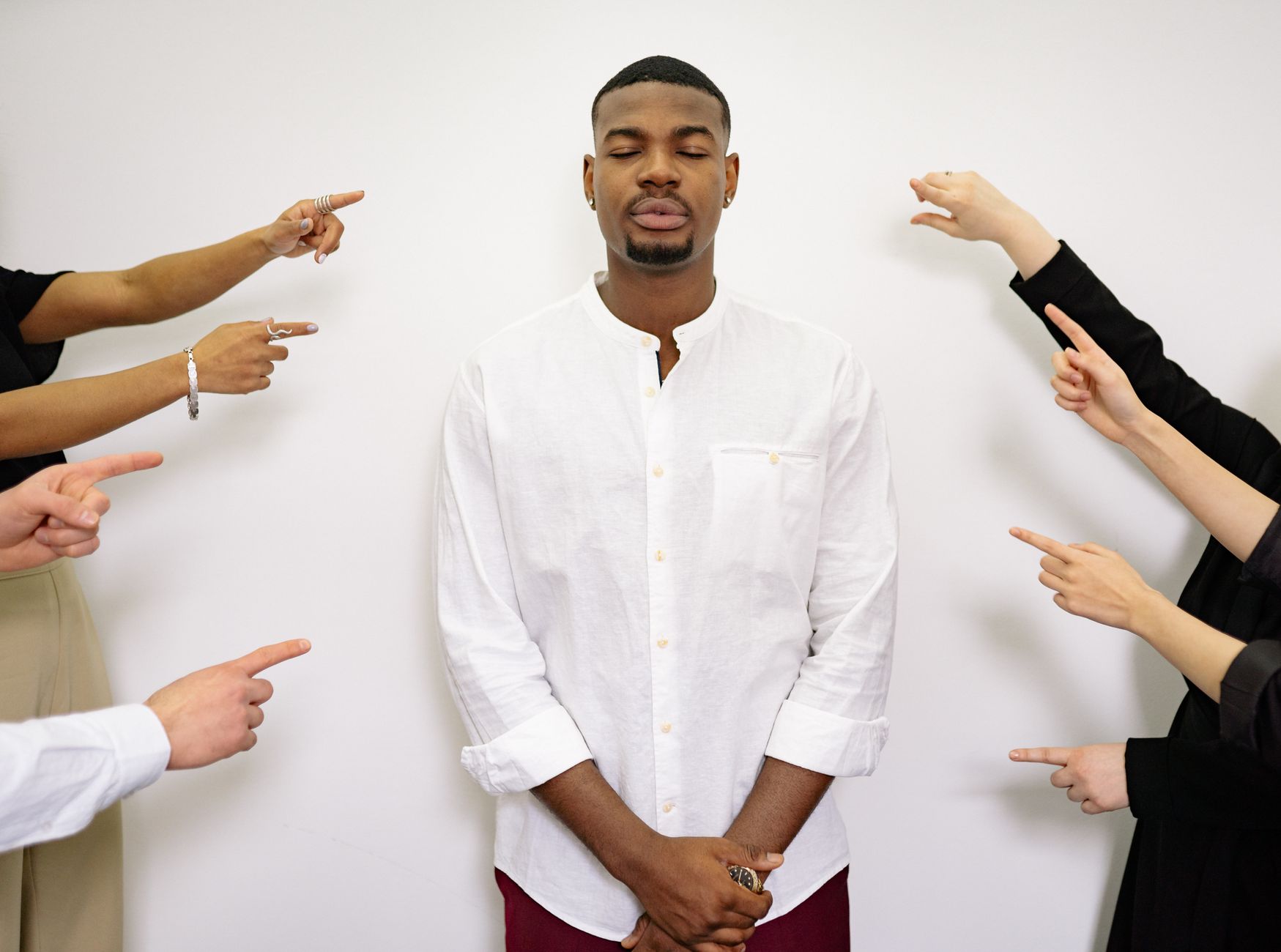
For most of us, that source is a combination of religious messaging, pop culture caricatures, and the complete absence of BDSM from any sex education we ever received. We were taught that "normal" sex looks one particular way, and anything outside that lane is a sign that something went wrong with us. That belief is simply not true, but it gets internalized very early and very deeply.
A 2022 study published in PMC found that approximately 86% of the general population held stigmatizing beliefs about BDSM interests and practices. So the shame you feel isn't a reflection of reality. It's a reflection of how poorly educated the culture around you is. You absorbed that stigma from the outside world. It was never yours to begin with.
Interestingly, the same research found that BDSM practitioners showed significantly higher levels of active coping skills and sensation-seeking capacity compared to non-practitioners. People drawn to kink often have a heightened self-awareness and a stronger ability to process complex emotions. The psychology points toward curiosity and resilience. Not pathology.
The Consent Framework Changes Everything

Consent is the architecture of all healthy BDSM.
Without it, nothing works. With it, almost anything becomes possible. The BDSM community has developed entire frameworks around this: SSC (Safe, Sane, Consensual) and RACK (Risk-Aware Consensual Kink) are two of the most widely used. These aren't just buzzwords. They represent a genuinely thoughtful approach to pleasure that prioritizes communication and mutual wellbeing above all else.
So when you hear that someone is into BDSM and your brain jumps to danger or harm, remember this. The community has been building safety systems longer than most mainstream relationship advice columns have existed. The emphasis on explicit, ongoing, enthusiastic consent is, if anything, ahead of where vanilla culture tends to be.
You Don't Have to Explain Your Desires to Anyone

Your kinks are not a symptom. They're not a red flag. They're not evidence of trauma unless you've personally connected them to trauma through your own reflection, and even then, that's for you and a therapist to unpack together. Not for the internet to diagnose.
Many people pursue exploring their sexual identity with tremendous courage, and BDSM is simply one dimension of that broader journey. Your desires don't require a justification. They require safety, communication, and a partner who's genuinely on the same page.
If you've ever felt the urge to explain yourself after sharing something intimate about your interests. stop. You don't owe anyone a defense of your consensual pleasures.
Finding Your People (And Your Words)

One of the most healing things you can do when BDSM shame hits hard is to find community. Online spaces like FetLife, Reddit's kink communities, and local munches (casual social meetups for kinksters) exist specifically because people realized isolation was the real danger.
When you hear someone else describe an experience that mirrors yours and they're laughing about it, or sharing it warmly, or discussing it with quiet confidence, something shifts. That internal story of "I'm too much" starts to rewrite itself. Community is not a luxury in this context. It's genuinely therapeutic.
If you're exploring with a partner, honest conversation is the foundation. Our blog on breaking the cycle of anxiety around sex offers a really grounding place to start when nerves and shame are tangled together.
What About Incorporating Toys and Sensation Play?
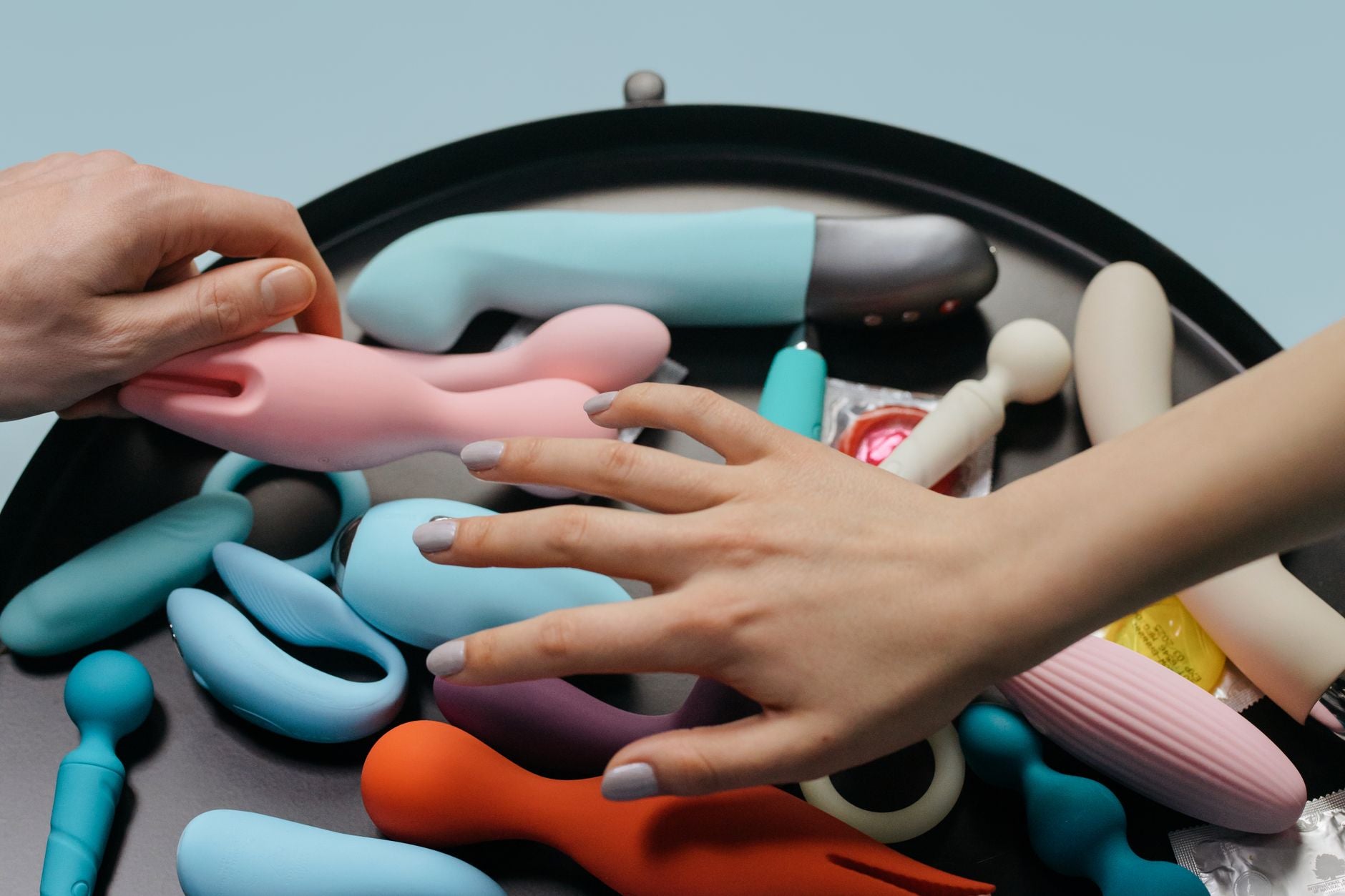
Sensation is central to so much of BDSM. Temperature, texture, vibration, pressure. and many people find that introducing the right toy genuinely elevates their experience of kink, whether solo or with a partner.
For those exploring clitoral stimulation as part of their play, the range of clitoral vibrators available at Hello Nancy spans from whisper-quiet to deeply rumbly, which makes them excellent for both solo exploration and partnered scenes. If you're new to sensation layering, starting with something versatile and body-safe matters enormously. You can read more about body-safe toy materials to make sure whatever you bring into your play is genuinely safe for your body.
If you and a partner are exploring power dynamics together, couples toys can add a beautiful layer of shared sensation without requiring elaborate equipment. Something like the Pixie remote-controlled panty vibrator plays beautifully with dominant/submissive dynamics. one person wears it, the other holds the controller. Simple, intimate, and genuinely fun.

Want to make your journey even more exciting? I've handpicked some amazing toys and goodies at Hello Nancy that'll add extra sparkle to your intimate moments. (Here's a little secret. use 'dirtytalk' for 10% off!)
A Note on Therapy and BDSM
Not every therapist is kink-informed. That's the honest truth.
Some clinicians still pathologize consensual kink, which can be genuinely harmful if you go to therapy looking for support and leave feeling more broken than when you walked in. The good news is that kink-aware therapy is a real and growing field. Organizations like the National Coalition for Sexual Freedom (NCSF) maintain directories of kink-aware professionals who understand that consensual BDSM is not a mental health disorder. Psychology Today's own guidance acknowledges that "many researchers and clinicians now recognize that BDSM can be part of healthy sexual expression." Finding a therapist who understands that can be genuinely life-changing.
Bottom Line: Shame Is Learned. Unlearning Is Available.
The shame you carry about your BDSM interests wasn't born inside you. It was built by a culture that never had the vocabulary, the maturity, or the courage to talk honestly about human desire. You absorbed it because you had no other option.
But here's what's true now. You have information. You have community. You have research that confirms your interests are shared by a significant portion of the population. And you have the ability to choose, starting today, to be a little more gentle with yourself about what turns you on.
You're not weird. You're curious, aware, and honest enough to look at yourself clearly. That's not a problem to fix. That's actually something to respect. ✨
Frequently Asked Questions
Is it normal to feel shame about BDSM interests?
Yes, and it's extremely common. Research shows that 40 to 70 percent of people experience BDSM-related fantasies, yet cultural stigma remains high. Shame about kink is a learned response rooted in social conditioning, not a sign that something is wrong with you.
Is BDSM considered a mental health disorder?
No. Consensual BDSM is not classified as a mental health disorder by major psychological bodies when it doesn't cause personal distress or involve non-consenting parties. Many researchers and clinicians now recognize it as a legitimate form of healthy sexual expression.
How do I stop feeling guilty about my BDSM fantasies?
Start by separating fantasy from identity. Having a fantasy doesn't mean you must act on it, and it doesn't define your character. Seeking out kink-positive community, reading well-researched resources, and potentially working with a kink-aware therapist can help dismantle guilt over time.
What does SSC mean in BDSM?
SSC stands for Safe, Sane, and Consensual. It's a foundational ethical framework widely used in the BDSM community to guide interactions. All activities should be physically safe, engaged in with a clear mind, and fully agreed upon by everyone involved.
How do I talk to my partner about BDSM interests without it being awkward?
Pick a low-pressure, neutral moment. not during sex. Start small by sharing a curiosity rather than a full list of desires. Frame it around what excites you rather than what you need them to do. Going slowly and staying curious together tends to work better than a big reveal.
Can BDSM be psychologically healthy?
Yes. Multiple studies have found that BDSM practitioners often demonstrate higher levels of active coping, self-awareness, and open communication than non-practitioners. When practiced consensually with clear boundaries, BDSM can be a deeply affirming and psychologically healthy expression of sexuality.
What is a kink-aware therapist and how do I find one?
A kink-aware therapist is a licensed mental health professional who understands consensual BDSM without pathologizing it. The National Coalition for Sexual Freedom (NCSF) maintains a directory of kink-aware professionals you can search by location.
Is it common to be into BDSM but not want it all the time?
Completely normal. Many people identify as kink-curious or situational. meaning they enjoy BDSM elements in specific contexts but not in every sexual encounter. Desire exists on a spectrum and your interest in kink doesn't have to be an all-or-nothing identity.