Add $12.00 to get Free Gift



Somebody should have told you this before your very first purchase. The sex toy industry is almost entirely unregulated, and that means a lot of products sitting on shelves. and inside your body. with zero business being there.
Your most sensitive skin deserves better than mystery plastics. Let's talk about what's actually safe.
Why Material Safety Changes Everything
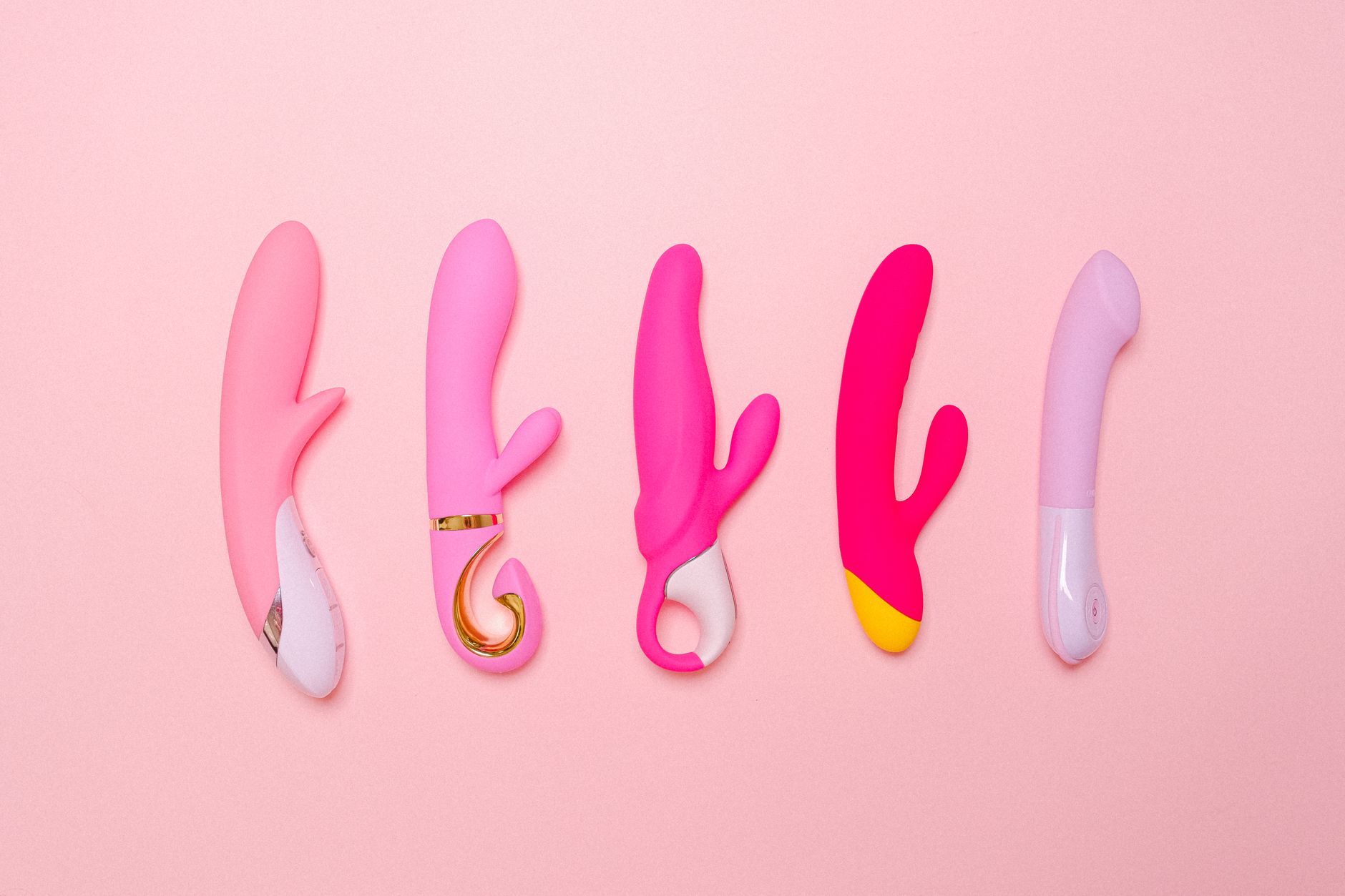
Here's the part most product listings skip right over. A huge portion of sex toys on the market are made from porous materials. Porous means that bacteria, mold, and chemical residue sink into the toy and never fully leave, no matter how much you scrub. You can wash a porous toy for ten solid minutes and it still isn't clean.
That's not just a hygiene inconvenience.
Research published in ScienceDirect highlights that sex toys are an overlooked source of phthalates and microplastics. Both compounds can leach from lower-quality toy materials into body tissue during use. Given how intimate that contact is, researchers have called for greater regulation of the sex toy industry. The takeaway for you is simple: the material your toy is made from isn't a cosmetic choice. It's a health choice.
Suzannah Weiss, sexologist and author of Subjectified: Becoming a Sexual Subject, puts it plainly: "Silicone, glass, and stainless steel are all typically safe materials" when shopping for vibrators for women or any intimate toy. That short list is your starting point.
The Materials You Can Actually Trust

Medical-grade silicone is the gold standard for good reason. It's non-porous, which means nothing gets trapped inside it. It's body-inert, meaning it doesn't react with your body chemistry. And it's durable enough to last years with proper care. When you see clitoral vibrators made from genuine medical-grade silicone, that's not marketing fluff. That's a meaningful material distinction.
Glass is next, and yes, it sounds intimidating.
Borosilicate glass. the same stuff used in lab equipment and quality cookware. is non-porous, hypoallergenic, temperature-responsive, and genuinely beautiful to look at. It can be sterilized in boiling water between uses. The Kalii glass G-spot dildo is a perfect example of how thoughtfully designed glass toys feel as luxurious as they are safe. Smooth, weighty, and completely body-compatible.
Stainless steel follows the same logic: non-porous, hypoallergenic, easy to fully sterilize, and surprisingly versatile with temperature play. ABS hard plastic is also considered body-safe when it's phthalate-free and clearly labeled as such. It's rigid and non-porous, making it a reliable option for external toys and vibrator housings.
One more worth mentioning: the Anii handcrafted glass plug is made from borosilicate glass and is a genuinely stunning example of how safe materials and great design can coexist. It's smooth, nonporous, and built to be enjoyed for a long time.
The Materials to Walk Away From
Jelly rubber is the big one to avoid. It's porous, it almost always contains phthalates, and that chemical smell you notice when you open the box? That's off-gassing. Your body should not be in contact with that.
PVC with phthalate plasticizers falls into the same category. Phthalates are added to make plastic soft and flexible, but they're endocrine disruptors. Meaning they can interfere with your hormones. The fact that this is still a common ingredient in toys sold globally is one of the more frustrating realities of an unregulated industry.
Vague labeling is its own red flag. If a product says "skin-safe," "soft rubber," "realistic feel," or "thermoplastic elastomer" without specifying whether it's phthalate-free, treat that as a warning. Legitimate brands using safe materials name them precisely because they're proud of them. Evasive language is almost never accidental.
CyberSkin, UR3, and similar proprietary blends are typically porous and often contain unknown additives. Even if a brand claims them as "body-safe," the porosity alone makes sterilization impossible, and that's a dealbreaker for anything going inside your body.
How to Clean Body-Safe Materials Properly
This part trips people up more than you'd think. Even a perfectly safe material can become a problem if it's never cleaned correctly.
Medical-grade silicone, stainless steel, and borosilicate glass can all be boiled for 3-5 minutes or run through a dishwasher without soap on the top rack to fully sterilize them. This is especially useful if you're using them solo and want a clean reset between sessions. For ABS plastic toys containing motors and electronics, boiling isn't an option. Wipe them down thoroughly with a 10% isopropyl alcohol solution or a toy-specific cleaner, then let them air dry completely before storage.
Soap and water works for a quick clean after every use.
But "quick clean" and "fully sterilized" are not the same thing. If you share toys with a partner. even a long-term one. or use them in different ways, full sterilization matters. A couples toy that gets shared deserves a proper clean every single time, not a quick rinse.
Reading Labels Like You Actually Mean It
The single best habit you can build is skepticism toward vague packaging. A genuinely body-safe product will tell you exactly what it's made from. "Medical-grade silicone." "Borosilicate glass." "Phthalate-free ABS plastic." Specific, confident language.
If the material description reads like a mystery novel, put it down.
Also worth checking: whether the brand is transparent about where the toy is manufactured and whether it has third-party safety certifications. This doesn't mean every good toy has a stamped certificate. But brands that care about material safety tend to be forthcoming about their manufacturing standards, not evasive about them. The best women's vibrators on the market today come with clear ingredient lists, not riddles. You deserve that level of honesty from anything you let near your body.
What Body-Safe Looks Like in Practice
The Namii 2 clitoral suction and vibration toy from the Nancy x Biird collaboration is made from body-safe silicone and is designed with material integrity as a baseline. That's not a bonus feature. It's the minimum standard a good product should meet.
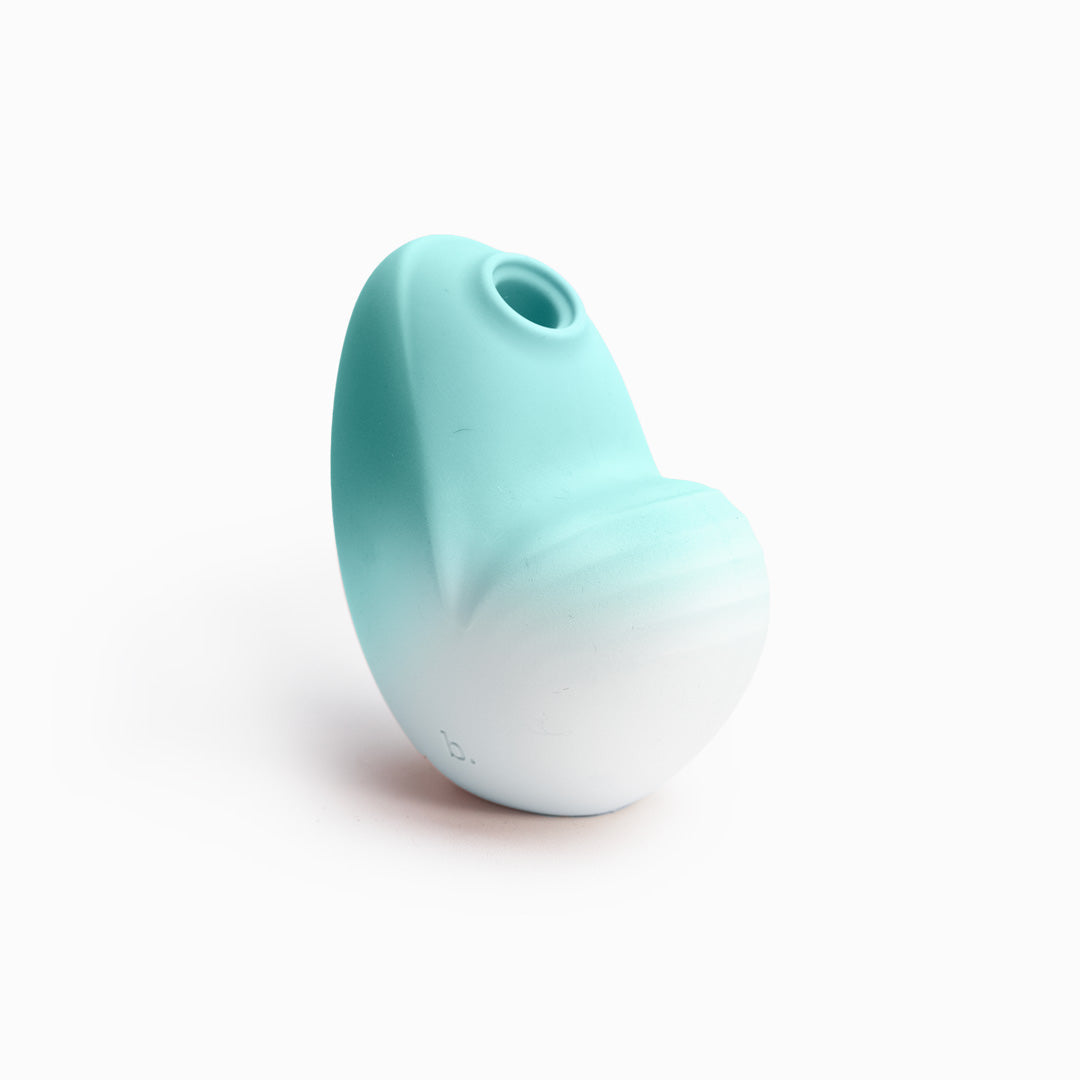
Good toy design and body-safe materials aren't in competition with each other. When you find a brand doing both well, that's the sweet spot. You shouldn't have to trade comfort and safety for features, and you shouldn't have to trade beautiful design for material honesty.
Material quality is also what determines how a toy feels over time. Cheap porous materials degrade and become sticky or discolored. Medical-grade silicone and glass stay consistent. They don't break down or absorb odors. What you buy is what you keep.
Wrapping Up
You don't need a chemistry degree to shop smart. You just need to know three words: non-porous, phthalate-free, and body-inert. If a toy checks all three, you're in good hands. If it checks none and smells like a vinyl shower curtain fresh out of the bag, leave it on the shelf where it belongs. ✨
Your body is worth the upgrade.
Want to make your journey even more exciting? I've handpicked some amazing toys and goodies at Hello Nancy that'll add extra sparkle to your intimate moments. (Here's a little secret. use 'dirtytalk' for 10% off!)
Frequently Asked Questions
What makes a sex toy material body-safe?
A body-safe sex toy material is non-porous, free from phthalates, and hypoallergenic. This means it doesn't trap bacteria, doesn't leach harmful chemicals, and doesn't react with your body's natural chemistry. Medical-grade silicone, borosilicate glass, stainless steel, and phthalate-free ABS plastic all meet this standard.
Are jelly rubber sex toys safe to use?
No. Jelly rubber is porous and almost always contains phthalates, which are endocrine-disrupting chemicals. Because the material is porous, it can never be fully sterilized, and those chemicals can leach into body tissue during use. It's best to avoid jelly rubber entirely and replace it with a silicone or glass alternative.
Is medical-grade silicone the safest sex toy material?
Medical-grade silicone is widely regarded as one of the safest and most versatile sex toy materials available. It's non-porous, body-inert, durable, and easy to sterilize. It also has a soft, skin-like feel that makes it popular for both external and internal toys.
Can you use silicone lube with silicone sex toys?
Generally, no. Silicone-based lubricants can bond with and degrade medical-grade silicone toys over time, causing the surface to become tacky or break down. Stick to water-based lubricants with silicone toys. Glass and stainless steel are compatible with both water-based and silicone-based lubes.
How do you sterilize a glass sex toy?
Borosilicate glass toys can be sterilized by boiling them in water for 3 to 5 minutes, running them through a dishwasher on the top rack without soap, or wiping them down with a 10% isopropyl alcohol solution. Always inspect glass toys for chips or cracks before use and retire any that are damaged.
What are phthalates and why are they dangerous in sex toys?
Phthalates are chemical plasticizers added to soft plastics to make them flexible. In sex toys, they can leach out of the material and into body tissue during use. Research has identified phthalates as endocrine disruptors, meaning they can interfere with hormone function. Many countries have regulated or banned phthalates in children's toys, but adult toy regulation remains inconsistent globally.
How can I tell if a sex toy is really body-safe when shopping online?
Look for specific material labeling like "medical-grade silicone," "borosilicate glass," or "phthalate-free ABS plastic." Vague descriptions like "soft rubber," "realistic skin," or just "body-safe" without naming the material are red flags. Reputable brands name their materials confidently and are transparent about manufacturing standards.
Is hard plastic (ABS) safe for sex toys?
Yes, phthalate-free ABS plastic is considered body-safe. It's non-porous and rigid, making it a common choice for vibrator housings and external toys. Just confirm the listing states it is phthalate-free, and clean it with toy-safe wipes or a mild soap and water solution rather than boiling, since most ABS toys contain electronic components.