Add $12.00 to get Free Gift


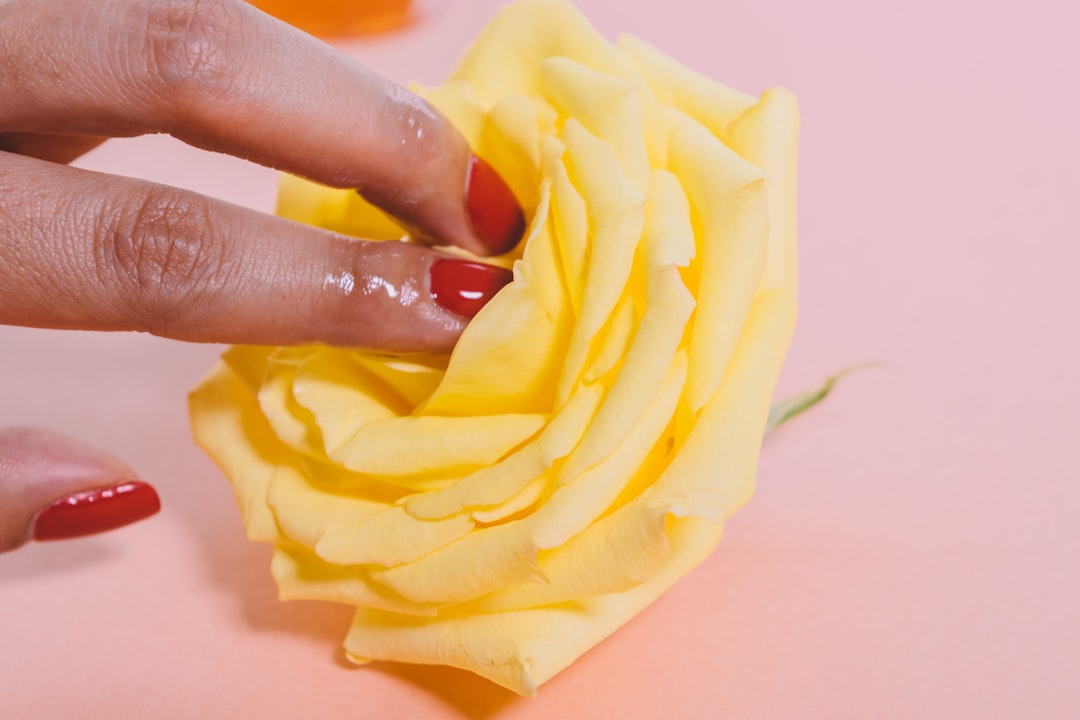
Most of us were never actually taught this. Not in school, not by our partners, and definitely not in whatever awkward conversation passed for sex ed. So here we are, figuring it out together.
Fingering is one of the most powerful forms of touch you can offer a partner. And yet it is consistently rushed, misunderstood, or skipped entirely in favor of things that feel more "official." That is a shame, because when done well, it can be genuinely transformative.
This guide covers everything: anatomy, pressure, rhythm, reading signals, and the techniques that research and real experience actually back up. No fluff. No filler.
Start Here: Anatomy Is Your Best Friend

Before your hands go anywhere, your brain needs to show up first. The clitoris is not just the small visible bud at the top of the vulva. It extends internally, wrapping around the vaginal canal in a wishbone shape that can be several inches long. This is the reason that internal and external touch can both feel intensely pleasurable, even when targeting what seems like different spots.
The clitoral glans (the external part you can see and touch) contains approximately 8,000 nerve endings. That is more than twice the nerve density of a penis. So yes, gentleness matters. Pressure matters. Rhythm matters.
The G-spot sits on the anterior (front) wall of the vagina, roughly 2 to 3 inches in, and it is actually part of the internal clitoral network. You will often feel a slightly ridged or spongy texture there.
Before You Touch Anything: The Setup Nobody Talks About

Here is the thing people skip entirely. The conditions you create before touch even begins determine almost everything about what follows.
Trim and file your nails. This is not optional. A sharp or jagged edge inside sensitive tissue is painful in a very un-fun way. Wash your hands. Use a quality water-based lubricant, even if your partner is naturally wet, because friction without enough lubrication can cause micro-irritation that builds fast.
Also: warmth. Cold hands on warm skin is a genuinely startling sensation. Rub your hands together for a few seconds first. It sounds small. It is not.
And slow down the lead-up. Arousal is the engine that makes everything else work. A body that is not warmed up yet needs more time, more gentleness, and more patience. The research is clear here too. Studies using data from the OMGYES Pleasure Report (a nationally representative survey of over 3,000 women) found that women's favorite pleasure techniques consistently rely on subtle adjustments to angle and rhythm, not speed or force (Hensel et al., 2021, PLOS ONE).
External Techniques: The Clitoris Deserves All Your Attention

Start outside. Most people rush past external stimulation like it is just a warmup act, but for many vulva-owners, external clitoral stimulation is the main event. Nearly 37 percent of women require direct clitoral stimulation to reach orgasm, according to a nationally representative study. So this is not foreplay. This is the thing.
Begin with broad, flat pressure using the pad of one finger. Press gently and hold. Notice how your partner breathes. A slow exhale usually means you are in the right place. Move only when they respond positively.
From there, try circular motions around the clitoris rather than directly on it. The glans itself can become overstimulated quickly. Circling around the hood gives indirect pressure that builds beautifully. Vary the size of your circles: small and tight signals intensity, wide and lazy signals a slower build.
Another approach is gentle up-and-down or side-to-side strokes across the clitoral hood. Consistency is key here. Changing technique every 30 seconds is one of the most common mistakes people make. When something is working, stay with it.
Pressure and Speed: The Two Variables That Change Everything
Light touch is not always best. Some people find very light stimulation ticklish or frustrating, like a sensation that promises but never delivers. Others find firmer pressure too much too soon. The only way to know is to start light and increase gradually, watching and listening the whole time.
Speed follows a similar principle. A slow, steady rhythm builds tension. A faster rhythm can push someone closer to orgasm when they are already near the edge. But ramping up speed too early just interrupts the buildup. Think of it less like a dial you crank up and more like a wave you ride: it rises naturally if you let it.
Internal Techniques: G-Spot Stimulation Done Right

When your partner is aroused and ready (this is key, not optional), you can move to internal stimulation. Insert one finger slowly, with plenty of lubrication. Pause. Let their body adjust.
Curl your finger in a "come hither" motion toward the front wall of the vagina. That slight hook targets the G-spot. The sensation here is different from clitoral stimulation: denser, fuller, sometimes described as pressure-meets-pleasure. Some people love it immediately. Others need more arousal before it feels good rather than just intense.
Try a gentle rhythmic press-and-release rather than in-and-out thrusting. The G-spot responds to pressure more than friction. You can also try a slow circular motion against that front wall, or a light tapping motion if your partner responds well to more staccato sensations. These are the kinds of internal techniques that the OMGYES research identified as being genuinely distinct and effective.
Using Two Fingers and Pairing
Once one finger feels comfortable and your partner is clearly enjoying themselves, you can introduce a second finger if they want more fullness. Move slowly. Check in. This is not a race.
Pairing is one of the most research-backed techniques for intensifying pleasure: combining internal stimulation with external clitoral touch at the same time. You can do this with one hand providing internal stimulation while the thumb or heel of that same hand presses against the clitoris, or by using your other hand entirely. According to data from the OMGYES Pleasure Report, nearly 70 percent of women reported that pairing made penetration more pleasurable or helped them orgasm more consistently. That is a significant number worth paying attention to.
If you want to explore clitoral vibrators as a pairing tool during manual play, they can add a layer of consistent stimulation your hands might need a break from.
Reading the Room: Communication Without Interrupting the Moment

You do not need to pause and formally interview your partner mid-experience. But you do need to pay attention.
Breathing is the most honest signal. Slower and deeper usually means relaxation and pleasure. Faster and more shallow often means building arousal. Holding breath frequently signals they are close to orgasm. Muscle tension in the thighs or hips is another reliable sign of intensity.
A simple "Does this feel good?" asked in a low, calm voice does not kill the mood. It builds trust. And trust builds arousal. Partners who feel genuinely seen and attended to have better orgasms. That is not a theory. That is just how bodies work under felt safety.
If you are interested in how communication extends to other parts of intimacy, this guide on how to discuss fantasies with your partner safely is a genuinely good read.
Common Mistakes (and Easy Fixes)
Rushing is the number one problem. Arousal takes time, especially when someone is stressed, tired, or not fully comfortable yet. Give it more time than you think it needs.
Changing technique constantly is the second biggest mistake. When you find something that is clearly working, the instinct to switch it up is actually counterproductive. Consistency and rhythmic pressure are what push someone toward orgasm. Novelty interrupts that build.
Ignoring the clitoris in favor of only internal stimulation is a deeply common error. Most vulva-owners need some form of clitoral stimulation to reach orgasm. Skipping it because internal touch feels more "advanced" is backwards logic.
And finally: assuming what worked for a previous partner will work now. Every person's body is genuinely different. Their preferred pressure, rhythm, angle, and approach are theirs specifically. Stay curious. Stay present. Let what you discover in the moment guide you more than what you think you already know.
Toys That Complement Manual Play Beautifully
Manual stimulation and toys are not competing options. They work brilliantly together, especially when your hand needs a rest or you want to offer a different kind of sensation simultaneously.
The Berri Edging Clitoral Massager is a particularly good pairing partner. Its tapping stimulation offers a distinctly different texture from manual touch, which means using it alongside fingering creates layered sensations that neither can produce alone.

For partners who enjoy vibrators for women as part of their regular play, introducing one during manual stimulation can feel like a completely new experience even with a long-term partner.
Aftercare: The Part That Ties It All Together
Orgasm (or not) is not the end of the experience. The body is heightened. Skin is sensitive. Emotions sometimes surface.
Physical aftercare can be as simple as gentle, warm touch. Holding your partner, keeping them warm, offering water. Emotional aftercare is just being present and soft without immediately scrolling your phone or getting up. The whole experience leaves an impression, including how it ends.
For some people, this conversation extends into how intimacy functions through bigger life changes too. This piece on sex after baby covers how body sensitivity shifts in ways that make all of this even more relevant.
Bottom Line
Good fingering technique is not about following a formula. It is about presence, curiosity, and willingness to actually pay attention to another person's body. The techniques matter. The anatomy knowledge helps. But the real difference between fine and genuinely good is whether you are actually here, listening with your hands and your attention at the same time.
Your partner's pleasure deserves that kind of care. And honestly, so does yours. Pleasure that is given generously and received with full presence is one of the most intimate things two people can share.
Want to make your journey even more exciting? I've handpicked some amazing toys and goodies at Hello Nancy that'll add extra sparkle to your intimate moments. (Here's a little secret. Use 'dirtytalk' for 10% off!)
Frequently Asked Questions
How do I know if I'm stimulating the right spot?
Your partner's breathing, muscle tension, and sounds are honest signals. If their breath deepens, their hips move toward your hand, or they ask you not to stop, you are in a good place. When in doubt, simply ask in a calm, low voice.
Is lube necessary for fingering even if she's already wet?
Yes, adding a water-based lubricant is always a good idea. Natural arousal fluid can fluctuate, and additional lube reduces friction and prevents any micro-irritation from building up during longer sessions. It makes the whole experience smoother and more comfortable.
How do I find the G-spot?
Insert one lubricated finger about 2 to 3 inches inside the vagina and curl it toward the front wall (toward the belly button). You will often feel a slightly textured or spongy area there. It responds best to gentle rhythmic pressure, not thrusting, and is usually easier to locate once the person is already aroused.
Why does my partner not orgasm from fingering alone?
This is completely normal. Research shows that the majority of women need direct clitoral stimulation to reach orgasm, not just internal stimulation. Try pairing internal touch with simultaneous external clitoral stimulation, either with your thumb, heel of your hand, or a small vibrator.
What is the best fingering technique for beginners?
Start with external clitoral stimulation using slow, steady circular motions around the clitoral hood. This alone can bring many people to orgasm. Only move to internal stimulation once your partner is clearly aroused and comfortable, and always use lubrication.
How do I make fingering more pleasurable for my partner?
Focus on consistency once you find a rhythm that works. The most common mistake is switching techniques too often. Stay with what is clearly landing, increase speed and pressure gradually as arousal builds, and add clitoral stimulation alongside internal touch for maximum effect.
Can using a vibrator during fingering help?
Absolutely. A small clitoral vibrator used alongside manual internal stimulation is one of the most effective combinations for reaching orgasm. It takes the pressure off one hand while providing consistent, controlled stimulation to the clitoris.
How long should fingering last?
There is no set time. It depends entirely on the person, their arousal level, and what they enjoy. Some people reach orgasm in a few minutes with the right stimulation; others prefer a slower, longer build of 20 minutes or more. Follow your partner's signals rather than the clock.
Is fingering safe from an STI perspective?
The risk of STI transmission through fingering is generally considered low, but not zero, especially if there are cuts or open sores on the hand or genitals. Washing hands beforehand reduces risk significantly. Dental dams or gloves can be used for additional protection if desired.
What if my partner feels nothing from internal stimulation?
That is entirely valid and quite common. Not everyone finds internal stimulation pleasurable, and that does not mean anything is wrong. Shift your focus to external clitoral techniques and couples toys designed for clitoral stimulation. Pleasure looks different for every person.