Add $12.00 to get Free Gift



Nobody warned you about this part. Not the awkwardness, not the dryness, not the way you might look at your partner across the bed and feel absolutely nothing — or everything — or both at once.
Sex after having a baby is one of the most under-discussed transitions in adult life. Everyone asks if the baby is sleeping. Almost nobody asks if you're okay in the intimacy department.
So let's fix that. Right now.
The Six-Week Rule: Real or Just a Guideline?
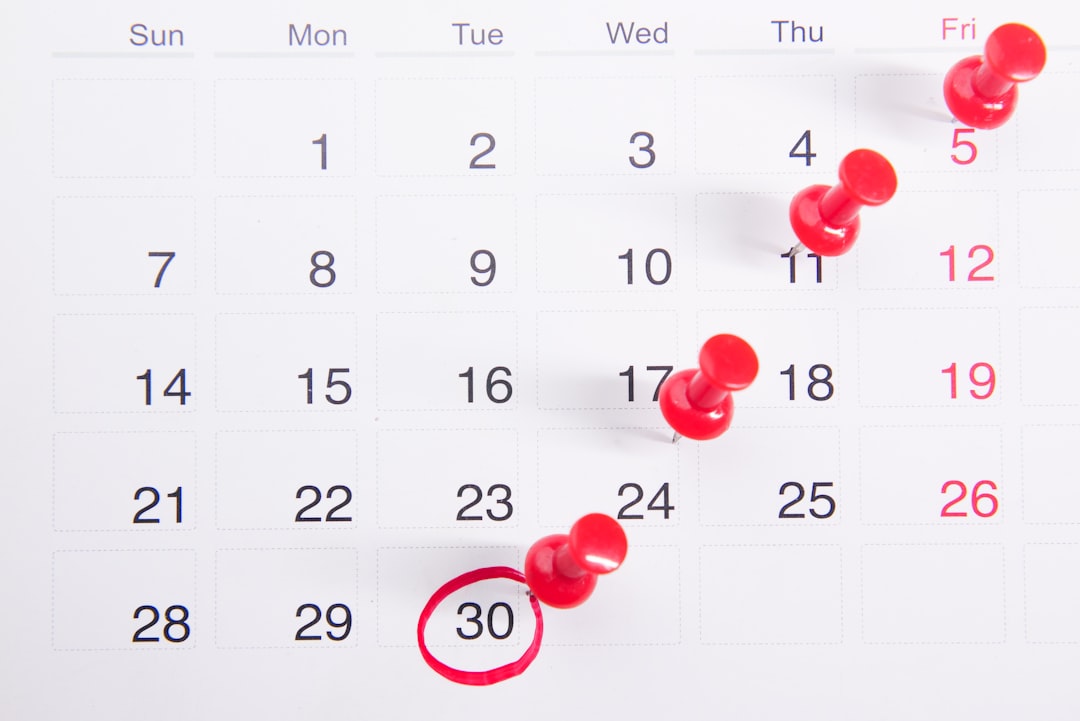
Most healthcare providers recommend waiting at least six weeks after delivery before resuming penetrative sex. That window gives your cervix time to close, any tears or incisions time to heal, and postpartum bleeding time to stop. It's a real, evidence-based starting point.
But here's the nuance nobody spells out clearly: six weeks is a minimum, not a finish line.
More recent clinical thinking, including guidance shared by University Hospitals, notes that some people feel ready physically as early as two weeks postpartum, while others need three, four, or even six months before they feel genuinely comfortable. Your body's recovery timeline is not a competition. It's not even a schedule. It's a conversation you have with yourself, your healthcare provider, and your partner.
If you had a cesarean delivery, episiotomy, or significant perineal tearing, your healing may take longer. That's not a setback. That's just biology doing what biology does.
Why You Might Not Feel Like Yourself (Yet)
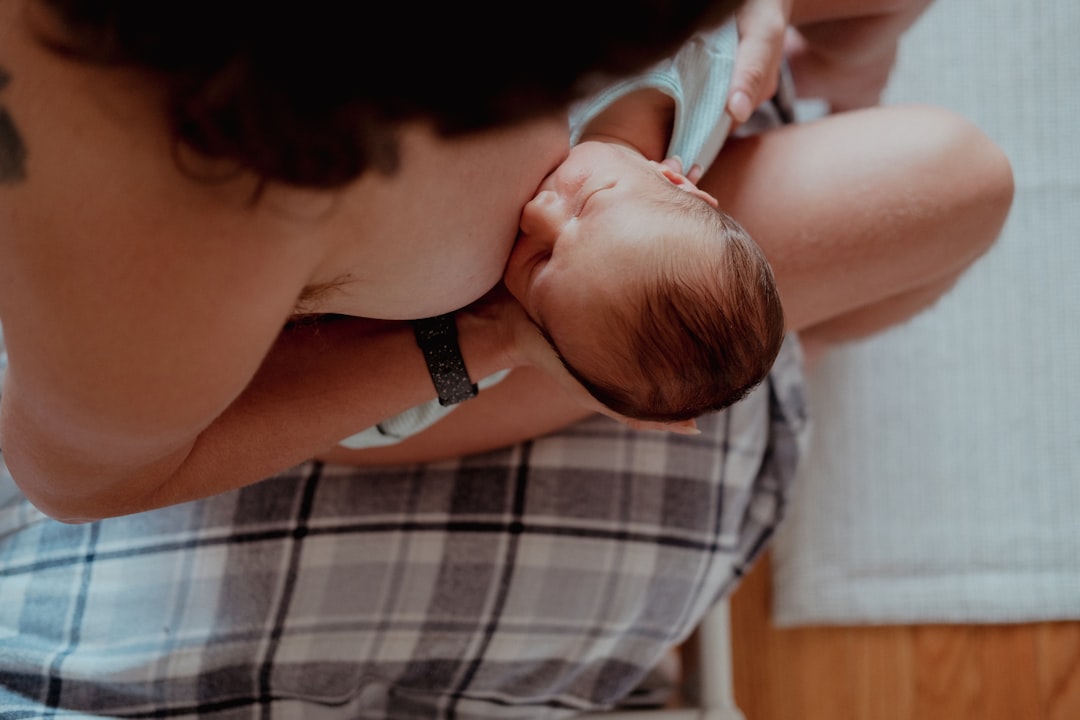
Here's something the baby books skip over entirely. Your hormones after birth are doing something genuinely dramatic. Estrogen drops sharply in the first weeks postpartum, and if you're breastfeeding, elevated prolactin levels actively suppress libido. Research published in peer-reviewed literature confirms that low estrogen during breastfeeding contributes to vaginal dryness and reduced sexual desire (Aswathy et al., 2023, PMC10394553). It's not in your head. It's in your bloodstream.
This hormonal cocktail can make desire feel distant, muted, or just plain absent.
And that's before you factor in sleep deprivation, the identity shift of becoming a parent, touched-out syndrome (that very real sensation of your body feeling done with physical contact by 9pm), and the mental load that tends to stack up like an unanswered inbox.
Giving yourself grace here isn't weakness. It's wisdom.
What Sex Might Actually Feel Like Postpartum
Expect different. Not worse forever. Just different for now.
Vaginal dryness is extremely common, especially among those who are breastfeeding. Using a quality lubricant isn't optional at this stage. It's genuinely essential. Water-based options are safe with most vibrators for women and won't interfere with healing tissue. Silicone-based lubes last longer but should be kept away from silicone toys.
Sensitivity changes are also normal. Some people experience heightened sensitivity at the vulva or clitoris after birth. Others notice a temporary reduction. Both are valid, both are common, and both tend to shift as your body continues healing over the following months. If penetration feels painful after the six-week mark, that's information worth sharing with your OB or midwife. Dyspareunia (pain during sex) postpartum is real and treatable. You don't have to just push through it.
If you had a c-section, trying positions that avoid pressure on your abdominal scar will make a meaningful difference in the early weeks. Side-lying positions tend to work well for many people during this period.
Rebuilding Intimacy Without Pressure
Intimacy after a baby doesn't have to start with sex.
This sounds simple, but it's actually one of the most useful reframes I can offer. Physical closeness, playful touch, kissing without expectation, even just skin contact can help partners stay connected while the more physically intense aspects of sex feel too demanding. Think of it as rebuilding a bridge rather than leaping across a gap.
Communication is everything here. If you've ever wanted to read a genuinely useful deep-dive on this, the Hello Nancy piece on how to improve communication in relationships covers the kind of honest conversations that actually move things forward. Telling your partner "I want to want this, I'm just not there yet" is more intimate than silence.
And if one partner is feeling pressure while the other is feeling disconnected? That's one of the most common postpartum dynamics. You're not broken. You're adjusting to a seismic life shift together.
Rediscovering Pleasure: Starting Slow Actually Works
There's a lot of pressure, culturally, to "bounce back." To return to your pre-pregnancy self, your pre-pregnancy body, your pre-pregnancy libido. And I want to say clearly: that pressure is nonsense.
You're not bouncing back. You're moving forward into a version of yourself that's different and, genuinely, more capable than before. Part of that forward movement includes rediscovering what pleasure means to you now.
Solo exploration is often the gentlest starting point. Reconnecting with your own body, understanding what's changed, and experiencing sensation without the complexity of partnered dynamics can be quietly revolutionary. Clitoral vibrators can be a particularly accessible entry point during postpartum recovery, since external stimulation places no pressure on healing internal tissue.
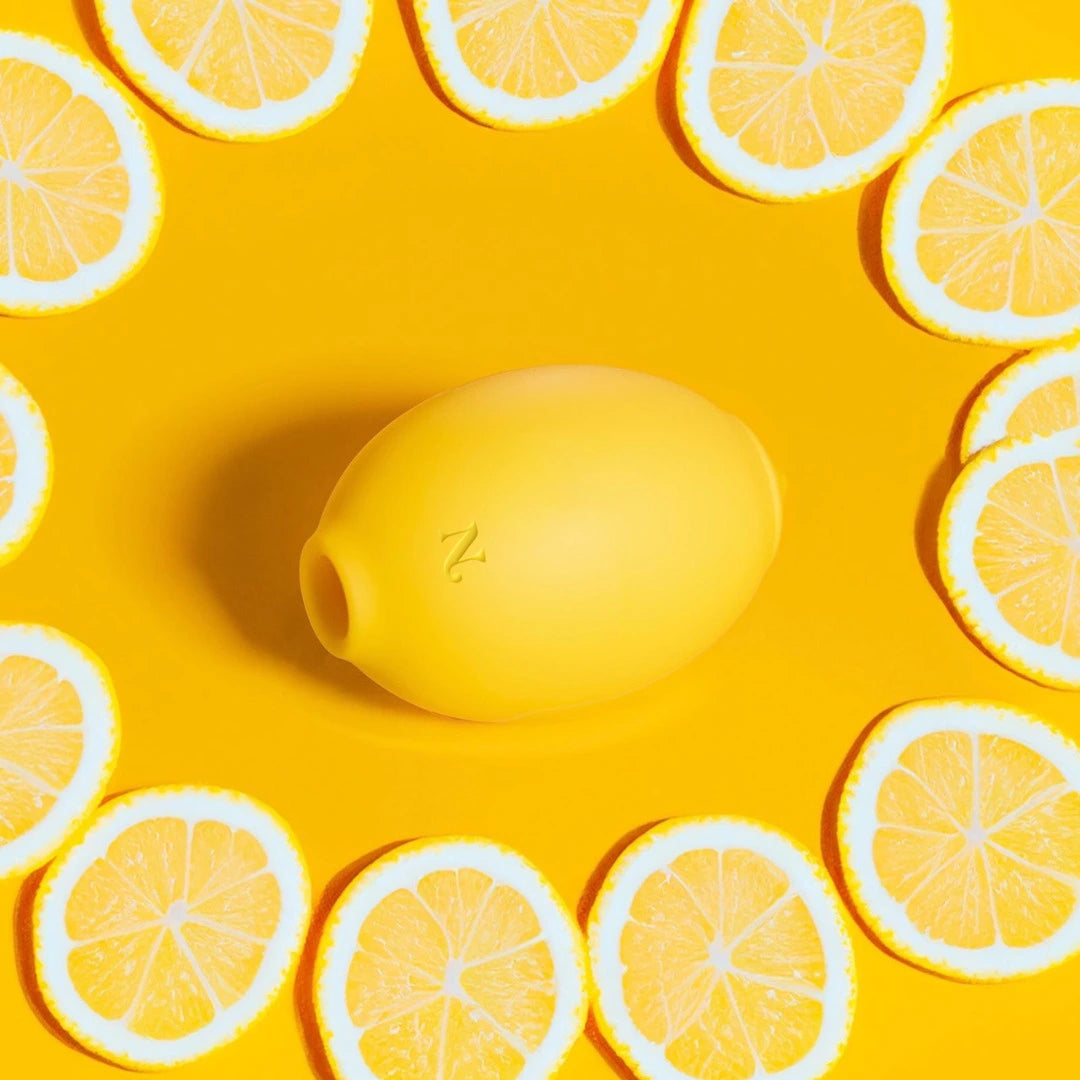
If you're curious about a toy designed specifically for gentle, pinpointed clitoral pleasure, the Lem Clitoral Massager is a beautifully crafted option worth exploring. Its compact design and intuitive intensity levels make it easy to use on your own terms, at whatever pace suits you.
For partnered intimacy, taking penetration off the table entirely for a few weeks can actually free both of you to focus on what feels genuinely good rather than what's expected. That reframe alone tends to reduce anxiety on both sides.
When Your Libido Doesn't Come Back
Sometimes it takes longer than expected. And sometimes, low desire persists well past the newborn phase.
If you're six or more months postpartum and sex still feels completely absent from your interest or radar, that's worth a conversation with a medical professional. Postpartum depression and postpartum anxiety can both significantly dampen libido. Thyroid imbalances, which are relatively common after birth, can do the same. A blood panel and an honest conversation with your provider can rule out or address underlying factors.
Therapy, including sex-positive therapy or couples counseling, can also help. This isn't a last resort. It's a practical tool that many postpartum couples find genuinely transformative. There is no timeline by which you are expected to feel "fixed." Recovery is not linear, and neither is desire.
A Note on Contraception (Because Yes, You Can Get Pregnant Again)
This feels a little sideways to mention in a piece about intimacy, but it matters.
The myth that breastfeeding fully prevents pregnancy is widespread and persistently inaccurate. While the Lactational Amenorrhea Method (LAM) does have some effectiveness under very specific conditions, it is far from reliable for most people. If you're not trying for another pregnancy, talk to your provider about contraception before you resume any kind of sex that involves the possibility of conception.
Many forms of hormonal contraception are safe during breastfeeding, but some are not. Your provider can help you navigate what works for your specific situation. Getting this sorted early removes one more layer of anxiety from an already full plate.
Wrapping Up
Sex after a baby is a process, not an event. It rarely goes from zero to exactly-how-it-was in one smooth arc. But it does come back. It evolves. And for many people, it becomes richer and more intentional than it was before, because you're showing up to it with more self-awareness and less performance pressure than you had in your twenties.
Be patient with your body. Be patient with your partner. And be genuinely kind to yourself during one of the most physically and emotionally complex transitions a person can navigate.
You deserve pleasure. That doesn't stop being true just because you're also someone's parent now.
Want to make your journey even more exciting? I've handpicked some amazing toys and goodies at Hello Nancy that'll add extra sparkle to your intimate moments. (Here's a little secret — use 'dirtytalk' for 10% off!)
Frequently Asked Questions
How long after having a baby can you have sex?
Most healthcare providers recommend waiting at least six weeks after a vaginal birth or cesarean before resuming penetrative sex. That said, the real answer depends on your individual healing, your comfort level, and whether bleeding has fully stopped. Some people feel ready earlier, others need more time. Both are completely normal.
Why does sex hurt after having a baby?
Postpartum pain during sex (dyspareunia) is usually caused by a combination of vaginal dryness from low estrogen, tissue that is still healing, and physical changes from the birth itself. Using a good lubricant helps significantly. If pain persists beyond a few months, bring it up with your OB or midwife — it's very treatable and you shouldn't have to just live with it.
Is it normal to have no sex drive after having a baby?
Completely normal, especially in the first several months postpartum. Hormonal shifts, sleep deprivation, breastfeeding, and the sheer physical demands of new parenthood all suppress libido. For most people, desire gradually returns. If it hasn't by six months postpartum, a conversation with your healthcare provider is a good step to rule out other factors.
Does breastfeeding affect your sex drive?
Yes, breastfeeding raises prolactin levels and lowers estrogen, both of which can noticeably reduce libido and cause vaginal dryness. This is a hormonal effect, not a psychological one, though the two often interact. It typically improves once breastfeeding frequency decreases or stops entirely.
Can you use sex toys postpartum?
External toys like clitoral vibrators are generally safe to use once any perineal soreness has resolved, even before you're ready for penetration. Internal toys should be introduced slowly and with plenty of lubricant, and typically not until the six-week healing window has passed. Always listen to your body first.
How can I reconnect sexually with my partner after having a baby?
Start with non-sexual physical intimacy: touch, kissing, closeness. Remove the pressure of penetration as a goal and let connection be enough for a while. Open, honest conversation about how you're both feeling makes a bigger difference than most people expect. Taking small steps together, without a destination or deadline, tends to work far better than trying to recreate pre-baby dynamics all at once.
What positions are best for sex after a c-section?
Side-lying positions are generally recommended in the weeks following a cesarean, as they avoid putting pressure directly on the abdominal incision. Positions where you control depth and pace also help. Avoid anything that requires core engagement or places weight on the lower abdomen until your scar has fully healed, which your provider can confirm at your postpartum checkup.
Can you get pregnant again right after having a baby?
Yes. Ovulation can return before your first postpartum period, which means pregnancy is possible even before you've had a single cycle. Breastfeeding reduces but does not eliminate the risk. Talk to your provider about contraception options before resuming sex if you're not planning another pregnancy right away.
Sources
- Sex After Birth: Medical Healing & Timing Facts | APA
- Sex After Birth: Resuming Sexual Intimacy After Having a Baby | University Hospitals
- Embracing Change: Libido and Breastfeeding in the Postpartum Period — Innovations Family Wellness, Inc.
- Risk of sexual dysfunctions in breastfeeding females: protocol for a systematic review and meta-analysis - PMC