Add $12.00 to get Free Gift



Some conversations live in the back of your throat for years. You think about bringing it up. Then you don't. Then you wonder what it means that you didn't.
Talking about fantasies with your partner is one of the most vulnerable things you can do in a relationship. And somehow, nobody ever teaches us how.
Here's what I've noticed: the anxiety isn't usually about the fantasy itself. It's about being seen and not understood. About saying something real and watching it land wrong. That fear is valid. But staying silent has its own cost, and it's usually paid in disconnection.
Why Sharing Fantasies Matters More Than You Think

Fantasies aren't confessions. They're not demands, either.
Research by social psychologist Justin Lehmiller, published in his landmark study of over 4,000 U.S. adults, found that multi-partner scenarios and power dynamics rank among the most common fantasy themes. The vast majority of us are carrying around rich inner lives we've never once voiced out loud. And that gap between what we imagine and what we share? It quietly erodes intimacy over time.
Ascension Counseling research found that 75% of couples who regularly discuss their sexual desires report higher relationship satisfaction. That's not a small finding. That's a massive signal that the conversation itself, not even the acting-on-it, is what builds the bridge between two people.
So why do we avoid it? Because vulnerability is terrifying in the exact place we're supposed to feel safest.
Setting the Stage Before You Say a Word

Timing matters enormously.
Don't start this conversation mid-argument, right after sex when one of you is already half-asleep, or while your partner is stressed about something completely unrelated. Choose a moment that feels neutral and easy. A long drive, a slow Sunday morning, a quiet evening. The goal is a low-stakes environment where neither of you feels cornered or on the spot.
Say that out loud, too. Something like "I've been thinking about something I'd love to share with you, and I want to do it when we both feel relaxed." That little heads-up does something powerful. It removes the element of surprise and signals that this is a conversation you care about having well, not just having fast.
How to Actually Start the Conversation
Lead with curiosity about them before you share anything about yourself. Ask open questions. "Is there anything you've ever been curious about that we've never explored?" is so much gentler than "I need to tell you something." It frames the whole conversation as mutual exploration rather than a one-directional reveal.
When you do share your own fantasy, use "I" language without making it a performance. Try something like "I've had this thought a few times and I've been curious about it. I don't even know if I'd ever want to act on it. I just wanted you to know it exists." That phrase, "I don't even know if I'd ever want to act on it," is doing a lot of work. It separates fantasy from request, and that distinction can massively reduce your partner's anxiety.
Go slow. One thing at a time. You're not presenting a full itinerary. You're opening a door.
What to Do When Your Partner Shares Something Surprising

Your first reaction matters more than you realize. Your partner just handed you something fragile.
If what they share catches you off guard, your job in that moment is not to evaluate the fantasy. It's to acknowledge the courage it took to say it. A simple "thank you for telling me that" buys both of you breathing room. It signals safety without committing you to anything. You can always follow up with questions, feelings, or a longer conversation later. What you can't unsay is an instinctive recoil or a dismissive laugh.
It's also genuinely okay to have feelings about what you hear. You're allowed to be surprised, confused, or need time. The key is communicating that process rather than performing a reaction. "I want to sit with that for a bit before I respond properly" is a mature, loving answer. It keeps the door open.
Navigating the Space Between Fantasy and Reality
Not every fantasy needs to become a plan. Actually, most don't.
Some fantasies exist beautifully in the imagination and would feel completely different in reality. That's not failure. It's just the nature of fantasy. Part of the conversation worth having is figuring out together which ones feel exciting to explore and which ones you both enjoy simply as shared knowledge. Good communication in relationships isn't about saying yes to everything. It's about understanding each other's inner world more fully.
If you do want to explore something together, start with what the fantasy is really about energetically, not literally. A power dynamic fantasy might really be about trust and surrender. A voyeurism fantasy might be about feeling desired intensely. When you understand the emotional core, you often find gentler, more accessible ways to explore the feeling. Sometimes that means trying something new with a quality couples toy that reflects the energy you're after. Sometimes it means a scenario, a role, a word.
Building a Ongoing Culture of Openness
One conversation won't fix years of silence. But it starts something.
The couples who communicate most openly about desire didn't have one brave conversation and then coast. They built habits. Regular low-pressure check-ins. Casual mentions over dinner. Sending each other an article or a scene that resonated. They normalized the fact that desire is alive and changes, and that keeping each other informed is part of being close.
You can actively build this with small moves. Ask your partner after watching a film together whether any scene felt particularly charged for them. Share something you found interesting about your own arousal without framing it as a big deal. Treat arousal and desire as ongoing topics, not emergency announcements.
Even exploring vibrators for women together, or trying out a new kind of stimulation, can open up conversations that would have been awkward to start from scratch. Shared experience often creates conversational shortcuts.
The Role of Boundaries and Consent in Fantasy Conversations
Every good conversation about fantasies includes talking about what's off the table. Not because limits are buzzkills. Because knowing someone's limits is how you know where you can actually move freely.
Ask your partner about their comfort zones before diving into your deepest desires. The "yes, no, maybe" exercise is simple and genuinely useful. You each independently sort a list of scenarios or activities into three columns, then compare results. The overlap of both your "yes" columns is your playground. The maybes become an ongoing, curious conversation. The nos are respected and left alone, without pressure or revisiting. This kind of structure feels clinical on paper, but in practice it's surprisingly playful. It also protects both people from feeling ambushed.
A great edging vibrator or a new kind of sensation play can sometimes be a gentle physical way to approach the edges of a "maybe" together, letting your body lead before your words have caught up. And for couples curious about adding vibration to shared exploration, clitoral vibrators are often a natural, low-pressure starting point.
When the Conversation Gets Hard

Sometimes these conversations do go sideways.
Maybe your partner reacts with more discomfort than you expected. Maybe you realize mid-sentence that you're not ready to share this yet. Maybe what you hear from them shifts something in you that needs time. That's not the conversation failing. That's intimacy doing exactly what intimacy does. It asks you to grow.
If things feel tense, create a pause together. Return to it when both of you are grounded. If there's real distress or a significant mismatch in desires causing ongoing strain, a sex-positive therapist can make a profound difference. Having a neutral, skilled person in the room changes the chemistry of these conversations completely. It's not a last resort. It's a legitimate and smart move for couples who want to get this right.
Bottom Line
Your desires are not shameful data points to be hidden. They're part of who you are. And your partner? They deserve to actually know you. Not just the version of you that's already been approved.
Sharing fantasies safely isn't about radical transparency on day one. It's about building a relationship culture where both of you feel like it's possible to say the real thing. Where curiosity is more present than judgment, and where the conversation can grow and change as you both do.
Start small. Stay curious. Trust the process. ✨
Want to make your journey even more exciting? I've handpicked some amazing toys and goodies at Hello Nancy that'll add extra sparkle to your intimate moments. (Here's a little secret, use 'dirtytalk' for 10% off!)
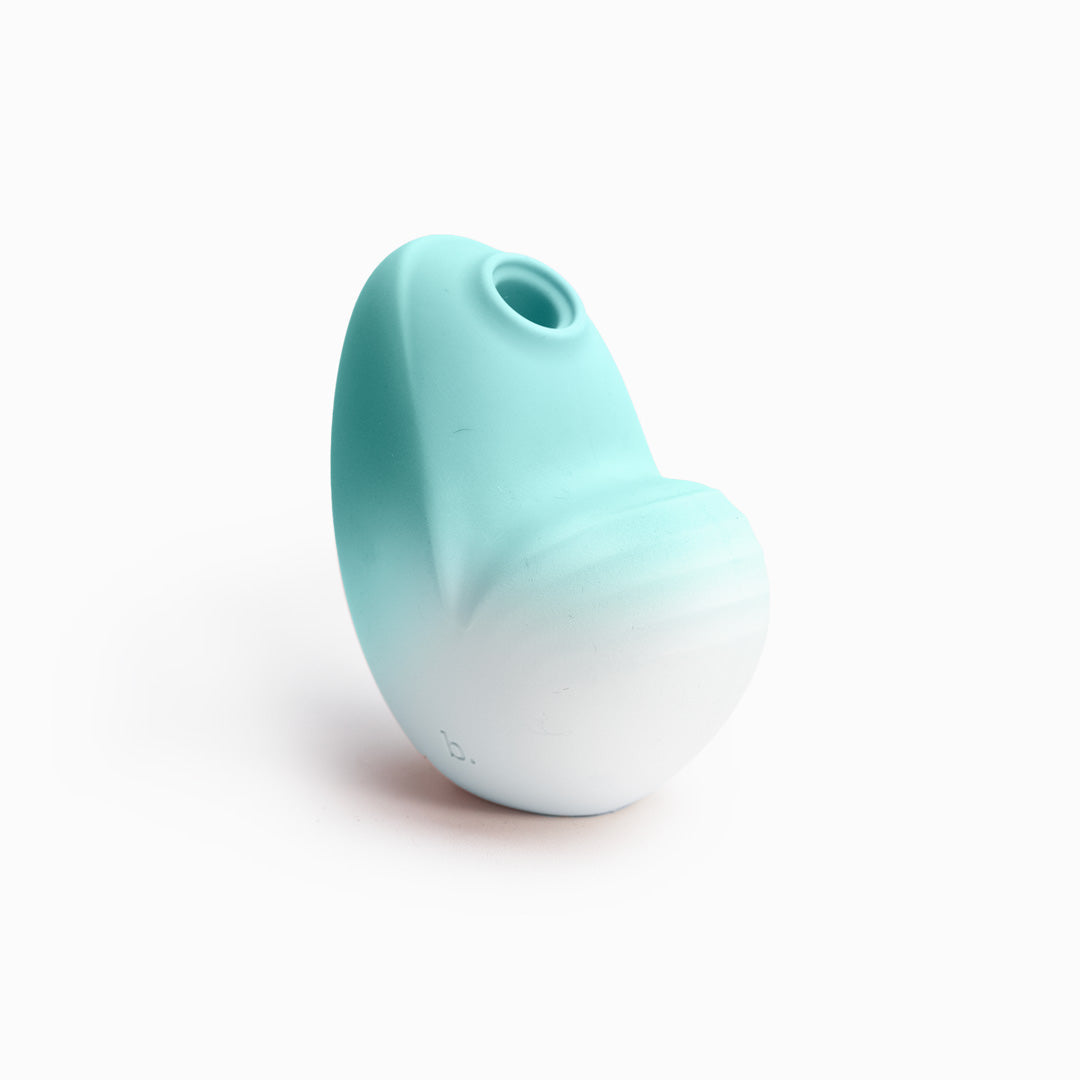
The Namii 2 is a beautiful place to start if you and your partner want to explore new sensations together. It pairs clitoral suction with vibration in one sleek, whisper-quiet device that takes the guesswork out of "where do we even begin."
Frequently Asked Questions
How do I bring up a sexual fantasy without making things awkward?
Start by framing it as curiosity rather than a request. A low-pressure opener like "I've been thinking about something and I'd love to share it" signals openness without putting your partner on the spot. Choosing a relaxed, neutral moment (not right before sleep or in the middle of tension) makes a huge difference.
What if my partner reacts negatively to my fantasy?
Give them space to process. A negative initial reaction often softens when there's no pressure to act on anything. Let them know the fantasy isn't a demand, just something you felt safe enough to share. If the conversation stays tense, return to it later or consider speaking with a sex-positive couples therapist together.
Should I share every fantasy I have with my partner?
No, and that's completely okay. Selective sharing based on genuine connection and timing is healthier than full disclosure for its own sake. Share what feels meaningful or relevant to your shared intimacy, not every passing thought.
Does having a fantasy about someone else mean something is wrong in my relationship?
Not at all. Research consistently shows that fantasizing about someone other than your partner is extremely common across all relationship types and orientations. A fantasy is a mental event, not a wish or a plan. What matters most is how you and your partner feel about openness and honesty.
How can I tell if a fantasy is something I actually want to try in real life?
Ask yourself what the emotional feeling of the fantasy is, not just the literal scenario. If the idea of actually doing it in real life excites you as much as the imagining does, it might be worth exploring. If the thought of it becoming real creates anxiety rather than excitement, it may be a fantasy best kept in the imagination.
What is the "yes, no, maybe" list and how does it help couples talk about desires?
The yes/no/maybe list is a simple exercise where both partners independently sort a set of sexual activities or scenarios into three categories, then compare their answers. It removes in-the-moment pressure from the conversation, reveals shared interests quickly, and lets you both see where the other person stands without anyone feeling put on the spot.
How often should couples talk about sexual fantasies and desires?
There's no fixed schedule that works for everyone. What matters is that desire stays an ongoing topic rather than a one-time awkward summit. Casual, low-stakes check-ins, sharing something interesting you read, or simply asking "is there anything new you've been curious about?" every few months keeps the channel open without making it feel like homework.
Is it normal to feel embarrassed talking about fantasies even in a long-term relationship?
Completely normal, and arguably more common in long-term relationships than new ones. The longer we've been with someone, the more we have to lose if the conversation goes badly. That feeling of vulnerability is a sign the relationship matters, not a sign something is wrong. Starting small and building up over time is the most sustainable approach.