Add $12.00 to get Free Gift



Here's the thing nobody told you in sex ed. Arousal doesn't start where you think it does. It starts in your brain, often long before your body catches up, and the gap between the two is where most of the confusion lives.
We talk about attraction like it's a simple on/off switch. You're either feeling it or you're not. But neuroscience has a very different story, one that involves competing brain regions, a cast of neurochemicals, and a process that can wildly mismatch what's happening in your head versus what's happening in your body. Meredith Chivers, a sex researcher at Queen's University, has spent years documenting exactly this gap. Her findings consistently show that what the body does and what the mind experiences can be almost completely unrelated.
That disconnect has a name. It's called arousal non-concordance, and once you understand it, a lot of things start making a lot more sense.
The Brain Isn't One Thing. It's a Committee.
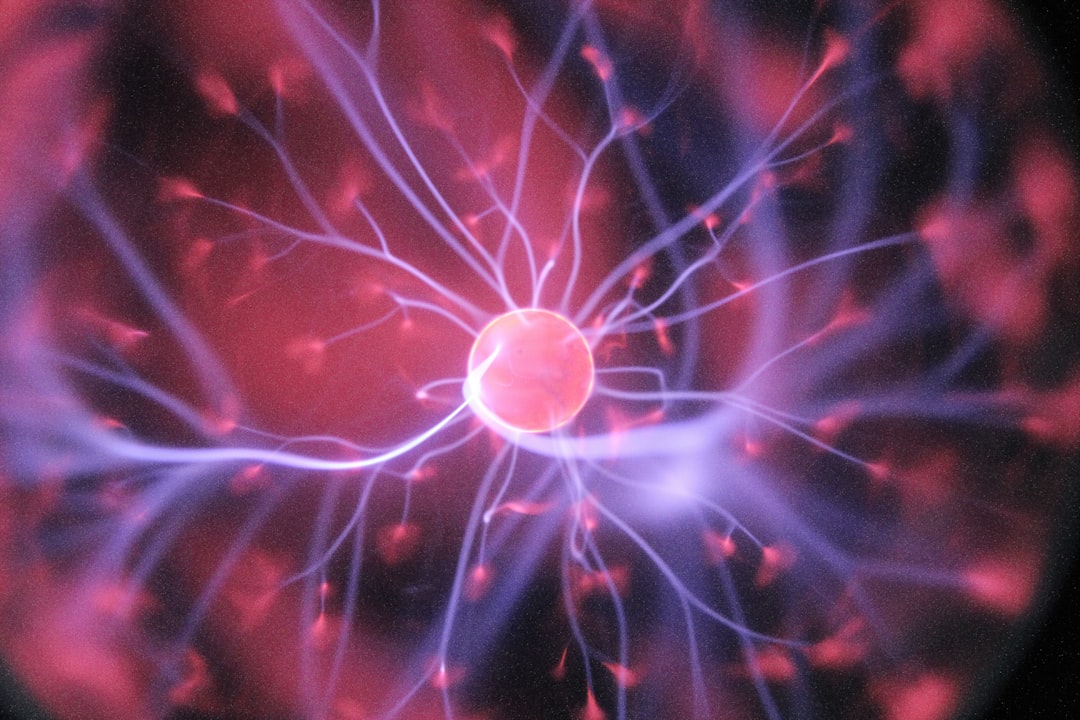
Think of your brain during arousal less like a light switch and more like a board meeting where every department wants to override the others. The amygdala is scanning for threat. The prefrontal cortex is overthinking everything. The hypothalamus is pushing the "yes, please" button. And the reward system is already three steps ahead, flooding your body with dopamine before you've consciously decided anything.
The hypothalamus is arguably the key player. It coordinates sexual behavior by releasing hormones and activating the autonomic nervous system, which is the part responsible for the physical stuff: blood flow, muscle tension, lubrication. But it can't do any of that if the prefrontal cortex is panicking or the amygdala is still stuck on the argument you had at 4 PM.
Dopamine is the chemical everyone associates with pleasure, but it's actually more about anticipation. It's the neurochemical that drives wanting, not having. This is why desire can feel so electric and urgent before anything actually happens. Your brain's reward circuitry is already cashing checks the rest of your body hasn't written yet.
Your brain's reward system is already three steps ahead of your body. and that gap explains everything.
Why Mental and Physical Arousal Are Playing Completely Different Games

Arousal non-concordance is the scientific term for what happens when your mind and body give completely different signals. It sounds niche, but it's actually wildly common. In her research, Chivers found significant discrepancy between people's subjective reports of arousal and their actual genital response. The body can respond to a stimulus that the mind finds neutral, unwanted, or even distressing. And the mind can be fully, enthusiastically engaged while the body stays completely quiet.
This matters enormously. Your body responding doesn't automatically mean yes, and your body not responding doesn't mean no. These are two separate systems that occasionally sync up, and often don't. Sex educator Emily Nagoski, author of Come As You Are, describes arousal as a dual-control model: a gas pedal (what turns you on) and a brake (what shuts you down). Both systems are running simultaneously, and the brake is sensitive in ways most people never get taught.
For people with vulvas, this non-concordance is especially pronounced. Research shows genital response can occur to a wide range of stimuli regardless of whether those stimuli are desired. It's a physiological reflex, not a preference. Understanding that distinction is one of the more important pieces of sexual self-knowledge out there.
And honestly? Knowing this one thing can reframe years of confusion.
What Stress Actually Does to Desire (It's Not Pretty)
Stress is the libido equivalent of a cold shower nobody asked for. Stress kills sexual arousal because cortisol, the body's primary stress hormone, directly competes with the neural systems that enable desire. The brain physically cannot prioritize threat-response and pleasure-response at the same time. When cortisol is flooding your system, the hypothalamus gets the memo: not now.
Chronic stress is even more disruptive. Sustained cortisol elevation suppresses testosterone production in all genders, and testosterone plays a significant role in baseline desire levels. It also keeps the amygdala in high alert mode, which means the part of your brain that's supposed to scan for danger is essentially chaperoning every intimate moment and refusing to leave.
This is why "just relax" is the most useless advice anyone can give. Relaxation isn't a choice you make with your prefrontal cortex. It's a neurochemical state your whole system needs to actually enter. If the brain decides the environment is unsafe, emotionally or physically, it will apply the brakes regardless of what you consciously want. Stress also disrupts sleep, and poor sleep tanks testosterone levels further. It's a particularly unkind loop.
The good news? The brake isn't permanent. It responds to context, safety, and. this is actually backed by research. novelty. Trying something new activates dopamine pathways even when everything else feels flat.
If you're curious about vibrators for women that can help reintroduce novelty and sensory engagement when stress has numbed everything out, a little exploration can genuinely reset that reward loop.
The Role of Oxytocin (And Why It's Not Just the "Cuddle Chemical")

Oxytocin gets simplified constantly. "It's the bonding hormone," people say, usually while describing a mother holding a newborn. But during arousal, oxytocin is doing something more complex. It surges at orgasm, yes. But it also plays a role earlier, in building the sense of safety and connection that allows the arousal system to actually activate in the first place.
Here's the part that doesn't make it into casual conversation: oxytocin also sharpens social attention. It makes you more attuned to the other person's facial expressions, tone, microgestures. This is great when things are going well. It can be overwhelming or anxiety-inducing when the relationship has unresolved tension. Oxytocin essentially turns up the volume on whatever's already present emotionally.
So if you're feeling disconnected from your partner, oxytocin won't paper over it. It'll amplify the awareness that something's off. This is one reason why desire in long-term relationships is so tied to emotional safety. It's not just softness or romance. It's chemistry. The body needs to register "safe, connected, wanted" before the arousal system will fully come online.
Couples toys designed for shared pleasure can be part of that reconnection, not because a toy fixes emotional distance, but because playfulness and shared novelty genuinely do activate those reward pathways again.
Oxytocin turns up the volume on whatever's already emotionally present. Which means intimacy requires groundwork, not just spark.
Does Arousal Feel Different for Different People?
Arousal non-concordance tends to be more pronounced in people with vulvas than in people with penises, where subjective and genital responses tend to align more often, though not always. But framing this as a "women's issue" misses the point. Arousal variability exists across all genders and bodies, shaped by neurology, hormones, past experience, and context.
Testosterone levels are a significant factor regardless of gender. Higher levels correlate with more spontaneous desire, meaning desire that appears without an obvious trigger. Lower levels tend toward responsive desire, where arousal shows up in response to stimulation rather than in anticipation of it. Neither is abnormal. But knowing which pattern fits you can radically change how you approach intimacy, and how much pressure you put on yourself to "want it" on a schedule.
Medication also plays a real role. Antidepressants, particularly SSRIs, are widely known to dampen desire and delay or prevent orgasm. This happens because serotonin and dopamine are interconnected, and boosting serotonin availability can reduce dopamine's role in the reward circuitry. It's one of the most underacknowledged side effects in clinical conversations. If this resonates, it's worth raising directly with a prescribing doctor rather than quietly assuming something is wrong with you.
How to Actually Work With Your Brain, Not Against It

Look, your brain is not your enemy here. It's just doing exactly what it's designed to do, and it was designed a very long time before modern life invented deadlines and notification badges. The mismatch between our neurology and our current stress environment is genuinely real. And the path forward isn't to override the system. It's to understand it well enough to give it what it actually needs.
A few things that research actually supports. Novelty reliably activates dopamine pathways, which is why trying something unfamiliar can reignite desire that's gone quiet. Mindfulness practices reduce amygdala reactivity, which means they quite literally lower the volume on the threat-detection system that's blocking the party. Physical touch and skin contact raise oxytocin levels without requiring anything explicitly sexual, which matters for rebuilding the sense of safety that desire runs on.
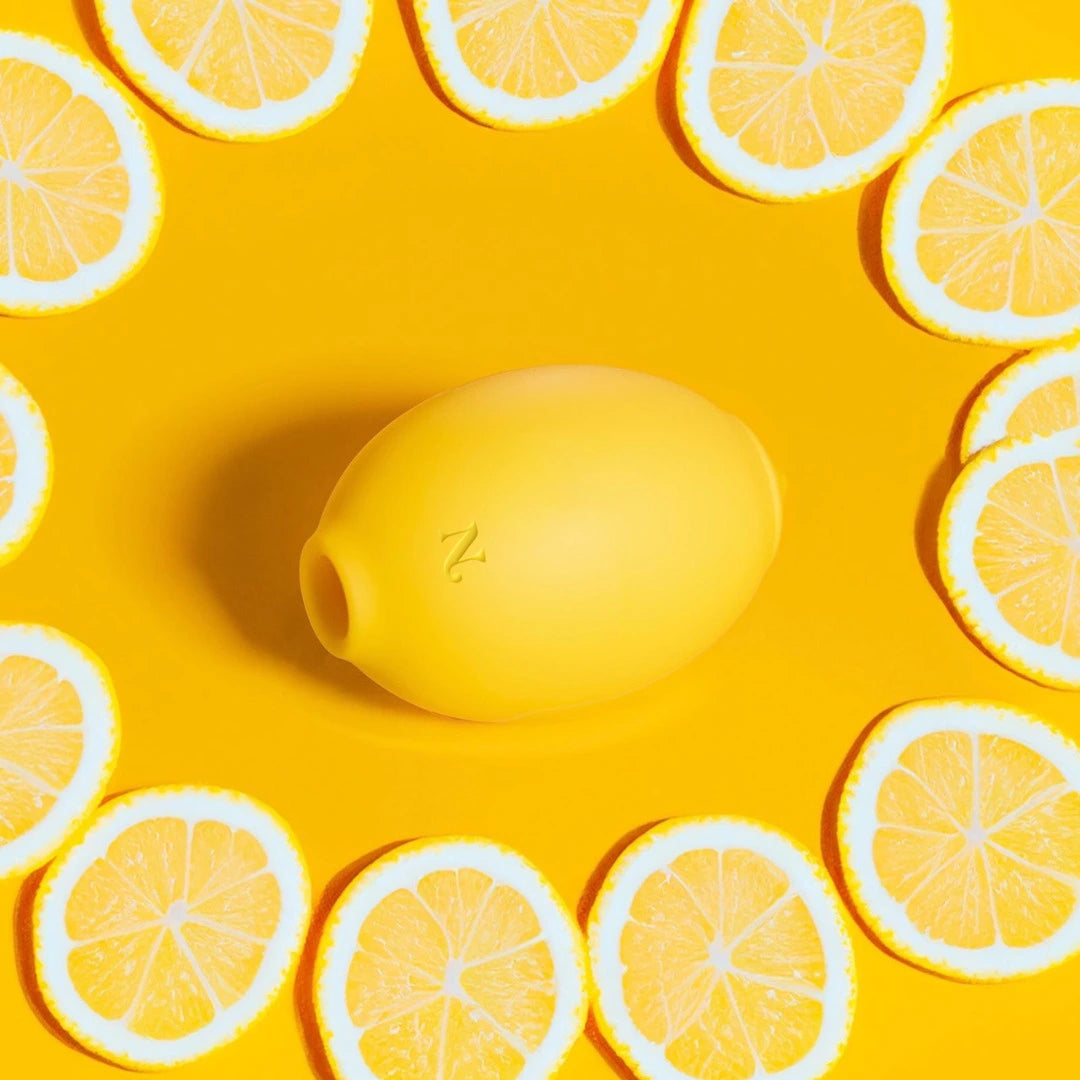
If you want to explore clitoral vibrators as part of building a more intentional sensory practice, the Lem Clitoral Massager is a quietly brilliant place to start. It's precise, intuitive, and designed for exactly this kind of mindful, low-pressure exploration.
The other thing worth saying plainly: pleasure is not a frivolous thing to prioritize. Your nervous system genuinely benefits from it. Orgasm releases a cascade of neurochemicals that reduce cortisol, elevate mood, and support sleep quality. This isn't wellness-speak. It's documented physiology.
And if you've been waiting for permission to actually explore what feels good for you, using intimate toys without guilt or apology, consider this it.
I genuinely hope we're moving toward a world where people understand their own arousal systems the way they understand their sleep cycles or stress responses. Not as something mysterious and outside their control, but as something biological, learnable, and worth caring about. Your brain has been doing this for you your whole life. The least we can do is learn a little of its language back.
Want to make your journey even more exciting? I've handpicked some amazing toys and goodies at Hello Nancy that'll add extra sparkle to your intimate moments. (Here's a little secret. use 'dirtytalk' for 10% off!)
Frequently Asked Questions
What part of the brain controls sexual arousal?
Sexual arousal is controlled by several brain regions working simultaneously, not a single "sex center." The hypothalamus plays a central coordinating role, triggering hormonal and autonomic responses. The amygdala processes emotional and threat signals that can either facilitate or inhibit arousal. The reward system, involving the nucleus accumbens and dopamine pathways, drives desire and anticipation. The prefrontal cortex adds cognitive context, including stress, self-consciousness, and evaluation.
What is arousal non-concordance and why does it happen?
Arousal non-concordance is the disconnect between mental (subjective) arousal and physical (genital) arousal. It happens because these two responses are controlled by different systems in the body. The physical response is partly reflexive, triggered by sensory input, while subjective desire involves higher-order brain processing including emotion, context, and safety. Research by sex researcher Meredith Chivers found this mismatch is especially common in people with vulvas, though it occurs across all genders.
What chemicals are released in the brain during arousal?
During arousal and sexual activity, the brain releases a range of neurochemicals. Dopamine surges in the anticipation phase, driving desire and motivation. Oxytocin rises with touch and peaks at orgasm, supporting bonding and emotional connection. Norepinephrine increases heart rate and alertness. Endorphins and endocannabinoids contribute to feelings of pleasure and relaxation after orgasm. Serotonin levels also shift, which is why medications affecting serotonin (like SSRIs) can significantly impact sexual function.
Why does stress lower sexual desire?
Stress lowers sexual desire because cortisol, the primary stress hormone, suppresses the neural and hormonal systems that support arousal. The brain cannot simultaneously run a threat-response and a pleasure-response. Cortisol also suppresses testosterone production in all genders, reducing baseline desire over time. Chronic stress keeps the amygdala in high-alert mode, making it harder for the brain to register the safety signals that allow arousal to emerge.
What is the dual control model of sexual arousal?
The dual control model, developed by sex researchers John Bancroft and Erick Janssen at the Kinsey Institute, proposes that sexual arousal is governed by two competing systems: a sexual excitation system (the "gas pedal") and a sexual inhibition system (the "brake"). Both run simultaneously. The gas pedal responds to stimuli that promote arousal. The brake responds to perceived threats, distractions, stress, or discomfort. Desire depends on the balance between these two systems, not just the presence of the gas pedal alone.
Can antidepressants affect sexual arousal and desire?
Yes. SSRIs (selective serotonin reuptake inhibitors), a common class of antidepressants, are well documented to reduce sexual desire, delay orgasm, and sometimes cause genital numbness. This happens because serotonin and dopamine interact in the brain's reward system. Increasing serotonin availability can reduce the dopaminergic drive that fuels desire. If you're experiencing this side effect, it's worth discussing medication alternatives or dosage adjustments with your prescribing doctor.
What is responsive desire and how is it different from spontaneous desire?
Spontaneous desire arises without an obvious external trigger. You simply want sex out of the blue. Responsive desire arises in response to stimulation, context, or intimacy already in progress. Neither is abnormal. Research suggests spontaneous desire is more common in people with higher testosterone levels, while responsive desire is more common in people in long-term relationships or with lower baseline testosterone. Understanding your desire pattern helps remove unnecessary pressure and shifts focus toward creating the right conditions rather than waiting for desire to appear on its own.
Does orgasm have benefits for the brain?
Yes. Orgasm triggers a significant neurochemical release including endorphins, oxytocin, dopamine, and prolactin. This combination reduces cortisol levels, lowers blood pressure temporarily, promotes relaxation, and can support sleep quality. Some research also links regular sexual activity to improved mood and reduced anxiety over time. These benefits occur whether orgasm happens with a partner or through solo stimulation.
Why does novelty increase sexual desire?
Novelty activates dopamine pathways in the brain's reward system, the same system that governs desire and anticipation. When something is new or unexpected, the brain pays heightened attention and increases dopamine release. This is why new experiences, whether a different environment, a new form of touch, or an unfamiliar sensation, can reignite desire that's gone quiet in a long-term relationship. It's one of the neurological reasons why variety genuinely matters for sustained sexual interest.
How does mindfulness help with sexual arousal?
Mindfulness reduces reactivity in the amygdala, the brain's threat-detection hub, which is one of the primary systems that applies the brake on arousal. By training the nervous system to stay present rather than scanning for threat or ruminating on distractions, mindfulness creates more neurological space for desire and sensation to register. Research from sex therapist and researcher Lori Brotto has shown that mindfulness-based interventions significantly improve sexual desire, arousal, and satisfaction, particularly in people with low desire or trauma histories.
References
- ResearchGate. Chivers, M.L.: A Brief Review and Discussion of Sex Differences in the Specificity of Sexual Arousal
- Neurolaunch. Mentally Turned On But Not Physically: Understanding Arousal Non-Concordance
- PubMed Central. Functional Neuroimaging Studies of Sexual Arousal and Orgasm
- PNAS. Neural Correlates of Sexual Arousal and Behavior
Written by Mia Chang