Add $12.00 to get Free Gift



Your body has been doing something extraordinary this whole time. You just never had the right map.
Skene's glands sit quietly at the front wall of the vagina, near the urethral opening, and they've been reshaping what science thinks it knows about female anatomy, pleasure, and yes — squirting. Most of us were never taught they existed. Yet here we are.
What Are Skene's Glands, Exactly?
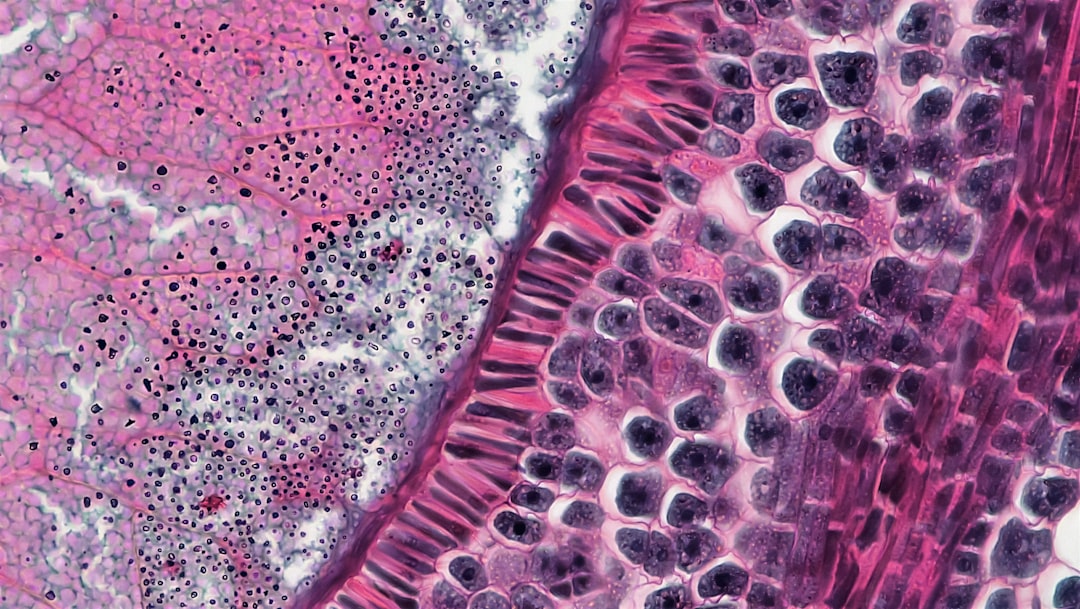
Skene's glands — also called paraurethral glands or the female prostate — are two small glandular structures located on the anterior wall of the vagina, flanking the lower end of the urethra. They were named after Scottish gynecologist Alexander Skene, who described them formally in 1880. But here's the kicker: women have known these glands existed, experientially, for far longer than science was willing to admit.
These glands drain through tiny ducts that open near the urethral meatus. You can't see them without magnification. You can't really feel them from the outside. But stimulate the right area internally — specifically the front wall of the vagina, the area many people call the G-spot — and Skene's glands are very much in the conversation.
They're small. In some people, they're barely detectable. In others, they're more developed and clearly active. The size and functionality of Skene's glands varies enormously from person to person, which is a huge part of why experiences of squirting are so wildly different.
The Female Prostate Connection

Here's where anatomy gets genuinely fascinating. Skene's glands are considered the female homolog of the male prostate. They develop from the same embryological tissue. And just like the prostate, they express prostate-specific antigen, or PSA, along with prostate acid phosphatase (PAP). Histological studies confirm this, and the functional similarity is hard to argue with.
The World Health Organization's International Classification of Diseases actually recognizes Skene's glands as the "female prostate." That's not metaphor. That's taxonomy. Yet somehow, decades of anatomy textbooks left this out of the curriculum entirely.
This matters beyond trivia. Because if Skene's glands produce PSA the way the male prostate does, then female ejaculation — the small, whitish fluid expressed during or after orgasm — is a biochemically distinct secretion. It's not incidental. It's purposeful.
So, What Actually Happens During Squirting?

This is the question everyone's actually here for, and the answer is more layered than most people expect.
Science now distinguishes between two phenomena that often get lumped together: female ejaculation and squirting. They're different. Female ejaculation involves a small volume of milky, PSA-rich fluid that originates from Skene's glands. Squirting, on the other hand, is a larger-volume expulsion of fluid that research suggests comes primarily from the bladder and contains diluted urine — though it typically also carries traces of Skene's gland secretions.
Neither is better or worse. Both are normal. Both happen during sexual arousal and orgasm for some people, and neither happens for others. The anatomical variance in Skene's gland size and development across individuals is a key reason why squirting isn't universal. If your glands are smaller or less active, you may produce little to no fluid. That's not a malfunction. That's just your particular anatomy being exactly as it should be.
For those curious about how to stimulate this region through oral sex, the approach matters a lot — and so does understanding where these glands actually sit.
The G-Spot and Skene's Glands: Are They the Same Thing?

Not exactly — but they're deeply related.
The G-spot is often described as a region, not a distinct anatomical structure. When you stimulate the anterior vaginal wall, you're stimulating an area that includes the Skene's glands, the periurethral sponge, and potentially the internal roots of the clitoris. It's a neighborhood, not a single address. And Skene's glands are among the most significant residents of that neighborhood.
This is why G-spot stimulation so often triggers the sensation of needing to urinate — the glands sit right against the urethra, and when they swell with arousal, they press on the bladder. That feeling? Totally normal. If you relax through it rather than stopping, you may find what's on the other side is very different from what you feared.
A G-spot vibrator designed with a curved shape, like the Gii Glow, is built specifically to reach this anterior wall. The curve isn't aesthetic. It's functional.

Why Skene's Glands Are Barely Studied (And Why That's Changing)
For most of modern medicine's history, female sexual anatomy was an afterthought.
The clitoris wasn't fully mapped in anatomical literature until 1998. Skene's glands have been described and redescribed, named and renamed, debated and dismissed. The irony is that the male prostate — a comparably sized structure — has been studied intensively for decades because of its link to prostate cancer. The female equivalent barely made the syllabus.
That's shifting, slowly but surely. Studies using immunohistochemical staining have confirmed PSA and NKX3.1 positivity in paraurethral glandular tissue, putting the functional homology to the male prostate on firmer ground. Researchers are increasingly acknowledging that the dismissal of female ejaculation as a myth, or as simple urinary incontinence, was a failure of scientific curiosity rather than a scientific conclusion. Understanding the full scope of what Skene's glands do is still a work in progress — and that's both frustrating and genuinely exciting.
What Does This Mean for Your Pleasure?
Knowledge is a form of foreplay.
Understanding that Skene's glands exist, that they swell with arousal, that they produce fluid with a specific biochemical signature, and that they're intimately connected to both the G-spot experience and squirting — that changes how you approach your own body. It reframes squirting from something mysterious or embarrassing into something that makes complete anatomical sense.
If you've wondered about techniques for internal stimulation, the answer often comes down to patience, the right angle, and enough arousal for the glands to fill and respond. Rushing past the warm-up skips the exact phase where Skene's glands become most responsive.
Exploring vibrators for women designed for anterior wall stimulation can be a genuinely transformative experience when you approach them with this anatomical context in mind. You're not just chasing sensation. You're working with real, specific structures that respond to real, specific input.
For those who want to bring a partner into this exploration, couples toys that allow for G-spot stimulation alongside clitoral play give the whole system room to respond together — which, anatomically, is where the magic lives.
Can Everyone Squirt?
Honestly? Probably not. And that's completely okay.
The size and prominence of Skene's glands varies dramatically across individuals. Some anatomical studies have found that a small percentage of people have no identifiable Skene's gland tissue at all. Others have highly developed glands that are easily stimulated. Most people fall somewhere in between, with glands present but variable in their output. This means squirting is not a skill to acquire — it's an anatomical possibility that depends on your particular body.
If it happens for you, that's wonderful. If it doesn't, that says nothing about your capacity for pleasure, the depth of your orgasms, or whether you're doing anything wrong. Your clitoral vibrators and your internal exploration practices are valuable regardless of whether fluid is involved in the outcome.
Pleasure isn't a performance review.
The Bottom Line on Skene's Glands
Your body contains structures that science is still actively learning to understand. Skene's glands are real, functional, and genuinely fascinating. They're the anatomical explanation behind female ejaculation, a key player in G-spot sensation, and a reminder that female sexual anatomy is far more complex and purposeful than centuries of medical education suggested.
The more you understand your body's architecture, the more agency you have over your own experience. That's not abstract. That's practical power.
Want to make your journey even more exciting? I've handpicked some amazing toys and goodies at Hello Nancy that'll add extra sparkle to your intimate moments. (Here's a little secret — use 'dirtytalk' for 10% off!)
Frequently Asked Questions
Where exactly are Skene's glands located in the body?
Skene's glands are located on the anterior (front) wall of the vagina, positioned on either side of the urethral opening. They drain through small ducts near the urethral meatus and sit very close to the area commonly referred to as the G-spot.
Are Skene's glands the same as the female prostate?
Yes, Skene's glands are widely considered the female homolog of the male prostate. They develop from the same embryological tissue and express the same markers, including prostate-specific antigen (PSA) and prostate acid phosphatase (PAP). The WHO's ICD officially classifies them as the female prostate.
What is the difference between squirting and female ejaculation?
Female ejaculation refers to a small volume of whitish, PSA-rich fluid produced by Skene's glands during arousal or orgasm. Squirting is a larger-volume expulsion that comes primarily from the bladder and contains diluted urine, though it may also carry some Skene's gland secretions. They are two distinct processes that can happen separately or together.
Can everyone with a vagina squirt?
No, and that's completely normal. The size and development of Skene's glands varies significantly from person to person. Some individuals have minimal or no identifiable glandular tissue, making squirting anatomically unlikely for them. It is not a skill or achievement — it depends on your individual anatomy.
Why do I feel like I need to urinate during G-spot stimulation?
This happens because Skene's glands sit directly against the urethra, and when they swell with arousal, they press on the bladder — creating a sensation very similar to needing to urinate. This is completely normal and typically passes if you relax into the sensation rather than stopping.
Is squirting the same as urinating?
Not entirely, though the fluid in squirting does originate partly from the bladder and contains urine. Research shows it also carries traces of Skene's gland secretions, including PSA. So while it shares components with urine, it is biochemically distinct from simple urination.
How can I stimulate my Skene's glands?
Skene's glands are most accessible through stimulation of the anterior (front) vaginal wall — the G-spot region — using fingers, a partner's touch, or a curved internal toy. Adequate arousal is essential first, as the glands fill and become more responsive when you're sufficiently turned on. Patience and relaxation matter more than technique.
Do Skene's glands have any function beyond sexual response?
Skene's glands are primarily associated with sexual function, but their full physiological role is still being studied. Like the male prostate, they may play a role in protecting the urethral and vaginal environment. Skene's gland cysts and infections can occasionally cause urinary symptoms, which is how clinicians most often encounter them outside of sexual medicine contexts.
Why is there so little research on Skene's glands?
Female sexual anatomy has historically been underfunded and understudied compared to male anatomy. Skene's glands suffered from the same neglect, often being dismissed or minimized in medical education. This is slowly changing as researchers apply more rigorous methods to understanding female urogenital structures.