Add $12.00 to get Free Gift


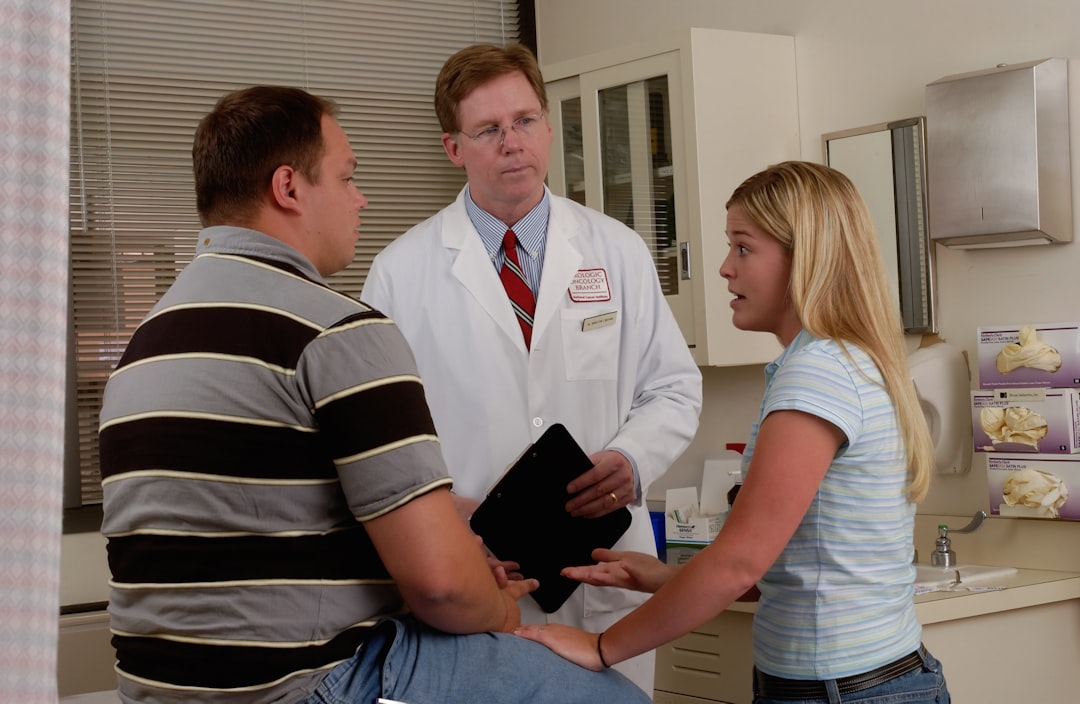
Here's something nobody tells you in the recovery room: the surgery saves your life, and then you have to rebuild it. Piece by piece, including the parts that made you feel most like yourself.
Sex after prostate surgery is one of the most searched and least openly discussed recovery topics out there. Surgeons hand you a pamphlet. Partners quietly worry. And you're left trying to figure out what "normal" even looks like now.
Let me break it down honestly.
What Actually Happens to Your Body After a Prostatectomy

A prostatectomy removes the prostate gland, which sits right at the crossroads of your urinary and reproductive systems. Nerves responsible for erections run alongside it like tiny electrical cables. Even with nerve-sparing surgical techniques, those nerves get jostled, stretched, and temporarily shocked during the procedure. They don't just bounce back the next morning.
Erectile dysfunction after prostate surgery is incredibly common. Almost all men experience some degree of ED in the first months post-surgery. That's not a personal failure. That's physiology.
The timeline for recovery varies widely. Studies show most men see meaningful improvement within 6 to 12 months, while for others, full recovery can take up to two years. With nerve-sparing techniques, 50 to 90 percent of men can regain functional erections within that window (Liv Hospital, 2024). The variance is real, and honestly, the earlier you start gentle rehabilitation, the better your outcomes tend to be.
Orgasm is also affected, but not gone. The prostate and seminal vesicles produce most of the seminal fluid, so ejaculation after surgery becomes what's called a "dry orgasm." Semen no longer exits the body. The sensation of climax can still happen, though it often feels different from before. Research suggests 50 to 70 percent of men experience orgasm post-surgery, even without ejaculation.
Penile Rehabilitation: The Part Your Surgeon Might Gloss Over
Penile rehabilitation sounds clinical. It's really just a structured approach to encouraging blood flow and nerve recovery in the penis during the healing window. Think of it as physical therapy for a specific body part. Doctors often recommend PDE5 inhibitors like sildenafil or tadalafil as part of early rehab. Low-dose daily use can help maintain tissue health while the nerves slowly recover. Vacuum erection devices (VEDs) are another common tool. They draw blood into the penile tissue mechanically, keeping the circulation active even when spontaneous erections aren't yet possible. None of this is magic. But consistency matters enormously.
The Emotional Reality Nobody Prepares You For

Let's be real about the psychological weight here.
For many men, sexual function is deeply tied to identity, confidence, and how they experience intimacy in a relationship. When that changes overnight, the grief is legitimate. It's not vanity. It's a real loss, even if temporary.
Partners feel it too. They often don't know what to say, whether to initiate, whether to ask. Silence builds walls faster than any surgical complication. Open conversation, even awkward conversation, is genuinely part of the recovery process. Couples who discuss what they're experiencing tend to navigate this period far more successfully than those who avoid the topic altogether.
Therapy helps. A sex therapist or a counselor who specializes in medical sexual health can offer tools that a urologist simply doesn't have time to provide. This isn't weakness. It's strategy.
When Can You Actually Have Sex Again?
Most surgeons give a general green light around 4 to 6 weeks post-surgery, once catheter removal and basic healing are complete. But "cleared for sex" doesn't mean everything will feel the way it did before. It means your body is physically ready to try without risking surgical complications.
Start slowly. Intimacy doesn't require an erection. Kissing, touching, oral pleasure, mutual exploration. These all matter and they all count. Rebuilding your emotional connection during this window often lays groundwork for a richer sexual relationship later on.
For partners who use vibrators for women or other intimate toys, incorporating those into shared play can actually help both partners stay connected during a period when penetrative sex may be inconsistent or unavailable.
Practical Steps for Sexual Recovery After Prostate Surgery
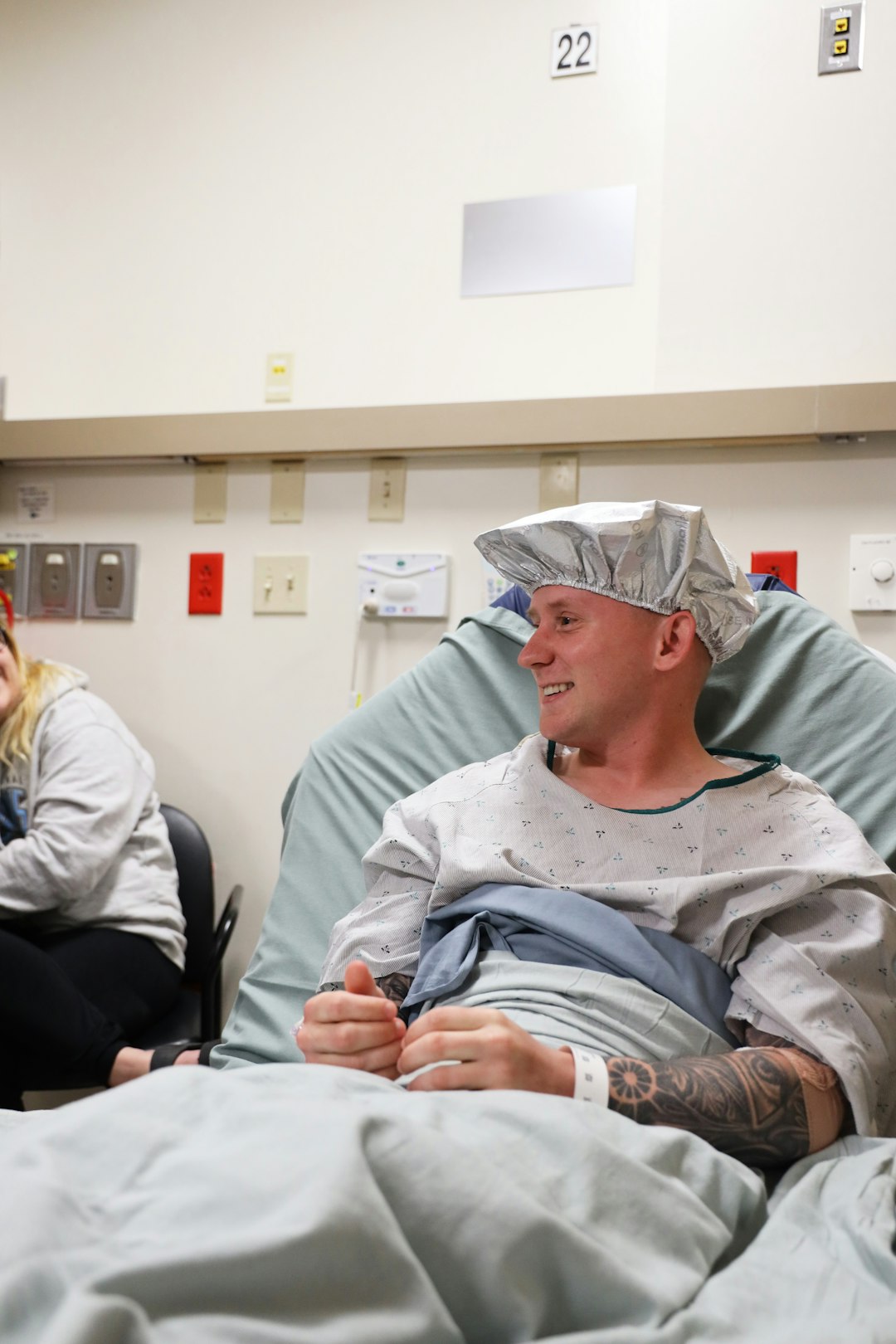
Recovery isn't passive. Here's what the evidence and experience actually support.
Start penile rehabilitation early, ideally within weeks of surgery under your doctor's guidance. Waiting months before attempting any rehab can lead to tissue changes that make recovery harder. Daily low-dose PDE5 inhibitors are worth discussing with your urologist if you haven't already. Communicate with your partner, even imperfectly. A simple "I'm scared" or "I don't know what I'm feeling yet" opens more doors than silence. Explore couples toys and alternative forms of pleasure together. You might discover things about each other you hadn't before.
Give yourself the full two-year window. This is a marathon, not a sprint. Progress at 6 months doesn't define progress at 18 months.
The Role of Toys and Tools in Rebuilding Pleasure
Sex toys aren't just for people without a medical history. They're actually genuinely useful rehabilitation tools for post-surgical intimacy. Clitoral vibrators and other external stimulators allow partners to stay sexually engaged and enjoy pleasure during a period when intercourse may be limited. For the person recovering, vibration and gentle stimulation around the perineum and surrounding areas can also help with sensation awareness as nerve function slowly returns.
Products like the Berri Edging Clitoral Massager offer varied tapping and vibration patterns that work beautifully for exploring what feels good during a time of physical transition. And for couples navigating intimacy together, a remote-controlled panty vibrator like the Pixie can keep play light, connected, and fun even when erections aren't reliable.

The key insight here is that pleasure doesn't pause just because your body is healing. It adapts.
Talking to Your Partner: The Conversation That Changes Everything
Most couples going through prostate surgery recovery report that communication is the single most impactful variable in their sexual recovery. Not medication, not timing. Talking.
That conversation doesn't have to be a clinical debrief. It can be gentle. "I want you to know I'm still here, even if my body is figuring itself out." That kind of honesty creates safety. Safety creates arousal. And arousal, over time, creates new pathways. You can also explore resources like our guide on sex when not in the mood, which addresses the complex emotional landscape of desire when the body and mind aren't quite in sync.
Your partner deserves to know what you're going through. And you deserve a partner who shows up for the complicated parts.
Bottom Line
Sex after prostate surgery is different. Full stop. But different doesn't mean over. It means you're working with a new map, and the territory is still worth exploring. Recovery takes patience, communication, and a willingness to redefine what intimacy means for you and your partner. Most people who commit to the process, physically and emotionally, find their way back to a satisfying sexual life. Sometimes a richer one than before, because they had to build it intentionally.
You went through something serious. You're still here. Give yourself the grace to rebuild slowly.
Want to make your journey even more exciting? I've handpicked some amazing toys and goodies at Hello Nancy that'll add extra sparkle to your intimate moments. (Here's a little secret, use 'dirtytalk' for 10% off!)
Frequently Asked Questions
How long after prostate surgery can you have sex?
Most surgeons recommend waiting 4 to 6 weeks after a prostatectomy before attempting sexual activity. This allows enough time for the surgical site to heal and the catheter to be removed. Your urologist will give you the final green light based on your individual recovery progress.
Will I ever get normal erections again after prostate surgery?
Many men do regain functional erections, especially those who had nerve-sparing surgery. Recovery typically takes 6 to 24 months. Early penile rehabilitation, including PDE5 inhibitors and vacuum erection devices, significantly improves the odds of recovery.
Can you still have an orgasm after a prostatectomy?
Yes, orgasm is still possible after prostate removal, though ejaculation becomes "dry" since the prostate and seminal vesicles are removed. Studies indicate that 50 to 70 percent of men experience orgasm post-surgery. The sensation may feel different, but pleasure remains very much on the table.
What is penile rehabilitation after prostate surgery?
Penile rehabilitation is a structured program designed to encourage blood flow and nerve recovery in the penis during the post-surgical healing period. It typically involves low-dose daily PDE5 inhibitors (like sildenafil), vacuum erection devices, and gradual sexual activity. Starting early, within weeks of surgery, tends to produce better long-term outcomes.
How does prostate surgery affect my partner's experience?
Partners are deeply affected by the changes that come with prostate surgery recovery. Many feel uncertain about how to initiate intimacy or support their partner without causing pressure. Open communication, shared exploration of alternative pleasures, and sometimes couples counseling can make a significant difference in navigating this period together.
Are sex toys safe to use during prostate surgery recovery?
External sex toys can generally be incorporated once basic healing is complete, usually after the catheter is removed and your surgeon has cleared you for sexual activity. Clitoral and external stimulators are typically safe options. Always check with your medical team before introducing any internal devices.
Does nerve-sparing prostate surgery really improve sexual recovery?
Yes, nerve-sparing techniques significantly improve the chances of regaining erectile function. When both nerve bundles can be preserved, recovery rates are highest. However, even nerve-sparing surgery causes temporary trauma to the nerves, which is why recovery still takes months to years rather than weeks.
Is it normal to feel anxious about sex after prostate surgery?
Completely normal. Anxiety about sexual performance and body image is one of the most commonly reported emotional side effects after prostatectomy. Working with a sex therapist or counselor who specializes in post-surgical recovery can help process these feelings and develop a healthier relationship with intimacy going forward.