Add $12.00 to get Free Gift



Nobody warned you that turning 60 might quietly rearrange your entire relationship with pleasure. Not your doctor, not your mother, definitely not the movies.
But here's what I know for certain: sex in your 60s can be genuinely, surprisingly, beautifully good. Better, even, than it was twenty years ago. You just need a different map.
What's Actually Happening in Your Body (And Why It's Not the End)

Your body in your 60s isn't broken. It's changed. There's a massive difference between those two things, and that distinction matters enormously when you're thinking about intimacy.
For people with vulvas, estrogen levels drop significantly after menopause. This can thin vaginal tissue, reduce natural lubrication, and make arousal feel slower or less intense than before. It's called vaginal atrophy or genitourinary syndrome of menopause, and it affects a significant portion of postmenopausal people. The good news? It's highly manageable with the right tools, from water-based lubricants to vaginal estrogen therapy prescribed by a doctor.
For people with penises, testosterone gradually decreases through the 50s and 60s. Erections may take longer to achieve, may be less firm, and refractory periods get longer. This isn't failure. It's physiology. And honestly, slower arousal often means more time spent on the good stuff.
Hormonal changes also affect libido for everyone. Desire can feel quieter, more subtle, less urgent. But "quieter" doesn't mean "gone." It often just means it needs a different kind of invitation.
The Stats Nobody Quotes at Dinner Parties
A 2022 AARP survey found that nearly half of older Americans are satisfied with their current sex life, and 17% say it's actually better than it was a decade ago. Sit with that for a second.
Sexuality doesn't expire at 60. The research has been catching up to what older adults already know from lived experience: intimacy, connection, and pleasure remain deeply important well into your 70s and 80s. The cultural narrative that older people are somehow post-sexual is simply wrong, and it does real harm by making people feel shame about wanting something perfectly natural.
The real issue isn't desire disappearing. It's that most people never get the practical tools to adapt.
Communication: The Skill That Changes Everything

Here's a truth that applies at every age but hits differently at 60: you cannot afford to be vague about what you want anymore.
Bodies change. What felt incredible at 35 might not land the same way now. And that's not tragedy. That's an invitation to actually talk about pleasure, perhaps for the first time with a level of honesty you never allowed yourself before. Many people in their 60s report that sex became more emotionally connected, more communicative, and more genuinely satisfying once they stopped performing a version of sexuality from decades past. If you've never quite figured out how to discuss fantasies with your partner safely, this decade is actually the perfect time to start.
Ask. Listen. Adjust. Repeat.
Redefining What Sex Even Means
Penetrative intercourse has been the default definition of "sex" for most of modern history, and honestly, that's been a disservice to everyone involved.
In your 60s, this is the moment to blow that narrow definition apart. Oral pleasure, manual stimulation, massage, sensual touch without a specific goal. All of it counts. All of it matters. And for many people, expanding beyond intercourse-centric intimacy unlocks pleasure they genuinely never accessed before. If you've been curious about how to make the most of this expanded menu, our guide on dating and sex after 50 covers the emotional landscape beautifully.
Sex doesn't have to look the same as it did at 30 to be meaningful, hot, or deeply satisfying.
The Role of Toys, Lube, and Other Practical Magic
Let's normalize something immediately: using tools to support your pleasure is not admitting defeat. It's smart.
Lubricant is non-negotiable for most people in their 60s, regardless of anatomy. Water-based formulas are safe with all toy materials and are the go-to starting point. Silicone-based lubes last longer and are excellent for those experiencing significant vaginal dryness, though they require water-based alternatives if you're using silicone toys. For people dealing with more significant dryness or discomfort, a conversation with a healthcare provider about vaginal estrogen or other treatments is genuinely worth having. You can find honest guidance on how to talk to your doctor about sexual issues without the awkward fumbling that usually derails those appointments.
As for vibrators and clitoral vibrators specifically, they become genuinely brilliant tools in this chapter of life. Slower arousal benefits enormously from sustained, targeted stimulation. A quality vibrator for women doesn't replace a partner. It enhances what's already there, or it gives solo pleasure its rightful place in your self-care rotation.
If you haven't explored what modern toys actually feel like, the Namii 2 combines clitoral suction and vibration in a way that's incredibly effective for people who find that direct clitoral stimulation has become their most reliable route to orgasm. It's intuitive, body-safe, and designed for real pleasure rather than novelty.
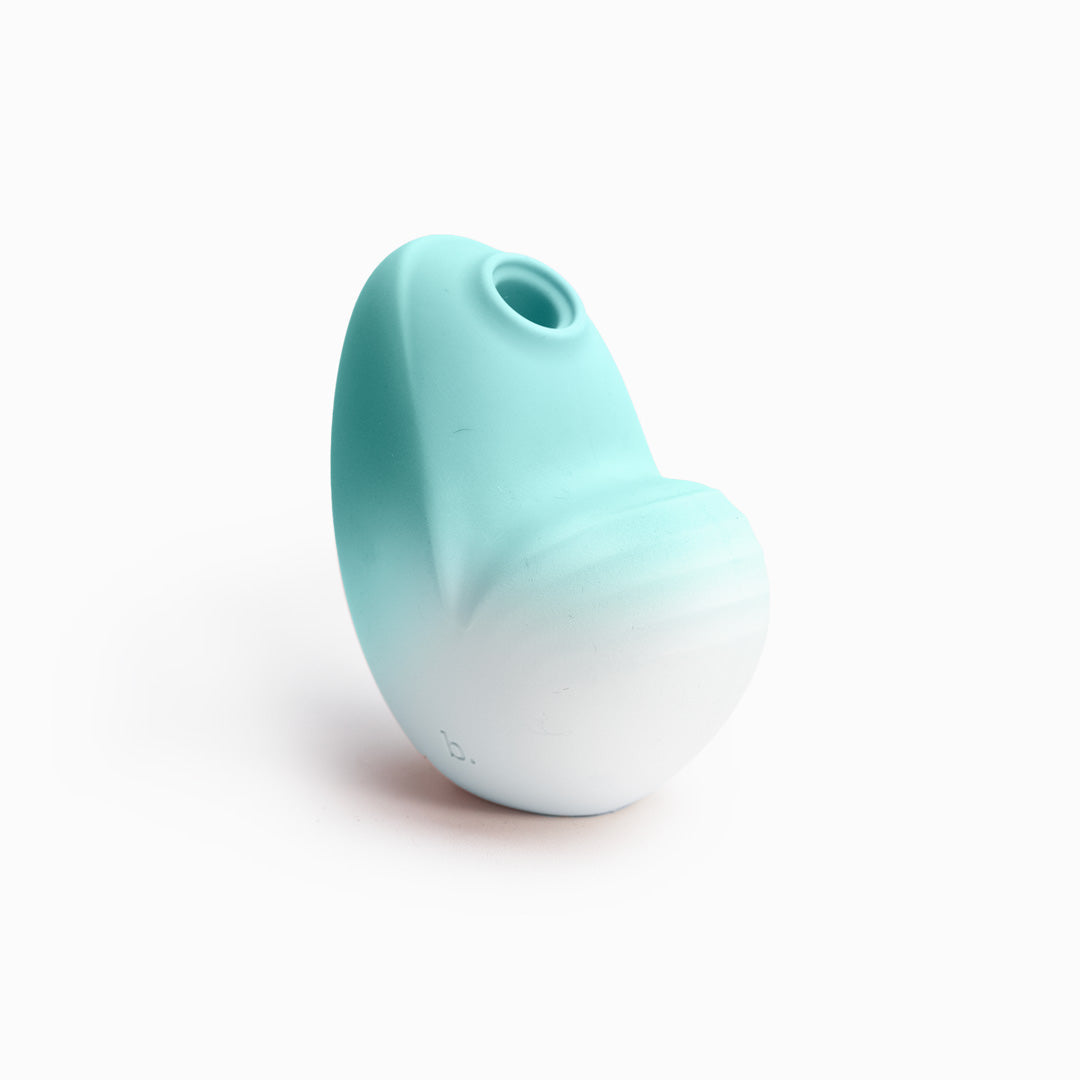
For those navigating joint pain or mobility changes that come with age, a Lolly mini wand with its flexible, easy-grip design can be a genuinely practical solution. Sometimes the right tool removes a physical barrier you didn't even realize was limiting you.
When It's a Solo Journey (And Why That's Completely Valid)
Not everyone enters their 60s with a partner. Widowhood, divorce, simply being single by choice. All of it is real, and all of it deserves acknowledgment without the cultural pity that usually tags along.
Solo sex is sex. Full stop. Masturbation in your 60s keeps pelvic floor muscles active, supports vaginal health by increasing blood flow to genital tissue, and provides the emotional release and stress relief that intimacy always has. Research from University of California, Los Angeles found that regular sexual activity is linked to less genital dryness and discomfort over time. Use it or lose it isn't just a gym metaphor.
Your pleasure is yours, independent of whether anyone else is in the room.
Health Conditions, Medications, and the Honest Conversation
Chronically managing health in your 60s is common, and certain medications genuinely do affect sexual function. Antidepressants, blood pressure medications, and some diabetes treatments can reduce libido or make arousal more difficult. This doesn't mean you have to accept a diminished sex life as a side effect forever.
Talk to your doctor. Ask specifically about sexual side effects. Ask about alternatives if what you're taking is interfering with intimacy. A good provider will take this seriously because sexual well-being is part of overall well-being, not a luxury feature. And if joint pain is part of your daily reality, our piece on sex positions and tips for joint pain offers genuinely practical ideas that most people never think to look for.
The Mindset Shift That Makes All the Difference
The biggest barrier to great sex in your 60s isn't physical. It's the story you're telling yourself about who gets to have pleasure at this age.
We live inside a culture that equates sexuality with youth in embarrassingly reductive ways. That framing is not truth. It's just marketing. People in their 60s bring something to intimate experiences that genuinely can't be faked: self-knowledge, reduced anxiety about performance, and often the first real freedom from the pressures that haunted sex in earlier decades. The fear of pregnancy is gone for most. The desperate need for external validation has softened. What's left is the actual experience of being present with another person, or with yourself, without all that noise.
That's not a consolation prize. That's a genuine upgrade.
Bottom Line
Sex in your 60s is a completely different landscape than it was in your 30s. Different doesn't mean lesser. It means you need new tools, honest conversations, and permission to want what you want without apologizing for it.
Your desire is valid. Your pleasure is worth pursuing. And anyone who tells you otherwise is working from a script that was never written with you in mind.
Want to make your journey even more exciting? I've handpicked some amazing toys and goodies at Hello Nancy that'll add extra sparkle to your intimate moments. (Here's a little secret. Use 'dirtytalk' for 10% off!)
Frequently Asked Questions
Is it normal to still want sex in your 60s?
Completely normal. Research consistently shows that adults remain sexually active well into their 70s and 80s, and that many people in their 60s report satisfying, fulfilling sex lives. Desire doesn't have an expiration date.
What causes decreased libido in your 60s and what can you do about it?
Decreased libido in your 60s is most commonly driven by hormonal changes, certain medications, chronic health conditions, or psychological factors like stress and relationship dynamics. Addressing the root cause with your doctor, exploring hormone therapy options, adjusting medications, and prioritizing intimacy as a conscious practice can all make a significant difference.
How do you deal with vaginal dryness during sex after 60?
Water-based or silicone-based lubricants are the most immediate solution. For ongoing dryness, vaginal moisturizers used regularly and vaginal estrogen prescribed by a healthcare provider can rebuild tissue health over time. Don't push through pain. That's a problem with a solution.
Can sex toys help with sexual pleasure after 60?
Yes, and genuinely so. Vibrators and clitoral stimulators are especially effective when arousal takes longer or requires more direct stimulation than before. They're tools for pleasure, not replacements for connection, and they work brilliantly for both solo and partnered use.
Does erectile dysfunction become inevitable after 60?
Not inevitable, but it is more common. Many people experience changes in erection quality, timing, or firmness after 60 due to lower testosterone, cardiovascular factors, or medications. These are highly treatable. Speaking to a doctor about options including medications, lifestyle changes, or therapy is absolutely worth doing.
How can couples rekindle intimacy in their 60s when desire has changed?
Start with honest conversation about what each person actually wants and enjoys now, not a decade ago. Expand the definition of sex beyond intercourse. Try new forms of touch, schedule intentional time for intimacy, and consider seeing a sex therapist together if communication feels stuck. Small shifts can unlock enormous warmth.
Is masturbation healthy for people in their 60s?
Very much so. Regular masturbation supports vaginal tissue health, pelvic floor muscle activity, blood flow, and emotional well-being. It's a legitimate form of sexual expression and self-care at every age.
Can medications affect your sex life after 60, and what should you do?
Yes. Antidepressants, blood pressure medications, and certain diabetes drugs are among the most common culprits for reduced libido or arousal difficulties. Bring this up directly with your prescribing doctor. There are often alternatives or adjustments that preserve your sexual health without compromising your other health goals.