Add $12.00 to get Free Gift


Nobody handed us a manual for this. And honestly, most of what we "learned" about squirting came from somewhere we probably shouldn't have been watching at 16.
Female ejaculation, or squirting, is one of the most misunderstood and gloriously misrepresented parts of sexual pleasure. Research suggests that somewhere between 10% and 69% of people with vulvas have experienced it, with a 2022 literature review pointing to roughly 40% of women in the U.S. having squirted at least once (Healthline, 2022). That's a wide range. And that range tells you everything. It's deeply individual, often inconsistent, and absolutely not a performance target.
This guide is for partners who genuinely want to explore this together. Not to "make it happen" like a party trick. But to create the right conditions, the right trust, and the right techniques so that if squirting is in the cards for your partner, you've given it every possible chance.
First, Let's Get the Anatomy Right

Squirting happens when the Skene's glands (sometimes called the female prostate) are stimulated enough to release fluid through the urethra. These glands sit on the anterior (front) wall of the vagina, which is exactly where the G-spot lives. The G-spot isn't so much a specific button as a region of spongy, sensitive tissue that becomes more engorged with arousal.
Here's where people go wrong.
Most partners go hunting for the G-spot before the body is even remotely ready. That anterior wall is far more responsive once blood has rushed to the area, which only happens with extended, genuine arousal. Skipping the warm-up isn't just disappointing. It's anatomically counterproductive.
What Squirt Actually Is
The fluid released during squirting comes primarily from the bladder and the Skene's glands. It tends to be clear or slightly milky and has a different composition to urine, containing PSA (prostate-specific antigen) and other secretions. Many people feel the urge to pee right before it happens. That sensation is normal. Reassuring your partner about this in advance removes a huge psychological barrier.
Building the Environment Before You Even Touch Anyone
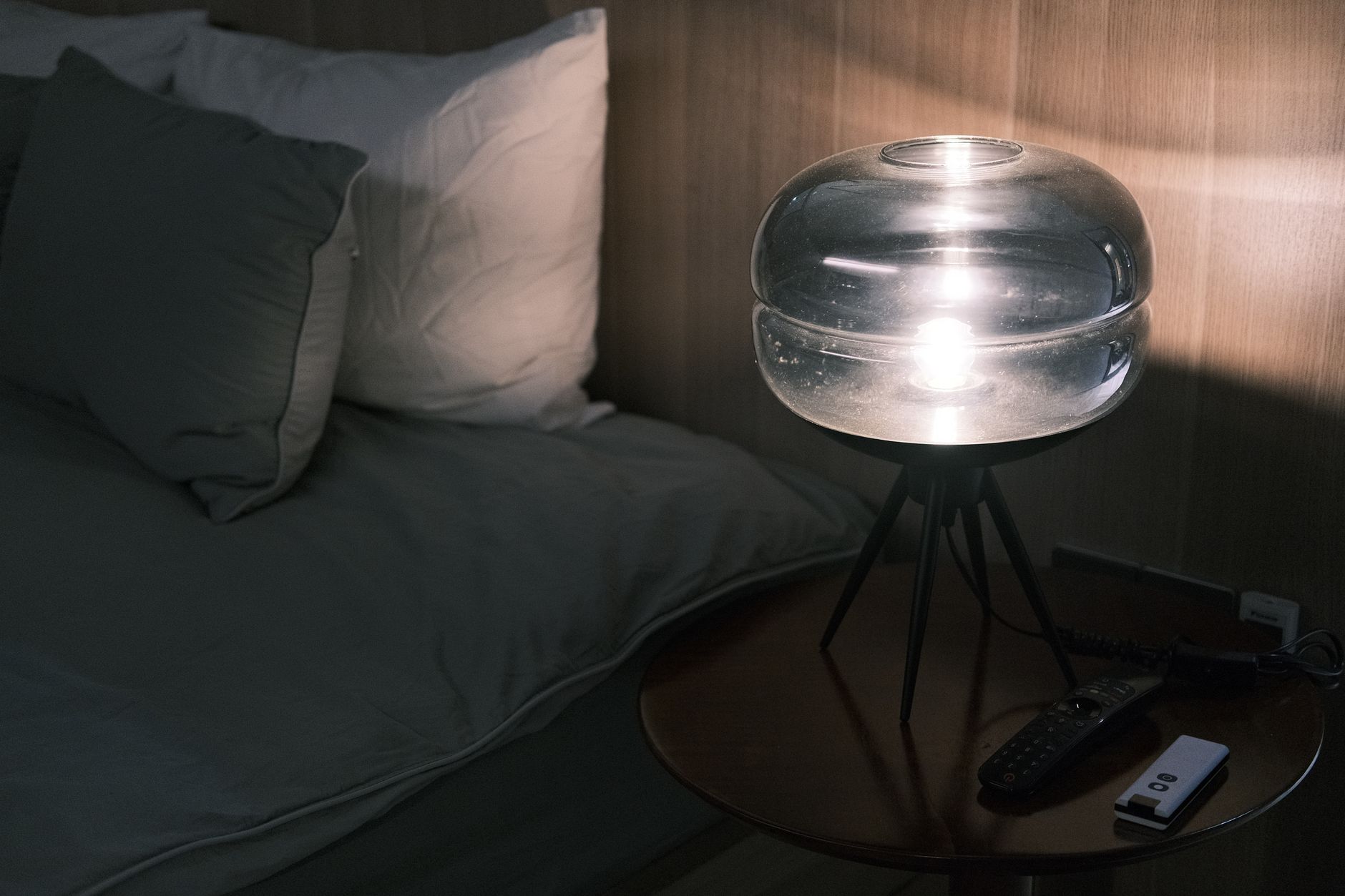
Anxiety is the number one enemy of squirting. Full stop.
When someone is tense, worried about making a mess, or performing for their partner's benefit, the body closes up. Arousal requires a parasympathetic nervous system state. Basically, your partner's brain needs to feel completely safe before their body will go anywhere interesting. This means a conversation beforehand. Not a clinical debrief. Just something warm and honest like, "I want this to feel good for you, no pressure, we're just exploring." Put a towel down. Take the mess off the table as a concern.
Consent and Communication Come First
Check in. Actually ask your partner if they want to explore this. Not every person with a vulva is curious about squirting, and that's completely fine. If they're genuinely interested, decide together that the goal is pleasure and connection, not a specific outcome. The moment squirting becomes something your partner feels they owe you, the whole dynamic shifts in a bad direction.
The Step-by-Step Guide to Helping Your Partner Squirt
Step 1: Prioritize Extended Arousal (At Least 20-30 Minutes)
Start with everything except the G-spot. Kiss, touch, use your mouth, explore the whole body. The goal here is to get your partner so aroused that the G-spot area begins to swell and fill with blood. This is when G-spot stimulation actually feels good rather than just pressureful or strange. Think of this phase as charging the battery. Nothing happens without it.
Step 2: Use External Clitoral Stimulation First
External clitoral stimulation sends blood rushing to the entire vulvar area, including those Skene's glands. Use fingers, a tongue, or a quality clitoral vibrator to bring your partner close to orgasm without pushing them over the edge. This is called edging, and it's one of the most underrated tools in this entire process. The Berri edging clitoral massager is genuinely built for exactly this kind of slow, deliberate build.
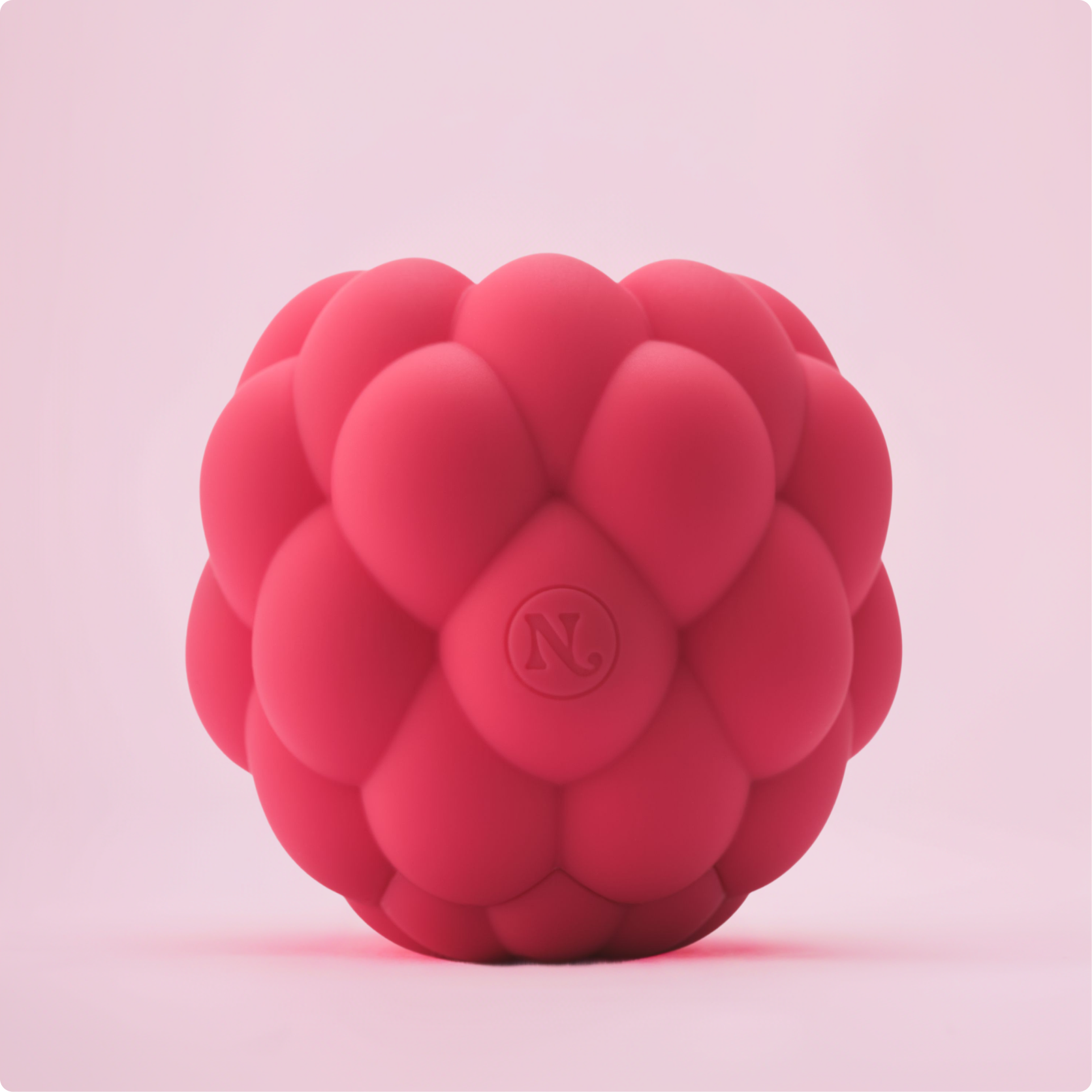
Edging primes the Skene's glands for stimulation in a way that rushing straight to internal touch simply cannot replicate. Think of it as foreplay's foreplay.
Step 3: Introduce Internal G-Spot Stimulation
Insert one or two fingers (palm up) and curl them toward the belly button in a "come hither" motion. You'll find a slightly ridged or spongy patch of tissue on the front wall, usually 2-3 inches inside the vagina. When your partner is fully aroused, this area will feel noticeably different to the surrounding tissue. Apply firm, rhythmic pressure. Not jackhammer speed. Consistent, deliberate pressure. Many people respond best to a "pressing and releasing" rhythm rather than constant friction.
Step 4: Combine Internal and External Stimulation
This is where things change.
Simultaneous G-spot stimulation and clitoral stimulation is the most effective combination for squirting. Use your free hand, your mouth, or a toy to maintain clitoral pressure while your fingers work internally. Couples toys are brilliant for this because they free up both of your hands for other things entirely. A clitoral suction toy like the Namii 2 worn externally while you stimulate internally creates exactly the kind of dual-pressure environment that makes squirting far more likely.
Step 5: Address the "I Need to Pee" Moment
When your partner says they feel like they need to urinate, don't stop. Encourage them to lean into it. This is the exact sensation that precedes squirting for most people. Many people unconsciously clench and hold back at this point, killing the build. Let your partner know beforehand that the sensation is normal, that you've put a towel down, and that letting go is completely okay. This single piece of reassurance changes everything.
Step 6: Increase Pressure and Rhythm at the Right Moment
As your partner gets closer, increase the pace and pressure of G-spot stimulation slightly. Don't suddenly switch techniques. Keep doing what's working, just with more intensity and consistency. Some people squirt with a big release; others experience a smaller, quieter flow. Both are real. Both count.
If It Doesn't Happen, That's Not a Failure
Not every body squirts, even with perfect technique and all the right conditions. Anatomy varies. The density of Skene's gland tissue differs from person to person. Some people with vulvas may have less pronounced glandular tissue, which means squirting simply isn't in their physiological range regardless of how good the stimulation is. That is not a problem. A body that experienced deep pleasure, felt safe, and had a great time is a success regardless of what fluids went where.
Pleasure is always the goal. Squirting is just one possible expression of it.
If you want to explore vibrators for women that make G-spot and clitoral stimulation easier to achieve solo or with a partner, the range is genuinely worth exploring. A dedicated G-spot vibrator like the Gii Glow gives you a curved, precise tool that does a lot of the anatomical work for you. For anyone curious about why orgasm can feel elusive, it's worth reading up on the broader picture too.
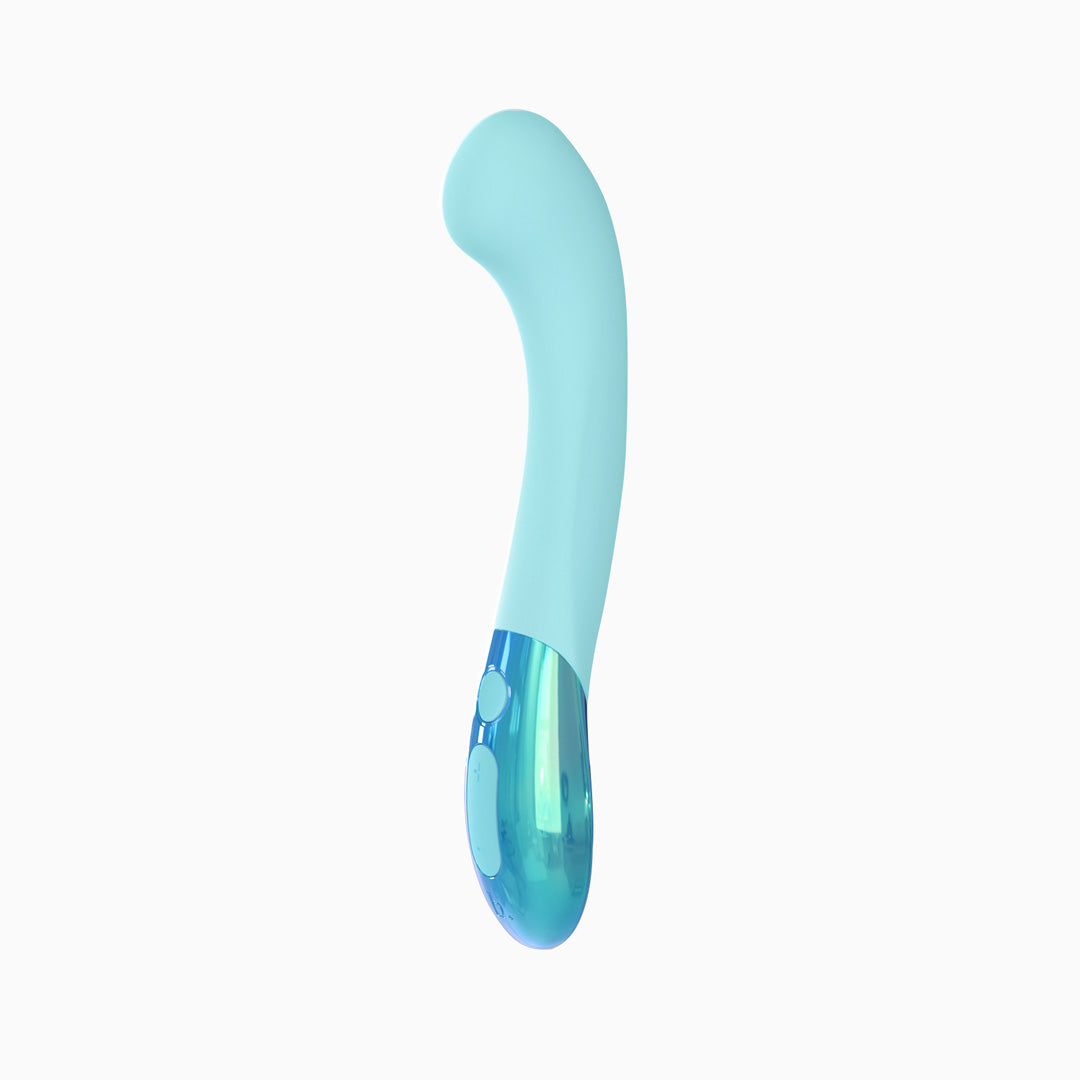
The Gii Glow's gentle curve targets that anterior wall directly, making it a genuinely useful companion for anyone exploring this territory, either solo or together.
Common Mistakes That Get in the Way
Rushing is the biggest one. The second biggest is treating this like a goal-oriented task rather than a shared experience. A close third is forgetting that lubrication matters. Internal friction without enough natural lubrication or added lube isn't just uncomfortable. It actively prevents the kind of relaxed arousal state the body needs. Use a good water-based lube, and use more of it than you think you need.
Pressure kills pleasure.
If either of you feels like this is a test being graded, the arousal will stall. Check in verbally during the experience. Ask what feels good. Adjust. Be curious rather than clinical.
Wrapping Up
Here's what I want you to take from this. Helping your partner squirt is less about technique and more about trust. The steps matter, yes. The anatomy matters. But the single biggest variable is whether your partner feels completely relaxed, completely seen, and completely free to let go. Build that first. The rest follows naturally. And if it doesn't happen this time, the process of getting there is genuinely, unreservedly worth it on its own.
Want to make your journey even more exciting? I've handpicked some amazing toys and goodies at Hello Nancy that'll add extra sparkle to your intimate moments. (Here's a little secret. Use dirtytalk for 10% off!)
Frequently Asked Questions
Can everyone with a vulva squirt?
Not necessarily. Research suggests that anatomical differences in Skene's gland density mean that some people simply have less glandular tissue capable of producing ejaculatory fluid. It's not a technique problem or a desire problem. It's just anatomy, and it varies widely from person to person.
Is squirting the same as urinating?
Not exactly, though the fluid does pass through the urethra and the bladder is involved. Studies have found that squirt contains PSA (prostate-specific antigen) secreted by the Skene's glands along with diluted urine. It's a distinct physiological event, not simply urination triggered by stimulation.
What does the urge to pee during G-spot stimulation mean?
It means you're doing it right. The G-spot sits very close to the bladder wall, so deep pressure in that area creates a sensation that closely mimics needing to urinate. This feeling often signals that squirting is close. Leaning into that sensation rather than tensing up is key.
How long does it typically take to make a partner squirt?
There's no fixed timeline, but most people with vulvas need at least 20 to 30 minutes of arousal before G-spot stimulation becomes genuinely pleasurable. Some may need longer. Skipping the warm-up phase is the most common reason it doesn't happen, so patience is genuinely part of the technique.
Does squirting always happen with orgasm?
Not always. Some people squirt at the peak of orgasm, while others experience ejaculation separately from, or just before, the orgasmic peak. A small number of people report squirting without a clearly defined orgasm at all. The two are related but not identical processes.
What is the best position for G-spot stimulation to help squirting?
Positions where the receiving partner lies on their back with hips slightly elevated give the giving partner the best angle for anterior wall stimulation with fingers or a curved toy. A pillow under the hips shifts the angle just enough to make a real difference. Doggy-style can also work for some anatomies.
Can you squirt from clitoral stimulation alone?
It's possible for some people, though less common than squirting from combined G-spot and clitoral stimulation. The internal root of the clitoris extends toward the Skene's glands, so intense external stimulation can indirectly engage that tissue in some anatomies. Most people find the combination approach far more reliable.
Does using a vibrator help with squirting?
Yes, especially a curved G-spot vibrator or a dual-action toy that targets both internally and externally at once. Toys maintain consistent pressure and rhythm in a way hands alone can struggle to sustain, which is often exactly what the body needs to get over the edge.
Is it normal to feel embarrassed about squirting?
Completely normal, and very common. Cultural messaging around bodies and fluids creates a lot of shame that has nothing to do with the actual experience. Talking about it with your partner beforehand, and normalizing the mess together, tends to dissolve most of that anxiety quickly.