Add $12.00 to get Free Gift


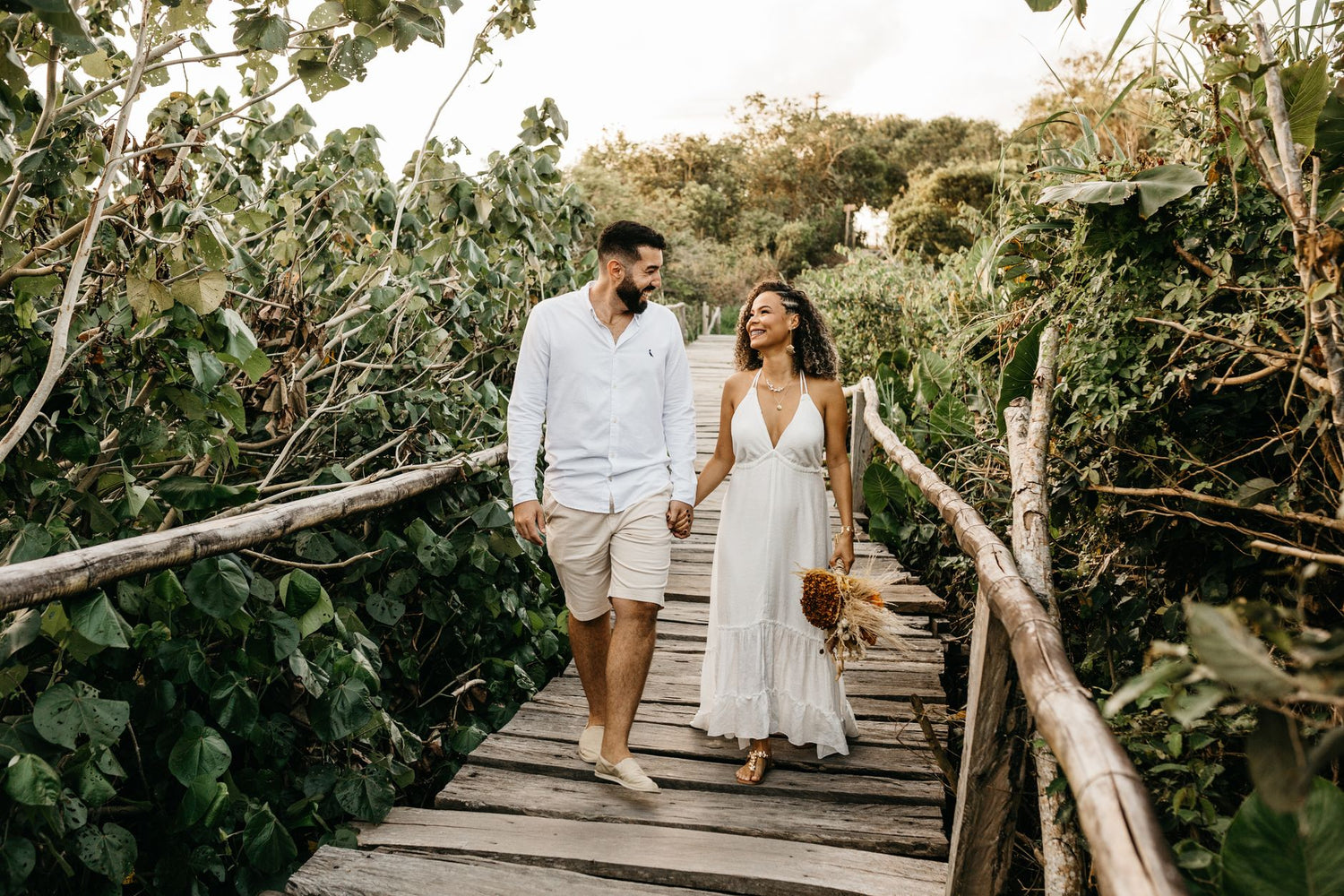
Somebody should have warned us that the best feeling in the world has an expiration date.
That stage where everything about your partner is perfect. Where texts make your stomach flip. Where you genuinely cannot believe someone this wonderful chose you. Yeah. That one. Turns out it runs on a timer, and most of us have absolutely no idea when the clock started or when it'll stop.
The honeymoon phase is real, it's neurochemical, and it ends. But here's the thing nobody puts in the headline: how long it lasts is way more variable than anyone tells you.
What Even Is the Honeymoon Phase, Exactly?
The honeymoon phase is the early period of a romantic relationship where the brain is essentially flooding itself with feel-good chemicals. Dopamine, oxytocin, norepinephrine. Your brain literally looks like it's on stimulants during this time.
Researchers call it "limerence" or "new relationship energy." Most of us just call it being absolutely feral about someone.
You overlook flaws. You prioritize them above everything. You find their weird little habits adorable instead of mildly infuriating. That's not love being blind. That's your neurochemistry doing the heavy lifting while your critical thinking takes an extended vacation. The thing is, this state is purposeful. Evolutionarily, it pushes us toward bonding and reproduction. It's biological glue. Beautiful, temporary, biological glue.
So, How Long Does It Actually Last?

Here's where it gets interesting.
Most relationship experts traditionally placed the honeymoon phase at somewhere between three to six months. That's the old-school consensus. Short, sweet, and slightly devastating if you've been counting. But a 2015 study out of New York University found that for some couples, that blissful early-relationship buzz can actually stretch to around 24 months. And research cited by Prevention Science suggests the upper limit might sit closer to 30 months for couples who nurture the connection actively. That's two and a half years of genuine, science-backed giddiness, which honestly feels more hopeful than the "six months and you're done" narrative we grew up hearing.
The wide range exists because the honeymoon phase isn't a fixed countdown. It shifts based on how often you see each other, how emotionally available both partners are, whether conflict emerges early, and how much novelty you continue to create together.
Short answer? Somewhere between three months and two and a half years. Which is... not exactly a tight window.
What's Actually Happening in Your Brain

Dopamine is the headline act. It surges when you anticipate seeing your partner, when they text back, when you catch them looking at you across a room.
But dopamine peaks and then declines. That's not a flaw. It's how the brain works. It cannot sustain peak excitement indefinitely without burning out completely. Think of it as your brain running a spectacular but unsustainable fireworks show.
Oxytocin, though, is the quieter, longer-lasting player. It builds through physical touch, shared experiences, vulnerability, and time. Unlike dopamine, oxytocin actually strengthens as a relationship deepens. So what happens after the honeymoon phase isn't the end of love. It's the beginning of a different, arguably richer kind. The kind that shows up with soup when you're sick and remembers exactly how you take your coffee. That shift can feel like a loss if you don't recognize it for what it is: an upgrade.
Signs Your Honeymoon Phase Is Winding Down
Recognizing the shift matters more than dreading it.
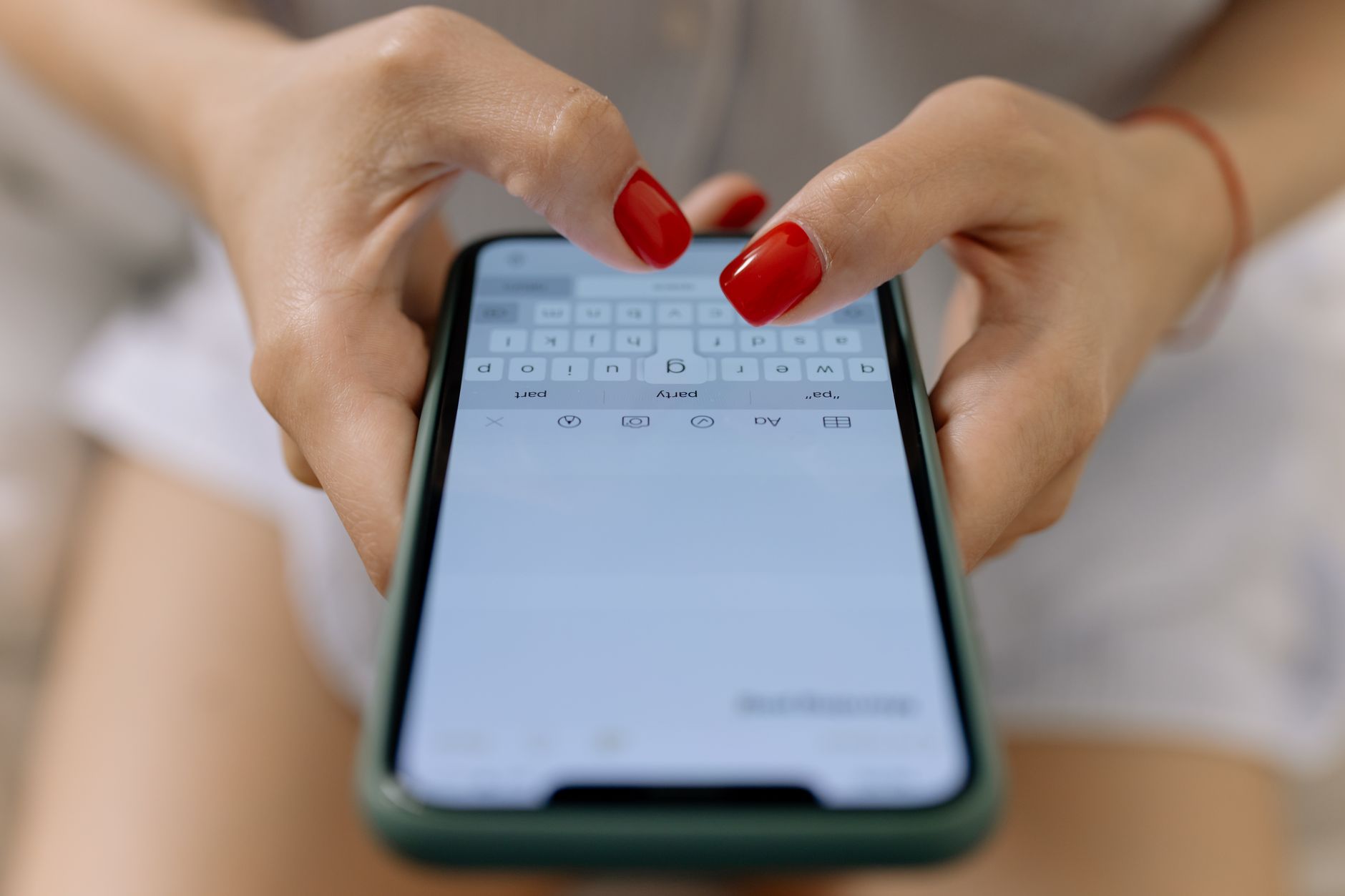
You start noticing their little quirks are just... quirks. Not adorable features of a perfect person. Just things they do. You don't text constantly anymore, not because interest is fading, but because you're building actual lives alongside each other. Compliments become less frequent but somehow more meaningful when they arrive. You stop rehearsing conversations before having them, because you've got enough history now to just... talk. The fantasizing about every possible future softens into actual planning, actual compromise, actual real-life logistics like whose family you visit for the holidays. None of this means the love is leaving. It means it's landing.
If you find yourself panicking at this stage, that's common. A lot of us mistake the end of the honeymoon phase for the beginning of incompatibility. It isn't.
What Shortens the Honeymoon Phase
Certain things accelerate the timeline faster than others.
Moving in together early is one of the biggest. Daily proximity is beautiful, but it removes the anticipation that fuels the dopamine loop. Suddenly you're seeing each other at your actual worst, not your curated best. Unresolved conflict also chips away at the phase quickly, because the brain starts associating the partner with stress rather than reward. Financial pressure, family interference, or major life disruptions all hit the neurochemical brakes faster than normal relationship progression would.
None of these are death sentences for the relationship. But they do mean that for some couples, the honeymoon phase is shorter, not because the love is lesser, but because life got louder.
Can You Make It Last Longer?
Actually, yes.
Novelty is the single biggest lever. The brain responds to new experiences the same way it responds to a new relationship. Doing something genuinely new together, travel, a class, an activity neither of you has tried, reactivates the dopamine pathways that make early love feel electric. It's why adventurous couples who keep pushing their comfort zone together often report that their relationship feels fresher, longer.
Physical intimacy matters too. Not just sex, but touch. Long hugs, spontaneous physical contact, sleeping close. Oxytocin released through touch is one of the most effective ways to maintain the emotional high of early love well into a longer relationship. If you want to keep things exciting in that department, quality couples toys can absolutely help reintroduce novelty and playfulness into your intimate life. Curiosity about your partner's inner world, ongoing flirtation, and simply choosing to look for what's wonderful about them rather than what irritates you. These aren't magic. They're maintenance. And they genuinely work.
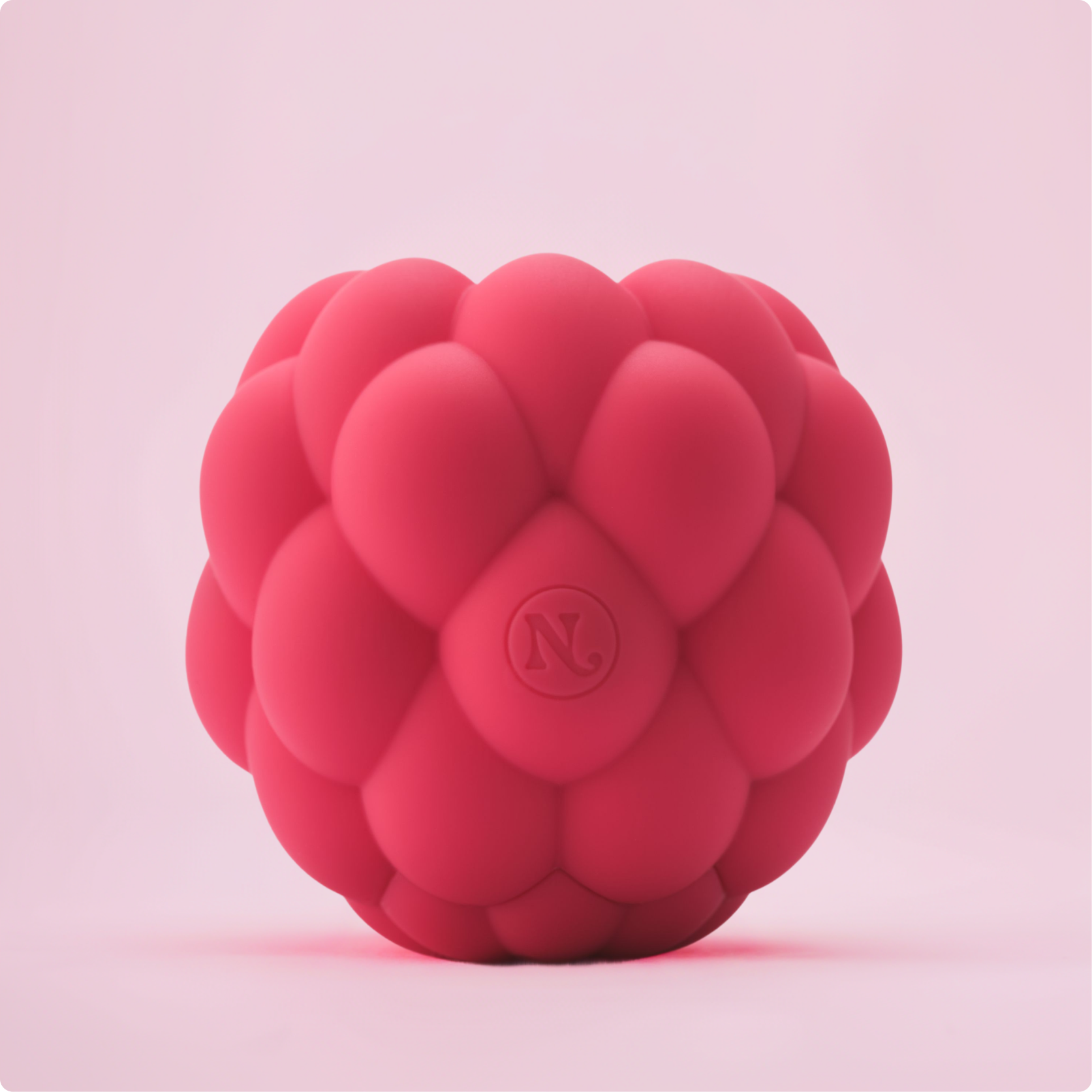
Physical intimacy is also where many couples quietly let things slip. After the honeymoon phase, sex can become less spontaneous and more scheduled, which isn't bad in itself, but losing playfulness and exploration is. The Berri Edging Clitoral Massager is a brilliant way to reintroduce that teasing, discovery-led energy into your time together.
The couples who keep things fresh aren't lucky. They're intentional.
What Comes After: The Part Nobody Glamourises
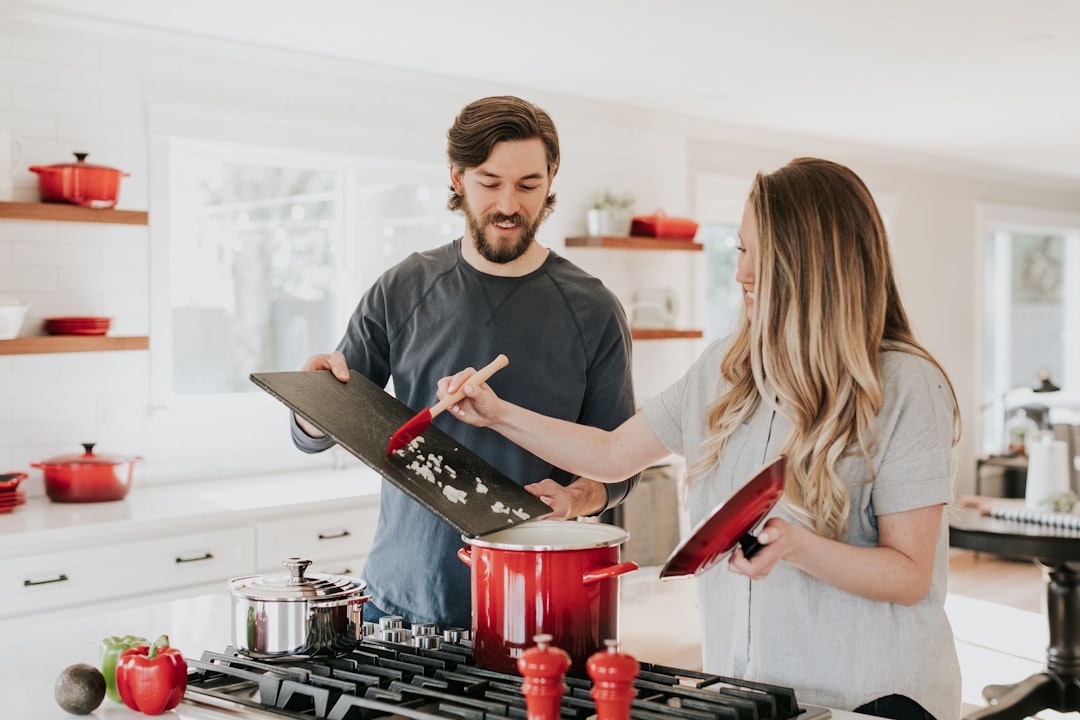
Post-honeymoon love is quieter. And it is genuinely underrated.
It's the love that shows up in a cup of tea on a bad day. It's knowing someone's laugh before the punchline. It's being comfortable enough with your partner that you're not performing for them anymore. The stakes feel lower but the roots go deeper. That's not a consolation prize. That's the real thing.
Researchers who study long-term relationship satisfaction consistently find that couples who move through the honeymoon phase consciously, who understand what's happening neurologically and choose to co-create the next stage, report higher relationship quality than those who either panic at the shift or pretend it isn't happening.
The end of the honeymoon phase is not a breakup waiting to happen. It's a promotion.
Wrapping Up
Somewhere between three months and two and a half years, that giddy, heart-racing, texting-at-2am feeling starts to settle. Not disappear. Settle. It roots itself differently, grows slower, holds firmer. The honeymoon phase ending is your relationship asking: okay, what are we actually building here? That question isn't scary. It's the whole point.
If you're in it right now, soak it up. If you're past it, look at what's still there. You might be surprised by how much has quietly, beautifully grown in its place. Keep investing in physical connection and intimacy. Explore vibrators for women or shared play experiences that bring back that sense of discovery. And remember, desire is a practice, not just a phase.
Want to make your journey even more exciting? I've handpicked some amazing toys and goodies at Hello Nancy that'll add extra sparkle to your intimate moments. (Here's a little secret. Use 'dirtytalk' for 10% off!)
Frequently Asked Questions
How long does the honeymoon phase last on average?
Most relationship experts put the honeymoon phase at three to six months, but research suggests it can last up to 24 to 30 months for some couples. The range is wide because it depends heavily on how often partners see each other, how much novelty they create, and how early real-life stress enters the picture.
Is it normal for the honeymoon phase to end quickly?
Completely normal. Moving in together early, major life stressors, or unresolved conflict can all shorten the phase. A shorter honeymoon period doesn't reflect how strong or lasting the relationship will be. It just means you arrived at the next chapter sooner.
What happens to a relationship after the honeymoon phase ends?
The relationship moves from neurochemical infatuation into attachment-based love, which is driven more by oxytocin than dopamine. Things feel calmer, more secure, and less electric. That's not a red flag. It's the foundation of long-term connection forming underneath the excitement.
Can you extend the honeymoon phase in a relationship?
Yes. Novelty is the most powerful tool. Trying new experiences together, maintaining physical affection, staying genuinely curious about your partner, and prioritising playfulness in your intimate life all help sustain the neurological conditions that make early love feel so good.
Does the honeymoon phase end in every relationship?
Yes, in every relationship. The neurochemical state of early love cannot be sustained indefinitely. What follows is not lesser love. It's a different kind of love that, with intention, can be deeply fulfilling in its own right.
What are the signs that the honeymoon phase is over?
You stop texting constantly, their quirks feel less magical and more just... human, compliments get rarer, and you're thinking about practical future logistics rather than daydreaming. None of these are alarming. They're signs the relationship is becoming real rather than just romantic.
How does the honeymoon phase affect long-term relationship satisfaction?
Couples who understand the honeymoon phase neurologically and actively co-create the next stage together tend to report higher long-term satisfaction. The transition is smoother when both partners recognise it as evolution, not erosion.
Is the honeymoon phase the same as limerence?
They're closely related. Limerence is the psychological term for the obsessive, intrusive thinking about a romantic interest that often characterises the early phase. The honeymoon phase is broader, including the general emotional high of a new relationship. Limerence is one intense ingredient inside it.