Add $12.00 to get Free Gift



Somewhere along the way, we decided that solo pleasure in a relationship is a red flag. It isn't. Not even close.
The idea that your partner masturbating means something is wrong between you two is one of the most persistent myths in modern relationships. And it quietly does a lot of damage. Let's talk about why it needs to go.
The Myth That Solo Pleasure Means Something Is Missing

Here's where the logic breaks down completely. We don't assume that a person who eats a snack alone is rejecting their partner's cooking. We don't assume that someone who goes for a solo walk hates spending time with their person. Yet the moment masturbation enters the picture, suddenly it becomes evidence of dissatisfaction.
That's not fair.
Solo pleasure and partnered sex meet completely different needs. One is about connection, intimacy, shared energy. The other is about knowing yourself, your rhythm, your body without negotiation or performance pressure. Both things can exist in a healthy relationship at the exact same time. In fact, they should.
Sexuality researcher Dr. Gail Saltz has stated clearly that masturbation is a normal, healthy part of a person's sex life regardless of relationship status, and that no one should feel guilty about it (Saltz, G., as cited in Today Health, 2012). That framing matters because guilt is precisely what gets in the way of honest conversations between partners.
What Your Partner's Solo Sessions Actually Say About You

Spoiler: they say nothing bad.
When your partner takes time for self-pleasure, they are practicing self-awareness. They're learning what feels good for them, which means they can show up better for both of you when you're together. Research published in the International Journal of Sexual Health found that mutual masturbation within relationships is associated with higher sexual satisfaction and stronger sexual self-esteem (McClelland & Hunter, 2023). The solo version works the same muscle.
Think about what that actually means in practice. A partner who knows their own body communicates better in bed. They're more confident. They're less dependent on you to regulate their entire sexual experience, which, honestly, takes a pressure off you too. This is a good thing from every angle.
Why You Should Be Doing It Too
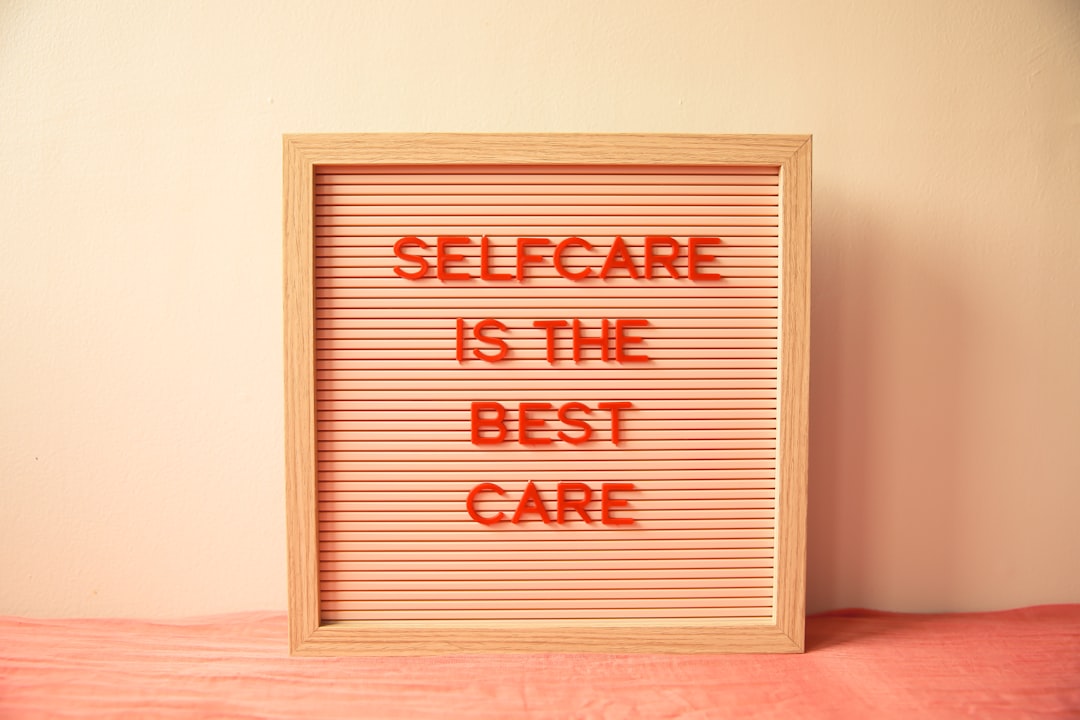
Let me be direct: solo pleasure isn't just allowed. It's genuinely good for you.
Masturbation releases a cascade of feel-good neurochemicals, including dopamine, oxytocin, and endorphins. The Cleveland Clinic notes that regular masturbation is linked to better sleep, reduced stress, relief from menstrual cramps, and even improved mood. For people with vulvas specifically, it increases the likelihood of orgasm during partnered sex too, because you've already done the groundwork of understanding your own responses.
And yet so many people in long-term relationships quietly stop. They feel like they shouldn't need it anymore. They worry their partner will feel replaced. So they suppress a completely healthy part of their sexuality and quietly wonder why they feel disconnected from their own body.
That disconnection is the actual problem. Not the solo pleasure.
If you've been wanting to explore what feels good for you again, clitoral vibrators are one of the most popular and accessible starting points. No pressure, no performance, just getting reacquainted with yourself on your own terms. ✨
The Berri Edging Clitoral Massager is genuinely brilliant for this, by the way. It's designed specifically for building sensation slowly and learning what kind of stimulation your body actually responds to.

Solo time with the right toy teaches you things about your own pleasure that partnered sex alone rarely can. And that knowledge? It comes right back into the relationship with you.
When It Becomes a Real Conversation Worth Having

None of this means every masturbation-related feeling is off-limits.
There is a meaningful difference between a partner masturbating as part of a healthy, whole sexuality and a partner using solo sex to completely opt out of intimacy with you. If the solo sessions are replacing connection rather than coexisting alongside it, that's worth exploring together. Not as an accusation, but as a curiosity. "Hey, I've noticed we haven't been as physically connected lately. Can we talk about that?" goes a lot further than "Are you watching porn instead of being with me?"
The goal is honest communication, not surveillance.
If anxiety is affecting your sex life, that's often what's underneath these conversations anyway. The jealousy, the insecurity, the feeling that you're being replaced. Those are emotional signals worth listening to, not evidence that your partner is doing something wrong.
Making Space for Both: Solo and Shared Pleasure

The healthiest relationships treat both partners as whole sexual people, not just each other's accessories.
That means giving each other room to have a private inner world. Room to explore. Room to feel pleasure that isn't always about the other person. Counterintuitively, that space is what keeps desire alive long-term. The couples who stay curious and autonomous tend to report higher satisfaction over time than those who fuse entirely. You want a partner, not a reflection.
Some couples even choose to explore solo pleasure together, side by side or through couples toys that let both partners feel stimulated simultaneously. That kind of shared vulnerability is genuinely intimate and often more connecting than "standard" sex. If you've never tried it, the conversation alone is worth having.
You can also think about vibrators for women as tools for both solo exploration and partnered play. They're not either/or. They're both/and.
Wrapping Up
Your pleasure doesn't disappear just because you're in a relationship. And neither does your partner's. Masturbation isn't a symptom of a problem. It's a sign of someone who takes their own body seriously, which is exactly the kind of person worth being with.
Give yourself and your partner permission to be full, curious, self-aware sexual people. That's not a threat to your relationship. That's the foundation of one.
Want to make your journey even more exciting? I've handpicked some amazing toys and goodies at Hello Nancy that'll add extra sparkle to your intimate moments. (Here's a little secret — use 'dirtytalk' for 10% off!)
Frequently Asked Questions
Is it normal for my partner to masturbate even though we have a healthy sex life?
Completely normal. Solo pleasure and partnered sex serve different purposes. Masturbation is about personal self-knowledge and stress relief, while partnered sex is about connection and shared intimacy. The two coexist naturally in most healthy relationships.
Should I feel insecure if my partner masturbates?
Not inherently. Your partner masturbating is not evidence that you're not enough. If insecurity comes up, it's worth exploring where that feeling actually comes from, whether it's about trust, communication, or your own relationship with your body.
Does masturbating while in a relationship reduce sexual desire for your partner?
For most people, no. Regular masturbation actually maintains sexual awareness and keeps desire active. The exception would be if someone is using solo sex compulsively to avoid intimacy entirely, which is a separate issue worth discussing openly.
How do I talk to my partner about masturbation without it becoming awkward?
Approach it with curiosity rather than accusation. Framing it around your own experience works well, something like "I've been thinking about how we each take care of our own needs" rather than "I know you do this." Normalizing the conversation is the first step to making it feel natural.
What are the benefits of masturbation for people in long-term relationships?
Better body awareness, reduced stress, improved sleep, and higher likelihood of orgasm during partnered sex are all documented benefits. For long-term couples especially, maintaining a personal relationship with your own sexuality helps keep individual desire alive.
Is it okay to use sex toys when masturbating while in a relationship?
Absolutely. Toys are tools for self-exploration. Using one doesn't imply anything about your relationship. Many couples actually discover they enjoy using toys together after one partner starts using them solo, because it opens up conversations about what feels good.
Can mutual masturbation improve intimacy between partners?
Yes. Masturbating together creates a uniquely vulnerable form of intimacy because you're showing your partner exactly how you experience pleasure. Research has linked mutual masturbation in relationships to higher sexual satisfaction and stronger sexual self-esteem for both partners.
When does a partner's masturbation become a relationship problem?
It becomes worth discussing when it consistently replaces rather than supplements partnered intimacy, or when it's linked to compulsive porn use that's shaping unrealistic expectations. The issue isn't the solo pleasure itself but what it's substituting for or what patterns surround it.