Add $12.00 to get Free Gift



Your brain picked the absolute worst moment to spiral. You're in bed, the mood is there, and then. That familiar tightening. That mental noise that turns a tender moment into an internal performance review nobody asked for.
Anxiety during sex is more common than most people ever admit out loud. Research published in the Journal of Sexual Medicine found that sexual performance anxiety affects between 9 and 25% of men and 6 to 16% of women. Those numbers represent a lot of people lying awake feeling like something is broken inside them. Nothing is broken. But something does need addressing.
What's Actually Happening in Your Body When Anxiety Shows Up
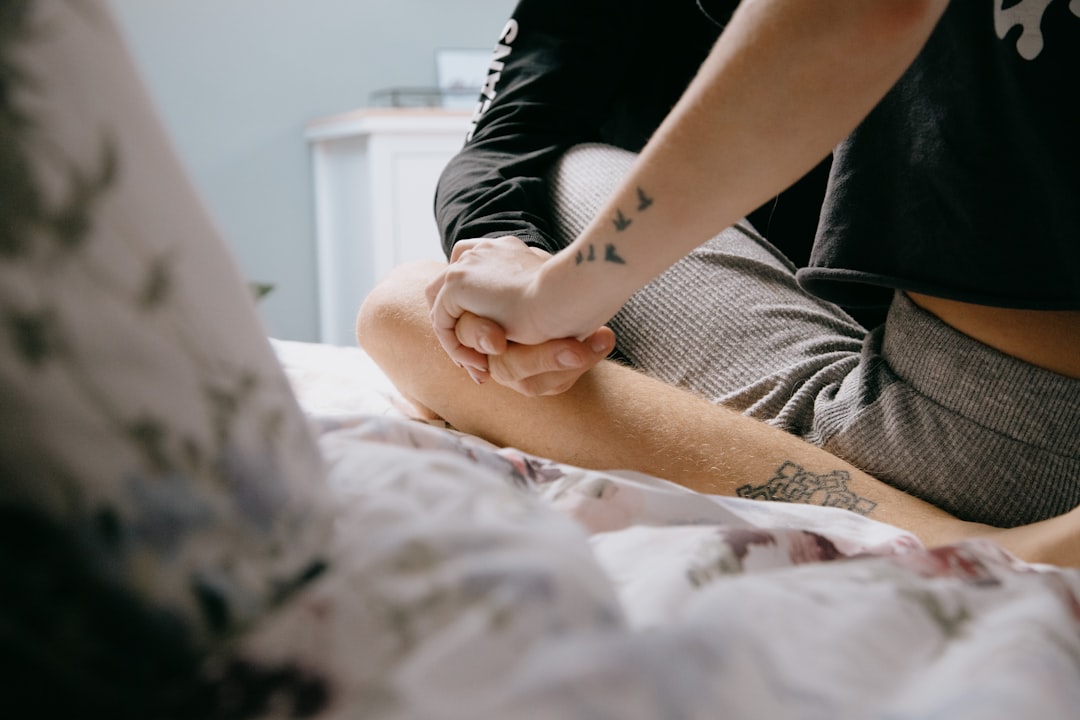
Anxiety triggers your sympathetic nervous system. That's the fight-or-flight switch. And arousal? Arousal lives in the parasympathetic nervous system. The two don't coexist easily. When your brain perceives a threat, whether real or imagined, it prioritizes survival over pleasure every single time.
This is why anxiety doesn't just affect your mood. It physically narrows blood vessels, tightens muscles, and redirects blood flow away from the genitals. Erections falter. Lubrication slows. Sensation dulls. Your body isn't failing you. It's doing exactly what evolution designed it to do under perceived stress.
Here's what makes it especially frustrating: the anxiety itself becomes the threat. You worry about not performing well, that worry activates your stress response, and the stress response creates the very outcome you feared. It's a loop. A genuinely cruel one.
The Different Faces of Sexual Anxiety

Not all sexual anxiety looks the same. Performance anxiety is the one people talk about most. It shows up as fear around erection quality, orgasm timing, body image, or how a partner is secretly judging you. But it's not the only version of this experience.
Some people carry generalized anxiety into bed with them. Their nervous system is chronically activated, and sex is just another context in which that manifests. Others deal with anticipatory anxiety. The dread of sex before it even begins. A third group experiences anxiety specifically around vulnerability and emotional closeness, which can feel destabilizing in ways that are hard to articulate.
Relationship anxiety is real too. If there's unresolved tension with a partner, a conversation that's been avoided, or a fear of abandonment humming in the background, the body keeps score. Intimacy becomes complicated in ways that no amount of couples toys or mood lighting can fix on their own.
Solutions That Go Beyond "Just Relax"

Telling someone with anxiety to "just relax" is a bit like telling someone with a broken leg to "just walk it off." So let's skip that and talk about what actually moves the needle.
Mindfulness is the most evidence-backed entry point. Not the incense-and-silence kind if that's not your thing. Just the act of deliberately anchoring your attention to your physical senses in the present moment. Notice the warmth of skin. The sound of breathing. The texture of fabric. When your mind drifts into evaluation mode, notice that drift without judgment and return to the sensory experience. Pyke & Clayton (2015) described this capacity to stay present during sex as a core skill for dismantling performance anxiety loops, which explains why mindfulness-based sex therapy has grown significantly in clinical use.
Breathwork You Can Use Right Now
Your breath is the fastest on-ramp to your parasympathetic nervous system. It sounds almost too simple to be true, but the research is solid.
Slow, diaphragmatic breathing genuinely calms the physiological stress response. A 4-7-8 pattern works well: inhale for four counts, hold for seven, exhale for eight. Try it before sex, not during a spiral in the middle of it. The goal is to lower your nervous system's baseline activation before you even get into an intimate context. Partners can try synchronizing their breathing. Eye contact and breath synchrony together are surprisingly powerful for nervous system co-regulation.
Reframe the Goal of Sex Entirely
Performance anxiety thrives when sex is framed as a test with a pass/fail outcome.
What if it wasn't? What if sex was just. shared sensation with no destination required? Sensate focus exercises, developed by Masters and Johnson, are the clinical version of this idea. You and a partner explore touch with no pressure for arousal or orgasm. The body learns, slowly, that intimacy doesn't equal evaluation. The nervous system unclenches. And genuinely, pleasure tends to follow that unclenching far more reliably than any amount of willpower.
If you're exploring solo, clitoral vibrators and gentle self-touch without a performance goal can help rebuild a relaxed relationship with your own body. Pleasure recalibrates. That matters.
Communication Is Not Optional
You don't have to confess every anxious thought mid-encounter. But keeping a persistent anxiety completely hidden from a long-term partner tends to create distance rather than protect comfort.
Sharing something as simple as "I've been in my head lately and I want us to slow down" can do more for your sex life than any technique. Partners who understand what's happening can adjust, stay patient, and avoid behaviors that inadvertently amplify the anxiety. Silence, meanwhile, allows imagination to fill gaps with worst-case interpretations on both sides.
When to Bring In Professional Support
Some anxiety is light enough to address with self-education and communication. Some isn't. When anxiety is significantly impacting your quality of life, your relationships, or your sense of self, a sex therapist or psychosexual counselor is genuinely worth considering.
Cognitive behavioral therapy has a strong track record for sexual anxiety specifically. It helps people identify and restructure the thought patterns that feed performance pressure. EMDR has shown promise for anxiety rooted in past sexual experiences. Working with the right professional isn't a last resort. It's often the fastest route through.
If past experiences have left a deeper mark on your relationship with intimacy, the connection between sexual trauma and healing is something worth exploring with care and proper support.
Small, Practical Shifts That Compound Over Time
Anxiety rarely responds to one dramatic fix. It responds to accumulated small changes that tell your nervous system the world is safer than it thinks.
Sleep, exercise, and alcohol reduction aren't glamorous advice, but they profoundly affect your baseline anxiety level. A body running on poor sleep and high cortisol is a body primed for that pre-sex spiral. Limiting alcohol especially matters. Even though it feels like it loosens things up initially, alcohol disrupts arousal physiology and tends to deepen anxiety over time.
Creating low-pressure intimacy rituals helps enormously too. A bath together. A slow massage with no expectation of escalation. Reading in bed and just being physically close. When intimacy becomes something your nervous system associates with safety rather than evaluation, the anxiety loses its foothold.
Adding vibrators for women or other body-safe pleasure tools to solo or partnered play can gently shift the focus away from performance and toward sensation. Not as a fix, but as a tool for reconnecting with your own body on your own terms.
The Part Nobody Talks About: Anxiety After Good Sex
Post-sex anxiety is real and wildly under-discussed. Some people experience a wave of dread, sadness, or unease right after intimacy, even when everything "went well." This is sometimes called post-coital dysphoria, and it has neurological and psychological roots.
Vulnerability hangover is the informal name for something adjacent to it. The emotional rawness that follows deep physical connection, especially if your attachment system is anxious. Recognizing this pattern means you stop blaming yourself or your partner when the mood dips without obvious cause. Understanding it, naming it, is the first step toward it losing its power.
Bottom Line
Anxiety and sex have been tangling with each other since humans started having both. You're not uniquely broken. You're not uniquely weak. Your nervous system learned at some point to stay alert, and it's doing its job a little too enthusiastically in the bedroom.
The path through is not about forcing relaxation. It's about building safety. In your body, in your communication, in your sense of what intimacy is actually for. That takes time and repetition. But it is absolutely available to you.
Read more about the habits that create genuine closeness in what happy couples actually do differently. Small shifts in how you relate to each other outside the bedroom ripple inward.
Want to make your journey even more exciting? I've handpicked some amazing toys and goodies at Hello Nancy that'll add extra sparkle to your intimate moments. (Here's a little secret. use 'dirtytalk' for 10% off!)

The Berri Edging Clitoral Massager is especially worth a look if you're working through performance pressure solo. Its tapping stimulation pattern is gentle and grounding, ideal for reconnecting with sensation without any goal attached.
Frequently Asked Questions
Can anxiety permanently damage your sex life?
No. Anxiety's effects on sex are real but reversible. With the right approaches, including mindfulness, communication, and sometimes therapy, most people see significant improvement. The nervous system is adaptable, and sexual response can be retrained over time.
Why do I get anxious during sex even when I'm attracted to my partner?
Attraction and anxiety aren't mutually exclusive. Anxiety often stems from fears about performance, vulnerability, or past experiences rather than a lack of desire. Your body can want intimacy while your nervous system simultaneously perceives it as a threat. That conflict is the core of sexual anxiety.
Does alcohol help with sexual performance anxiety?
In the short term, alcohol can lower inhibitions, which feels helpful. But it also disrupts arousal physiology, reduces sensation, and interferes with natural lubrication and erection quality. Relying on alcohol to manage sexual anxiety tends to deepen the problem over time rather than solve it.
What is the difference between sexual performance anxiety and low libido?
Low libido means reduced desire for sex. Performance anxiety means desire is present but fear or self-consciousness interferes with the experience or the physical response. They can overlap, but they have different causes and often require different approaches to address.
How do I tell my partner I have sexual anxiety without making it weird?
Choose a calm, non-sexual moment to bring it up. Keep it simple: "I've been feeling anxious during intimacy lately and I want to talk about it." Most partners respond with care when approached with openness. Framing it as something you want to work through together, not a criticism of them, keeps the conversation connected rather than defensive.
Can mindfulness actually reduce sexual anxiety or is it just hype?
Mindfulness has genuine clinical backing for sexual anxiety. Multiple studies show that mindfulness-based interventions improve sexual satisfaction, reduce avoidance behaviors, and lower performance pressure. It works not because it's magic but because it interrupts the evaluative thought loop that drives the anxiety response.
Is sexual performance anxiety more common in men or women?
Research suggests it affects both but at slightly different rates: roughly 9 to 25% of men and 6 to 16% of women experience it. In men it often shows up around erection quality or ejaculation timing; in women it more commonly relates to body image, lubrication, and orgasm. Both experiences are valid and both respond to treatment.
What kind of therapist should I see for sexual anxiety?
Look for a certified sex therapist or a psychosexual counselor. Therapists trained in cognitive behavioral therapy (CBT) or who specialize in sexual health are your best starting point. If you're in a relationship, couples-based sex therapy can be particularly effective since it addresses the dynamic rather than just the individual.