Add $12.00 to get Free Gift



Nobody told you this part. That hitting your 60s could actually unlock something freer in your intimate life, not shut it down.
The cultural script says desire has an expiration date. You're supposed to quietly retire it somewhere between your last kid leaving home and your first AARP card. But here's what's actually happening: millions of people in their 60s are having the most satisfying, communicative, and genuinely connected sex of their entire lives.
That's not a motivational poster. It's biology, psychology, and a little bit of hard-won wisdom all arriving at the same time.
Why Your 60s Can Actually Be a Sexual Prime
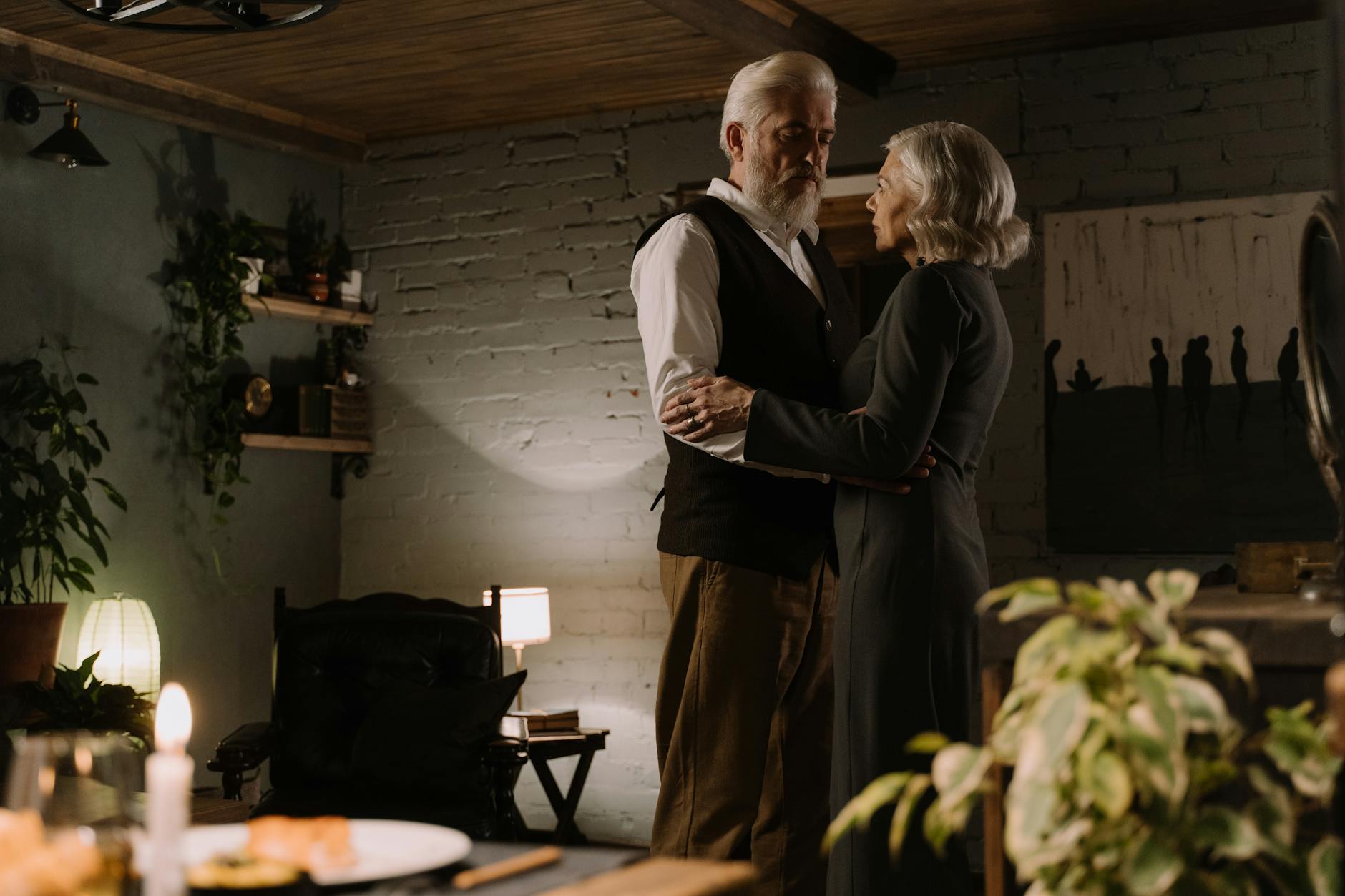
Research from University College London found that older adults who remain sexually active report significantly higher life satisfaction and better emotional well-being than those who don't. That's not a small thing. The body and the mind are still deeply wired for pleasure, connection, and touch, and those needs don't retire just because you do.
What actually changes is context. In your 60s, you're often freed from the anxious performance pressure of younger decades. No pregnancy scares. No small children with terrible timing. No proving yourself. What replaces all that noise is something better: presence.
You know your body now in a way your 30-year-old self could only dream of.
Studies published in PMC (National Library of Medicine) show that 73% of adults aged 60 to 66 remain sexually active, and many report high levels of sexual satisfaction. Those numbers are real. And they tell a story that mainstream culture has been too awkward to tell you.
The Physical Stuff: What Changes, What Helps
Let's talk honestly about the body, because pretending nothing shifts would be condescending.
For people with vulvas, menopause brings a drop in estrogen that can lead to vaginal dryness and some changes in elasticity. This is common. It is also very addressable. Quality lubricants are genuinely life-changing here, and the conversation around them has finally lost most of its stigma. For people with penises, testosterone gradually declines across the 50s and 60s, and erections may take longer or feel different than they did at 25. Neither of these things means the story is over. They mean the story requires a slightly different chapter.
Slow down.
Seriously. The slower pace that physical changes might invite is actually an upgrade. Extended foreplay, more body-to-body contact, lingering in sensation rather than rushing toward a finish line. These aren't consolation prizes. They're the good stuff that younger, hurried sex often skipped.
If you're noticing discomfort during sex due to dryness or sensitivity, and haven't spoken to a doctor, that conversation is worth having. Localized hormone therapy, pelvic floor physiotherapy, and other options exist. You deserve to know about them. A good resource for people navigating how to increase natural lubrication can make a real practical difference in your comfort and confidence.
Communication Is the Real Foreplay at 60
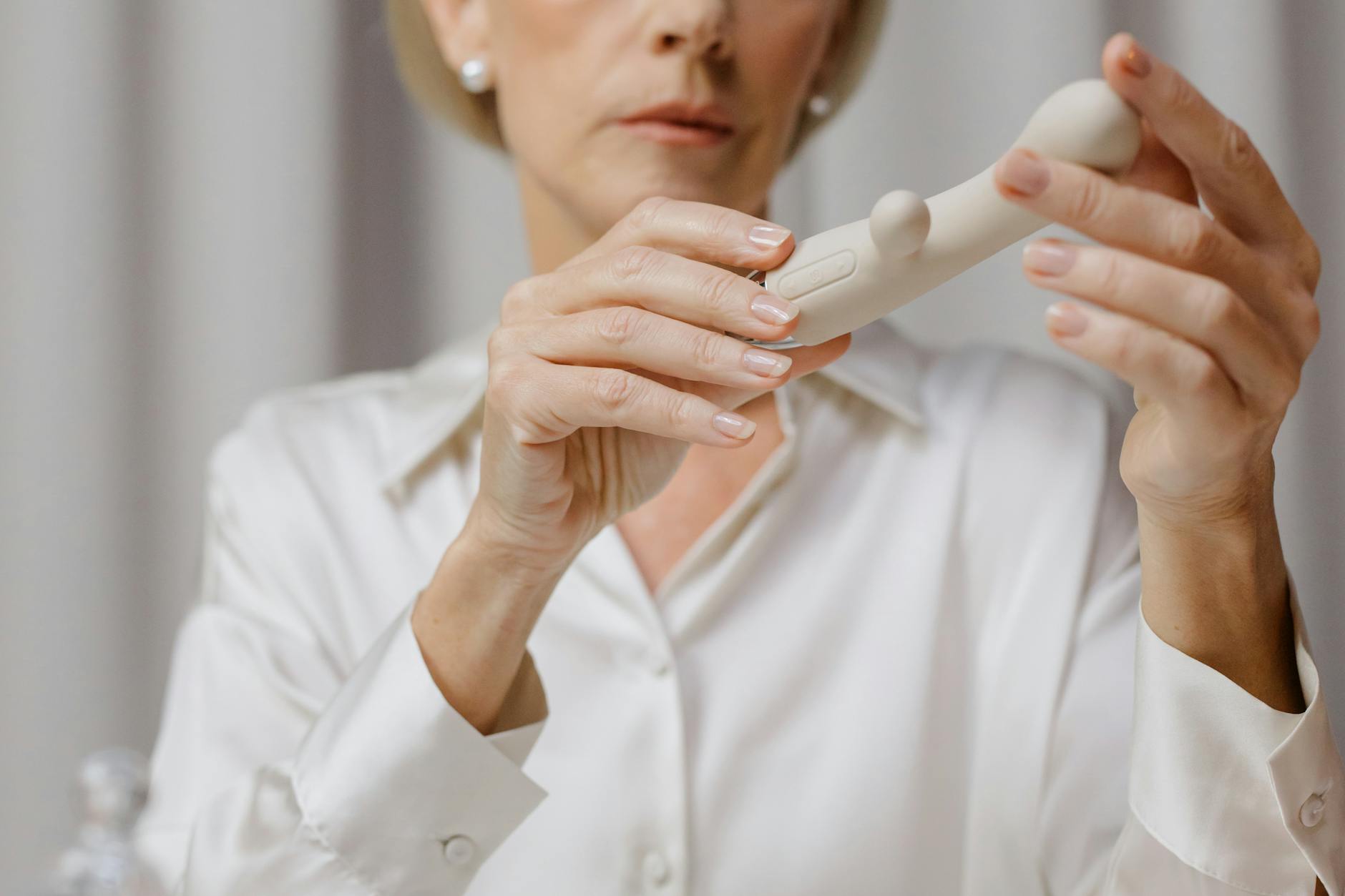
If there's one thing people in long-term relationships consistently say about sex after 60, it's this: the ones having great sex are the ones who talk about it.
Not in some awkward sit-down-meeting kind of way. Just honestly. "I like this." "Could we try this differently?" "What feels good for you right now?" Decades of relationship history can sometimes build a script that feels too fixed to rewrite. But bodies change, desires evolve, and what worked at 35 may not be what works at 65. That's not failure. That's just life asking you to stay curious.
If you and your partner navigate different sexual preferences in your relationship, you're not alone. Most couples have this gap. Naming it is the first step toward bridging it.
Curiosity is more useful than performance here.
Solo Sex Is Still Sex (And It's Very Much Still Worth It)
Not everyone in their 60s is partnered. And even those who are partnered have a solo intimate life that matters. Self-pleasure is a genuinely healthy practice at any age. It maintains pelvic blood flow, can help with vaginal atrophy, keeps the nervous system responsive to pleasure, and is a wonderful stress release. There's absolutely nothing to feel apologetic about.
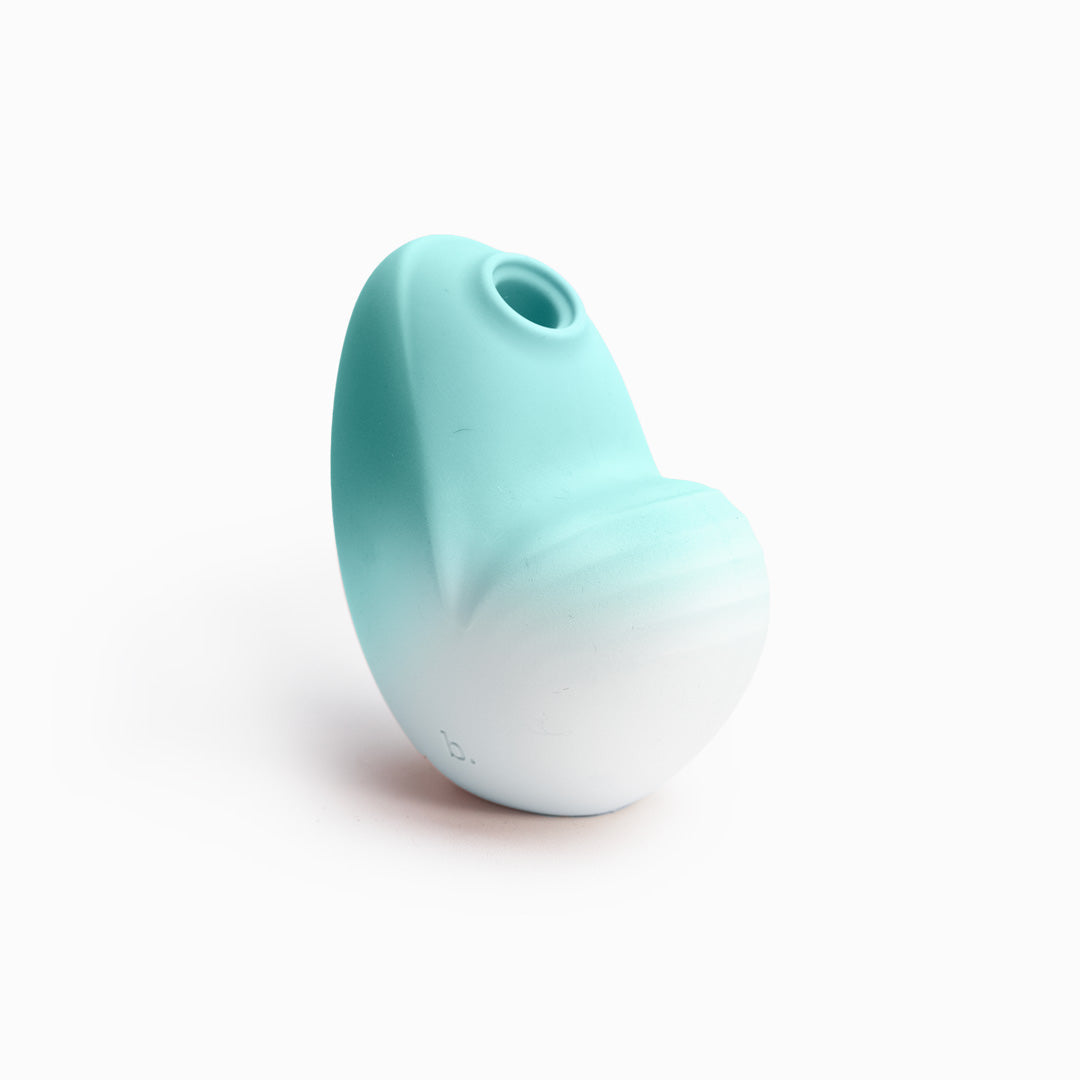
For solo exploration, clitoral vibrators are some of the most accessible and effective tools out there. As sensitivity changes with age, a well-designed toy can offer the kind of reliable, adjustable stimulation that fingers alone might not deliver as efficiently. That's not a deficit. That's just smart tool use.
The Namii 2, which combines clitoral suction with vibration, is a standout option for people who want something that covers multiple types of stimulation without being overwhelming.
For those looking at couples play, the couples toys range at Hello Nancy includes options designed to work with bodies that appreciate nuance and variety, which is basically all bodies after a certain level of experience.
New Relationships in Your 60s: Navigating Intimacy Fresh
Divorce, widowhood, or simply finding someone new later in life means some people step into entirely new intimate relationships in their 60s. That comes with its own particular charge. The thrill of newness. And also, sometimes, vulnerability and awkwardness.
Be patient with yourself here. Your body may feel unfamiliar in a new partner's presence. You may carry stories from past relationships that show up uninvited. All of that is normal.
STI rates in adults over 50 have actually been rising for over a decade. This is partly because the generation entering their 60s now came of age before comprehensive sex education included much about protection for non-reproductive sex. So even if pregnancy is off the table, safe sex practices are still worth discussing with a new partner and a doctor.
When Health Conditions Are Part of the Picture
Heart disease, arthritis, diabetes, cancer treatment. These are more likely to be part of the picture in your 60s, and they can affect sexuality in real and specific ways. But more often than not, they don't eliminate sexuality. They require adaptation.
Positions that reduce joint pressure, shorter but more frequent intimate moments, the creative use of pillows and props. These are practical, dignified solutions, not workarounds to be embarrassed about. A frank look at sex after prostate surgery is a good example of how specific health situations can be navigated with both honesty and optimism.
Talk to your doctor. Seriously. Most doctors don't bring up sexuality with older patients unless you initiate it. You may need to be the one who asks. You deserve medical care that includes your whole quality of life.
The Emotional Depth That Changes Everything
Here's the thing that younger people can't quite buy their way into yet.
By your 60s, most people have lived through enough grief, change, and genuine complexity that they've developed a capacity for real emotional intimacy that simply wasn't available in their 30s. That depth shows up in bed. Literally. Sex that is grounded in genuine comfort, trust, and mutual knowledge of vulnerability is categorically different from the anxious, performative, often disconnected sex that a lot of younger people are having while looking great on paper.
This is your advantage. Use it.
Knowing what you want, being unashamed enough to ask for it, and caring genuinely about your partner's experience: that combination is rare. And it's rarer still in people who are 25. Time and experience built this in you. Let it work.
Bottom Line
Great sex in your 60s isn't a lucky exception. It's available to most people who show up for it with honesty, curiosity, and a willingness to let go of what they think it's supposed to look like. The script you were handed about desire and aging was written by people who weren't paying attention. You can write your own.
Want to make your journey even more exciting? I've handpicked some amazing toys and goodies at Hello Nancy that'll add extra sparkle to your intimate moments. (Here's a little secret — use 'dirtytalk' for 10% off!)
Frequently Asked Questions
Is it normal to still want sex in your 60s?
Completely normal. Research shows the majority of adults aged 60 to 66 remain sexually active, and many report strong levels of desire and satisfaction. Sexual interest doesn't have a biological off-switch at any particular age.
How does menopause affect sex drive in your 60s?
Menopause lowers estrogen levels, which can reduce natural lubrication and cause vaginal dryness. This sometimes leads to discomfort during sex. The good news: quality lubricants, localized hormone therapy, and pelvic floor exercises can all significantly help. A conversation with your doctor opens up a lot of options.
Can men in their 60s still have a healthy sex life?
Yes. Testosterone declines gradually, and erections may take more time or feel different. But many men in their 60s have active, fulfilling sex lives. The shift often means slowing down, which can actually deepen intimacy and satisfaction for both partners.
Do I still need to use protection for sex in my 60s?
Yes, if you have new or multiple partners. STI rates in adults over 50 have been rising steadily. Pregnancy may be off the table, but STIs are not. Discuss safe sex options with your doctor, especially when entering new sexual relationships.
What are the best sex positions for people over 60 with joint pain?
Side-lying positions, rear-entry with pillow support, and positions where one partner lies flat are often gentler on knees and hips. The goal is comfort without sacrificing closeness. Using firm pillows or purpose-made cushions can make a significant difference.
How can couples reignite intimacy after years together in their 60s?
Open, honest conversation is the most powerful tool. Talk about what you want now, not just what worked years ago. Trying something new together, whether that's a different setting, a new toy, or a couples therapy exercise, can shake up a comfortable but stale routine. Curiosity is the real aphrodisiac.
Are sex toys appropriate or beneficial for people in their 60s?
Absolutely. Sex toys can help bridge sensitivity changes that come with age, making stimulation more reliable and varied. They're useful for solo sex and partner play alike. There's no age limit on wanting pleasure that works for your body.
Does sex have health benefits for older adults?
Research from UCL found that older adults who remain sexually active report higher life satisfaction and better emotional well-being. Regular sexual activity is also associated with improved sleep, reduced stress, and stronger immune function. It's good for you in genuinely measurable ways.
How do I talk to my doctor about sexual health in my 60s?
Start directly: "I'd like to talk about my sexual health." Most doctors won't raise it unless you do. Ask about hormonal options, pelvic floor health, and any medications that might be affecting desire or function. You don't need to downplay it. It's a legitimate part of your overall health picture.