Add $12.00 to get Free Gift



Your body already knows how to do this. It just needs the right conditions.
Vaginal dryness is one of those things people quietly suffer through, assuming it's just their lot in life. It isn't. Natural lubrication responds to lifestyle, hormones, hydration, stress, and even what you eat. Which means there's a lot you can actually do about it.
Why Natural Lubrication Matters (And Why It Changes)

Lubrication is your body's way of signaling readiness, comfort, and health. It's produced by the Bartholin's glands and the vaginal walls themselves, and it's deeply connected to estrogen levels. When estrogen dips, so does moisture. This happens during hormonal shifts like your cycle, postpartum recovery, breastfeeding, perimenopause, and beyond.
Stress, certain medications like antihistamines and antidepressants, and even dehydration can all quiet that natural response. The good news? Most of these factors are workable.
9 Evidence-Backed Tips to Boost Natural Lubrication
1. Drink More Water Than You Think You Need
This one sounds almost insultingly simple. But dehydration is one of the most common and overlooked causes of vaginal dryness. Mucous membranes throughout your body, including the vaginal tissue, need adequate fluid to stay moist and functional.
Aim for at least 2 liters a day. If you're someone who exercises regularly or lives somewhere warm, push that higher. You'll notice a difference faster than you'd expect.
2. Add Omega-3 Fatty Acids to Your Diet
Here's where the science gets genuinely exciting. Research suggests that omega-3 fatty acids can support estrogen production, which directly influences vaginal lubrication. A study found that supplementing with omega-3 fatty acids and vitamin D3 for eight weeks increased estradiol levels, which is the primary estrogen that keeps vaginal tissue healthy and moist.
Salmon, sardines, walnuts, flaxseeds, and chia seeds are all rich sources. You can also take a quality fish oil supplement if food sources feel inconsistent. Either way, your vaginal tissue will thank you.
3. Increase Foreplay. Seriously, More of It
Arousal lubrication is a different beast from baseline moisture. It's produced in response to stimulation, which means skipping foreplay skips the very biological process that gets you wet. If you or your partner regularly rushes past this stage, that's worth a real conversation. Check out this guide on what to say when your partner skips foreplay without killing the mood.
Slow things down. Use your hands. Explore. Give your body time to respond. Twenty minutes of buildup can produce dramatically more natural lubrication than two minutes ever could.
4. Manage Stress Like Your Sex Life Depends on It (It Does)
Cortisol, the stress hormone, actively suppresses estrogen production. Chronic stress essentially tells your body to prioritize survival over reproduction, which includes shutting down lubrication. This is a physiological reality, not a mindset problem.
Meditation, regular movement, sleep hygiene, and even setting a clear boundary around work hours can all lower cortisol meaningfully. Your nervous system needs to feel safe before your body opens up.
5. Try Pelvic Floor Exercises
Kegel exercises do more than strengthen your pelvic floor. They increase blood flow to the vaginal region, and better circulation means better tissue health and improved natural moisture production. Think of it as cardio for your pelvic tissue.
Consistency matters here. Ten minutes daily over a few weeks can produce noticeable changes in sensitivity and lubrication. There are also apps and guided programs if you're not sure where to start.
6. Cut Back on Alcohol and Caffeine
Both are diuretics. They pull fluid out of your body, leaving your tissues drier than they should be. A glass of wine before intimacy might feel like it's helping by reducing inhibition, but it's likely working against your body's ability to lubricate naturally.
This doesn't mean a strict no-alcohol-ever rule. Balance is real. Just be mindful of timing and quantity, especially if dryness is already something you're noticing.
7. Eat More Phytoestrogens
Phytoestrogens are plant compounds that mimic estrogen in the body. They bind to estrogen receptors and can gently support hormonal balance, which helps with tissue moisture. Foods rich in phytoestrogens include soy products, flaxseeds, lentils, sesame seeds, and certain fruits like peaches and strawberries.
This is especially relevant if you're in perimenopause or post-menopause, when estrogen naturally declines. Dietary phytoestrogens aren't a replacement for hormone therapy, but they're a solid supporting strategy. The evidence for soy and flaxseed in particular is reasonably strong.
8. Check Your Medications
Antihistamines, antidepressants, birth control pills, and some blood pressure medications are all known to reduce natural lubrication as a side effect. This is not widely talked about, and a lot of people blame themselves when the answer is sitting in their medicine cabinet.
If you suspect a medication is affecting your body's moisture, talk to your doctor. There are often alternative options or additional strategies that can help without discontinuing treatment. You deserve that conversation. Here's a genuinely useful read on how to talk to your doctor about sexual issues in a way that actually moves things forward.
9. Consider Vitamin E and Hyaluronic Acid
Both of these have research behind them for vaginal dryness specifically. Vitamin E suppositories, used for twelve weeks, have been shown to improve the health of vaginal walls and reduce dryness. Hyaluronic acid, already famous in skincare for its moisture-binding properties, can be used vaginally as a topical treatment and has shown real results in clinical studies.
These aren't fringe wellness trends. They're well-tolerated options with an actual evidence base, especially useful if hormonal treatments aren't right for you.
The Role of Arousal Toys in Supporting Lubrication
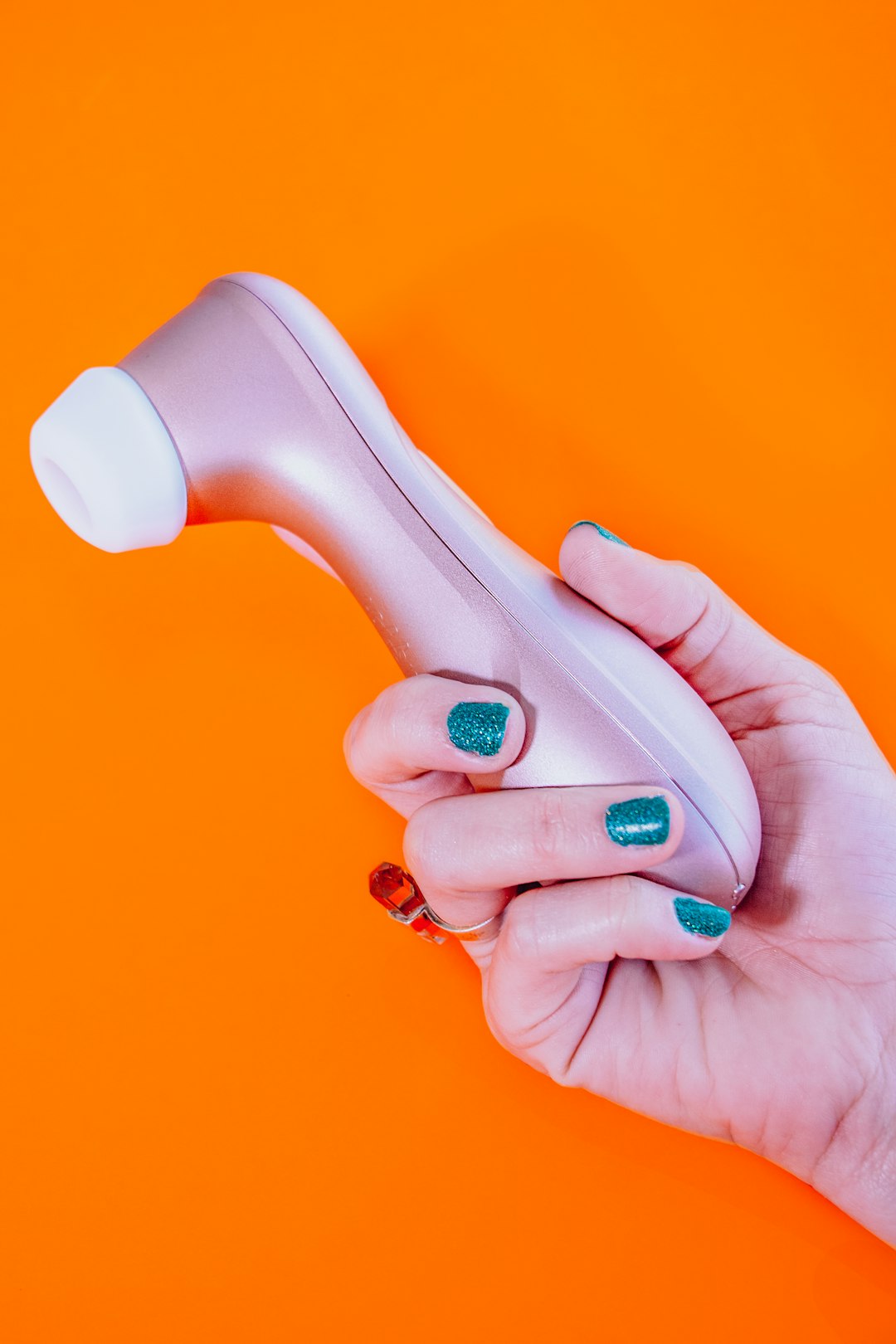
Sometimes the fastest route to better natural lubrication is simply better arousal. More stimulation, more blood flow, more response from your body. Quality clitoral vibrators are genuinely useful here, not just for pleasure but for training your body to respond more readily over time.
The Berri Edging Clitoral Massager is a beautifully designed tapping toy that delivers rhythmic stimulation to build arousal gradually. That slow, intentional build is exactly what your body needs to activate its natural lubrication response.
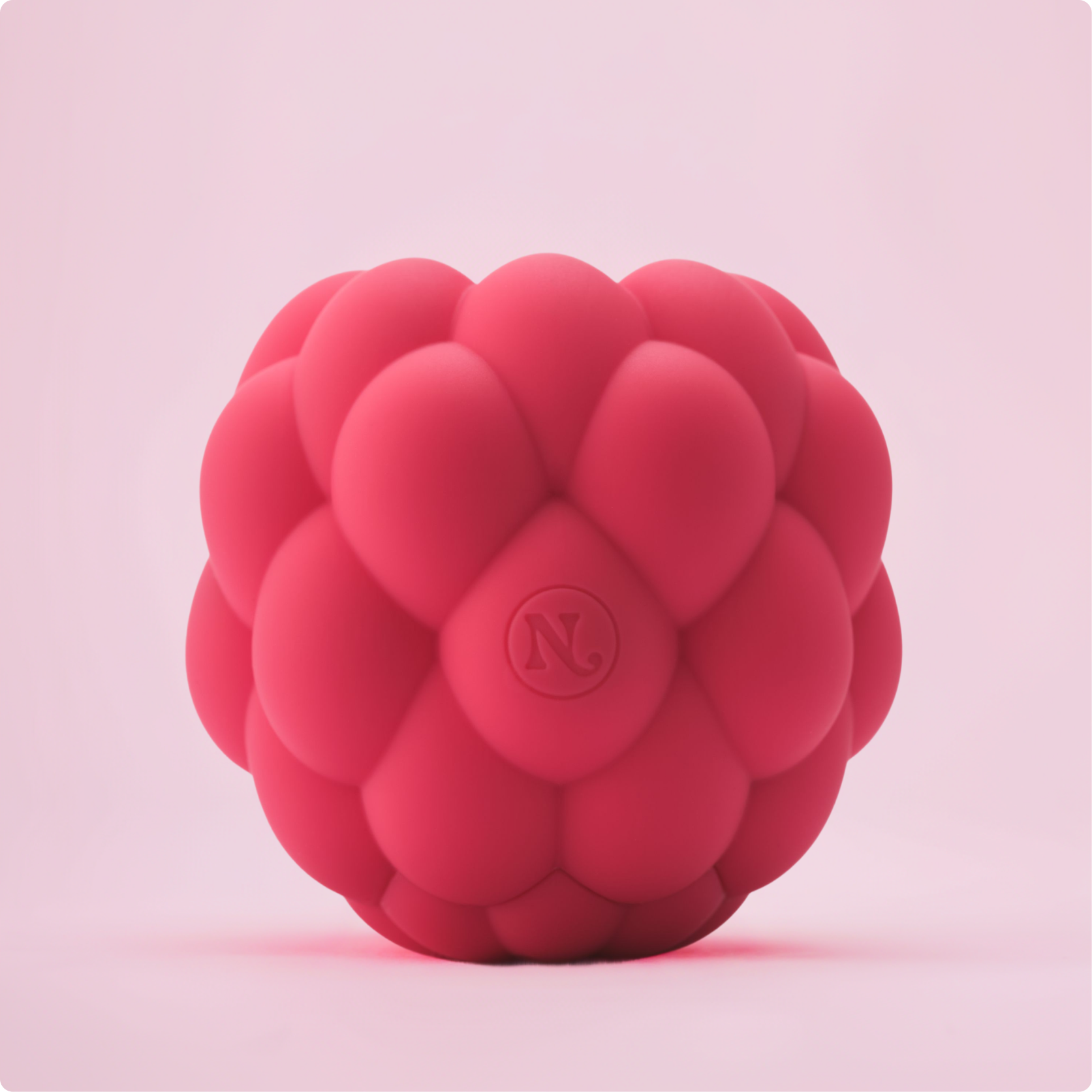
For those who want a dual experience, the Namii 2 combines clitoral suction with vibration, giving your body a fuller arousal signal that supports both pleasure and natural moisture. It's designed for anyone who wants more from their intimate time, solo or with a partner.
If you're exploring vibrators for women as part of your wellness toolkit, the key is consistent, quality stimulation that your body learns to respond to. Pleasure and health genuinely overlap here.
When to Talk to a Doctor
If natural strategies aren't making a dent after a few consistent weeks, that's important information. Persistent vaginal dryness can signal underlying hormonal shifts, thyroid issues, or autoimmune conditions that deserve proper evaluation. Topical estrogen therapy, DHEA suppositories, and ospemifene are all prescription options with strong evidence bases. A good doctor won't make you feel embarrassed for asking. And if they do, find a different one.
Wrapping Up
Your body's capacity for natural lubrication is not fixed. It shifts with your hormones, your habits, your stress levels, and your overall health. The nine tips here aren't a rigid protocol. They're a toolkit. Start with two or three that feel most relevant to your life right now, and build from there. Small, consistent changes in hydration, diet, and arousal habits can genuinely shift things. You don't have to just live with dryness. And you really, really don't have to fake it.
Want to make your journey even more exciting? I've handpicked some amazing toys and goodies at Hello Nancy that'll add extra sparkle to your intimate moments. (Here's a little secret. Use 'dirtytalk' for 10% off!)
Frequently Asked Questions
What causes a sudden decrease in natural vaginal lubrication?
A sudden drop in lubrication is most commonly tied to hormonal shifts, particularly a dip in estrogen. This can happen during different phases of your menstrual cycle, after starting a new hormonal contraceptive, postpartum, during breastfeeding, or at the onset of perimenopause. Certain medications like antihistamines and antidepressants, dehydration, and high stress are also frequent culprits.
How long does it take to increase natural lubrication through diet and lifestyle changes?
Most people notice some improvement within two to four weeks of consistent changes like improved hydration, reduced alcohol, and added omega-3 fatty acids. Hormonal changes from diet (like phytoestrogens) can take six to eight weeks to show meaningful effects. Patience and consistency matter more than any single intervention.
Can drinking more water really increase vaginal lubrication?
Yes, and it's often the most underestimated factor. Vaginal tissue is a mucous membrane, which means it depends on systemic hydration to stay moist. Chronic mild dehydration is a surprisingly common cause of dryness. Increasing water intake to at least 2 liters daily is a genuinely effective first step.
Do Kegel exercises actually help with vaginal lubrication?
They do, though indirectly. Kegel exercises increase blood flow to the pelvic region, and better circulation supports the health and responsiveness of vaginal tissue. Improved tissue health generally means better baseline moisture and a faster arousal response. Daily practice over a few weeks is where results tend to show up.
What foods increase vaginal lubrication naturally?
Foods high in omega-3 fatty acids like salmon, walnuts, and flaxseeds support estrogen production, which directly affects lubrication. Phytoestrogen-rich foods like soy, lentils, and sesame seeds can also help, especially during hormonal transitions. Staying well-hydrated with water-rich fruits and vegetables adds another layer of support.
Can stress cause vaginal dryness?
Absolutely. Chronic stress elevates cortisol, which suppresses estrogen production. Lower estrogen directly reduces vaginal lubrication. This is a physiological response, not a personal failing. Managing stress through sleep, movement, and nervous system regulation can meaningfully improve moisture levels over time.
Are there supplements that help with vaginal dryness?
Yes. Omega-3 fish oil, vitamin E (both oral and suppository form), hyaluronic acid, and vitamin D3 have the most evidence behind them for supporting vaginal moisture. Sea buckthorn oil has also shown promise in some studies. Always check with your healthcare provider before starting a new supplement regimen, especially if you're on medications.
Can using sex toys improve natural lubrication over time?
Yes, because regular arousal and stimulation increase pelvic blood flow, which supports the tissue health needed for lubrication. Using quality couples toys or solo vibrators consistently can help your body become more responsive over time. Think of it as building a well-practiced arousal pathway.
Is vaginal dryness during perimenopause permanent?
No, it doesn't have to be. While estrogen decline during perimenopause and menopause is a real and significant driver of dryness, there are effective interventions. These include topical estrogen therapy, DHEA suppositories, dietary changes, and hyaluronic acid moisturizers. Talking to a gynecologist who specializes in menopause is the most direct path to real relief.