Add $12.00 to get Free Gift



You already know how they take their coffee. You know their go-to rant when they're stressed, and the exact face they make when something genuinely delights them. And somewhere between all those late nights and easy silences, something shifted.
Now you're wondering.
Dating a friend is one of the most common romantic crossroads people find themselves at, and one of the least honestly discussed. A meta-analysis of roughly 1,900 participants found that approximately 68% of romantic relationships actually began as friendships. So if you're standing at that threshold right now, you are absolutely not alone in this.
Why Friendship-First Relationships Feel Different

Here's what most dating advice gets completely wrong. It treats attraction like it only happens in a single electric moment between strangers. But the reality? Slow-burn, friendship-rooted attraction is its own entirely different animal.
When you already know someone deeply, you're not falling for a performance. You're not falling for first-date charm or a carefully curated Instagram grid. You're falling for the actual person. That changes everything about how the relationship starts and, frankly, how resilient it tends to be under pressure.
Trust is already baked in. You've seen them fail at something. You've probably helped them through something genuinely hard. And they still show up for you anyway.
That foundation doesn't appear overnight in a new relationship. Most new couples spend months, sometimes years, building what you two already have sitting right there.
The Real Pros of Dating Someone You Already Know

Let's actually dig into the advantages, because they go deeper than "you already know each other."
The awkward early-dating phase is basically nonexistent. You skip the performance anxiety of trying to seem interesting, the guessing games about whether they like you, and the exhausting work of building from scratch. You slide into intimacy from a place of existing comfort, which means the early weeks can feel genuinely good rather than nerve-wracking.
Communication comes more naturally.
Friends who become couples tend to already have an established rhythm for working through disagreements. You know how they handle conflict. You've probably already navigated a tricky moment or two in the friendship and come out fine. That muscle memory matters more than people realize when romantic tension enters the picture. Studies suggest friendship-based couples report higher relationship satisfaction and deeper long-term compatibility than those who met without prior connection (Stinson et al., 2022).
Your ways of expressing love to each other are also likely already established. You know what makes them feel valued. You don't have to decode love languages from zero.
And intimacy? Physical and emotional closeness deepens so much faster when trust is already present. The kind of vulnerability that takes strangers months to achieve, you might reach in weeks. If you're also curious about couples toys to explore together, that comfort level makes those conversations feel natural rather than nerve-wracking.
The Real Cons Nobody Likes to Say Out Loud

Okay. Let's be honest about the other side, because it deserves equal air time.
The friendship is on the line.
This is the big one. If the romantic relationship doesn't work out, you don't just lose a partner. You potentially lose one of your closest people. The history you share becomes complicated. Mutual friends get pulled into an awkward middle ground. And the easy, uncomplicated friendship you used to have? It rarely just bounces back to exactly what it was before.
There's also the problem of mismatched feelings. One person catching feelings while the other hasn't quite arrived there yet is genuinely painful. It creates an imbalance that can poison even a good friendship if it isn't handled carefully and honestly. The friendship bubble also means you might overlook real incompatibilities. You love this person as a friend, and that affection can blur your judgment. You might rationalize away things that would be obvious red flags in someone you'd just met.
Then there's the pressure.
Mutual friends, family who know you both, people who've watched you together for years and think "obviously" you'd be great together. That external narrative can push two people into a romantic experiment before either of them is actually ready, which is its own kind of disaster.
How to Know If It's Worth the Risk
Not every friendship should become a romance. But some absolutely should, and the question is how to tell the difference.
Check what's actually driving the feelings. Is it genuine romantic attraction? Or is it loneliness, proximity, and the comfort of something familiar? Those can feel identical from the inside but lead to very different outcomes. The feelings you need to act on are the ones that are persistent, not just situational. If the attraction spikes every time you've had a bad week or you're freshly out of something else, that's worth examining more carefully.
Also worth asking: can you actually imagine them as a partner, not just a friend you fancy? Day to day. The mundane stuff. The disagreements. The bad moods. Do you want that with this specific person?
If the answer is a clear, grounded yes, then the conversation is probably worth having. Especially since understanding what happens in your body when genuine attraction is present can help you distinguish real desire from comfort-seeking.
Navigating the Shift: What Actually Helps

If you've decided to explore it, how you move matters as much as whether you move.
Honesty without pressure is the goal. Share your feelings clearly and give the other person genuine room to respond without obligation. If you go into that conversation expecting a particular answer, you're not actually giving the friendship the respect it deserves. This means saying something like "I've been feeling this, and I wanted you to know, but I don't want it to change things between us if you don't feel the same" and actually meaning it.
Go slowly.
Just because you already know each other well doesn't mean you should sprint into full relationship mode immediately. Keep some of the friendship rituals alive. Keep having the conversations you were already having. The gradual integration of romance into an existing dynamic tends to be much healthier than a dramatic overnight transformation where suddenly everything feels different and high-stakes.
And talk openly about what you both want the friendship to look like if it doesn't work romantically. It's not a fun conversation, but having it proactively protects both of you. Couples who feel sexually and emotionally safe with each other also tend to explore pleasure more freely. For those curious about that dimension, vibrators for women or clitoral vibrators are a lovely way to deepen intimacy as a new couple already built on trust.
The Honest Bottom Line
Friend-to-partner relationships carry real risk. They also carry real rewards that strangers-meeting-for-coffee relationships rarely can.
The data leans in favor of trying, at least statistically. But statistics don't feel the specific weight of your specific friendship. Only you know how much this person means to you, and only you can decide whether the potential gain is worth the potential loss.
What I will say is this: unexplored feelings don't tend to just fade quietly. They simmer. They change the texture of the friendship anyway, often without either person naming what's actually happening. So in a way, the choice isn't really between "risk it" and "stay safe." It's between moving consciously and letting the slow ambiguity make that decision for you.
You deserve to choose.
Want to make your journey even more exciting? I've handpicked some amazing toys and goodies at Hello Nancy that'll add extra sparkle to your intimate moments. (Here's a little secret — use 'dirtytalk' for 10% off!)
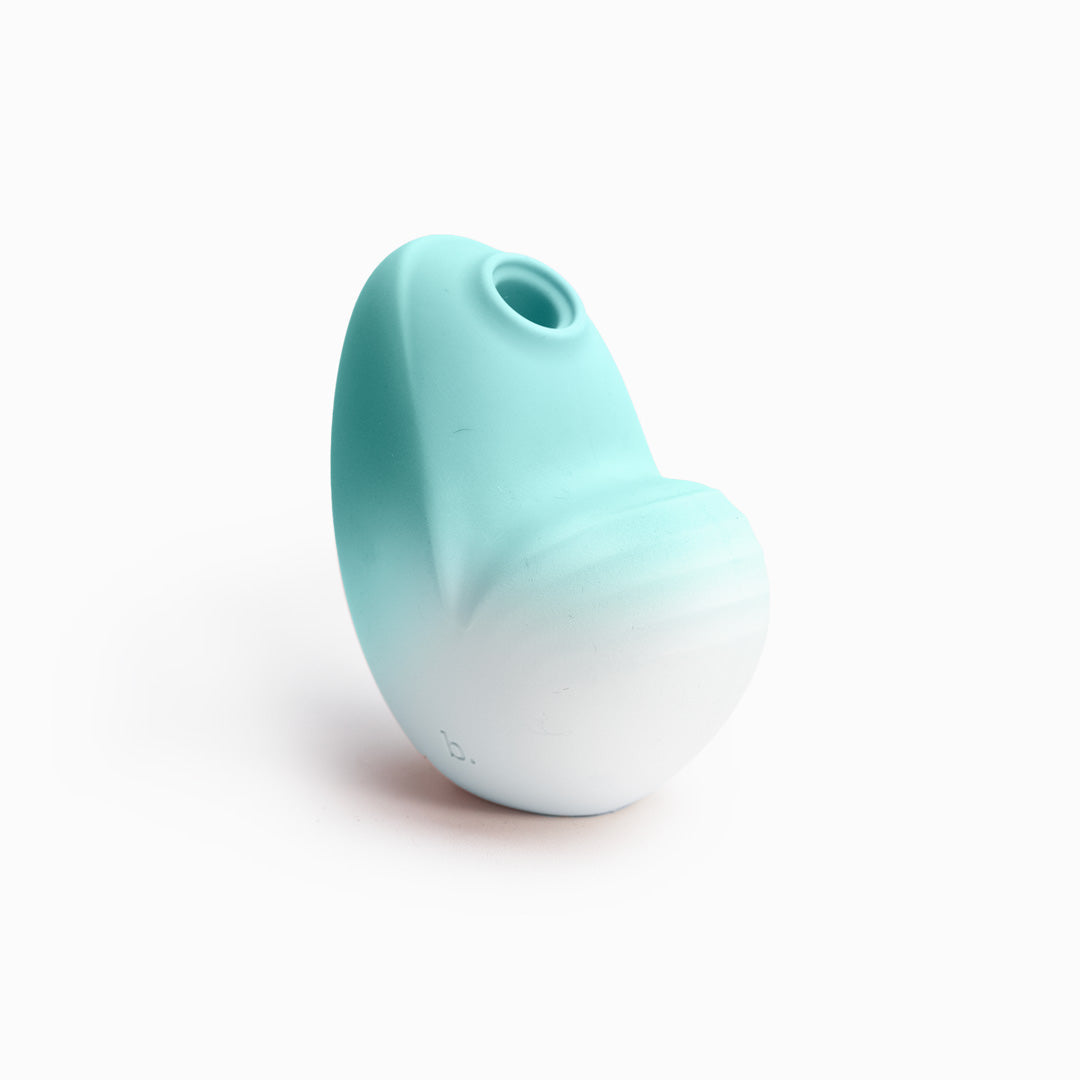
The Namii 2 is a stunning dual-action clitoral suction toy that combines suction and vibration for couples who want to explore pleasure together from a place of trust and comfort.
Frequently Asked Questions
Is dating a friend a good idea?
It can be genuinely great, but it depends on the quality of the connection and whether both people feel the same way. Research suggests that relationships beginning from friendship tend to have higher long-term satisfaction. The key is being honest about your feelings and giving the other person real space to respond without pressure.
What percentage of couples start out as friends?
A meta-analysis of approximately 1,900 participants found that around 68% of romantic relationships began as friendships. Some specific groups report even higher numbers. This makes friendship one of the most common pathways to long-term romantic partnership.
Can you go back to being just friends after dating?
Sometimes, yes. But it's genuinely rare for the friendship to return to exactly what it was before. Both people need to actively choose the friendship, give each other time and space to process the shift, and be honest about any lingering feelings. It's possible, but it takes real effort from both sides.
How do you tell if a friend has romantic feelings for you?
Watch for consistent signs rather than isolated moments: they prioritize time with you, show jealousy when you date others, find excuses for physical closeness, or bring an unusual emotional intensity to your interactions. One-off moments can be misleading. A persistent pattern across different contexts is far more telling.
What are the biggest risks of dating your best friend?
The biggest risk is losing the friendship if the relationship doesn't work out. Beyond that, there's the risk of mismatched feelings creating an imbalance, shared friend groups getting caught in the middle, and letting affection for the friend blind you to genuine incompatibilities. None of these are reasons to never try. They are reasons to go in with eyes open.
How do you bring up romantic feelings with a friend without making things awkward?
Be honest but low-pressure. Share what you're feeling and make it explicitly clear that you value the friendship regardless of their answer. Avoid framing it as a situation that demands an immediate decision. Giving them room to think and respond at their own pace dramatically reduces the awkwardness and protects what you already have.
Do relationships that start as friendships last longer?
Research does suggest that friendship-based couples tend to report higher relationship satisfaction and stronger long-term bonds. The pre-existing trust and communication habits give the romance a more stable foundation. That said, no starting point guarantees success. What matters most is how both people show up once the relationship begins.
What should you talk about before dating a friend to protect the friendship?
Talk about what the friendship means to both of you and agree on what you'd want it to look like if the romance doesn't work out. Discuss expectations, timelines, and whether you're both actually ready to try. Having this conversation before feelings escalate is far easier than trying to untangle things after a painful breakup.