Add $12.00 to get Free Gift


By the time you feel that warmth, that pulse, that unmistakable yes-building-somewhere-low sensation, your body has already been working for seconds. Your nervous system fired first. You just caught up.
The Biology Behind the Blush: What Arousal Blood Flow Actually Means
Arousal blood flow is exactly what it sounds like. When your brain registers something sexually stimulating, whether visual, tactile, imaginative, or emotional, it immediately sends a rapid cascade of signals down through your spinal cord and into your pelvic nerves. Those nerves trigger the release of nitric oxide, a tiny molecule with enormous power. Nitric oxide causes the smooth muscle lining blood vessel walls to relax, dilated vessels then flood surrounding tissue with blood, and suddenly everything feels different.
This isn't poetic metaphor. It's vascular mechanics.
For people with vulvas, this process engorges the clitoris, labia, and vaginal walls simultaneously. The clitoris is made of erectile tissue, the exact same structural type that produces penile erection in people with penises. Research published in The Journal of Sexual Medicine confirms that clitoral blood flow increase is directly dependent on nitric oxide activity during sexual arousal, mediated through the NO/cyclic guanosine monophosphate (cGMP) pathway, which triggers arterial vasodilation and smooth muscle relaxation in the clitoral cavernosal tissue. That tissue is composed of roughly 40 to 45 percent smooth muscle, so when it relaxes and fills, the structural change is real, measurable, and significant.
Different anatomy, identical signaling chemistry.
The Cascade: How Your Body Activates in Real Time

Your brain doesn't announce arousal politely. It just starts doing things without asking.
The moment a stimulus registers as sexually relevant, your hypothalamus activates and passes signals to the parasympathetic nervous system, specifically the sacral spinal cord around the S2 to S4 segments. Those nerves then release neurotransmitters that cause local vasodilation in genital tissue. Blood rushes in faster than it drains out, and that pressure differential is what creates engorgement. The vaginal walls, richly supplied with capillaries, begin producing a natural transudate. That's the scientific term for lubrication. It is literally blood plasma seeping through engorged capillary walls.
Arousal doesn't manufacture lubrication from nowhere. It redirects your own blood.
Meanwhile, your heart rate climbs. Skin flushes red or pink as surface capillaries dilate. Nipples may harden from a similar engorgement response in the areolar tissue. Your pupils dilate. All of this unfolds within seconds of a trigger, before you've consciously decided anything about the situation. The body moves fast when it wants something.
Why the Clitoris Deserves Its Own Conversation Here
The clitoris is the only human organ whose entire known biological function is pleasure.
And its internal structure is staggering. What you see externally is roughly the tip of the iceberg. The full organ includes two internal crura and two vestibular bulbs that wrap around the vaginal canal. When blood flow engulfs all of this tissue simultaneously during arousal, the vaginal walls literally compress inward. This is why penetration feels categorically different when you're fully aroused versus when you're not. The physical geometry of your body changes. That's not a metaphor either. That's anatomy.
Understanding this changes how you think about foreplay, pacing, and your own desires. If clitoral vibrators work incredibly well for you, it's because they're directly stimulating tissue that is already primed to engorge with blood and amplify sensation. You're not imagining the difference between a quick touch and a fully warmed-up session. Your body is literally a different landscape in those two states.
Arousal Blood Flow and What Can Interrupt It

Stress is blood flow's biggest enemy. Full stop.
When your sympathetic nervous system activates, the one responsible for fight-or-flight, it does the opposite of what arousal requires. It constricts peripheral blood vessels to redirect circulation toward large muscle groups. This is the exact physiological reason that anxiety, distraction, or emotional tension can kill arousal even when the mental desire is present. Your body genuinely cannot fully dilate its pelvic vasculature while simultaneously preparing to flee a threat. It's not a willpower failure. It's a nervous system conflict.
Medications matter here too. Certain antidepressants (particularly SSRIs), antihistamines, and hormonal contraceptives can affect vascular responsiveness in genital tissue, reducing lubrication and engorgement even when psychological arousal is present. This is sometimes called arousal non-concordance, where your mind is on board but your body's blood flow response is dampened. If you've ever experienced this, knowing it has a physiological basis rather than a personal failing can be genuinely freeing.
Age plays a role as well. Declining estrogen levels, particularly in perimenopause and beyond, thin vaginal walls and reduce their vascular density. Blood flow to genital tissue slows. This is why pelvic floor exercises, adequate hydration, regular sexual activity, and intentional arousal time become increasingly important with age.
The Arousal Gap Nobody Talks About
Here's something most people don't realize: arousal blood flow takes time to fully develop, and the average time to peak genital engorgement is longer than most sexual encounters actually allow.
For many vulva-owners, reaching full arousal engorgement can take anywhere from ten to twenty minutes of consistent stimulation. That's not a flaw. That's how the hydraulics work. Partners who understand this tend to have significantly more satisfying sex. The cultural obsession with speed isn't doing anyone any favors physiologically. If you've read our piece on post-orgasm clitoral sensitivity, you'll recognize a similar theme: the body has its own timeline, and working with it rather than against it changes everything.
Slowing down isn't a compromise. It's strategy.
How Temperature, Touch, and Toys Interact with Blood Flow
Warmth accelerates vasodilation. Cold contracts blood vessels. This is worth knowing before you reach for anything cold from a nightstand drawer.
Warm baths, heated massage, and extended sensual touch before sexual activity all support the vasodilatory process because they reinforce the same physical mechanism that arousal initiates. Touch that gradually escalates in pressure and intensity recruits more nerve endings over time, which in turn sustains the neurochemical signals keeping blood vessels dilated. Rushing past this phase shortcuts the very biology that makes intense sensation possible.
For people interested in using toys to deepen this process, vibrators for women that focus on sustained clitoral stimulation are particularly well-suited to working with the arousal cascade rather than bypassing it. Sustained vibration maintains the nerve signal that keeps vasodilation active. The Berri Edging Clitoral Massager is genuinely built for this kind of extended, intentional arousal, its tapping and vibration patterns are designed for the kind of slow-build stimulation that lets blood flow do its full work.
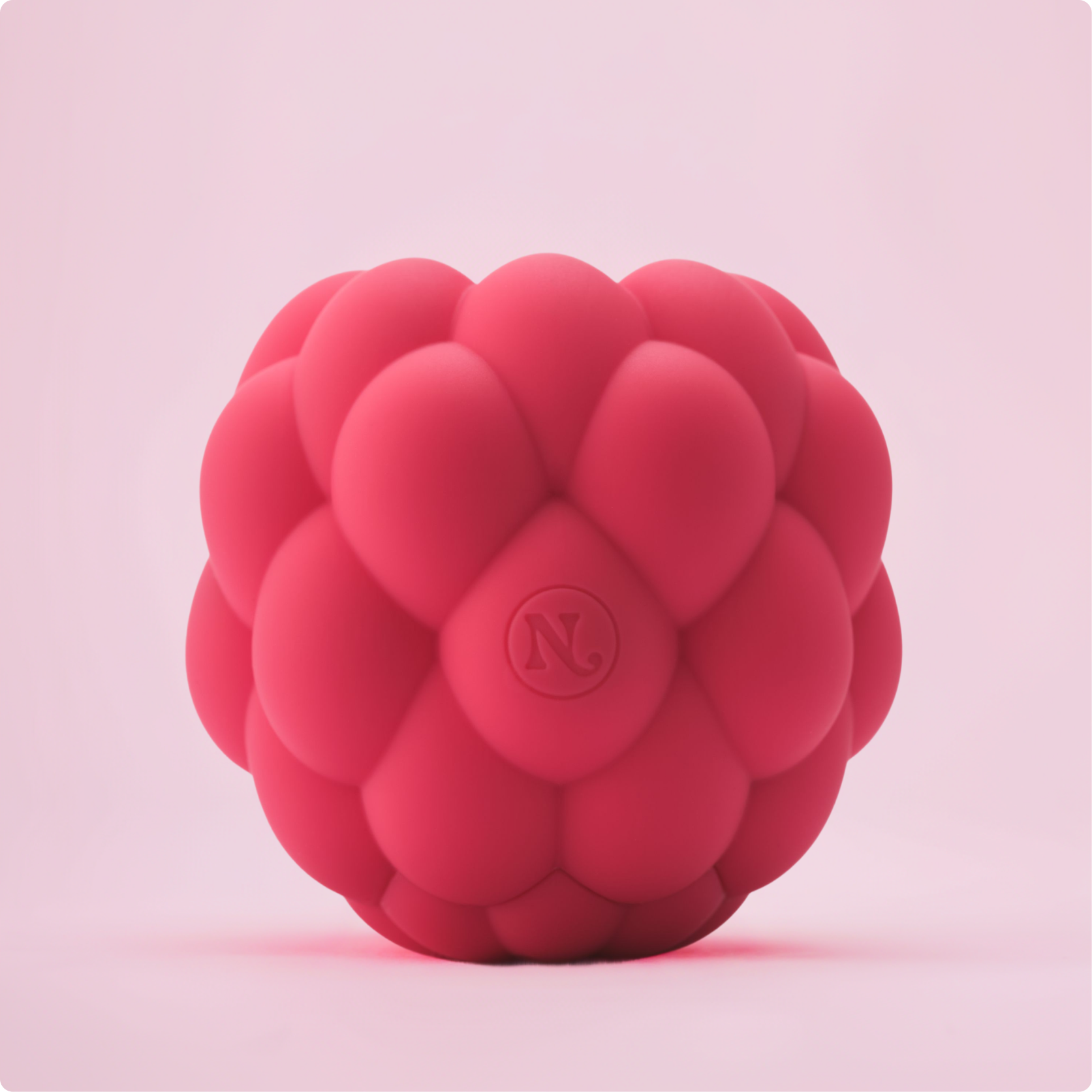
And if you're exploring with a partner, couples toys that allow for simultaneous external stimulation can help both partners stay in the parasympathetic arousal state for longer, rather than cycling in and out of tension.
What Happens to Blood Flow After Orgasm
Orgasm triggers a massive sympathetic nervous system response. Your heart rate spikes, muscles contract rhythmically, and then your body begins the process of vasoconstriction, pushing blood back out of engorged tissue.
This resolution phase is real and takes time. For most people, full detumescence of genital tissue after orgasm takes five to thirty minutes. During this window, the clitoris in particular becomes hypersensitive because swollen nerve-dense tissue is still engorged but the pleasure response has peaked. Direct stimulation during this phase can feel uncomfortable or even painful. This is physiologically normal. The blood hasn't fully drained yet, and compressed nerve endings are firing loudly. If you've ever had a partner push for more stimulation immediately after you've come and you've had to physically remove their hand from you, this is the exact mechanism why.
Multiple orgasms are possible precisely because blood flow doesn't always fully resolve between peaks. Sustained stimulation can maintain enough engorgement to cycle back through the arousal response, especially if the sympathetic spike of orgasm is not too abrupt.
Your Body Is Smarter Than You Give It Credit For
Your arousal response has been running complex vascular choreography your entire adult life, largely without your conscious input. Understanding the mechanism doesn't make it less magical. If anything, knowing that lubrication is plasma filtered through engorged capillary walls, knowing that desire literally changes your anatomy, knowing that stress chemically blocks the very blood vessels your pleasure depends on... it makes the whole thing more remarkable, not less.
Treat arousal like the physiological event it actually is. Give it time. Give it warmth. Remove the nervous system noise where you can. And if you want support for that process, know that the right stimulation at the right pace isn't a shortcut. It's just good biology.
Want to make your journey even more exciting? I've handpicked some amazing toys and goodies at Hello Nancy that'll add extra sparkle to your intimate moments. (Here's a little secret, use 'dirtytalk' for 10% off!)
Frequently Asked Questions
What causes increased blood flow during sexual arousal?
Sexual arousal triggers your parasympathetic nervous system, which releases nitric oxide in genital tissue. Nitric oxide relaxes smooth muscle in blood vessel walls, causing vasodilation. Blood rushes into the clitoris, labia, vaginal walls, or penis faster than it drains, producing engorgement.
Why does arousal blood flow take longer for some people?
Stress, anxiety, certain medications like SSRIs or antihistamines, hormonal changes, and insufficient warm-up time can all slow the arousal blood flow response. The body needs the parasympathetic nervous system to be dominant, and anything activating fight-or-flight competes directly with vasodilation.
Is vaginal lubrication actually related to blood flow?
Yes, completely. Vaginal lubrication is a transudate, meaning blood plasma that seeps through the walls of engorged capillaries in the vaginal lining. The more blood flow to vaginal tissue, the more lubrication is produced. It is not manufactured separately; it is filtered directly from your circulatory system.
Why does the clitoris become sensitive or painful after orgasm?
After orgasm, the clitoris is still engorged with blood while nerve endings remain highly activated. Blood hasn't fully drained yet, so the tissue is swollen and hypersensitive. Direct touch during this resolution phase can feel uncomfortable because compressed, blood-filled nerve tissue is reacting intensely to any stimulus.
Can arousal blood flow decrease with age?
Yes. Declining estrogen levels during perimenopause and menopause reduce the vascular density and elasticity of vaginal and clitoral tissue. Blood flow to genital tissue becomes slower and engorgement less pronounced. Regular sexual activity, pelvic floor exercises, and intentional arousal time can help maintain vascular responsiveness in these tissues.
What is arousal non-concordance and is it normal?
Arousal non-concordance is when your psychological desire is present but your body's physical blood flow response, lubrication, engorgement, is reduced or absent. It is very common and often caused by medications, stress, hormonal fluctuations, or simply insufficient warm-up time. It does not mean something is wrong with you.
How does stress physically stop arousal blood flow?
Stress activates the sympathetic nervous system, which constricts peripheral blood vessels to redirect circulation toward large muscles for fight-or-flight. This directly counteracts the parasympathetic vasodilation that arousal requires. The two states cannot fully coexist, which is why emotional tension physiologically interrupts physical arousal even when desire is present.
How long does it take for arousal blood flow to fully develop?
For many people with vulvas, full genital engorgement can take ten to twenty minutes of consistent stimulation. This varies with arousal state, stress levels, age, and individual physiology. Rushing this process means working against your own vascular biology, which is why extended foreplay produces a measurably different physical experience.