Add $12.00 to get Free Gift


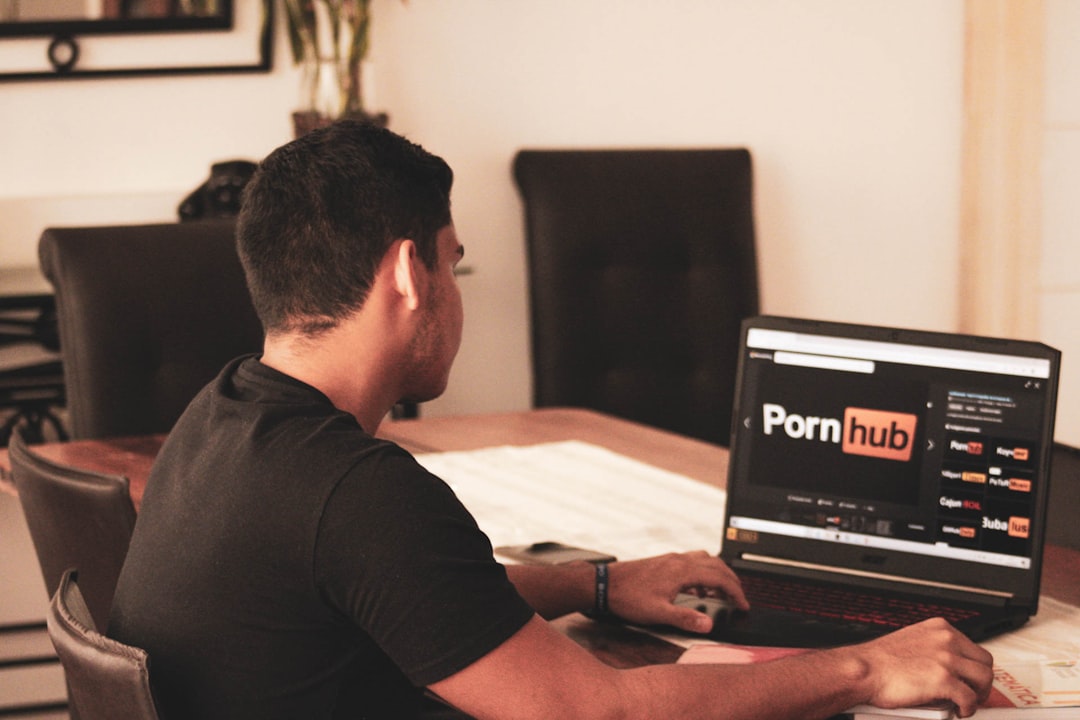
Something felt off. You couldn't quite name it. And then you found out your partner watches porn, and suddenly your brain is running a thousand tabs at once.
First, take a breath.
Porn use in relationships is one of those topics that tends to detonate quietly. Nobody screams about it in public. People whisper, Google frantically at 2am, or stew in silence for weeks before saying anything. And the worst part? Most of us were never given a real framework for thinking about it. We got shame, or permission slips, but rarely anything actually useful.
The Reality Check: Porn Is Everywhere, and Most People Watch It

Let's start with the baseline. Research consistently shows that a significant majority of adults have watched pornography, and many do so regularly. It's not some fringe behaviour reserved for a specific type of person. It's common. Very common.
That does not mean it's always harmless.
The distinction that actually matters isn't whether your partner watches porn. It's how they watch it, why they watch it, what effect it has on them, and what effect it has on you and your relationship together. Those are four very different questions, and they deserve four very different answers.
A 2021 study published in the journal Archives of Sexual Behavior found that the relational impact of pornography use depends heavily on contextual patterns within the couple, not just individual consumption (Kohut, Landripet, & Štulhofer, 2021). In other words, solo use, secret use, and shared use land very differently in a relationship. Context is everything.
Signs That It's Actually a Problem

Here's where I want to be real with you. Not everything is a red flag. But some things absolutely are.
Watch for a pattern of secrecy. If your partner hides their use, becomes defensive or hostile when you bring it up, or has lied about it, that's not just a "porn thing." That's a dishonesty thing. Secrecy erodes trust in ways that go far beyond the content being hidden.
Watch for escalation. Compulsive use often comes with a need for more intense or extreme content over time. If your partner is spending increasing amounts of time watching porn, and that time is displacing sleep, work, connection, or intimacy with you, that escalation is worth paying attention to. It's not about judging the content. It's about noticing when a behaviour has taken on a life of its own.
Watch for real-life intimacy withdrawal. One of the most painful signs that porn use has become disruptive is when physical and emotional intimacy in the relationship quietly disappears. You reach for your partner and something feels absent. Sex becomes infrequent, mechanical, or gets avoided entirely. This isn't always caused by porn, but when it coincides with heavy solo use, it's worth naming out loud.
And finally, watch for how you feel. Your feelings aren't proof of wrongdoing, but they are data. If you feel consistently invisible, not enough, or replaced, those feelings deserve space in a conversation, not suppression.
When It's Probably Fine (Yes, Really)

Not every instance of porn use is a crisis waiting to be diagnosed.
If your partner occasionally watches porn and it isn't affecting your sex life, your connection, or their day-to-day functioning, you are allowed to decide that's okay. That boundary belongs to you. Plenty of healthy couples coexist with one or both partners occasionally using pornography without it touching the quality of what they share together.
If your discomfort is rooted in a values mismatch rather than actual harm, that's a different conversation. It's a valid one, but it's less "is this addiction" and more "are we compatible in how we feel about this." Both conversations matter. They're just different conversations.
How to Actually Bring It Up Without It Exploding

Timing matters more than most people think. Don't bring this up mid-fight, or right after you've discovered something upsetting. Let yourself calm down first. You want a conversation, not a verdict.
Start with your experience, not an accusation. "I've been feeling disconnected from you lately, and I want to understand what's going on for both of us" lands very differently than "I know what you've been doing and it's disgusting." The second one shuts a door. The first one opens one.
Be specific about what's actually bothering you. Is it the secrecy? The frequency? The type of content? The effect on your intimacy? Lumping everything into one explosive confrontation makes it nearly impossible to actually resolve anything.
And yes, this is a topic where a therapist is genuinely useful. If you've tried talking and keep hitting walls, working with a couples therapist who has experience in relationship repair and sexual concerns can make the difference between a conversation that transforms things and one that just causes more damage.
What About Rebuilding Intimacy?

If porn use has quietly wedged distance into your relationship, rebuilding intimacy is a practice, not a single conversation.
That means prioritising physical closeness that isn't goal-oriented. Touching, sleeping near each other, making eye contact during mundane moments. The small things rebuild the bridge before you try to run traffic across it again. It also means being honest about what you want in your sex life together. Sometimes what feels like a porn problem is actually a signal that the relationship's sexual dynamic needs a renegotiation. Not a judgment. A renegotiation.
Exploring what excites both of you, introducing novelty that you both feel comfortable with, and making space for genuine aftercare and emotional safety after intimacy can all help rebuild what felt lost. If you're looking for ways to bring new energy into your intimate life, couples toys are one low-pressure way to explore pleasure together rather than separately.
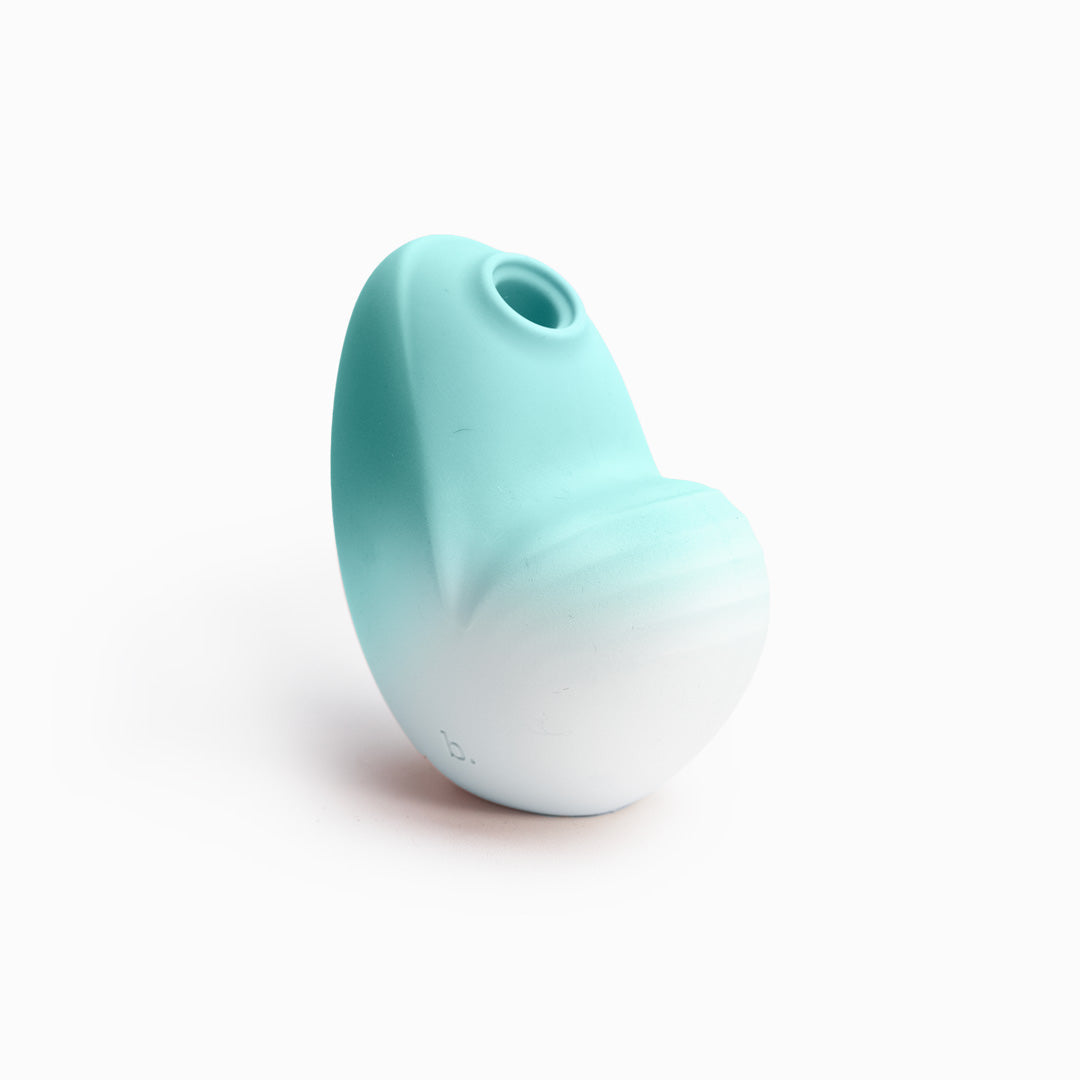
Something like the Namii 2, a dual-action clitoral suction and vibration toy, is the kind of thing couples can discover together. It shifts the experience from solo and secretive to shared and playful. That shift in itself can be quietly healing.
The Line Between Habit and Compulsion
Not all frequent use is compulsive. But compulsive use has real, recognisable features.
When someone repeatedly tries to cut back on porn and can't, when they feel intense shame or guilt afterward but keep returning to it, when it starts crowding out responsibilities, relationships, and wellbeing, that pattern has moved past habit territory. It's worth taking seriously. Not with judgment, but with care. Compulsive pornography use responds well to therapy, and your partner choosing to address it is a meaningful act of respect for themselves and for you.
If you're on the other side of this and you're supporting a partner through it, that's an emotionally heavy place to be. Make sure you're tending to your own needs too. Exploring clitoral vibrators or other solo pleasure tools is one small but real way to maintain your own connection to pleasure and your body while you navigate something difficult together.
Bottom Line
Your discomfort deserves to be heard. Full stop.
But discomfort isn't the same as crisis. Some situations need a conversation. Some need a therapist. Some need a clearer look at your own values and what you actually want from your relationship. And occasionally, a good honest talk followed by a shared moment of playfulness is exactly enough.
What's never the answer is silence. Sitting alone with something this loaded, scrolling through forums, wondering if you're overreacting or underreacting, fixes nothing. You deserve real information, real conversation, and a relationship where your needs are actually on the table.
If you're not sure what you want, start there. Figure out what you need. Then ask for it.
Want to make your journey even more exciting? I've handpicked some amazing toys and goodies at Hello Nancy that'll add extra sparkle to your intimate moments. (Here's a little secret. use 'dirtytalk' for 10% off!)
Frequently Asked Questions
Is it normal for my partner to watch porn even when we have an active sex life?
Yes, for many people porn use is separate from how satisfied they are in their relationship. Casual, occasional use doesn't automatically indicate dissatisfaction with a partner. What matters more is whether both partners are comfortable with it and whether it's affecting the relationship's intimacy or trust.
How do I tell the difference between my partner having a porn problem versus me just feeling insecure?
Both can be true at the same time. A porn problem typically involves secrecy, compulsive use that your partner struggles to control, or a measurable negative effect on your shared intimacy and connection. Insecurity, on the other hand, is more about feelings of inadequacy that may exist independently of your partner's actual behaviour. Talking to a therapist can help you separate the two.
My partner's porn use is making me feel unattractive and not enough. What should I do?
Those feelings are real and they deserve to be expressed. Start by having a calm, direct conversation with your partner about how their behaviour is affecting you, using "I feel" language rather than accusations. If the conversation keeps going in circles, couples therapy is an excellent next step.
Can watching porn together as a couple help or make things worse?
Research suggests that mutual, consensual use by couples can sometimes increase sexual openness and intimacy. The key word is consensual. If one partner feels pressured, uncomfortable, or like they're competing with what they're watching, it's more likely to cause harm than good. Go in with open communication and no pressure.
What are the warning signs of porn addiction in a partner?
Key warning signs include compulsive use that your partner can't seem to reduce despite wanting to, increased secrecy and defensiveness, withdrawal from sexual intimacy with you, escalation to more extreme content, and visible distress or shame around their use. If several of these apply, professional support is a genuinely good idea.
Should I give my partner an ultimatum about porn use?
Ultimatums can sometimes create change, but they rarely create understanding. Before going that route, try expressing your specific needs and boundaries clearly and calmly, and giving your partner a genuine chance to respond. If you've already had those conversations and nothing has shifted, then setting a firm boundary around what you will and won't accept in your relationship is completely valid.
Does porn use always mean my partner is unhappy in our relationship?
Not at all. For many people, porn use is habitual and largely disconnected from relationship satisfaction. It's not a reliable indicator of unhappiness, boredom, or unattractiveness on your part. That said, if it's paired with emotional distance or intimacy avoidance, those other factors are worth exploring in conversation.
How do I bring up my partner's porn use without starting a fight?
Choose a calm, neutral moment when neither of you is stressed or upset. Lead with your own feelings rather than accusations or labels. Say what you've noticed and how it's affecting you, then invite your partner to share their perspective. The goal is understanding first, resolution second.