Add $12.00 to get Free Gift



Some nights you finish and the person you need isn't there. Not physically, not emotionally, sometimes not at all.
Maybe you're in a long-distance relationship. Maybe your partner fell asleep the moment their head hit the pillow. Maybe it was a casual encounter that ended with a polite goodbye and a door click. However you got here, you're in that soft, vulnerable post-sex space with nobody to hold you. And that can feel lonelier than being alone ever does.
Here's what nobody really explains: aftercare isn't a couples activity. It's a nervous system activity.
What Aftercare Actually Is (And Why Your Brain Needs It)
Aftercare is the intentional practice of tending to yourself after sexual activity. It can be physical touch, soothing words, food, warmth, hydration, or just quiet presence. The goal is to help your body and brain transition safely from an activated, flooded state back to baseline.
During sex, your body runs a complex cocktail of hormones: oxytocin, dopamine, endorphins, and adrenaline all surge. When the activity ends, those chemicals don't just quietly pack their bags and leave. They drop, sometimes sharply. That crash is real, and it can feel like sadness, irritability, a hollow ache, or sudden inexplicable tears even after a genuinely good experience.
In BDSM communities, this phenomenon is known as "sub drop" or "drop," but the hormonal mechanism is the same regardless of the type of sex you had.
When there's a partner present, their warmth, voice, and physical presence help buffer that drop. When you're alone, you have to build that buffer yourself.
You can.
Why Solo Aftercare Gets Skipped (And Why That's a Problem)
Most of us were never taught to care for ourselves after solo sex, or after partnered sex where the partner vanished. We rolled over, grabbed our phone, doom-scrolled for twenty minutes, and called it a night. Sound familiar?
The problem is that without any transition ritual, your nervous system stays partially activated. You might feel weirdly flat the next morning. Emotionally tender in ways you can't explain. Slightly disconnected from yourself.
Skipping aftercare after solo play with vibrators for women or any kind of self-pleasure isn't some minor oversight. It's the difference between ending an intimate experience with care and just abandoning yourself at the door.
You wouldn't do that to a partner. Don't do it to you.
The Physical Stuff: Your Body's Checklist
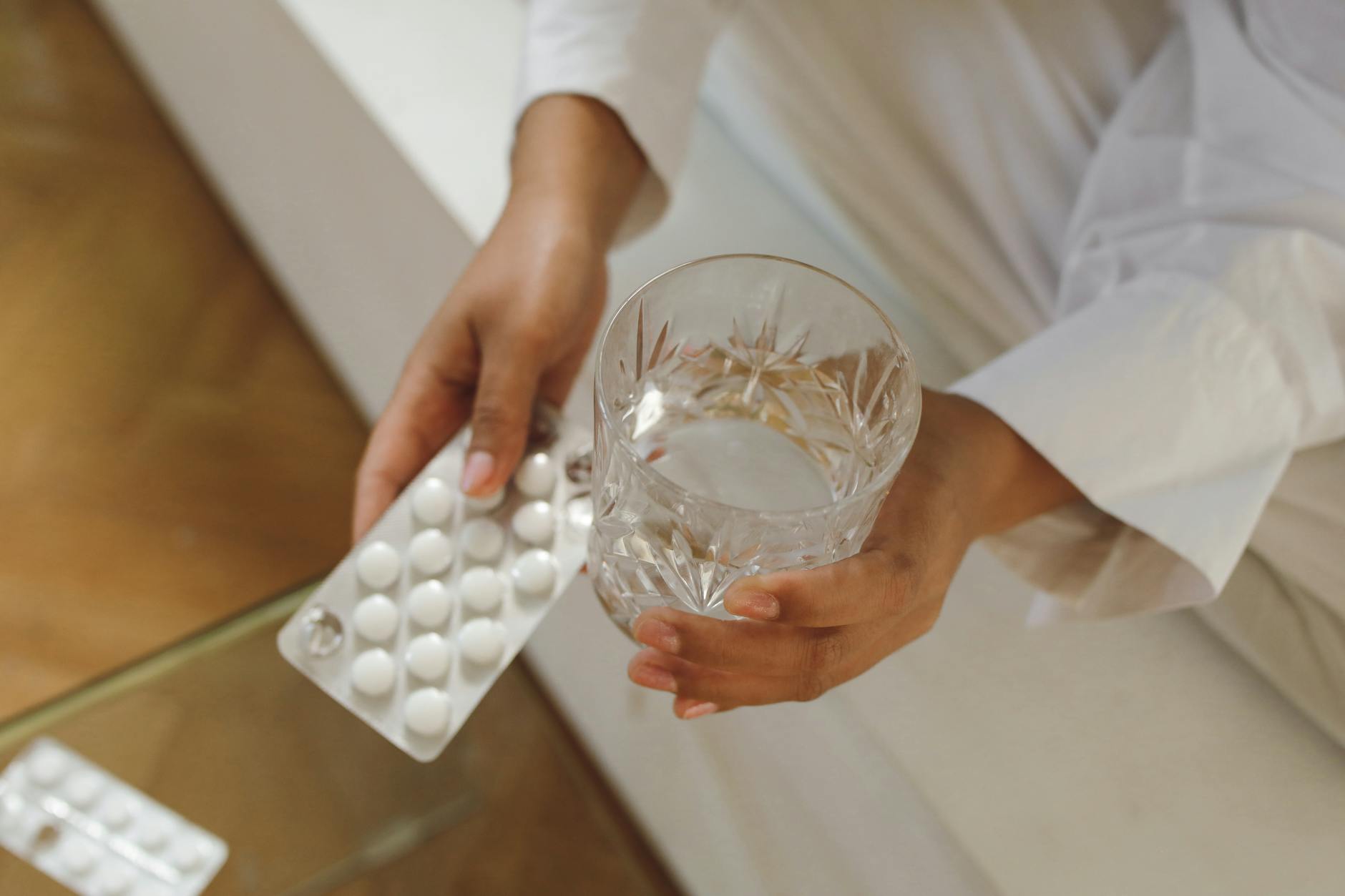
Start here, because your body has needs that are simple and immediate.
Drink water. Sex is dehydrating in ways most people underestimate, and rehydrating signals to your body that you're being taken care of. Get a warm cloth or take a brief shower, not to "clean up" in a rushed, functional way, but slowly and warmly, letting the water do its nervous-system-calming thing. Then wrap yourself in something soft. A blanket, a robe, a worn-in hoodie. Warmth after sex is genuinely regulating.
Eat something small if it's been a while. Blood sugar dips after intense physical activity. A small snack, something real, not a scroll through Instagram, gives your body a clear signal: the experience is complete, and you are being nourished.
The Emotional Stuff: When the Quiet Gets Loud
Sometimes the body stuff is easy. The feelings are harder.
After sex, your emotional defenses tend to be down. That's actually a feature, not a bug. It's why intimacy can feel so profound. But it also means that unprocessed feelings, loneliness, longing, grief, or even just the garden-variety ache of wanting more connection, can rise up fast once the stimulation stops.
Research from the Sexual Health Alliance has noted that solo aftercare is relevant not just for people in kink communities but for anyone who engages in solo sex or intimacy within long-distance relationships. The need doesn't disappear because a second person isn't in the room.
Journaling for five minutes can do more emotional work than an hour of distraction. Not a deep, structured reflection. Just whatever is true right now. A few sentences. You don't need a theme.
If you find yourself reaching out to the person you just had sex with via text, that impulse makes complete sense. Connection is what you want. Just be intentional about it. A quick, warm message is lovely. Anxious checking-in at 2am that you'll regret is something else entirely.
The Mental Reset: Transitioning Out of the Intimate Space

Aftercare also includes giving your mind something gentle to do.
This isn't about distraction. It's about transition. There's a difference between numbing yourself with a screen and genuinely moving through a threshold from one state to another. Some people read a few pages of a novel. Others listen to a specific playlist they've come to associate with winding down. Some make a cup of tea with real attention, choosing the mug, watching the water, smelling the steam.
The ritual matters more than the content. You're teaching your nervous system: this is what it feels like to be finished, safe, and cared for. Over time, that becomes a reliable return address for yourself.
When Aftercare Is About Distance: Long-Distance Relationships
If your partner is physically far away, aftercare can absolutely still be shared. It just looks different.
A voice note right after. A brief video call where you don't have to talk much, just see each other's faces. Synchronized rituals where both of you make tea at the same time and sit quietly together over a call. These small acts of deliberate connection aren't a consolation prize. They're actually quite intimate. They require intention rather than proximity, and intention is its own kind of care.
For couples navigating distance, it also helps to discuss aftercare explicitly before your next encounter. What do each of you need? Who reaches out first? Having that structure means you're not improvising in your most vulnerable moment.
If you want more practical tools for navigating intimacy when you're apart, the guide to different sexual preferences in relationships covers a lot of the honest conversation work that also applies here.
Solo Play and Aftercare: You Deserve This Too
Self-pleasure deserves aftercare just as much as partnered sex does. Full stop.
When you use clitoral vibrators or any other toy for solo pleasure, you're still running the same hormonal cycle. The oxytocin still rises and falls. The emotional vulnerability window still opens. The nervous system still needs a soft landing.
A product like the Berri edging clitoral massager can make solo play richer and more intentional. And intentional play, paired with intentional aftercare, turns a moment into a full experience. That's not luxury. That's how you respect your own body.

The ritual of putting your toy away thoughtfully, washing it properly, maybe lighting a candle and finishing with something warm, those steps tell your brain that what just happened mattered. It closed. You were there for it.
Building Your Personal Aftercare Menu
Not everyone calms down the same way. That's the whole point of having your own practice.
Some people need sensation: warmth, soft textures, physical grounding. Others need silence and stillness. Some need words, either their own in a journal, or a voice message from someone who loves them. Some need movement, a short walk around the block, a few slow stretches. The best way to find out what works for you is to try things intentionally for a few weeks and notice what actually leaves you feeling settled rather than scraped out.
Your aftercare menu doesn't have to be elaborate. It has to be yours.
With couples toys or solo use, adding even one small deliberate act after intimacy changes the whole texture of the experience.
Wrapping Up
You don't need another person in the room to be held. You need to decide you're worth holding. That's the whole shift. Aftercare when your partner isn't available isn't a backup plan. It's a primary practice, something you do for yourself because intimate experiences deserve a real ending, not just an abrupt silence and a locked phone screen.
Start with water. Add warmth. Layer in whatever makes your particular nervous system exhale. Do it consistently enough, and you'll stop feeling that hollow landing after sex. You'll start feeling like someone was there for you.
That someone was you the whole time. ✨
Want to make your journey even more exciting? I've handpicked some amazing toys and goodies at Hello Nancy that'll add extra sparkle to your intimate moments. (Here's a little secret. Use 'dirtytalk' for 10% off!)
Frequently Asked Questions
What is aftercare and why is it important after sex?
Aftercare is the intentional practice of tending to your physical and emotional needs immediately after sexual activity. It helps regulate your nervous system after the hormonal surge and drop that happens during sex, reducing the risk of feeling sad, hollow, or disconnected afterward. It matters whether your partner is there or not.
How do you do aftercare alone when your partner isn't there?
Start with simple physical needs: drink water, wrap yourself in something warm, and eat a small snack if needed. Then move to the emotional layer. Try journaling a few sentences, taking a slow shower, or listening to a calming playlist. The goal is to signal to your brain that the experience has ended safely and you are cared for.
What is sub drop and can it happen outside of BDSM?
Sub drop is the emotional or physical crash that happens when the hormones released during intense sexual activity drop sharply once the activity ends. While the term comes from BDSM communities, the underlying hormonal mechanism is the same for any kind of sex. You can experience mild drop after regular partnered or solo sex too.
How can long-distance partners practice aftercare together?
Long-distance couples can share aftercare through voice notes, brief video calls, or synchronized rituals like making tea at the same time over a call. The key is having a plan in place before the intimate moment, so neither partner is left improvising in a vulnerable state. Intentional connection over distance can be genuinely intimate.
Does solo masturbation need aftercare?
Yes. Solo sex triggers the same hormonal cycle as partnered sex, including the post-orgasm drop. Giving yourself a deliberate aftercare ritual after masturbation or solo toy use tells your nervous system that the experience was meaningful and complete. It significantly reduces that flat or hollow feeling some people notice after solo play.
Why do I feel sad or cry after sex even when it was good?
This is sometimes called postcoital dysphoria (PCD), and it's more common than most people realize. It happens because sex lowers your emotional defenses and triggers a sharp hormonal drop once stimulation ends. It doesn't mean something went wrong. It means your body is going through a real transition, and it needs support through that landing.
What are easy aftercare rituals I can do quickly before sleep?
Some of the most effective quick aftercare rituals take less than ten minutes: drink a full glass of water, wash your hands or face with warm water, put on soft clothing, and spend two minutes breathing slowly before you reach for your phone. Even one consistent act done every time creates a reliable nervous system signal that you are safe and cared for.
How do I ask my partner to do better aftercare with me?
Bring it up outside of the bedroom, when you're both relaxed. Frame it as sharing what you need rather than criticizing what they did wrong. Something like "after sex I feel really settled when we just lie quietly for a few minutes" is specific and low-pressure. Most partners respond well when the request is clear and kind rather than vague or blame-adjacent.