Add $12.00 to get Free Gift



Nobody hands you a pamphlet on this part. You survive labor, you bring a whole human into the world, and then somewhere around the six-week check-up your doctor says "you're cleared for sex" like that's a green light you actually want.
The fear is real. And it is so much more common than anyone talks about.
What the Fear of Postpartum Sex Actually Feels Like

Sometimes it's a quiet dread that shows up the moment your partner moves a little closer. Sometimes it's a full-body flinch at the idea of being touched in a sexual way, even by someone you deeply love. It doesn't always look like fear on the outside. It can look like changing the subject, staying up late until your partner falls asleep, or just feeling vaguely numb when intimacy comes up.
That's still fear.
The postpartum body has been through something enormous. Whether you had a vaginal birth with tearing or an episiotomy, a C-section that left a scar with its own nerve sensitivity, or a birth that went exactly as planned, your whole physical and hormonal reality shifted overnight. Expecting yourself to snap back into a sexual headspace within weeks ignores everything your body is actually processing. Research shows that up to 40 to 45% of people experience postpartum dyspareunia (pain during intercourse) at three months postpartum, and roughly 23% are still navigating it at eighteen months (The Bloom Method, 2024). That's not a fringe experience. That's nearly half of all new parents.
The Physical Reasons Behind the Fear
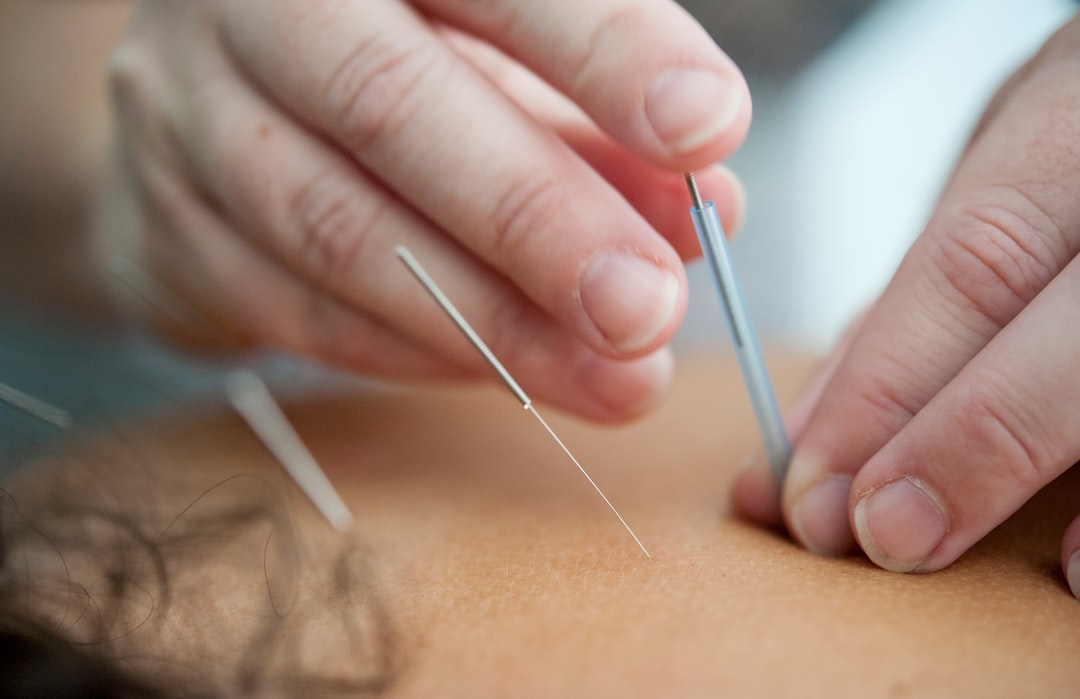
Here's what's happening under the surface. After birth, estrogen and progesterone levels drop sharply while prolactin, the hormone that supports breastfeeding, surges. That hormonal shift actively suppresses libido and causes vaginal dryness that can make any kind of penetration genuinely painful, not just uncomfortable. It's a biological response, not a personal failure.
Pelvic floor muscles also need real time to recover. Depending on the birth, they may be weakened, overstretched, or in protective spasm, which creates a tight, guarded sensation that makes sex feel threatening even before it begins. A pelvic floor physiotherapist is one of the most underutilized postpartum resources out there, and connecting with one early can change the entire trajectory of your recovery.
If you're breastfeeding, the dryness is often more pronounced and lasts longer. Nearly a third of breastfeeding parents report dyspareunia at six months postpartum, compared to roughly 13% of those who are not breastfeeding (PMC, NIH, 2016). So if you're nursing and wondering why sex still feels impossible months in, that's your answer.
The Emotional Weight Nobody Prepares You For

Beyond the physical, there's an emotional layer that gets almost no airtime. Your body did something extraordinary. But it also changed in ways you might still be processing, and that relationship with your own body can feel complicated long before sex enters the picture.
Some new parents feel disconnected from their body entirely. It was a vessel, a source of nourishment, a source of pain. Reclaiming it as a site of pleasure takes time and intention. That's not dysfunction. That's a natural recalibration.
Postpartum depression and postpartum anxiety also have a direct, documented impact on desire. When your nervous system is running on survival mode and your brain is at full cognitive capacity managing a newborn, shifting into a sensual headspace isn't just hard. It can feel genuinely impossible. If you've been navigating postpartum mental health challenges, be gentle with yourself here. Healing emotionally is not separate from healing sexually. They're the same process.
There's also the grief of identity. You are a different person than you were before birth. Your relationship with your partner may feel different too. Some couples describe feeling more like co-parents than lovers in the early months, and grieving that shift is valid even when you love your baby fiercely. If that dynamic sounds familiar, reading about how to take care of yourself after sex when emotional needs aren't being fully met by a partner can open up a useful conversation.
When You and Your Partner Are on Different Pages

One of the most common postpartum dynamics nobody talks about openly: your partner is ready. You are not. And both of you feel the tension, but neither knows how to say it out loud without someone feeling rejected or misunderstood.
This is incredibly common, and it doesn't mean your relationship is broken.
Your partner may be seeking reconnection after weeks of navigating a new parenting role while also managing their own fears and grief. That desire for intimacy often isn't just physical. It's a reach for closeness and reassurance. Understanding that doesn't mean you owe sex. But it can help reframe the dynamic from pressure to a mutual longing for connection. Honest, low-stakes conversations about what each of you actually needs right now, not just physically but emotionally, can do more than any "just try it" advice ever will. If talking about it directly feels too charged, consider that exploring healthy relationship boundaries as a couple can give both of you language for what's happening.
Practical Ways to Ease Back Into Intimacy
Start smaller than you think you need to. Intimacy doesn't start with penetration. It starts with feeling safe in your body with another person nearby.
Touch that has no agenda is genuinely therapeutic. Massage, cuddling, kissing without any expectation of escalation, these things rebuild neural pathways of safety and pleasure that birth can temporarily disrupt. Before any kind of penetrative sex is on the table, spend time just being physical without any destination in mind.
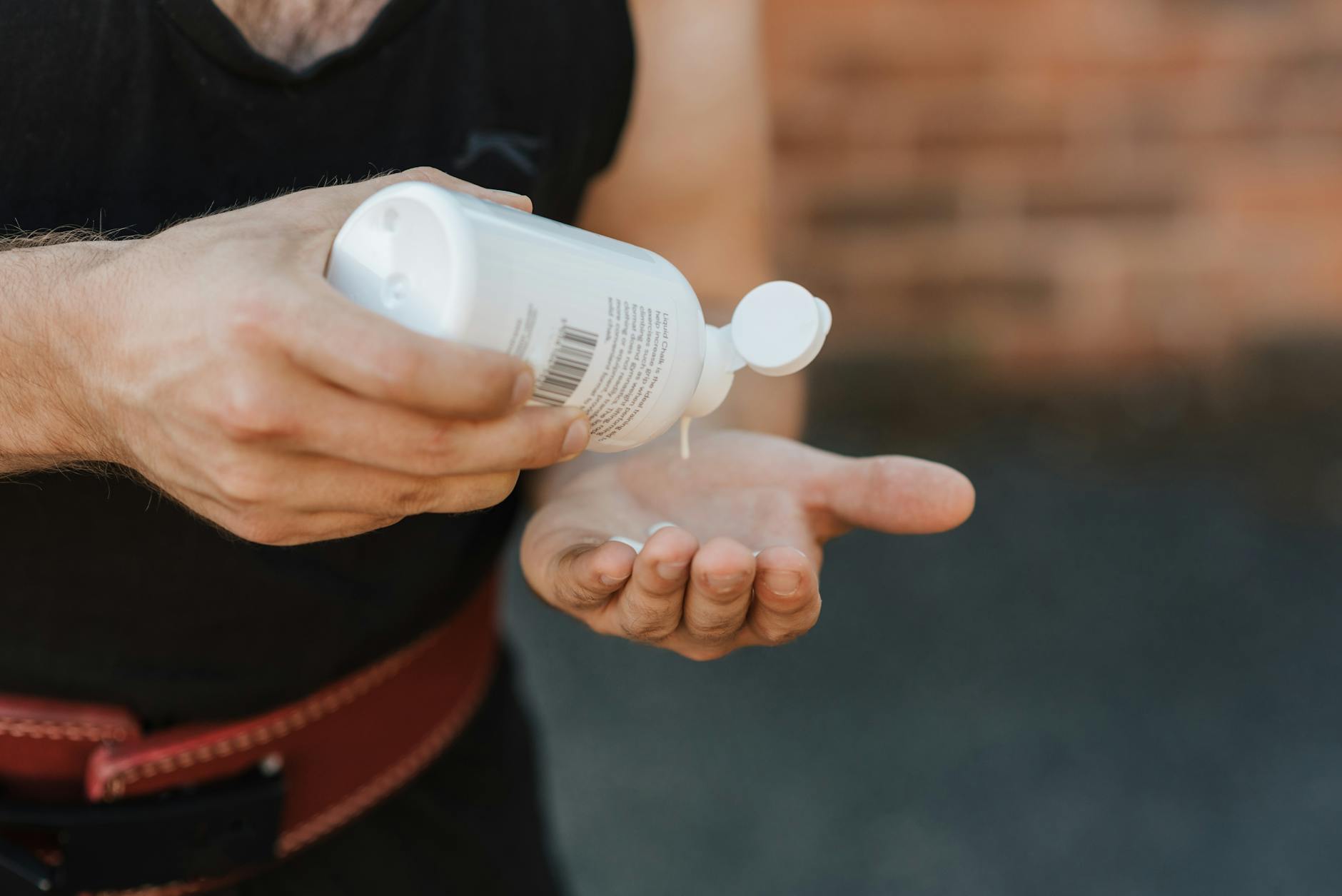
When you do feel ready to explore more, use a high-quality lubricant every single time. Postpartum dryness is not something willpower or arousal alone will fix. Water-based lubricants are compatible with most vibrators for women and silicone toys, and they make a real difference in comfort. Don't treat lube as optional or as a sign that something is wrong. It's just practical postpartum anatomy.
Solo exploration before partnered sex is also deeply underrated. Getting reacquainted with your own body on your own terms, without performance pressure, can help you reconnect with pleasure in a low-stakes way. Clitoral vibrators work beautifully here because clitoral stimulation doesn't require any internal pressure and can feel completely comfortable long before you're ready for penetration. The Avo clitoral massager is a gentle, intuitive option that many people reach for in exactly this kind of reintroduction.
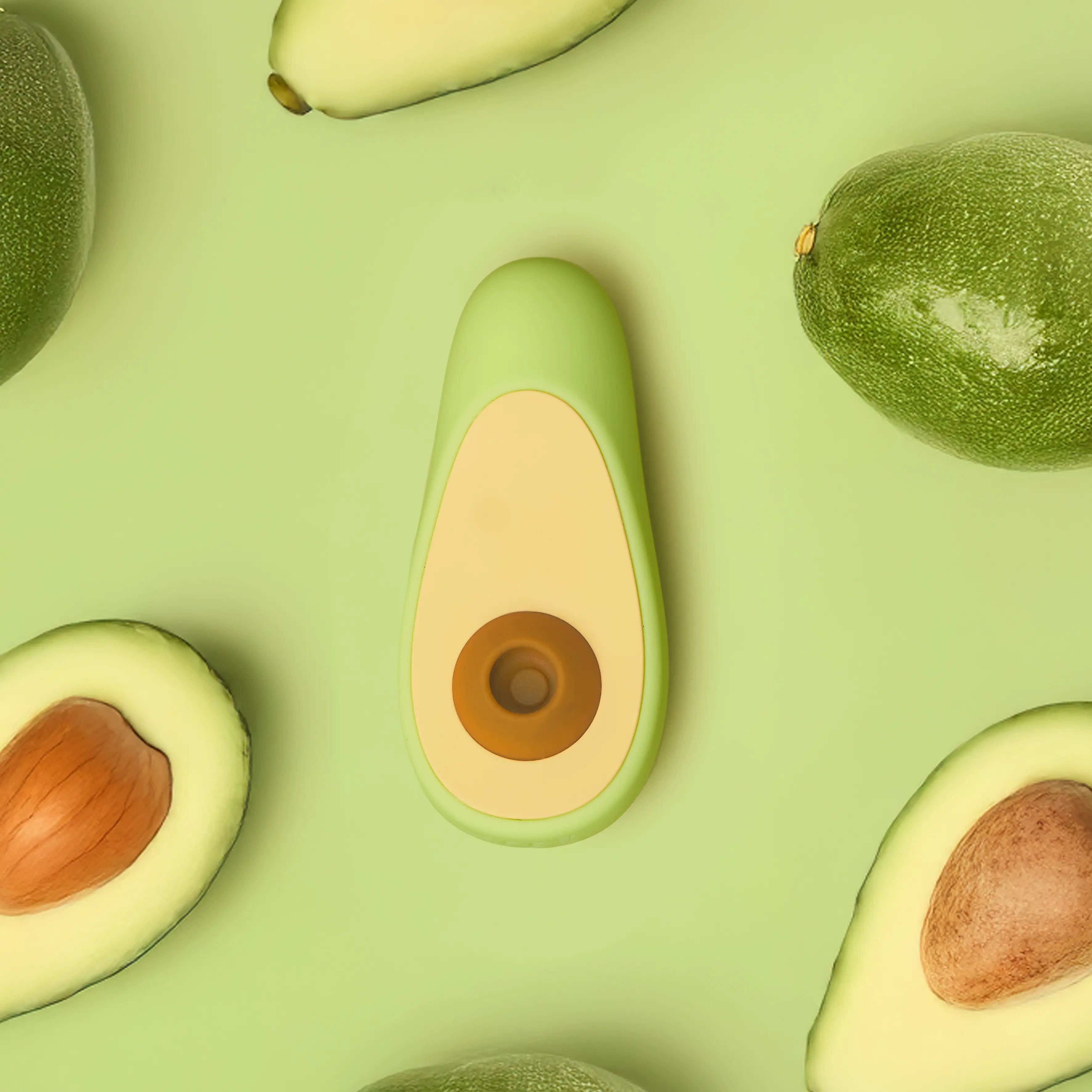
If you want to gently re-explore couples toys with your partner, external vibration can add pleasure without any penetration, which keeps the experience pressure-free and lets both of you focus on sensation rather than performance.
When to Talk to a Professional
If the fear or pain persists beyond six months, please don't white-knuckle it alone. A pelvic floor physiotherapist can assess what's physically happening with your muscles and scar tissue. A sex therapist or counselor who specializes in perinatal issues can help unpack the emotional layers. Both are legitimate medical needs, not luxuries.
Pain during sex is not something to push through. It's information. Your body is telling you something, and working with the right professional turns that message into a roadmap instead of a wall.
Bottom Line
The fear of postpartum sex is one of the most universal and least-discussed parts of new parenthood. It isn't weakness. It isn't a sign your relationship is failing or that your body is broken. It's a signal that you've been through something enormous and you need time, gentleness, and accurate information, not a countdown timer.
You get to set the pace entirely. Your body, your timeline, your terms.
For more on navigating postpartum intimacy from a grounded, honest perspective, the article on sex while breastfeeding covers a lot of ground that overlaps with exactly what you may be feeling right now.
Want to make your journey even more exciting? I've handpicked some amazing toys and goodies at Hello Nancy that'll add extra sparkle to your intimate moments. (Here's a little secret. Use 'dirtytalk' for 10% off!)
Frequently Asked Questions
How long does it take for sex to feel normal again after giving birth?
There's no single timeline, and that's genuinely okay. Many people feel comfortable returning to some form of sexual intimacy between two and four months postpartum, but others take six months to a year or longer. Physical healing, hormonal changes, breastfeeding status, and emotional readiness all factor in, and none of those follow the same clock.
Is it normal to be scared of sex after a vaginal birth?
Completely normal. Fear of pain, fear of tearing again, fear of your body feeling different, these are all extremely common responses after a vaginal birth. Up to 40-45% of people experience painful sex at three months postpartum, so the fear often has a real physical basis worth addressing with a pelvic floor physiotherapist.
Why do I have no desire for sex after having a baby?
Low postpartum libido is driven by a significant hormonal shift. Estrogen and progesterone drop sharply after birth while prolactin rises, and that combination directly suppresses sexual desire. Add sleep deprivation, physical recovery, identity shifts, and the mental load of new parenthood and low desire makes complete biological and psychological sense.
Can postpartum anxiety cause a fear of sex?
Yes, directly. Postpartum anxiety keeps the nervous system in a heightened state of alert, which is the opposite of what the body needs to feel safe and open to pleasure. If anxiety is significantly affecting your daily life or your relationship, speaking with a perinatal mental health specialist is one of the most effective steps you can take.
Does breastfeeding make postpartum sex more painful?
It can, yes. Breastfeeding elevates prolactin, which suppresses estrogen and leads to vaginal dryness and tissue thinning. Studies show breastfeeding parents are more than twice as likely to experience dyspareunia at six months postpartum compared to non-breastfeeding parents. Using a high-quality lubricant consistently makes a significant difference.
How can I help my partner understand my fear of postpartum sex?
Start with honesty, and frame it around what you're experiencing rather than what your partner is doing. Explaining the physical and hormonal realities, not just the emotional ones, can help your partner understand that this isn't rejection. It's recovery. Setting a gentle check-in cadence, like agreeing to revisit the conversation in a few weeks without pressure, can also reduce tension on both sides.
Is it normal to feel disconnected from your body after giving birth?
Very normal. Your body just performed one of the most physically demanding events a human body can go through, and it may have changed in visible, tangible ways. Feeling like your body is a stranger, or that it belongs to your baby more than to yourself, is one of the most frequently reported but least-discussed postpartum experiences. Gentle solo exploration and body-positive self-touch practices can help rebuild that sense of ownership over time.
When should I see a doctor or specialist about postpartum sexual pain?
If pain, fear, or avoidance is significantly affecting your relationship or quality of life at any point, that's worth addressing with a professional. You don't have to wait a specific number of months. A pelvic floor physiotherapist is the ideal first referral for physical pain, while a sex therapist or perinatal counselor is best for fear-based or emotional avoidance.