Add $12.00 to get Free Gift


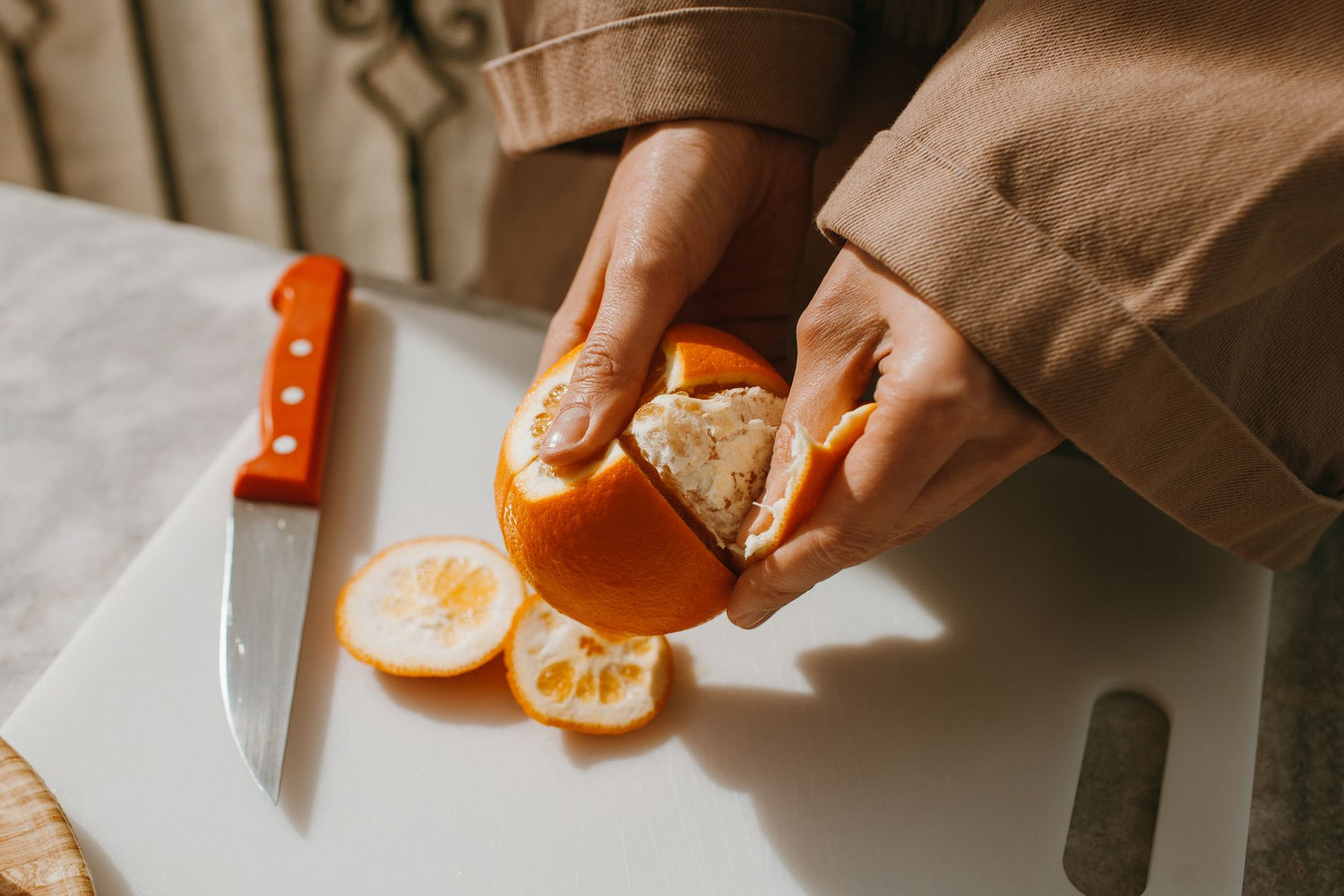
Somebody's partner peeled an orange for them on TikTok, and the internet completely lost it.
Not because oranges are inherently romantic. But because that tiny, unprompted act of peeling fruit said something most of us spend years trying to figure out about the person we're with. It said: I notice what you need, and I'll do it without being asked.
What Is the Orange Peel Theory, Exactly?
The Orange Peel Theory is a TikTok-born relationship concept that gained serious traction in late 2023 and carried well into 2024. The premise is refreshingly simple: you ask your partner to peel an orange for you. Their response, whether they do it cheerfully, do it reluctantly, or flat-out refuse, is supposed to reveal how they feel about showing care in everyday moments.
It's not a clinical diagnostic tool. Nobody's getting a relationship report card.
But the reason it resonated with millions of people is that it points to something genuinely real: the way small, practical gestures communicate love far more loudly than grand declarations ever could. As Gary Chapman outlined in his foundational work on the five love languages, "acts of service" is a legitimate way many people both give and receive affection. Peeling an orange is textbook acts of service. And if your partner does it without sighing, rolling their eyes, or negotiating, that matters.
Why a Tiny Gesture Can Feel Like Everything
Here's what actually happens psychologically when someone does something small for you, unprompted. Your brain reads it as proof of attunement. Attunement is the therapeutic concept of truly seeing another person, noticing their needs before they have to spell them out. When your partner peels that orange, your nervous system registers: this person is paying attention to me.
That's not nothing.
In fact, research on relationship satisfaction consistently points to what psychologist John Gottman calls "bids for connection," the small everyday moments where partners either lean toward each other or turn away. Peeling an orange is a bid turned into an action. It says: your comfort is worth two minutes of my time. And honestly? That's the foundation most long-term love is actually built on. Not the dramatic airport runs or surprise Paris trips. The quiet, consistent, "here, let me do that for you."
But Wait. Is This Test Actually Fair?
Let me pump the brakes here, because this is where the internet gets it a little wrong.
The Orange Peel Theory is a beautiful lens for thinking about everyday care. It becomes a problem the moment you treat it as a definitive verdict on your relationship. Your partner might have a totally different emotional care language. Maybe they show love by silently fixing things around the apartment, by remembering your coffee order without asking, by staying up late to talk you through a terrible day. If acts of service isn't their primary language, a peeled orange might genuinely not occur to them as meaningful. That doesn't make them cold. It makes them different.
The test only works if you're both already speaking the same dialect of love.
Think of it less as a pass/fail exam and more as a conversation starter. If you watched a TikTok, laughed, and asked your partner "would you peel an orange for me?" and they looked confused, that's not a red flag. That's an opening. An invitation to talk about what care actually looks like to each of you, what you notice, what you need, and what you're both maybe not saying out loud.
The Broader Truth: Devotion Lives in the Mundane

We've been conditioned to measure love by its spectacle.
The flowers, the grand gesture, the speech at the birthday dinner. But devotion? Real, sustainable devotion? It's made of a thousand tiny unremarkable moments. It's asking "did you eat today?" It's turning down the TV when you walk in looking tired. It's, yes, peeling the orange because you mentioned your hands were sore.
This is why the Orange Peel Theory hit a nerve. It gave language to something people already felt but couldn't quite name: that the way a partner treats your small requests reveals how they'll treat your big ones. Someone who makes you feel like a burden for asking them to pass the remote is going to make you feel like a burden when you ask for emotional support during a hard month. The micro mirrors the macro. Always.
And intimacy isn't just emotional, of course. The same logic applies in the bedroom. Partners who are attentive to small signals, who notice when you shift, when your breathing changes, when you go quiet, are the same partners who respond thoughtfully to what you actually want. Whether that's a particular kind of touch or the curiosity to explore something new together, like discovering what couples toys might bring you both closer. Attunement is attunement, wherever it shows up.
How to Actually Use the Orange Peel Theory (Without Making It Weird)

You don't need to orchestrate a literal orange-peeling ritual. The real takeaway is far more useful than that.
Start noticing the micro-moments in your relationship. When you mention something small, does your partner act on it? When you're tired, does anyone notice? Do you feel like your preferences are registered or consistently overlooked? These aren't dramatic questions. They're quiet ones, and the answers tell you a lot.
If you want to explore this actively, you can bring it up directly. Just say: "I saw this Orange Peel Theory thing, and it made me think about how we both show love in small ways. What are some things I do that actually land for you?" That's it. No test. No gotcha. Just a genuine conversation about what makes each of you feel seen. Couples who can talk about this stuff openly, even awkwardly, even with a little nervous laughter, are the ones who tend to actually figure it out over time.
When the Theory Reveals Something Real
Sometimes, though, the orange doesn't get peeled. And the feeling that follows tells you everything.
If you notice a consistent pattern of small requests being dismissed, of your needs being minimized or ignored, that's worth paying attention to. Not because one fruit-peeling moment damns a whole relationship, but because repeated patterns of disregard add up. Feeling like you're asking for too much when you're asking for very little is a specific kind of exhaustion, and you deserve better than that. You deserve a partner who finds it genuinely easy to show up in small ways, not because they're performing devotion, but because caring about your comfort is just... obvious to them.
If you're navigating that kind of deeper reflection about connection and emotional safety, it's also worth exploring affirmations for self-acceptance as part of that process. Because knowing what you deserve starts with believing you deserve it.
Intimacy Is Made of Small Things
The Orange Peel Theory went viral not because oranges are magical. It went viral because people saw themselves in it.
They recognized the quiet ache of feeling unseen in small moments. They recognized the warmth of a partner who just handles things without being asked. They recognized that love, at its most practical, is just sustained attention. If your partner peels the orange, fantastic. If they don't, ask yourself: what do they do? And what do you do? Because attunement goes both ways, and the best relationships are the ones where both people are actively trying to notice each other.
For the parts of intimacy that go beyond the kitchen counter, exploring that same attentiveness with your body is just as worthwhile. Whether you're curious about clitoral vibrators that can help you understand your own pleasure better, or vibrators for women that help you bring that vocabulary into a partnered space, knowing what you want is the first step to asking for it. And asking for it? That's its own kind of orange-peel moment.
Want to make your journey even more exciting? I've handpicked some amazing toys and goodies at Hello Nancy that'll add extra sparkle to your intimate moments. (Here's a little secret, use 'dirtytalk' for 10% off!)

The Pixie remote-controlled panty vibrator is a gorgeous example of attunement made wearable: your partner controls the sensation, and the whole dynamic becomes an exercise in paying attention to exactly what you need. That's the orange peel theory, but make it electric.
Frequently Asked Questions
What is the Orange Peel Theory in relationships?
The Orange Peel Theory is a TikTok-originated relationship concept that suggests asking your partner to peel an orange for you can reveal how willing they are to perform small acts of service. It's not a scientific test, but it highlights whether a partner tends to respond to your low-stakes needs with care and willingness or with resistance and dismissal.
Does the Orange Peel Theory actually work as a relationship test?
It works as a lens, not a verdict. The theory is useful for reflecting on how both partners show up in everyday, mundane moments. However, it's not a definitive indicator of love or commitment, especially since partners with different love languages may express care in completely different ways.
What does it mean if my partner refuses to peel an orange?
One refusal doesn't mean much on its own. What matters is whether there's a consistent pattern of your small requests being dismissed or minimized. If acts of service isn't your partner's natural love language, they might simply not think of it, and an open conversation about what care looks like to each of you is far more valuable than the test itself.
Is the Orange Peel Theory connected to love languages?
Yes, directly. Peeling an orange falls under "acts of service," one of Gary Chapman's five love languages. People who give and receive love through acts of service will naturally find this gesture meaningful. Partners with a different primary love language might express equal devotion through words of affirmation, quality time, or physical touch instead.
When did the Orange Peel Theory go viral on TikTok?
The Orange Peel Theory gained significant traction on TikTok in late 2023 and continued growing into 2024. Users began filming their partners' reactions to being asked to peel an orange and interpreting the responses as indicators of care and devotion in the relationship.
How can I bring up the Orange Peel Theory with my partner without making it awkward?
Keep it light and curious. You could say something like: "I came across this Orange Peel Theory thing and it made me think about how we show care in small ways. What do I do that makes you feel noticed?" Frame it as a conversation about connection, not a test with a right or wrong answer.
What are other small acts of service that show devotion in a relationship?
Small acts of service that signal attunement include things like refilling your partner's water glass unprompted, remembering a preference they mentioned in passing, handling a task they mentioned they were dreading, or noticing when they're tired and offering to take something off their plate. It's about sustained attention to the other person's everyday experience.
Can the Orange Peel Theory apply to intimacy and physical connection too?
Absolutely. The same attunement that makes someone notice you need help with an orange is what makes a partner genuinely responsive to your needs in intimate moments. Noticing small signals, responding to shifts in mood or body language, and staying curious about what your partner actually wants are all expressions of the same underlying quality.