Add $12.00 to get Free Gift



Your body hasn't betrayed you. It's just been put on a detour.
Antidepressants changed your life in some genuinely good ways. And then, somewhere along the line, you noticed that orgasms got harder to reach. Or slower. Or they disappeared entirely like a ghost who just stopped returning your calls. You're not imagining it, and you're not alone in this.
This is one of the most common, least-talked-about side effects of antidepressants. And the silence around it is honestly its own kind of harm.
Why Antidepressants Make Orgasms Harder
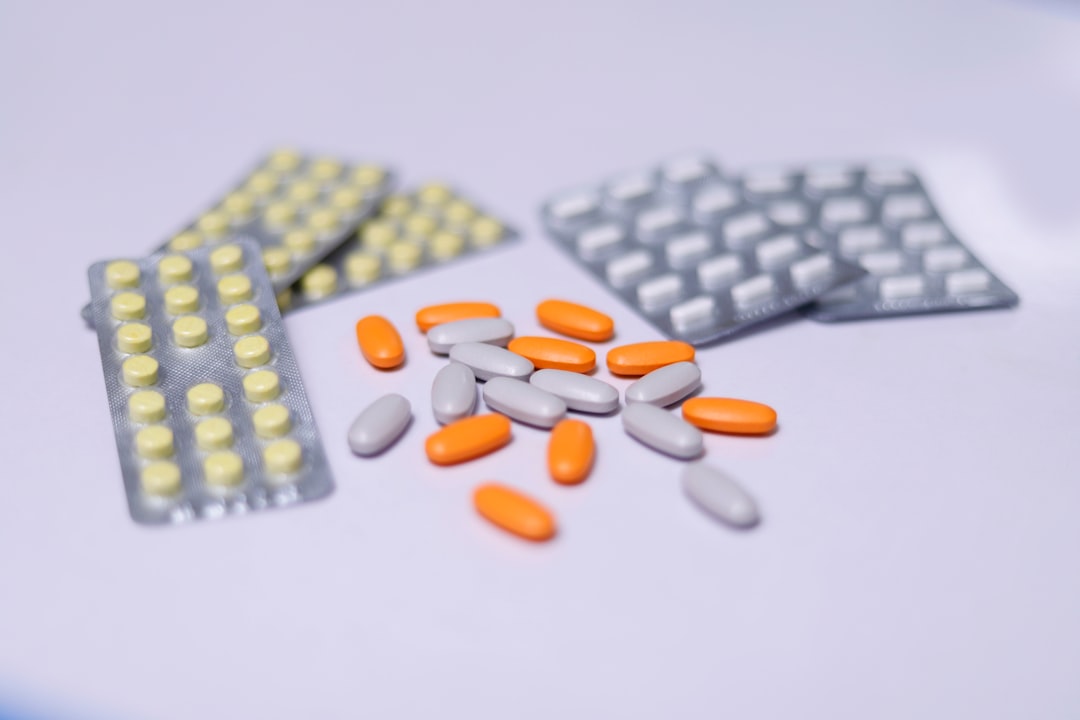
Here's the neuroscience, simplified. Most antidepressants, particularly SSRIs (selective serotonin reuptake inhibitors) like sertraline, fluoxetine, and escitalopram, work by flooding your brain with serotonin. That extra serotonin is what lifts the fog of depression. But here's the catch: it simultaneously suppresses dopamine activity in key reward centres of the brain, including the nucleus accumbens. Dopamine is the chemical of desire, drive, and yes, the build toward climax.
A 2026 systematic review and meta-analysis published in the European Journal of Clinical Pharmacology found that SSRIs were significantly associated with increased risk of orgasmic dysfunction, with a relative risk of 3.28 compared to placebo. A realistic estimate of SSRI-associated sexual dysfunction in clinical populations sits somewhere between 30% and 50%.
That's not a rare side effect. That's nearly half of everyone taking these medications.
This Isn't Just Physical. It's Also Psychological

Antidepressants blunt the emotional peaks across the board. Not just the lows, but sometimes the highs too. And orgasm is very much a peak experience. It requires a certain threshold of arousal, a sustained climb, and a release that your nervous system has to feel safe enough to allow. When your emotional range is narrowed, that climb gets harder to sustain.
Add in the fact that many people on antidepressants are also dealing with body image concerns, relationship stress, or lingering anxiety, and you've got a cocktail of friction between you and your pleasure.
None of that makes it your fault.
What Actually Helps: Real Strategies Worth Knowing
Talk to Your Prescriber First
This has to come first. Not because I'm being overly cautious, but because some of the most effective solutions sit entirely within that conversation. Your prescriber has tools you might not know about.
Switching medications is one of the most impactful options. Bupropion (sold as Wellbutrin) works on dopamine and norepinephrine rather than serotonin, and research consistently shows it carries significantly lower rates of sexual side effects. It's often used as either a replacement or as an add-on medication. Mirtazapine is another option that tends to be gentler on sexual function. The key is that you don't have to just live with this. Bring it up explicitly and clearly at your next appointment.
Timing Your Doses Strategically
Some clinicians suggest taking your SSRI dose right after sex rather than before. Since blood plasma levels of many antidepressants peak around 4-6 hours after ingestion, scheduling intimacy before your daily dose hits its peak can occasionally make a meaningful difference for some people. This is sometimes called strategic timing, and while it won't work for everyone, it costs nothing to try and has zero risk. Always worth discussing with your doctor.
More Time, More Stimulation, Less Pressure
This is the unglamorous truth that actually works.
Orgasm on antidepressants often just takes longer. The nerve pathways are still there. The capacity hasn't vanished. What's changed is the threshold, meaning you need more sustained, focused stimulation to get there. If you've been treating your pre-antidepressant timeline as the benchmark, it's time to retire that comparison entirely. Longer arousal periods, extended foreplay, and more direct stimulation are genuinely effective tools here, not consolation prizes.
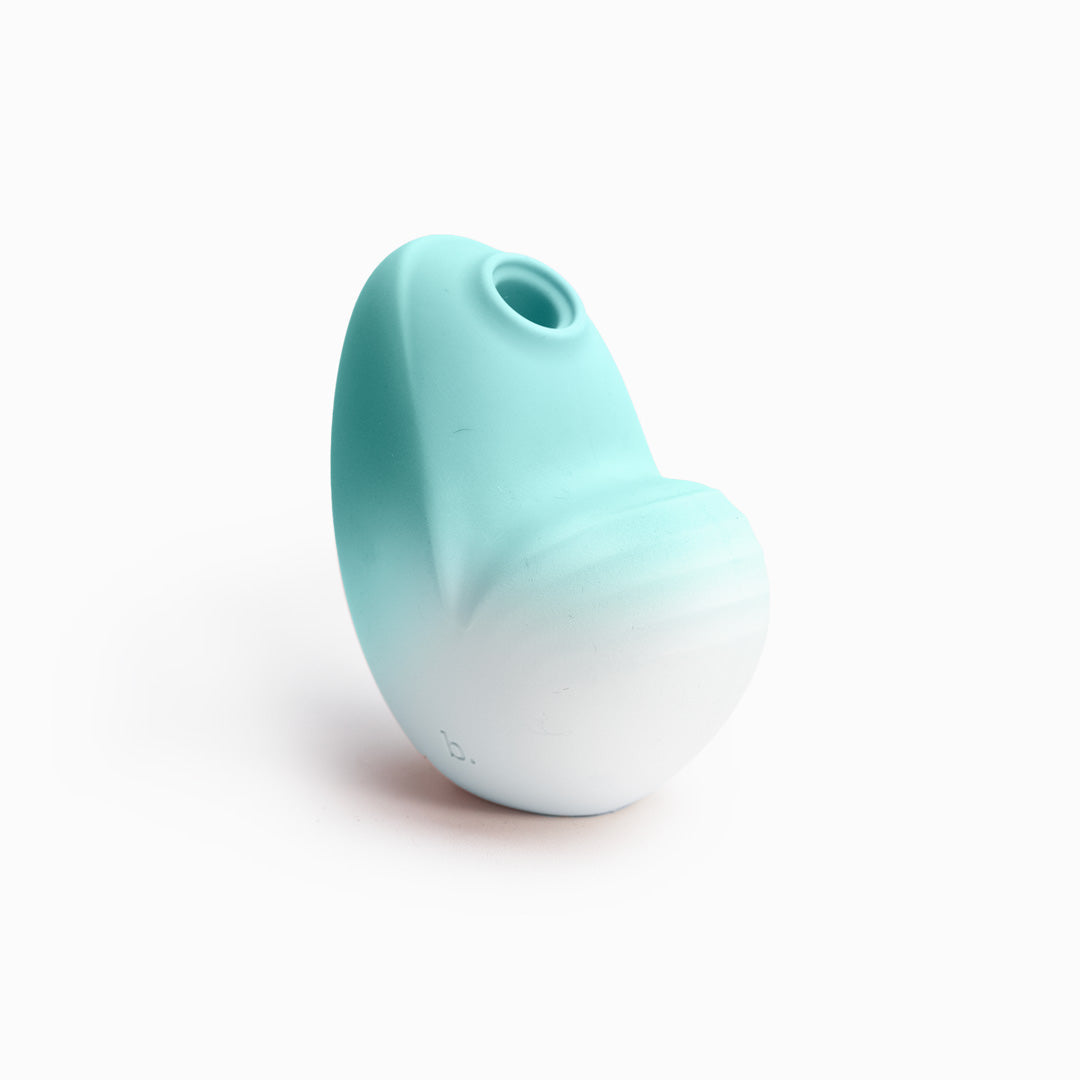
Clitoral vibrators are particularly valuable in this context because they deliver consistent, targeted stimulation that hands and partners simply can't sustain indefinitely. If your orgasm threshold has shifted, meeting it with more intensity is just practical. Something like the Namii 2 offers both suction and vibration together, which creates the kind of layered stimulation that can genuinely help bridge that gap.
Mindfulness During Sex (Yes, Really)
The distance between your head and your body widens on antidepressants for some people. Sex becomes something you're watching rather than experiencing. Mindfulness practices specifically applied during intimacy, things like focusing on breath, staying with physical sensations rather than mental chatter, have shown real promise for people experiencing antidepressant-related sexual difficulties. It sounds almost too simple, but the science is genuinely there.
If you want to go deeper on the psychological side of pleasure, our guide on mutual masturbation and why it's underrated actually touches on staying present and connected in exactly this way.
Vibration Is Your Best Tool Right Now
Let's be practical about this. Vibrators for women aren't just "nice to have" when you're on antidepressants. They're genuinely therapeutic. The intensity of vibration bypasses some of the dulling effect that SSRIs create in peripheral nerve sensitivity. This isn't just anecdotal. Sex therapists regularly recommend adding vibration as a first-line practical intervention for medication-related anorgasmia.
A tapping clitoral massager like the Berri works differently from standard vibration, using rhythmic tapping motions that some people find cuts through the numbness more effectively than buzz alone.
Don't Rule Out Couples Exploration
If you're navigating this with a partner, loop them in as a teammate rather than managing it alone. Exploring together with couples toys, trying new approaches, and removing the performance pressure from both of you creates conditions that genuinely support orgasm. Shame and performance anxiety are orgasm killers on their own. Remove them and you've already done a lot of the work.

Should You Consider a Medication Adjustment?
Pleasing the brain chemistry that's keeping you stable is non-negotiable. Let me be clear: do not adjust or stop your antidepressants without talking to your doctor. This is not a DIY situation.
But here's what I want you to hear: sexual function is a legitimate quality-of-life concern. It is not shallow. It is not less important than your mental health. The two things are actually deeply connected. A fulfilling sexual life, including the ability to experience pleasure and orgasm, supports emotional regulation, self-esteem, relationship satisfaction, and even mood. You are allowed to bring this up as a genuine medical concern and expect your provider to take it seriously.
If they dismiss it, that's information about whether they're the right provider for you.
The Bottom Line
Orgasming on antidepressants is harder for a lot of people. That's real, and it makes sense physiologically. But it's not a permanent sentence.
Between medication adjustments, strategic timing, longer and more focused stimulation, mindfulness techniques, and the right toys, there are genuinely effective paths through this. Your pleasure matters as much as your stability. They're not in competition.
You deserve both.
Want to make your journey even more exciting? I've handpicked some amazing toys and goodies at Hello Nancy that'll add extra sparkle to your intimate moments. (Here's a little secret — use 'dirtytalk' for 10% off!)
Frequently Asked Questions
Can antidepressants permanently affect your ability to orgasm?
For most people, antidepressant-related orgasm difficulties are not permanent. They are tied to the medication's effects on serotonin and dopamine, and they often improve with dose adjustments, switching medications, or stopping the drug under medical supervision. A small number of people do experience prolonged effects, known as Post-SSRI Sexual Dysfunction (PSSD), but this is considered uncommon. Talk to your prescriber if you're concerned.
Which antidepressants have the least sexual side effects?
Bupropion (Wellbutrin) is consistently regarded as having the lowest rate of sexual side effects among commonly prescribed antidepressants because it works on dopamine and norepinephrine rather than serotonin. Mirtazapine and agomelatine are also often cited as more sex-friendly options. Your prescriber is the right person to discuss whether switching is appropriate for you.
Does lowering the antidepressant dose help with orgasm difficulties?
Sometimes, yes. A lower dose can reduce sexual side effects while still managing depression symptoms effectively for some people. This needs to be done carefully with your doctor's guidance, as reducing the dose without monitoring can risk relapse. Never adjust your dose without professional supervision.
Is it safe to take a "drug holiday" to have sex while on SSRIs?
A so-called drug holiday (skipping a dose before anticipated sexual activity) is sometimes discussed in clinical contexts, but it carries real risks including discontinuation symptoms like dizziness and mood instability, and it's not appropriate for all SSRIs or all individuals. Some SSRIs have very short half-lives that make this more feasible, others don't. Discuss it explicitly with your doctor before trying it.
Can using a vibrator help with orgasm difficulty caused by antidepressants?
Yes, and this is genuinely supported by sex therapy practice. Vibration provides a level of consistent, targeted stimulation intensity that can help meet the elevated arousal threshold that SSRIs create. Many sex therapists recommend adding vibration as a practical first step before considering medication changes. It's low-risk, accessible, and effective for a lot of people.
Why do SSRIs specifically cause orgasm problems rather than other types of antidepressants?
SSRIs increase serotonin by blocking its reabsorption in the brain, which is effective for depression but also suppresses dopamine pathways involved in arousal and climax. Non-serotonergic antidepressants like bupropion don't trigger this mechanism, which is why they have much lower rates of sexual dysfunction. The sexual side effects of SSRIs are essentially an unintended consequence of how broadly serotonin influences the body.
How long does it take for sexual function to return after stopping antidepressants?
For most people, sexual function begins to return within days to weeks after stopping SSRIs, as the medication clears the system and serotonin levels normalize. However, individual timelines vary significantly. Never stop antidepressants abruptly on your own. Always taper under medical guidance to avoid withdrawal and mood relapse.
Can mindfulness or therapy actually help with antidepressant-related anorgasmia?
Yes. Cognitive behavioral therapy and mindfulness-based sex therapy have shown genuine effectiveness for medication-related sexual difficulties, partly because they address the psychological layer: performance anxiety, dissociation during sex, and negative thought patterns that compound the physical effects. They work best alongside, not instead of, a conversation with your prescriber.