Add $12.00 to get Free Gift



Confidence in bed starts way before you get there. And nobody ever sat you down and walked you through the actual hygiene basics of oral sex, did they?
Yet here's the quiet truth most people carry into their adult lives: good oral sex hygiene isn't about shame or scrubbing yourself into a clinical frenzy. It's about feeling genuinely relaxed, cared for, and present with your partner. When you stop worrying about the small stuff, that's when it gets really good.
Why Oral Sex Hygiene Actually Matters

Oral sex hygiene is the foundation of confident, pleasurable intimacy for both people involved. It covers everything from fresh breath and clean skin to barrier protection and knowing when to skip certain activities entirely.
Here's the thing that gets glossed over in every half-hearted sex-ed class. Oral sex does carry a real risk of transmitting sexually transmitted infections (STIs), including herpes, gonorrhea, chlamydia, syphilis, and HPV. The good news is that a few simple, consistent habits dramatically reduce that risk while also making the whole experience more enjoyable. It doesn't require complicated routines or expensive products. It just requires a little intention.
Think of oral hygiene in this context like you'd think of washing your hands before cooking. Not because something bad is definitely about to happen. Simply because care tastes better.
Fresh Mouth, Happy Partner: Pre-Play Dental Care
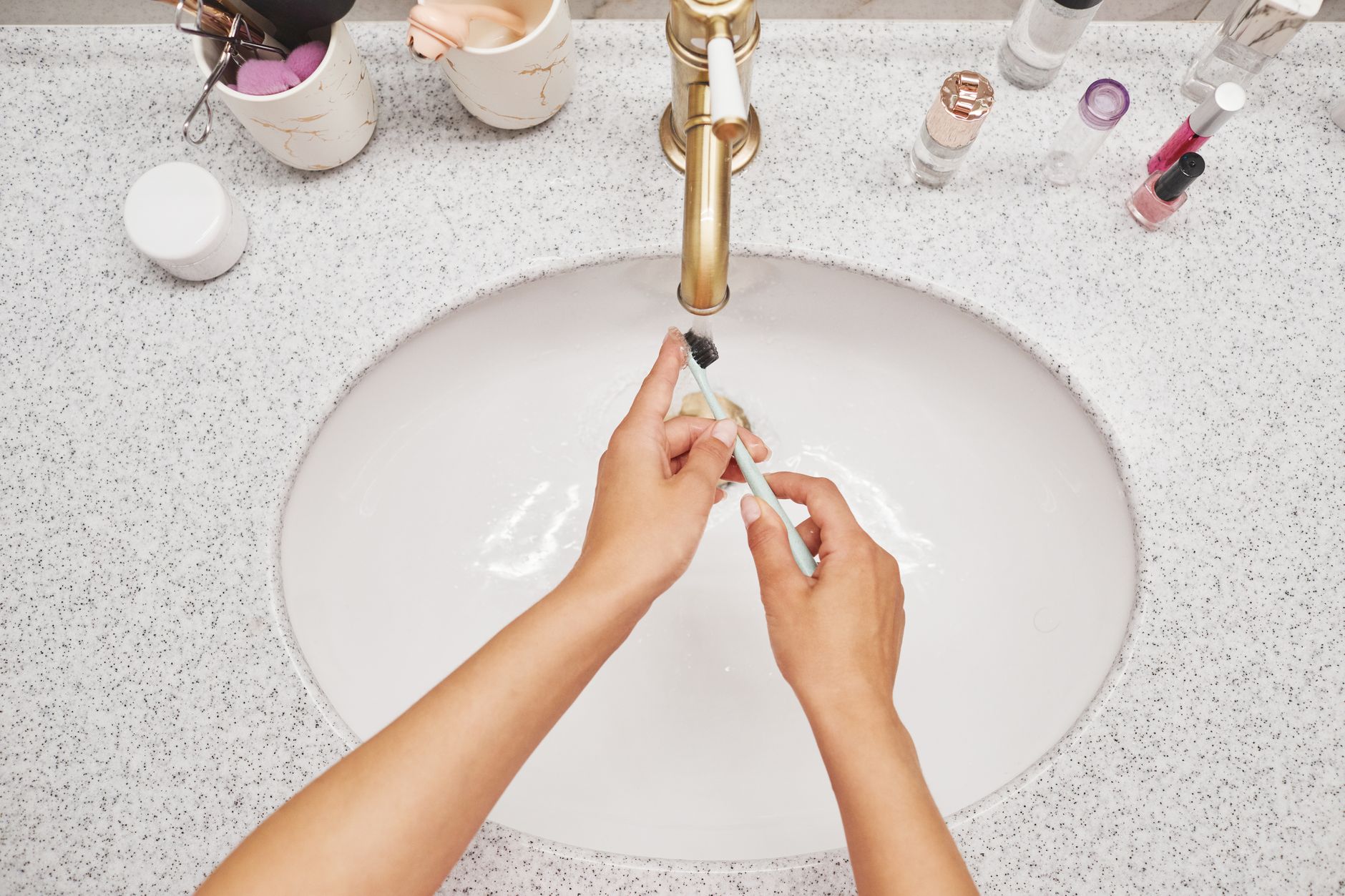
Your mouth is the star of the show, so give it some love before you begin. Brush your teeth and gently floss at least 30 minutes before oral sex, not immediately before. Brushing right before can create tiny micro-abrasions in the gum tissue, which actually makes it slightly easier for bacteria and viruses to enter your bloodstream. That's the opposite of what you want.
Rinse with an alcohol-free mouthwash instead.
Alcohol-based mouthwashes dry out the mucous membranes in your mouth, which strips away some of your body's natural protective barrier. Alcohol-free versions freshen breath just as effectively without that drawback. It's a small swap with a meaningful difference. And yes, the breath-freshening effect is a bonus your partner will absolutely notice.
Avoid eating strongly aromatic foods right before intimacy if fresh breath matters to you. Garlic, onions, and certain spices linger long after the meal ends. If you've already eaten something pungent, a glass of water and a few mint leaves can help. Keep it simple.
Body Hygiene: What Actually Needs Cleaning (and What Doesn't)

Genital skin is sensitive. It self-regulates and self-cleans to a remarkable degree, especially internal vaginal tissue, which should never be douched or aggressively scrubbed. The vaginal microbiome is a delicate ecosystem. Disrupting it with soaps, scented products, or harsh cleansers can cause irritation, bacterial vaginosis, or yeast infections. None of those make playtime more fun.
For external genitalia, warm water and a fragrance-free, gentle soap are genuinely all you need.
For penises, pulling back the foreskin (if present) and washing underneath with warm water removes natural secretions that can accumulate. It takes about thirty seconds. If you find yourself skipping this, it's worth building it into your pre-date shower routine. Your partners, and your future self, will thank you.
The anus is another area worth a simple, gentle wash with warm water if anal oral play (rimming) is on the agenda. Some people prefer a small external rinse. Deep internal douching is optional and comes with its own considerations. For external cleansing, warm water is your best friend and completely sufficient.
Barrier Methods: The Underrated Game-Changer
Condoms during oral sex on a penis reduce STI transmission significantly. This part most people know. What fewer people realize is that dental dams exist for exactly the same reason and for oral-vaginal and oral-anal contact.
Dental dams are thin sheets, usually made of latex or polyurethane, placed over the vulva or anus during oral play. According to research published in the Journal of the American Academy of Dermatology (Siegel et al., 2022), dental dams are genuinely underutilized as a barrier method despite offering meaningful protection against a range of STIs. The barrier is placed on the receiving partner's body without stretching the material, covering the entire contact area.
If you can't find a dental dam, you can make one in seconds by cutting a non-lubricated condom lengthwise. It's the same material, same protection.
Buying sex-safe products always matters, and that applies to barriers too. Check for body-safe labeling and expiration dates on any dental dam or condom before use.
Skin Health, Cuts, and Knowing When to Pause

This is the section that gets skipped the most, yet it matters enormously. Active cold sores on the mouth mean herpes simplex virus type 1 can be transmitted to genital tissue during oral contact. Full stop. If you or your partner has a visible cold sore, it's genuinely worth pausing oral play until it has completely healed.
Same logic applies to open cuts or sores anywhere near the mouth, genitals, or anus.
If either partner is navigating a recent STI diagnosis, honest conversation is the kindest, most practical thing you can do for each other. Getting tested regularly if you have multiple partners or new partners is standard good sense, not an indictment of anyone's character. STI testing is self-care. It's the same logic as a dentist checkup. You go because you value your health, not because something's already wrong.
The Confidence Factor: Communication Is Hygiene Too

Actually, let's talk about this for a second. Hygiene anxiety is real.
A lot of people feel self-conscious about their body's natural scent or taste, and that anxiety can pull you out of the moment entirely. Here's what I want you to know: bodies smell and taste like bodies. A healthy body has a natural, mild scent that is completely normal and, for many people, deeply appealing. If you or your partner are freshly showered and there are no underlying health concerns, you are more than fine.
That said, some changes in scent can signal something worth checking out with a doctor, like a bacterial imbalance or infection. Dramatic changes in vaginal odor in particular can be a sign of bacterial vaginosis or a yeast infection. Both are common and very treatable. Neither is a source of shame.
Talking openly with your partner about what feels comfortable, what boundaries exist around hygiene and health, and checking in with each other regularly is genuinely the most intimate hygiene practice there is. It's also the one that builds the most trust over time. If you want to introduce more conversation into your intimate life, starting with simple, honest check-ins before and after sex is a beautiful place to begin.
After Play: The Rinse-and-Rest Routine

Aftercare hygiene is just as important as the prep.
Rinsing your mouth with water after oral sex is simple and genuinely helpful for removing any residual fluids. Some people prefer to brush their teeth, which is absolutely fine as long as there are no cuts or irritation in the mouth. Urinating after any kind of sexual activity also helps flush the urethra and may reduce the risk of urinary tract infections, which is especially relevant for people with vulvas.
For genitals, a warm-water rinse is enough. Avoid aggressive soaping post-intimacy. The skin is often sensitized after contact, and stripping its natural oils immediately afterward can cause minor irritation. Let your body reset gently.
Wash any sex toys thoroughly after use with toy-safe cleaner or mild soap, and store them clean. Whether you're reaching for your favorite clitoral vibrators or anything else in your collection, keeping your toys clean extends their life and protects your body. Every time.
Choosing the Right Products for Intimate Play

When you're building a hygiene-forward intimate routine, your toys matter too. The Berri Edging Clitoral Massager is made from body-safe silicone, which means it's non-porous, easy to clean, and won't harbor bacteria between uses. Non-porous materials are the gold standard for intimate products because they don't absorb fluids or cleaning agents the way porous materials can.
Body-safe materials make your hygiene routine dramatically simpler. A quick wash with toy cleaner or mild soap and warm water, and your Berri is ready for next time. No complicated protocols, no anxious second-guessing.
For anyone exploring vibrators for women or other intimate toys, always check that your products are made from body-safe materials like medical-grade silicone, borosilicate glass, or stainless steel. These are easy to sanitize and gentle on delicate tissue.
Bottom Line
Oral sex hygiene doesn't need to be a production. A warm shower, a pre-play rinse, some honest conversation, and a little awareness of your body's signals are genuinely all it takes.
Confidence in intimacy is partly about care. When you know you've taken care of the basics, your mind gets to let go and actually enjoy the moment. And that's where the real magic lives. If you want to explore how to keep connection alive in a relationship, starting with mutual care and attentiveness, including the kind expressed through hygiene, is a surprisingly powerful foundation.
Your pleasure is worth the small effort it takes to feel truly at ease.
Want to make your journey even more exciting? I've handpicked some amazing toys and goodies at Hello Nancy that'll add extra sparkle to your intimate moments. (Here's a little secret—use 'dirtytalk' for 10% off!)
Frequently Asked Questions
Is it safe to perform oral sex without a condom or dental dam?
Unprotected oral sex does carry a risk of transmitting certain STIs, including herpes, gonorrhea, chlamydia, syphilis, and HPV. The risk level varies depending on whether either partner has an active infection and the type of oral contact involved. Using barrier methods like condoms or dental dams significantly reduces this risk, especially with new or multiple partners.
Should I brush my teeth right before giving oral sex?
It's actually better to brush at least 30 minutes before, not immediately before. Brushing too close to oral sex can create tiny abrasions in the gum tissue that may increase susceptibility to infections. Instead, rinse with an alcohol-free mouthwash right before play for fresh breath without the micro-abrasion risk.
How do I clean my genitals before oral sex?
Warm water and a fragrance-free, gentle soap on external genital skin is all you need. Avoid inserting soap or harsh cleansers inside the vagina, as this disrupts the natural microbiome and can cause irritation or infection. A simple, gentle rinse before intimate activity is genuinely sufficient.
What is a dental dam and how do I use one?
A dental dam is a thin sheet of latex or polyurethane placed over the vulva or anus during oral-vaginal or oral-anal contact. It acts as a barrier to reduce STI transmission. Place it flat against the skin without stretching it, ensure it covers the full contact area, and use a new one for each session. You can also DIY one by cutting a non-lubricated condom lengthwise.
Can you get an STI from receiving oral sex?
Yes, certain STIs can be transmitted from a giving partner's mouth to a receiving partner's genitals or anus. This includes herpes simplex virus (especially HSV-1), gonorrhea, and syphilis. Regular STI testing for both partners, open communication, and barrier methods are the most effective ways to manage this risk.
Is a strong genital odor normal, and when should I be concerned?
Healthy genitals have a natural, mild scent that varies from person to person. A sudden or dramatic change in odor, particularly a strong fishy smell from the vagina, can signal bacterial vaginosis or another infection that's worth addressing with a healthcare provider. It's not a source of shame. It's simply useful body information.
What should I do after oral sex for hygiene?
Rinse your mouth with water after oral sex to remove residual fluids. Urinating shortly after any sexual activity helps flush the urethra and may reduce the risk of urinary tract infections, especially for people with vulvas. For genital skin, a gentle warm-water rinse is sufficient. Avoid harsh soaping immediately after intimacy when skin is sensitized.
Does diet affect the taste or smell of genitals?
There is some evidence that certain foods like pineapple, citrus, and plenty of water may contribute to a milder taste, while foods like asparagus, garlic, and red meat may create a stronger one. These effects are generally modest and vary by individual. Staying hydrated and eating a balanced diet supports overall body health, including genital health.
How often should I get tested for STIs if I'm sexually active?
General guidelines suggest STI testing at least once a year for sexually active adults, and every three to six months if you have multiple partners or new partners. Testing frequency should be discussed with a healthcare provider who can make recommendations based on your specific situation. Think of it as routine maintenance, not a crisis response.