Add $12.00 to get Free Gift


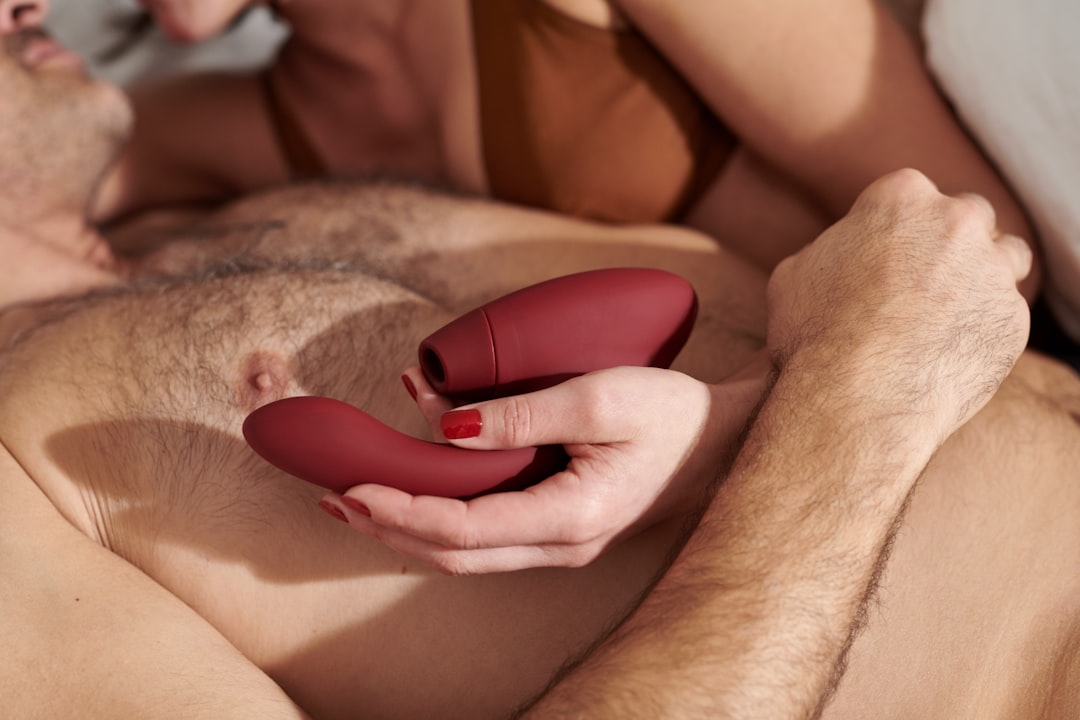
Your partner is right there. You know what you want to try. And somehow, the words just... don't come out.
Introducing sex toys into a relationship is one of the most common things people want to do and one of the least-talked-about. Not because it's wrong or weird. Because nobody ever showed us how to bring it up without feeling like we're making things awkward.
Well. That changes today.
Why People Hesitate (And Why That's Totally Normal)
The hesitation usually isn't about the toy. It's about what the toy might say about you, about your partner, or about what's been missing. A lot of people secretly worry their partner will hear "I want to try a vibrator with you" as "what we have isn't enough."
That fear is valid.
But here's the reframe: bringing a toy into bed is less about filling a gap and more about adding a new dimension to something already good. Think of it like suggesting a new restaurant. You're not saying the food at home is bad. You're just curious about something new, together. The invitation itself can be its own kind of intimacy.
And the numbers back this up. According to a 2025 We-Vibe survey, satisfaction rises to 82% among sex toy users in long-term relationships, compared to 74.3% in the general group. That's not a small gap. Couples who explore together tend to feel closer, not further apart.
Timing the Conversation Right

Don't bring this up mid-session.
Seriously. The middle of sex is the worst possible moment to introduce a new idea because everything gets filtered through heat and vulnerability. Your partner might say yes when they mean "let's talk about this later," or feel put on the spot in a way that makes the whole thing feel pressured.
Instead, find a genuinely relaxed moment. A lazy Sunday morning. A walk. Curled up on the couch after dinner with nowhere to be. Neutral territory, no pressure, full attention. The conversation lands completely differently when neither of you is already in a heightened state.
Keep the energy light. This isn't a performance review. It's a curiosity you're sharing with someone you trust.
How to Actually Start the Conversation
The opener matters more than anything else.
Try something like: "Hey, I've been curious about trying something together. Would you be open to exploring?" Simple. No ultimatum, no big dramatic declaration. Just an open door. You can also bring it up by mentioning something you saw or read, which feels less like a verdict and more like a passing thought. "I came across this article about couples using toys together and honestly it sounded kind of fun" is a low-stakes way to put the idea on the table without it feeling like a big moment.
If your partner is curious but unsure, that's actually a great sign. Uncertainty means they're thinking about it, not shutting it down. A therapist's tool called a "Yes, No, Maybe" list works brilliantly here: each of you privately notes what you're open to, willing to try, or not ready for yet. Then you compare. It takes the pressure off a face-to-face "so what are you into?" conversation and turns it into something almost playful.
Handling Hesitation or Pushback With Grace

Sometimes your partner will say no. Or not yet.
And that's not the end of anything. "Not yet" is a completely legitimate answer, and treating it with respect is actually the most attractive thing you can do. Pushing past a hesitation or making someone feel guilty for having one is the fastest way to kill the intimacy you were trying to build. Let them have their process. Come back to it another time, or let them bring it up when they're ready.
If they ask why you want to try this, be honest without over-explaining. "I thought it could be a fun new experience for us" is enough. You don't need a thesis. The simpler and warmer you keep it, the more approachable the conversation stays.
Sometimes hesitation is rooted in old messaging. Things like "toys mean you're not enough" or "that's not something people like us do." If you sense that's what's underneath the pushback, a gentle "it's not about replacing anything, it's about adding to what we already have" can genuinely shift the frame. But say it once. Plant the seed and let it grow on its own timeline.
Shopping Together Changes Everything
One of the best-kept secrets of happy couples? They shop for couples toys together.
Turns out, the browsing is half the fun. Looking through options together opens up a natural conversation about what each of you finds interesting, what sounds appealing, what makes you laugh nervously (which is basically a sign to add it to the cart). It makes the whole thing a shared adventure rather than something one person is "doing" to the other.
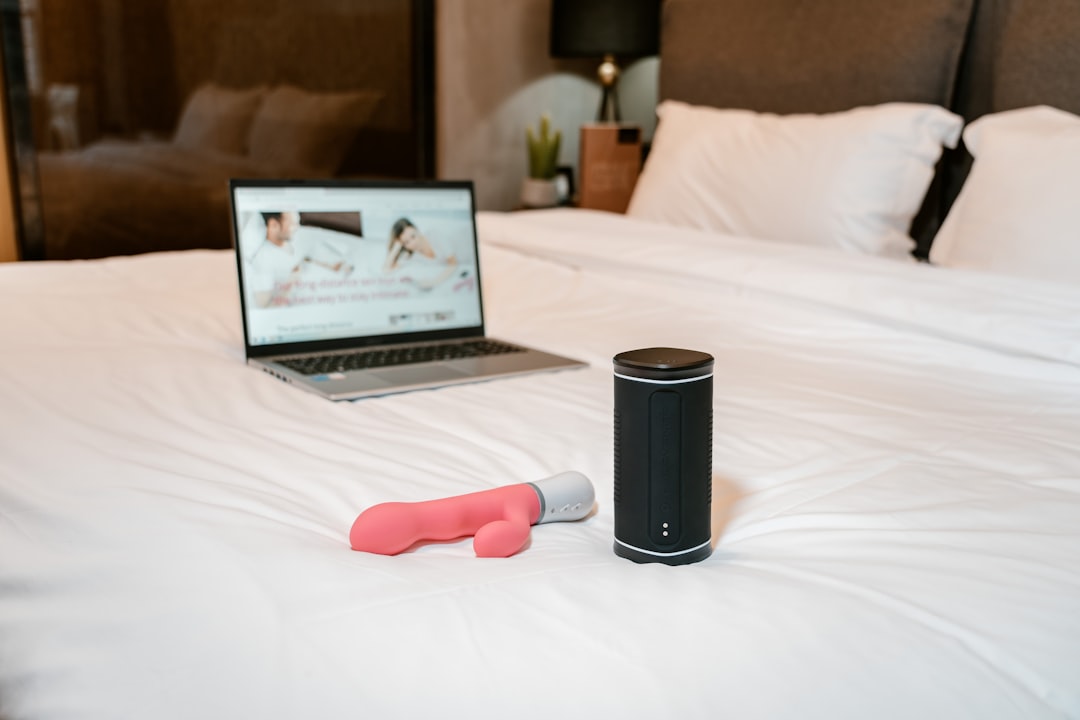
You don't have to walk into a physical store if that feels like too much. Browsing online, at home, side by side or even screen-sharing while you're apart, takes all the clinical edge off. If you're looking for a good starting point, clitoral vibrators are a popular first choice for couples because external stimulation is already a familiar concept for most people. No learning curve, just more sensation.
The Berri tapping clitoral massager is genuinely one of the smoothest entry points for partners exploring together for the first time. Its gentle tapping sensation is distinct from traditional vibration, which means it feels new for both of you, and there's nothing intimidating about the design. It's the kind of thing that starts a conversation and then ends it in the best possible way.

If your partner is especially curious about something that works for both bodies, the Namii 2 clitoral suction and vibration toy is worth exploring together. It combines air-pulse suction with vibration, and the dual-action effect makes it genuinely novel for couples who want to try something that feels like uncharted territory.
The First Time You Use One Together
Set the mood as if you would for any intentional evening together. This isn't a clinical experiment. Candles, music, no phones. Make the environment say "this matters" before anyone even opens a box.
Start slow.
You don't have to use a toy the entire session or make it the centerpiece of everything that happens. Let it appear naturally. Use it for a few minutes, check in verbally, and keep the connection between you two front and center. Eye contact matters more than mechanics. Laughter is completely allowed. Sometimes the first time is a little clumsy and that clumsiness is actually a bonding experience if you let it be.
Afterward, talk about it. Not in a clinical debrief way. Just a warm, low-pressure "how was that for you?" tells your partner their experience matters to you. It also opens the door for what comes next, together.
Building It Into Your Intimacy Long-Term
Here's the thing nobody says out loud: the couples who thrive aren't the ones who never need to work at intimacy. They're the ones who stay curious about each other.
Adding vibrators for women or any new element to your sex life is less about the specific product and more about the practice of staying interested in each other's pleasure. That practice compounds over time. It builds a language. A shorthand. A kind of playfulness that's surprisingly protective of long-term connection.
You're not just buying a toy. You're investing in your ability to keep surprising each other. And honestly? That's one of the most romantic things two people can do. If you want some real inspiration for ways to keep your connection fresh, 25 ways to spice up your sex life is a genuinely good read for couples at any stage.
Bottom Line
You've already done the hardest part by wanting this for yourself and your partner. The conversation doesn't have to be perfect. It just has to happen.
Be warm. Be honest. Be open to their response, whatever it is. The willingness to have the conversation at all is already an act of intimacy. And if it goes well? Everything that follows is just a bonus.
Want to make your journey even more exciting? I've handpicked some amazing toys and goodies at Hello Nancy that'll add extra sparkle to your intimate moments. (Here's a little secret — use 'dirtytalk' for 10% off!)
Frequently Asked Questions
How do I bring up sex toys with my partner without making it awkward?
Choose a relaxed, neutral moment outside of the bedroom, like a quiet evening at home. Keep it light and framed as curiosity rather than a complaint. Something as simple as "I read about couples trying this together and it sounded fun" is a perfectly low-pressure opener that invites conversation rather than pressure.
What if my partner feels threatened or insecure about introducing a sex toy?
This is a really common reaction. Gently reassure them that a toy is an addition, not a replacement. Frame it as something you want to experience together, not a signal that anything is missing. If they're still hesitant, give them time and don't push. Respect for their pace is one of the most effective forms of reassurance.
What is the best sex toy to introduce to a partner for the first time?
Clitoral massagers and external vibrators are generally the easiest starting point for couples because they don't require any internal use and feel familiar in concept. The Berri tapping clitoral massager or a compact wand vibrator are both excellent, non-intimidating options for a first shared experience.
Is it normal for couples to use sex toys together?
Completely normal. A 2025 We-Vibe survey found that satisfaction rates among couples who use sex toys together are measurably higher than the general long-term relationship average. Most sex toy owners use them either alone or with a committed partner, making shared toy use a mainstream part of modern intimacy.
Should we shop for sex toys together or is it better to surprise my partner?
Shopping together is almost always the better move. It makes the process collaborative, keeps everyone's comfort levels front and center, and turns the browsing itself into a fun shared experience. Surprises can work if you already know your partner's preferences well, but for a first introduction, choosing together removes ambiguity entirely.
How do I use a sex toy together with my partner without it feeling clinical or mechanical?
Set the scene first. Treat it like any intentional intimate evening, with atmosphere, no phones, and genuine presence. Let the toy appear naturally mid-session rather than announcing it. Keep the focus on connection with each other, and remember that laughter and clumsiness are completely okay.
What do I do if my partner says no to trying sex toys?
Respect the answer and don't revisit it immediately. "Not yet" is a valid boundary, not a permanent verdict. Let them know you hear them, drop the subject without guilt-tripping, and leave the door open for them to bring it up when they're ready. Pressure is the fastest way to make the topic feel unsafe.
Can introducing sex toys improve a long-term relationship?
Research strongly suggests yes. Beyond the physical aspect, the conversations around exploring together build communication, vulnerability, and mutual curiosity. These are the exact ingredients that help couples stay genuinely connected over the long haul. The toy is almost secondary to the openness it creates.