Add $12.00 to get Free Gift


Most of us bought our first toy, used it, and then just... rinsed it under the tap and hoped for the best. Nobody really hands you a hygiene manual when you add something to your cart at 11pm.
Here's the thing though. Cleaning your sex toys properly is one of the most important things you can do for your sexual health. And I mean genuinely important, not "optional if you feel like it" important.
Why Cleaning Your Toys Actually Matters
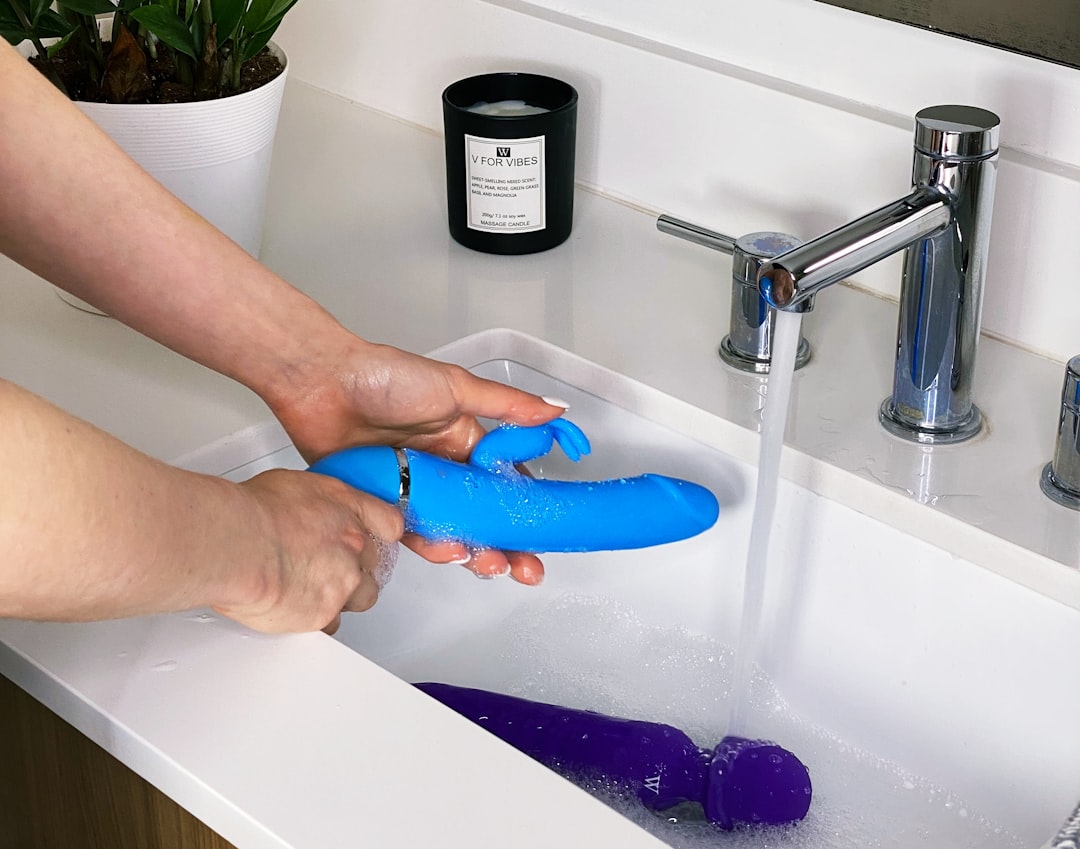
Bacteria grows fast on unwashed surfaces. Researchers at the University of Rochester Health Service note that bacteria on unsanitized toys can lead to vaginal and anal infections, and STIs can spread via toys if they're shared without cleaning. That's not a scare tactic. That's just biology doing its thing.
Biofilm is the real villain here. It's a stubborn layer of bacteria that clings to surfaces and resists a quick rinse. If you've ever noticed a toy smelling slightly off even though you "cleaned" it, that's biofilm saying hello. The good news is that the right cleaning method eliminates it entirely.
So let's actually talk about how to do this right, because your body absolutely deserves that care.
The Golden Rule: Know Your Material

Not all toys clean the same way, and using the wrong method can actually damage your toy or leave it less safe. The first thing you need to do is figure out what your toy is made of.
Materials fall into two camps: porous and non-porous. Non-porous materials like 100% silicone, borosilicate glass, stainless steel, and ABS plastic don't have microscopic holes, which means bacteria and grime can't hide inside them. Porous materials like rubber, TPR, and jelly have tiny gaps that trap bacteria no matter how hard you scrub, making them genuinely impossible to fully sanitize.
This matters more than most people realize.
Porous Toys: What You Need to Know
If your toy is made from rubber, jelly, TPR, or similar materials, no amount of washing will make it fully clean. Bacteria seeps into those micro-gaps and stays there. The safest approach with porous toys is to always use a condom over them, or honestly, consider upgrading to a non-porous material. Your health is worth the investment.
Non-Porous Toys: The Deep-Clean Dream
Non-porous toys are where things get genuinely satisfying. Silicone, glass, and stainless steel can be properly sanitized, not just surface-cleaned. According to guidance from PASS Certified and medical sources, non-motorized 100% silicone and borosilicate glass toys can even be boiled for 3 to 5 minutes, or placed on the top rack of a dishwasher on a sanitize cycle without soap. That's next-level clean. Products like the Anii handcrafted glass plug are made from borosilicate glass specifically for this reason. The material is non-porous, body-safe, and incredibly easy to sanitize thoroughly.
Your Step-by-Step Cleaning Routine
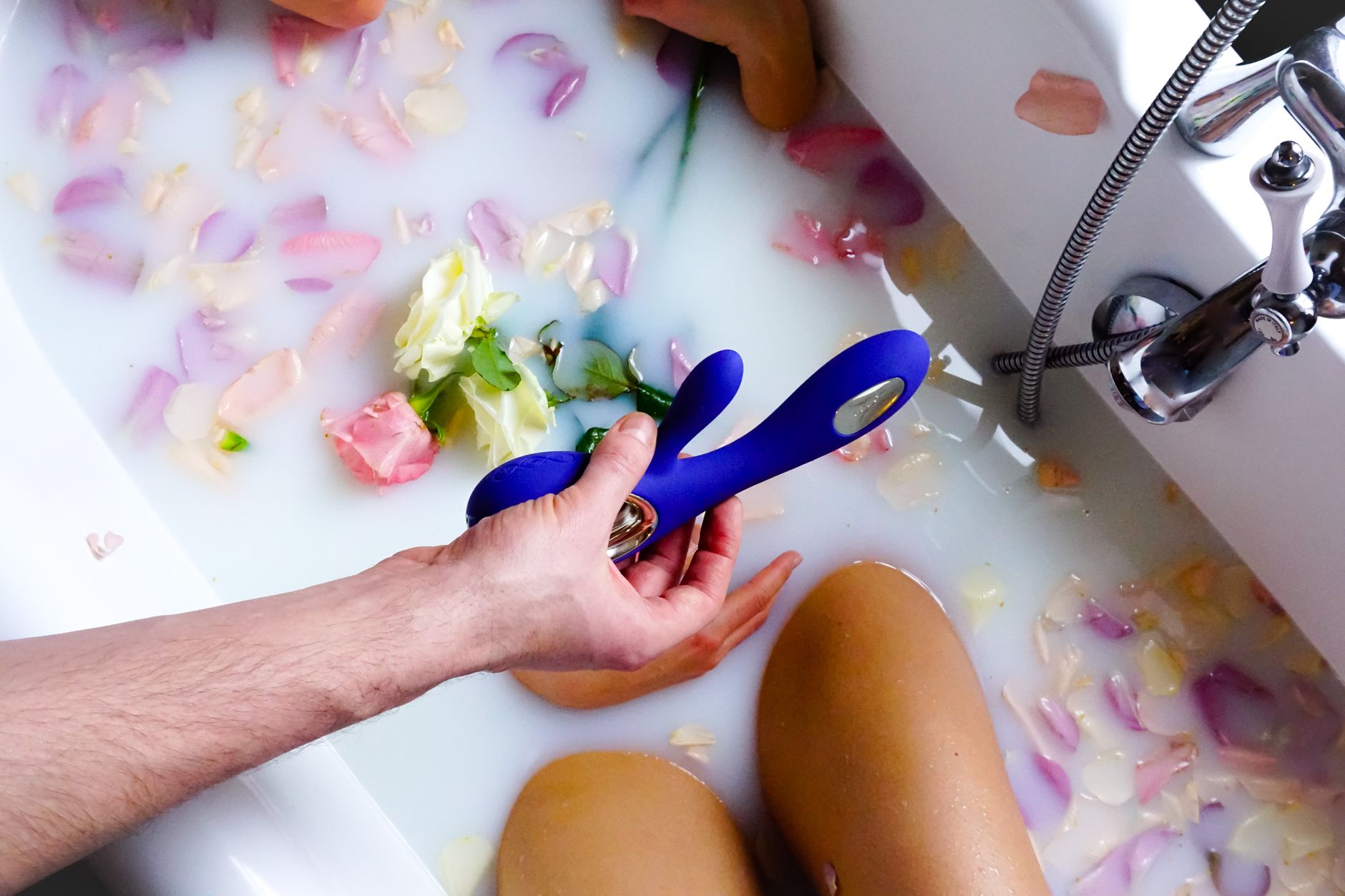
Let's keep this simple, because it genuinely is.
For most vibrators for women and clitoral vibrators, warm water and a mild, unscented, pH-balanced soap is all you need for everyday cleaning. Rinse first to remove any surface residue. Lather gently with the soap, paying attention to any ridges, buttons, or texture grooves where bacteria like to hide. Then rinse thoroughly, because leaving soap residue on a toy that's going near your intimate areas is its own problem. Pat dry with a clean cloth, and let it air-dry completely before storing.
For a deeper clean, non-motorized silicone and glass toys can be boiled or soaked in a 10% bleach solution for two minutes, followed by a thorough rinse with water. Always check the manufacturer's instructions first, especially for motorized toys, since water and electronics have a famously complicated relationship.
Never, ever use harsh household cleaners, scented soaps, oils, or anything containing glycerin. These can degrade the toy material over time or disrupt the delicate pH of your intimate areas.
Motorized Toys: The Waterproof Question
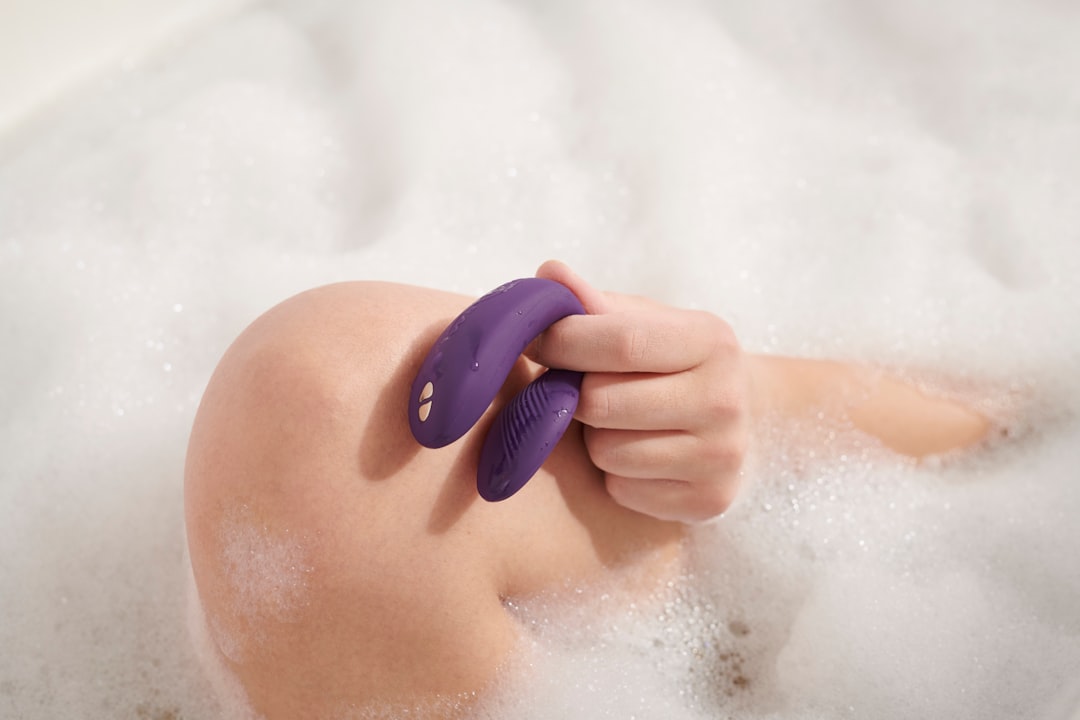
Motorized toys need a little extra thought, but they're not complicated once you know what to look for.
Check whether your toy is waterproof or simply splash-proof. Waterproof toys can be submerged and rinsed under running water freely. Splash-proof toys can handle surface cleaning with a damp soapy cloth but shouldn't go fully underwater. Look for IPX7 or IPX5 ratings in the product description. That tells you everything you need to know about how brave your toy can be around water.
For motorized toys that aren't waterproof at all, a damp cloth with a toy-safe cleaner applied gently works well. Just keep moisture away from the charging port.
Storing Toys the Right Way
Cleaning is only half the equation. Storing your toys correctly means they stay clean between uses, which is the whole point.
Keep toys in individual pouches or separate compartments. This prevents material-on-material contact, which matters because some toy materials can actually react with each other over time, degrading the surface. Most quality toys come with a storage pouch for exactly this reason. If yours didn't, a clean cotton bag or a dedicated box works perfectly. Store away from direct sunlight and extreme heat, both of which can warp or degrade silicone and other materials.
And please, don't store your toys touching each other if they're made from different materials.
When to Replace Your Toys
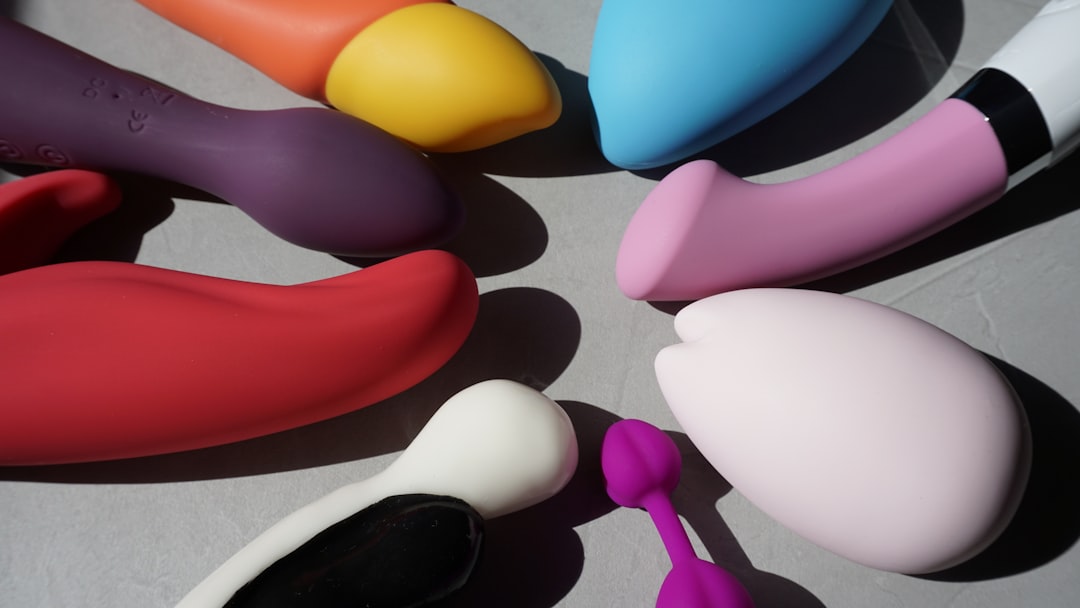
Even with perfect cleaning, toys don't last forever.
If you notice any discoloration, cracks, stickiness, or a persistent smell that won't wash out, it's time to retire the toy. Damaged surfaces on any toy, even non-porous ones, can start harboring bacteria the way porous materials do. Cracked glass or chipped edges are especially worth taking seriously since they can cause physical harm.
For couples toys that get used more frequently, check the surfaces regularly as part of your routine. Think of it the way you think about replacing your toothbrush. It's not dramatic. It's just hygiene.
Cleaning Between Partners
Sharing toys with a partner? Cleaning between uses is non-negotiable.
For non-porous toys, the deep-clean methods described above work perfectly. Boiling, the bleach soak, or 70% isopropyl alcohol wipe for toys that can't get wet, all fully sanitize the surface between users. Alternatively, a fresh condom on the toy for each partner is a quick and effective solution. It's not complicated. It's just respectful care for each other's bodies, and that's actually pretty sexy.
G-spot vibrators made from body-safe silicone, like the Gii Glow, are a great example of toys designed with this kind of care in mind. Non-porous, smooth surfaces that boil-clean easily.
A Quick Word on Toy Cleaners
Dedicated sex toy cleaners are worth having, especially for on-the-go or for motorized toys that can't be boiled. Look for products that are pH-balanced, free from alcohol (which can degrade some materials), and fragrance-free. Foam cleaners tend to be the most convenient since you spray, leave for a moment, then wipe off. They're not a replacement for a proper soap-and-water wash, but they're a solid option when you need something quick between uses or while traveling.
The Berri tapping clitoral massager and most other silicone toys can handle a quick toy-cleaner wipe followed by a full wash when you're back home. Best of both worlds.
Bottom Line
Cleaning your sex toys properly doesn't have to be a whole production. Know your material, use the right cleaning method, dry completely, and store thoughtfully. That's genuinely it. Your toys will last longer, and more importantly, your body stays healthy and happy. You deserve both of those things without compromise.
Want to make your journey even more exciting? I've handpicked some amazing toys and goodies at Hello Nancy that'll add extra sparkle to your intimate moments. (Here's a little secret, use 'dirtytalk' for 10% off!)
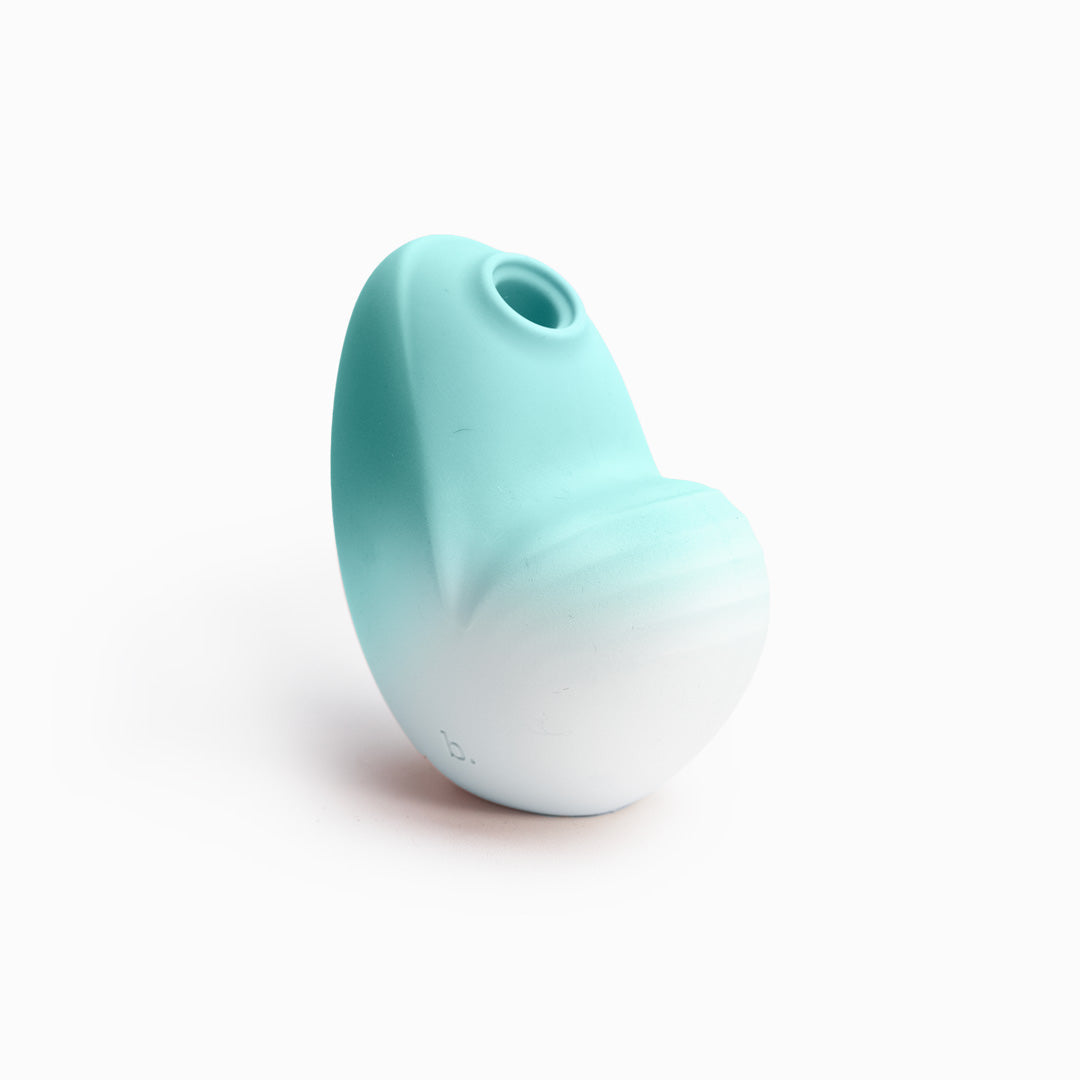
The Namii 2 clitoral suction toy is a perfect example of a non-porous, body-safe silicone toy that cleans up beautifully with a quick warm-water wash, and delivers incredible dual-action clitoral stimulation every single time.
Frequently Asked Questions
How often should you clean your sex toys?
Clean your toys before and after every single use. Even if a toy looks clean, bacteria can be present on the surface. Pre-cleaning removes any dust or residue from storage, and post-cleaning prevents bacterial buildup that could cause infections.
Can you boil silicone sex toys to clean them?
Yes, but only if the toy is 100% silicone and non-motorized. Boiling for 3 to 5 minutes effectively sanitizes the surface. Never boil a motorized toy since water will damage the internal electronics.
What soap is safe to use on sex toys?
Use a mild, unscented, oil-free, and glycerin-free soap. Strongly scented soaps, antibacterial soaps with harsh ingredients, and anything oil-based can degrade toy materials or irritate intimate skin. A simple, gentle castile soap or a dedicated toy cleaner is your safest bet.
Are porous sex toys safe to use?
Porous toys made from rubber, jelly, or TPR cannot be fully sanitized because bacteria embeds in the microscopic gaps within the material. If you use a porous toy, always cover it with a fresh condom. The safest long-term option is switching to a non-porous material like silicone, glass, or stainless steel.
Can you use alcohol wipes to clean sex toys?
70% isopropyl alcohol wipes can be used on hard non-porous toys like stainless steel or ABS plastic as a quick sanitizing method, particularly for motorized toys that shouldn't be submerged. However, avoid using alcohol on silicone toys regularly since it can degrade the material surface over time. Always follow up with a rinse if the toy is going near intimate areas.
How should you clean a shared sex toy between partners?
For non-porous toys, use a full deep-clean method between partners: boiling, a 10% bleach soak with rinse, or 70% isopropyl alcohol. Alternatively, place a new condom on the toy each time it changes users. This prevents the transmission of bacteria and STIs.
How do you clean a waterproof vibrator?
Waterproof vibrators (rated IPX7 or higher) can be rinsed freely under warm running water and washed with mild unscented soap. Make sure to clean around buttons and seams where residue collects. Dry thoroughly before charging or storing.
What is the best way to store sex toys after cleaning?
Store each toy in its own pouch or compartment after it's completely dry. Keeping toys separate prevents material reactions and recontamination. Avoid storing in direct sunlight or extreme heat, which can warp or degrade silicone and other materials.
Can you put glass sex toys in the dishwasher?
Yes, non-motorized borosilicate glass toys can go on the top rack of a dishwasher on a sanitize cycle without soap. This is one of the most thorough cleaning methods available for glass toys. Always confirm the toy is borosilicate glass (not decorative glass) before trying this method.
How do you know when to replace a sex toy?
Replace your toy if you notice cracks, discoloration, a sticky or tacky surface, or a persistent smell that won't wash out. Damaged surfaces can harbor bacteria even on non-porous toys. Chipped glass or cracked materials can also cause physical harm and should be discarded immediately.