Add $12.00 to get Free Gift


Somebody told you having standards means you're doing it right. And honestly? They weren't entirely wrong. But there's a quiet little gap between standards and a checklist so long it could wallpaper your bathroom, and a lot of us are living in that gap without realizing it.
This isn't about lowering your bar. Nobody's asking you to date someone who chews with their mouth open and has strong opinions about pineapple on pizza. What we are talking about is the sneaky pattern where your selectivity stops protecting you and starts isolating you instead.
So. Let's talk about it honestly.
The Difference Between Standards and Pickiness (It's Not What You Think)
Here's a distinction that actually matters. Standards are rooted in your values. Pickiness is often rooted in fear.
Standards sound like: "I need a partner who communicates honestly" or "I want someone who is genuinely kind to strangers." These are things that directly affect how you'll feel inside a relationship every single day. They connect to your actual happiness. Pickiness sounds more like: "They liked the wrong band," "Their apartment had beige walls," or "They laughed a little too loudly at their own jokes."
See the difference? One is about compatibility. The other is about control. And when we're afraid of vulnerability, control feels really safe.
Psychology Today notes that excessive pickiness often has roots in fear, specifically the fear that letting someone in means risking getting hurt. So we reject first. It's actually a pretty clever defense mechanism. The problem is that it's also deeply effective at keeping love out.
Signs You Might Be Too Picky in Dating

Let's actually get into the signs. Not the judgy kind. The useful kind.
You Disqualify People Before the First Date Even Ends
You're mid-appetizer, they say something slightly awkward, and mentally you're already writing them off. One moment becomes a verdict. Here's the thing about first dates though: almost everyone is slightly awkward on them. Nerves are real. The version of a person you meet in the first 45 minutes is rarely the version you'd actually fall for. If you find yourself eliminating people before you've had a real conversation, that's worth pausing on.
Your List Has More Items Than a Grocery Run
There's nothing wrong with knowing what you want. Truly. But if your ideal partner checklist includes things like "must have the specific jawline of a Renaissance painting" or "must be spontaneous but also planful but also laid-back but also ambitious"... that's not clarity. That's a chimera. Nobody ticks every box because nobody is a box-ticking exercise. Real people are wonderfully, infuriatingly complicated.
You Always Find a Reason It Won't Work
This one stings a little.
If every person you date eventually gets filed under "nice, but" with a fresh reason each time, it's worth asking: is the problem them, or is the problem the pattern? Because the rotating cast of "not quite right" almost always points back to something the dater is carrying. Maybe it's an unhealed attachment wound. Maybe it's a subconscious fear of commitment. Maybe it's just perfectionism bleeding into your love life from other areas. All of those are fixable, by the way. But you have to name them first.
You've Ghosted People for Being Too... Nice
Oh yes. This is a real thing. If you find yourself losing interest the moment someone is reliably sweet, texts back promptly, and treats you well, that's not pickiness. That's a trauma response. It's called mistaking red flags for passion, and it's one of the most common traps in modern dating. Stability doesn't have to feel boring. That's a story you've been told. And you can rewrite it.
You Compare Every New Person to an Ex (or an Ideal)
Comparison is the silent killer of potential. If every new person has to beat a past relationship highlight reel, or measure up to a fictional "perfect partner" you've been refining since high school, the math is never going to work out. Memory is selective. The ex you idealize probably wasn't that flawless. And the imaginary person in your head definitely isn't real.
When Pickiness Is Actually Avoidance

Sometimes being too selective is a story we tell ourselves to avoid the actual terrifying part: getting close to someone.
Avoidant attachment, a pattern studied extensively in relationship psychology, often shows up as impossibly high standards. When intimacy feels unsafe, the brain gets creative about finding reasons to stay at a distance. It's not conscious. It's not even mean. It's just self-protection wearing a very convincing disguise. If you've ever felt a weird wave of relief when a promising date didn't text back, that's a clue worth sitting with.
The research on sexual compatibility and emotional connection consistently shows that chemistry builds over time, not always in a lightning-bolt moment. Giving people a real chance, meaning more than one date and a snap judgment, dramatically changes the odds of finding something genuine.
But Wait. Are Your Standards Actually Too High, or Just Misunderstood?
Not every sign of selectivity is a red flag. Some of it is genuinely healthy.
If you're over 30 and you've done enough self-work to know you need a partner with emotional intelligence, shared life goals, and the ability to have a hard conversation without shutting down, that's not being picky. That's being precise. There's a meaningful difference between filtering for real compatibility and filtering to avoid real connection. The question to ask yourself: does your selectivity feel like self-respect, or does it feel like armor?
Only you know the answer to that.
How to Recalibrate Without Settling
Recalibrating your standards isn't about accepting less. It's about getting clearer on what actually matters.
Try splitting your criteria into two columns: things that affect daily life and emotional wellbeing, and things that are really just preferences. Kindness, emotional availability, shared values, honesty? Column one, non-negotiable. Height, a specific music taste, whether they have a dog? Column two, negotiable. This isn't lowering your standards. It's purifying them.
Give people time. Attraction can grow. Personality reveals itself slowly. The person who seemed a bit quiet on date one might completely surprise you on date three. If you struggle to get past the first impression, try committing to at least three dates before making a final call, unless something actually alarming comes up.
And if you're genuinely curious about how your attachment style shapes your dating patterns, that's worth exploring with a therapist or even a good book. Understanding why you make the choices you make is the most powerful thing you can do for your love life. Full stop.
What Great Relationships Actually Look Like
Here's a truth that doesn't get said enough: most deeply happy couples didn't feel instant fireworks. What they did feel was safety, curiosity, and a growing sense of I like who I am around this person.
That's it. That's the secret. Not the movie-moment electricity (though that can happen too). Not the perfectly matched checklist. Just a steady, widening openness to someone who makes the ordinary feel a little more worth showing up for. If you're filtering for anything, filter for that.
You deserve a relationship that feels like home, not a performance review. And sometimes getting there means loosening your grip on the blueprint just enough to let something real walk through the door.
Want to make your journey even more exciting? I've handpicked some amazing toys and goodies at Hello Nancy that'll add extra sparkle to your intimate moments. (Here's a little secret. Use 'dirtytalk' for 10% off!)
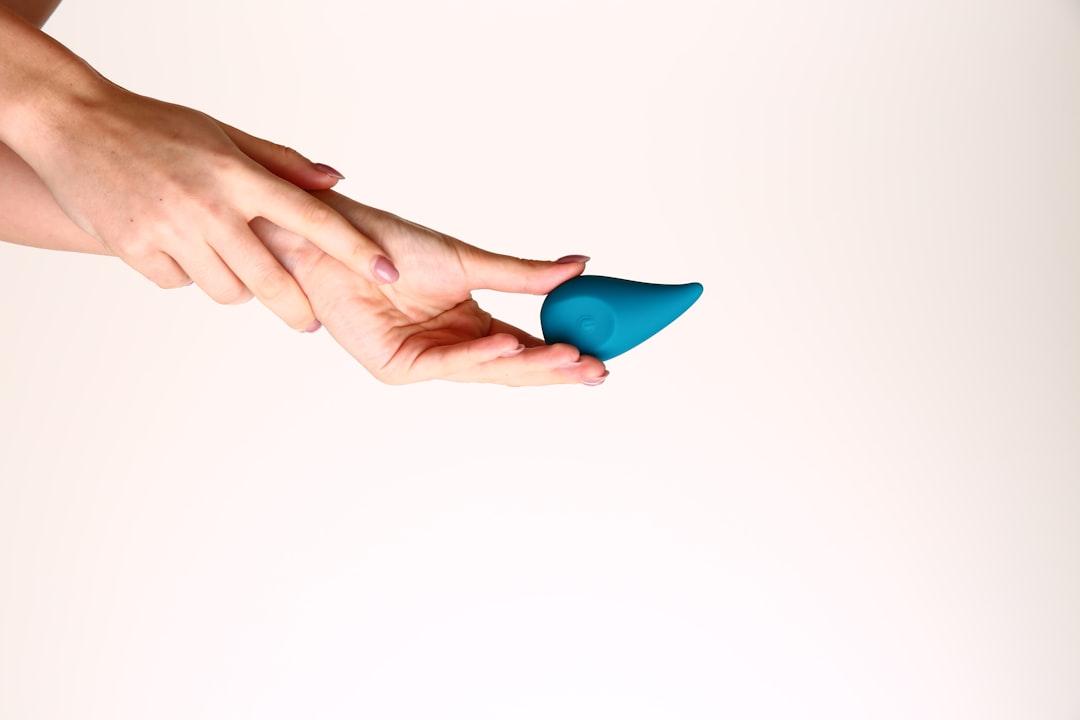
Speaking of things that are reliably good at their job, the Berri edging clitoral massager is one of those treats that never disappoints. Whether you're exploring solo or with a partner, clitoral vibrators like this one are genuinely worth adding to your rotation.

And if you and your person are in a good place and looking to connect more playfully, couples toys are a genuinely fun way to explore together without any pressure. The Pixie remote-controlled panty vibrator is a crowd favourite for a reason. It's subtle, wearable, and adds a little thrill to even a regular Tuesday.
Bottom Line
Being too picky isn't a character flaw. It's usually a clue that something underneath needs attention. Maybe it's fear. Maybe it's old pain. Maybe it's just perfectionism that's wandered too far from its lane. Whatever it is, the good news is: awareness is the whole first step. You're already doing it.
Now give that quiet, imperfect, genuinely curious person in your DMs a proper chance. You might be surprised.
Frequently Asked Questions
How do I know if I'm too picky in dating or just have high standards?
Ask yourself this: do your criteria connect to your actual happiness, or do they connect to an image you've built in your head? Standards rooted in emotional compatibility and shared values are healthy. Endless lists of surface-level requirements that no real person could satisfy are usually a sign you're filtering for control rather than connection.
Is being too picky in dating linked to fear of commitment?
Often, yes. Excessive pickiness can be a symptom of avoidant attachment, where the brain generates reasons to keep potential partners at a safe distance. It's not a conscious choice, but understanding the pattern is the first step to changing it.
Can attraction really grow over time, or should there be immediate chemistry?
Attraction absolutely grows over time. Research consistently shows that familiarity, emotional safety, and personality discovery all fuel attraction in ways that a first impression simply can't replicate. Many deeply satisfying relationships started without instant fireworks.
How many dates should I go on before deciding someone isn't right for me?
A good general rule is three dates, assuming nothing alarming has come up. The first date is nerves. The second is settling in. The third is when you usually start seeing who someone actually is. Cutting things off after one slightly awkward evening rarely gives a real picture.
Why do I lose interest when someone is too nice to me?
This is often a trauma response, not a preference. If you've associated intensity or unpredictability with attraction in past relationships, consistent kindness can feel unfamiliar or even dull. It's worth exploring with a therapist, because stable love is allowed to feel exciting.
Is it bad to have a type when dating?
Having a type isn't inherently bad, but it becomes a problem when your type consistently leads you to people who aren't good for you. If your type has never resulted in a healthy relationship, that's a signal worth paying attention to. Expanding your range, even a little, can open up surprising possibilities.
What's the difference between being selective and being emotionally unavailable?
Selectivity is about choosing wisely. Emotional unavailability is about keeping yourself protected from intimacy regardless of how good the person is. If you're always finding an external reason things won't work, the block is more likely internal. That's the key distinction.
Can dating apps make you more picky than you would be in real life?
Yes, research suggests they can. The "shopping mentality" created by swiping through large pools of profiles encourages rapid judgment and constant comparison, which can train you to dismiss people faster than you would if you met them naturally. Taking breaks from apps or being intentional about who you swipe on can help reset this pattern.