Add $12.00 to get Free Gift



Something disappears when depression moves in. Not just your energy, not just your motivation. Your desire goes quiet too, and nobody warns you that's part of the deal.
Depression and low libido are deeply connected, and that connection trips people up. You feel broken in two directions at once. You're already struggling to feel anything, and then you realize you also don't want sex, intimacy, or even closeness the way you used to. It's a lot.
Let's talk about all of it. Clearly, honestly, and without the clinical distance that makes this stuff feel even lonelier.
Why Depression Kills Your Sex Drive
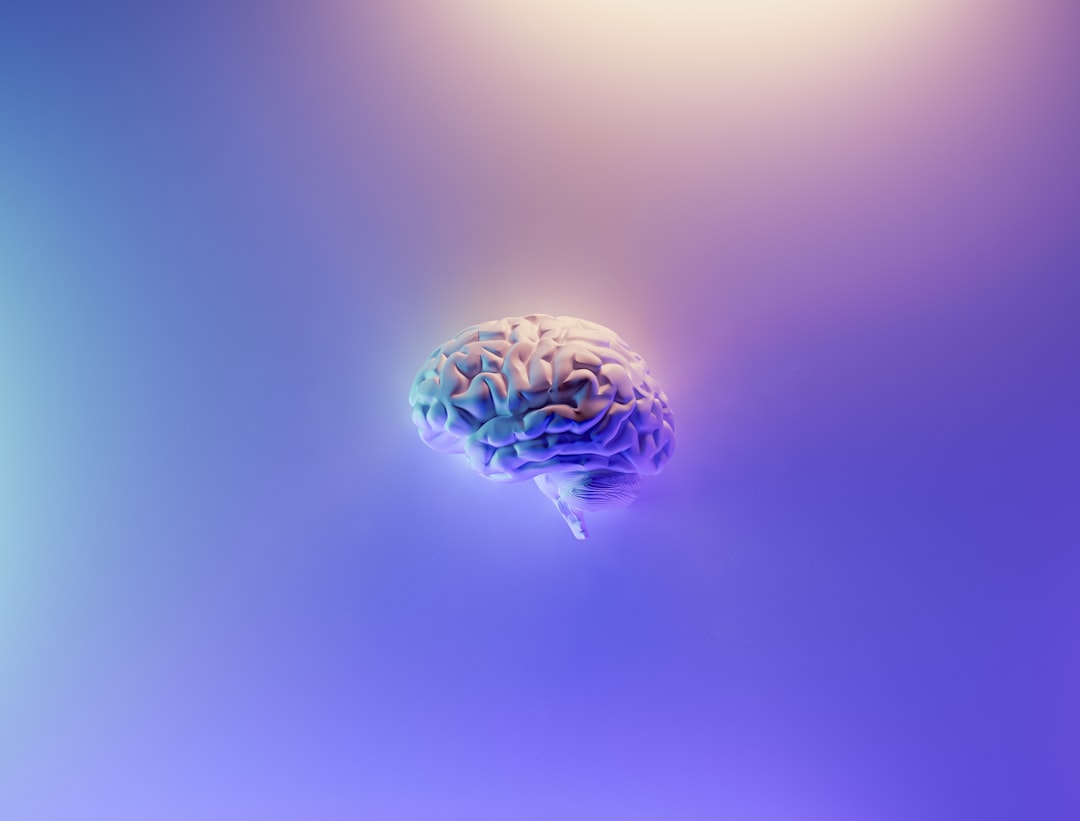
Your libido isn't just about feeling frisky. It's a full-body system involving hormones, neurotransmitters, energy levels, and emotional safety. Depression disrupts every single one of those.
Research consistently shows that nearly 70% of people living with depression experience some form of sexual difficulty, including a significantly reduced sex drive (Thebalance.clinic, 2024). That's not a side effect. That's practically a core symptom.
Here's what's happening biologically. Depression lowers dopamine, the neurotransmitter most closely tied to motivation, reward, and yes, sexual desire. When dopamine drops, so does your brain's capacity to anticipate pleasure. You're not being dramatic. Your brain has literally downgraded its pleasure-seeking function.
Testosterone levels also dip during depressive episodes, in people of all genders. Lower testosterone means lower libido. Meanwhile, cortisol (the stress hormone) tends to spike, and elevated cortisol actively suppresses arousal. Your nervous system is stuck in survival mode, and survival mode has zero interest in sex.
Fatigue makes everything worse. When you're exhausted at a cellular level, the last thing your body prioritizes is desire.
The Antidepressant Complication Nobody Mentions Upfront
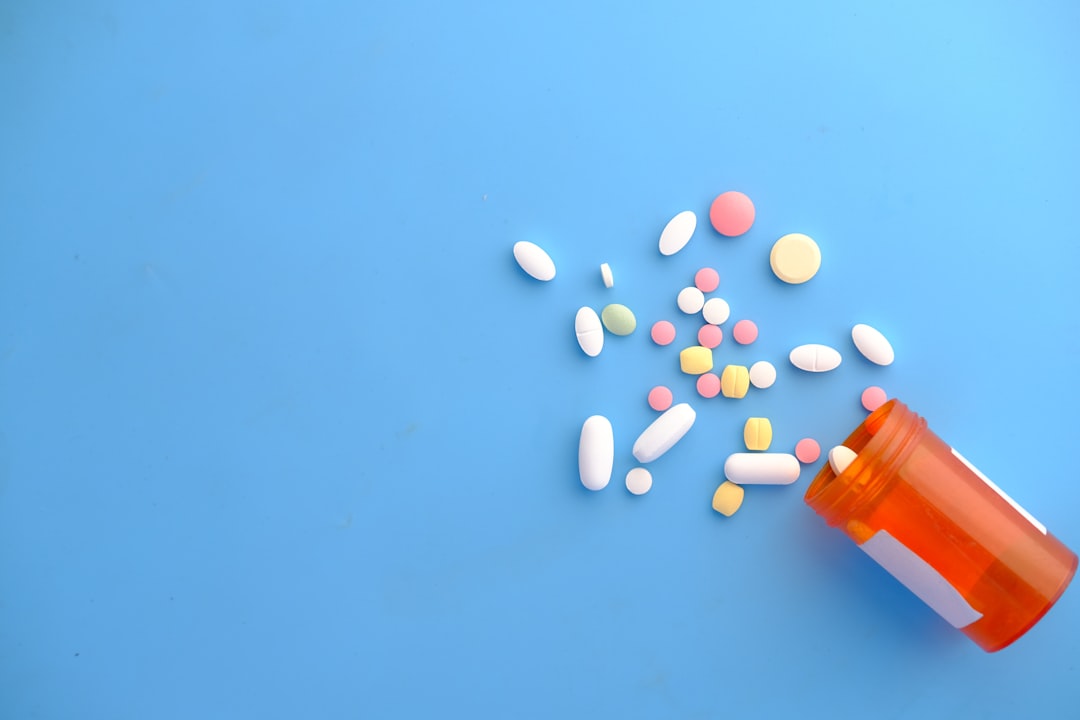
So you start antidepressants. Things get better. Then you notice your libido hasn't come back. Or it's gotten even quieter. And you wonder if something is wrong with you specifically.
Nothing is wrong with you specifically.
SSRIs (selective serotonin reuptake inhibitors) are among the most effective treatments for depression, but they come with a well-documented sexual side effect profile. They work by raising serotonin levels. The catch: elevated serotonin suppresses dopamine, the very chemical your desire depends on. SSRIs can also blunt sensation, delay orgasm, and make arousal feel sluggish or distant. It's frustrating, especially when you finally feel mentally stable enough to want connection again.
The good news? This isn't permanent and it isn't irreversible. Options exist. Some providers switch patients to bupropion or mirtazapine, which have much lower rates of sexual side effects. Others adjust dosage timing. And for some people, the side effects soften naturally after the first few months as the body acclimates.
The crucial thing: talk to your prescriber. Don't quietly tolerate a side effect that's affecting your relationship with yourself and your partner. You deserve a treatment plan that works for your whole life, not just your mood.
Your Body Isn't Broken. It's Overwhelmed.
There's a specific kind of shame that comes with lost desire. You feel like you should want intimacy, especially with someone you love. And then you feel guilty for not wanting it. And the guilt makes the depression heavier. It's a loop that takes a real toll.
Stop for a second.
Your body hasn't abandoned you. It's conserving. When your nervous system is under the sustained pressure of a depressive episode, it redirects resources away from reproduction and pleasure toward basic functioning. That is not a character flaw. That is biology doing its job in a difficult situation. Understanding this doesn't fix everything, but it does remove a layer of shame you don't need to carry.
Self-compassion here isn't a soft suggestion. It's genuinely part of the recovery path. Dr. Kristin Neff, a leading researcher in self-compassion science, has documented how treating yourself with the same kindness you'd offer a struggling friend reduces psychological distress and creates the emotional safety needed for healing (Neff, K., 2011, Self-Compassion: The Proven Power of Being Kind to Yourself).
Small Moves That Actually Help Libido Come Back

This section isn't a checklist. It's more like a map of small, sustainable shifts.
Movement is one of the most evidence-backed tools for both depression and libido recovery. Even moderate exercise raises dopamine and endorphins, improves body image, and reduces cortisol. You don't need a gym. A 20-minute walk does something real.
Sleep quality matters more than most people realize. Poor sleep tanks testosterone and torpedoes dopamine. If your sleep is disrupted by depression, addressing that specifically, through sleep hygiene, therapy, or medication support, has a direct knock-on effect on desire.
Touch, without pressure, can help rebuild the bridge to your body. This could be a warm bath, self-massage, or just sitting with physical comfort. Some people find that low-stakes clitoral vibrators help them reconnect to sensation during this phase, because solo exploration removes the performance pressure that partnered sex can sometimes carry. There's no expectation. Just curiosity.
Therapy, specifically somatic therapy or sex therapy, is often underused. A therapist who works at the body level can help you process the emotional weight that's disconnecting you from desire. This is especially valuable when depression has a trauma component.
Talking to Your Partner When Your Libido Is Gone

This part is hard. You might feel like you're letting your partner down. They might feel rejected even knowing the cause. Both things can be true.
Honesty, offered gently, creates far more connection than silence does. You don't have to explain every detail. Something like "I'm going through something that's affecting my body too, not just my mood. It's not about you, and I'm working on it" can open a door that shame usually keeps shut.
If you and your partner want to maintain closeness without the pressure of sex right now, non-sexual physical intimacy matters more than people think. Holding hands, long hugs, shared sleep. These aren't consolation prizes. They keep the bond warm while you heal. And if your partner wants to explore couples toys as a low-pressure way to stay connected, that conversation is worth having too.
For more on navigating emotional openness in relationships, our piece on fear of sexual vulnerability goes deep on exactly why being truly seen can feel scarier than any physical exposure.
When to Seek Professional Help
If your low libido is tangled with depression and it's been more than a few months, or if your mental health is significantly affecting your daily life, please reach out to a professional. A GP, psychiatrist, or sex therapist can all be entry points. You don't have to have it all figured out before you make the call.
Depression is a medical condition. Lost libido, when connected to depression, is a medical symptom. Both deserve real treatment.
You're not being dramatic. You're not overreacting. You're navigating something genuinely difficult, and support exists.
Reconnecting With Yourself First
Desire doesn't always come back in a rush. Sometimes it trickles in quietly. A moment of genuine laughter. A meal that tastes good again. A sensation that catches your attention.
These are signs.
Reconnecting with your body after a depressive episode is a process of small reclamations. Not grand gestures, not sudden breakthroughs. The women's vibrators you explore during this time aren't about performing desire. They're about staying in a conversation with your own body, gently, without pressure. Some people find that the Berri edging clitoral massager works beautifully for this, because its tapping sensation offers something novel and low-stakes that can help awaken sensation when everything has felt numb. Curiosity is enough to start with.

Patience with yourself isn't weakness. It's the only route through.
Bottom Line
Depression and lost libido are not separate problems. They share roots in the same neurochemical disruptions, the same survival-mode physiology, the same emotional weight. Treating one without acknowledging the other is like fixing a leak and ignoring the water damage.
You're allowed to want desire back. You're allowed to grieve its absence. And you're allowed to ask for help getting there.
This is part of taking care of yourself. All of yourself.
Want to make your journey even more exciting? I've handpicked some amazing toys and goodies at Hello Nancy that'll add extra sparkle to your intimate moments. (Here's a little secret — use 'dirtytalk' for 10% off!)
Frequently Asked Questions
Can depression cause a complete loss of sex drive?
Yes, absolutely. Depression disrupts dopamine, testosterone, and cortisol levels, all of which directly regulate libido. Research suggests nearly 70% of people with depression experience some form of sexual difficulty, including a significantly reduced or absent sex drive.
Will my libido come back after depression treatment?
For most people, yes. As depressive symptoms lift, libido often gradually returns. However, if you're taking SSRIs, some sexual side effects can persist and may need to be addressed separately with your prescriber through dose adjustments or medication changes.
Do antidepressants permanently lower libido?
No, not permanently. SSRI-related sexual side effects often decrease over time as the body adjusts. If they persist, switching to a different antidepressant like bupropion, which has far fewer sexual side effects, is a well-supported option worth discussing with your doctor.
How do I talk to my partner about depression affecting my sex drive?
Keep it simple and reassure them it isn't personal. Phrases like "My body is going through something right now that's affecting my desire. It's not about you" open the conversation without pressure. Maintaining non-sexual physical closeness while you work through it helps both partners feel connected.
What is the connection between depression, low testosterone, and low libido?
Depression actively lowers testosterone in people of all genders, and testosterone is a key driver of sexual desire. Lower testosterone combined with elevated cortisol and reduced dopamine creates a physiological environment where libido has very little to work with. Treating depression often helps restore hormone balance over time.
Can exercise really help with low libido caused by depression?
Yes, exercise is one of the most evidence-backed interventions for both depression and low libido. Even moderate movement, like a daily 20-minute walk, raises dopamine and endorphins, reduces cortisol, and improves body image, all of which directly support sexual desire.
Is low libido from depression different from low libido from antidepressants?
Yes, they have different mechanisms. Depression-related low libido stems from disrupted neurotransmitters and hormones caused by the illness itself. Antidepressant-related low libido is a medication side effect, specifically from serotonin suppressing dopamine. Both can occur simultaneously, which is why it's important to track when changes happen and report them to your provider.
Should I see a sex therapist for depression-related low libido?
A sex therapist can be genuinely helpful, especially if the low libido is causing relationship strain or emotional distress beyond what your primary mental health provider is addressing. Sex therapists are trained to work at the intersection of psychology and physical intimacy, which is exactly where this issue lives.