Add $12.00 to get Free Gift


Somewhere between "you should really do your Kegels" and actually doing them lives a very large, very relatable gap. App-controlled Kegel trainers exist to close it.
These aren't your grandmother's squeeze-and-hope routine. We're talking real-time biofeedback, gamified workouts, and devices that connect to your phone and literally show you what your pelvic floor is doing. And in 2026, the tech has gotten genuinely impressive.
Your pelvic floor controls more than you think. Bladder leaks after a sneeze, orgasm intensity, postpartum recovery, core stability during a deadlift — it's all tied to this one group of muscles most of us completely ignore. The good news? A good app-controlled trainer turns something invisible into something measurable. And measurable means improvable.
Why App-Controlled Kegel Trainers Actually Work
The problem with traditional Kegel exercises is that most people do them wrong. Seriously. Studies suggest a significant portion of people trying to do Kegels are actually bearing down instead of lifting up, which makes things worse, not better. Real-time feedback changes the game entirely.
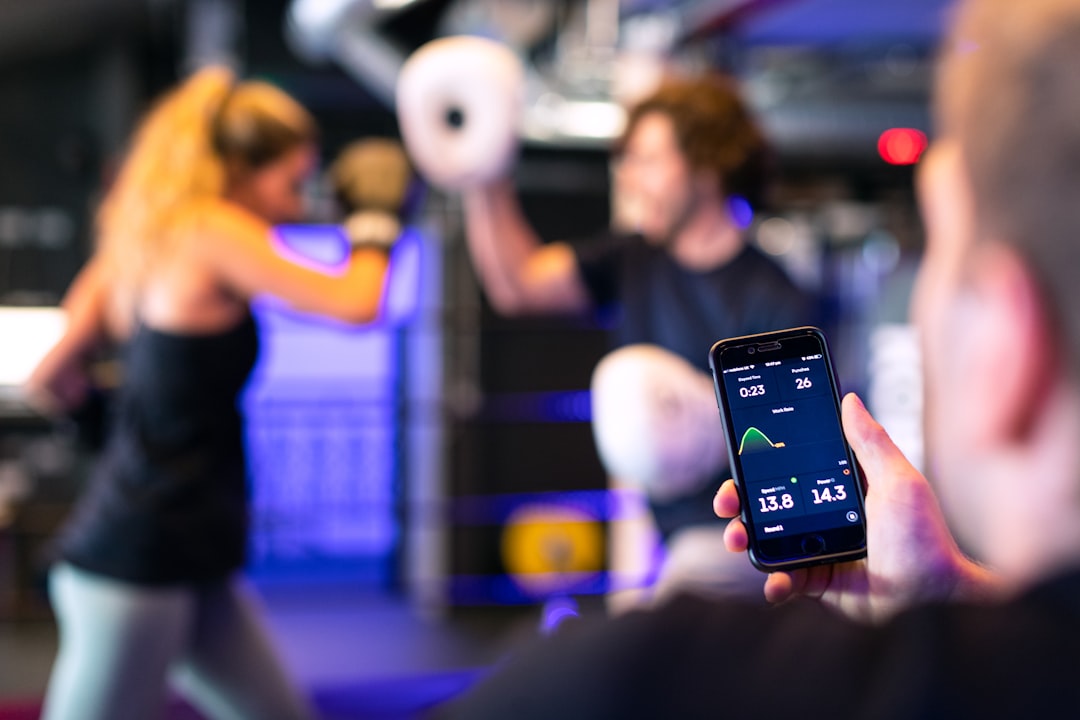
App-controlled trainers use internal sensors to detect your muscle contractions and then visualize them on your screen. You see exactly how hard you're squeezing, how long you hold, and whether you're actually relaxing between reps. That last part matters more than most people realize.
The relaxation phase is where so many people fail. A hypertonic (overactive) pelvic floor is just as problematic as a weak one, and guided apps are the only way to train both strength and release without seeing a physiotherapist weekly.
Perifit published research showing that among users who completed 280-300 in-app game sessions, 85 percent reported improvement in urinary incontinence, while 71 percent noticed improvement after just the early stages of training. Those numbers are not subtle.
The 6 Best App-Controlled Kegel Trainers of 2026
1. Elvie Trainer: Best Overall App Experience
The Elvie Trainer has held its "best app experience" crown for years, and honestly, it still earns it. The device is small, smooth, and whisper-quiet, which means you can use it while folding laundry or watching TV without anyone knowing. Its companion app guides you through short five-minute sessions with clean visual feedback that makes your contractions look like a little gem bouncing on screen.
What makes Elvie stand out is its focus on accessibility. You don't need to understand anything about pelvic floor anatomy to start. The app reads your baseline and adjusts the program to your actual ability level. For beginners especially, this gentle entry point is genuinely reassuring.
2. Perifit Care+: Best for Gamified Training
Perifit turns pelvic floor training into a video game. Your squeezes and holds control a little butterfly flying through obstacle courses on your phone screen. It sounds a bit ridiculous until you find yourself genuinely frustrated that you lost the level and want to replay it.
The Perifit Care+ is FDA-registered, uses 360-degree internal sensors, and can even be used during movement, like squats, making it the most versatile pick for people who already have some baseline fitness awareness. The game library is extensive enough to stay interesting over months of consistent training.
3. kGoal: Best for Real-Time Tactile + Visual Feedback
kGoal does something unique: it inflates gently inside you, providing both tactile pressure feedback and visual data through the app simultaneously. That combination of what you feel and what you see creates a faster learning curve for people who struggle to isolate pelvic floor muscles through sensation alone. The kGoal Boost version also works externally, making it one of the few options accessible to all body types and genders.
The app tracks progress longitudinally, so you can see strength improvements over weeks. If you're someone who needs data to stay motivated, kGoal's dashboard is satisfying in a very nerdy, productive way.
4. Intimina Kegel Trainer App Series: Best for Progressive Resistance
Intimina takes a weight-based approach to pelvic floor training, pairing its app with a graduated series of devices. You start with a lighter trainer and move up in resistance as your strength improves — think of it like a progressive overload system for your pelvic floor. The app tracks which stage you're at and tells you exactly when you're ready to level up.
This works beautifully for people who respond to linear strength programs. It's straightforward, evidence-informed, and satisfying in the way any well-structured fitness routine is.
5. Joy ON by LELO: Best for Combining Pleasure and Training
Here's where things get interesting. LELO's Joy ON is marketed at the intersection of pleasure and pelvic health, a positioning that makes complete sense when you understand how much pelvic floor strength affects arousal and orgasm intensity. The app offers guided training programs alongside vibration patterns, so you can build strength while genuinely enjoying the experience. It connects via Bluetooth and syncs contractions with responsive feedback in real time.
For anyone who finds clinical pelvic floor trainers a bit cold and unsexy, Joy ON reframes the whole practice as something you actually look forward to. That matters more than it might sound. Consistency is everything with this kind of training.
6. Perifit Care (Standard): Best Value Entry Point
If the Care+ feels like more than you need right now, the standard Perifit Care is a legitimate powerhouse at a lower price. The same game-based training format, the same FDA-registered device, and an app that genuinely holds your attention. For someone just starting their pelvic floor journey and not ready to commit to a premium device, this is where I'd begin. It handles the essentials without compromise, and the upgrade path to Care+ is always there when you're ready.
What to Look for in an App-Controlled Kegel Trainer
Not all app-based trainers are equally good, and a flashy app doesn't automatically mean effective training. The sensor quality inside the device matters enormously. A device that can't accurately read weak or partial contractions won't give you honest feedback, and honest feedback is the whole point.
Battery life, Bluetooth stability, and app updates are worth checking before you buy. A device with an app that hasn't been updated since 2022 is a yellow flag. Also consider the material — medical-grade silicone is non-negotiable, as it's body-safe, non-porous, and easy to clean.
Finally, think about your actual training goal. Postpartum recovery, preventing leaks, improving orgasm intensity, or general core stability all involve the pelvic floor but through slightly different muscle recruitment patterns. The best trainers have program libraries that address multiple goals, not just generic "squeeze more" sessions.
Pelvic Floor Training and Your Pleasure Life
Let's talk about the part most product listings skip over. A stronger pelvic floor measurably improves orgasm quality. That's not marketing. The pubococcygeus muscle (PC muscle) contracts during orgasm, and a stronger, more responsive PC muscle means stronger, more intense climaxes. Many people report their first truly powerful orgasm came after consistent pelvic floor training — which is one of the least-discussed sex tips that actually has a physiological mechanism behind it.
If you're already exploring your pleasure toolkit with clitoral vibrators or other intimate toys, adding a Kegel trainer creates a compounding effect. The devices build internal strength; your other toys benefit from it. They work together beautifully.
Pairing pelvic floor work with something like the Berri tapping clitoral massager from Hello Nancy isn't just a fun combination. It's a genuinely intelligent approach to pelvic health and pleasure simultaneously. The external stimulation during or after training sessions can help activate the pelvic region more fully.

For those who want to explore both G-spot stimulation and internal training together, the Gii Glow G-spot vibrator is worth knowing about. It's designed for internal use with body-safe materials that make it easy to incorporate into a holistic pelvic wellness routine.
How Often Should You Actually Train?
Most pelvic health physiotherapists recommend three to four sessions per week, five to ten minutes each, as the minimum effective dose for beginners. Daily training is fine as long as you're not experiencing pelvic pain or tension. If you feel soreness or discomfort after sessions, that's your body asking for a rest day.
The app-guided approach helps here because the best platforms track fatigue and adjust session difficulty accordingly. You're less likely to overtrain when the app is monitoring your contraction patterns and flagging when your form is deteriorating mid-session.
Consistency over intensity is the rule. Six weeks of regular training typically produces noticeable changes in strength and bladder control for most people. Pleasure improvements often follow shortly after, which is a very compelling motivator to stay consistent. Trust me on that one.
Couples and Kegel Training
This is an underrated angle. Pelvic floor strength affects penetrative sex for both partners. Increased grip strength and muscle coordination during intimacy is something partners notice, often before the person training does. Some of the app-controlled trainers listed above include "partner mode" or shared progress features, letting someone you trust follow your journey.
If you're already exploring couples toys together, bringing pelvic floor training into the conversation is a natural extension. It reframes "doing your exercises" as something shared, rather than a solo medical chore. And anything that makes consistency feel easier is worth trying.
For anyone curious about how arousal and pelvic health connect on a physiological level, the Hello Nancy piece on arousal dysfunction, causes, and what actually helps you feel again is a genuinely useful read alongside this one.
Bottom Line
App-controlled Kegel trainers are one of those rare wellness tools where the technology genuinely improves the outcome. The best ones make invisible muscles visible, turn a forgettable chore into a daily habit, and deliver real, measurable results over weeks. Whether your goal is bladder control, postpartum recovery, or stronger orgasms — probably all three, let's be honest — there's a device on this list that fits your life.
Start simple if you're new, invest in quality, and use the app consistently. Your pelvic floor has been carrying you this whole time. It deserves the attention.
Exploring your vibrators for women collection alongside a Kegel training program is the kind of holistic approach your body will genuinely thank you for.
Want to make your journey even more exciting? I've handpicked some amazing toys and goodies at Hello Nancy that'll add extra sparkle to your intimate moments. (Here's a little secret — use 'dirtytalk' for 10% off!)
Frequently Asked Questions
What is an app-controlled Kegel trainer and how does it work?
An app-controlled Kegel trainer is an insertable or wearable device with internal sensors that detect pelvic floor muscle contractions. It sends that data via Bluetooth to a companion smartphone app, which displays your contractions in real time as graphs, games, or guided exercises. The app provides feedback on squeeze strength, hold duration, and relaxation, turning invisible muscle work into a measurable training session.
How long does it take to see results from app-controlled Kegel training?
Most people notice measurable improvements in pelvic floor strength within four to six weeks of consistent training, three to four times per week. Bladder control improvements can appear earlier, sometimes within two to three weeks. Orgasm intensity improvements typically follow strength gains, usually around weeks six to eight.
Are app-controlled Kegel trainers safe to use postpartum?
Most pelvic health physiotherapists recommend waiting until your six-week postpartum check before using any insertable device. After clearance, app-controlled Kegel trainers are considered safe and are actually recommended for postpartum pelvic floor rehabilitation. Always start with the lowest resistance level and stop immediately if you experience pain or discomfort.
Can you use a Kegel trainer if you have a hypertonic (tight) pelvic floor?
Using a Kegel trainer with an already overactive pelvic floor can worsen symptoms like pelvic pain, painful sex, or urgency. If you suspect hypertonia, consult a pelvic floor physiotherapist before starting any device-based training. Some app-controlled trainers include relaxation programs specifically designed for hypertonic floors, which is worth checking before you purchase.
What is the difference between Perifit Care and Perifit Care+?
Both are FDA-registered devices using the same game-based app training format. The Care+ features 360-degree sensors that allow use during movement (such as squats or walking), making it more versatile for active users. The standard Perifit Care tracks contractions accurately in seated positions and costs less, making it the better entry-level option.
Do app-controlled Kegel trainers really improve orgasm intensity?
Yes, and the mechanism is well understood. The pubococcygeus muscle contracts rhythmically during orgasm, and a stronger, more responsive PC muscle produces stronger contractions and more intense climaxes. Many consistent Kegel trainers report noticeable improvements in orgasm intensity after six to eight weeks of regular training. It's one of the most evidence-supported sexual wellness benefits of pelvic floor exercise.
How do I clean and maintain an app-controlled Kegel trainer?
Most app-controlled Kegel trainers are made from medical-grade silicone and should be washed with warm water and a mild, fragrance-free soap before and after each use. Avoid submerging the charging base or any electronic components unless the device is rated fully waterproof. Never use silicone-based lubricants with silicone devices, as they can degrade the material over time.
Which app-controlled Kegel trainer is best for beginners in 2026?
The Elvie Trainer and the standard Perifit Care are both excellent beginner choices. Elvie offers the most approachable app interface with minimal learning curve, while Perifit's game-based format keeps sessions engaging enough to build a consistent habit. Both read your baseline on first use and adapt programs to your starting strength level.