Add $12.00 to get Free Gift



By the time you notice something is happening, your body has already been at it for a while. Most people move through these stages every single time without ever knowing their names.
And that's actually a shame. Because understanding how male arousal works, which physiologists mapped out decades ago, genuinely changes how you experience it. Or how you share it with a partner.
Where Does the Science Come From?

Back in the 1960s, William Masters and Virginia Johnson did something radical. They studied actual human sexual response in a laboratory setting, watching real physiological changes instead of guessing. What they found became the foundation of modern sex science: a four-stage sexual response cycle called excitement, plateau, orgasm, and resolution.
Those stages apply to all bodies.
But for people with penises, the progression has some very specific, fascinating mechanics that most sex ed classes completely skipped over. So let's fix that right now.
Stage 1: Excitement. The Body Wakes Up
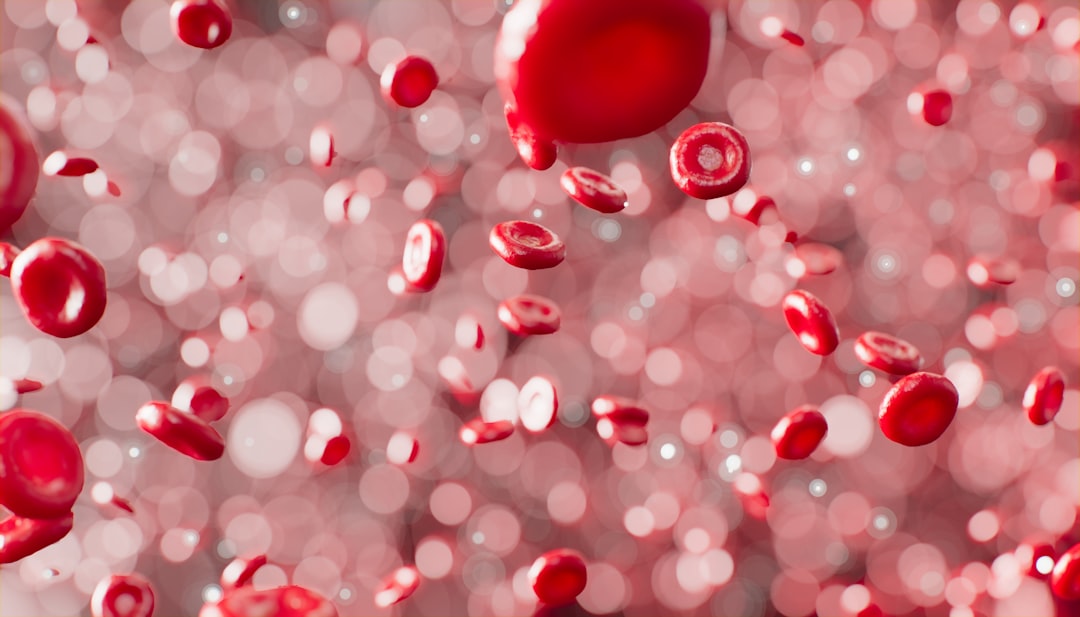
The excitement stage is the one that starts everything. It can be triggered by a thought, a touch, a smell, a memory, or a glance across a crowded room. The brain fires a signal down the nervous system, and the body responds almost instantly with vasodilation, which just means the blood vessels in the genitals widen and blood rushes in.
This is what creates an erection.
The penis fills with blood through a sponge-like tissue called the corpus cavernosum. Meanwhile, the testes begin to pull upward toward the body and increase slightly in size. Heart rate picks up. Skin flushes in some people. Breathing gets a little shallower. The whole system is going from idle to active in seconds, all without you consciously doing a thing.
Mental arousal and physical arousal tend to sync up here, but not always. Sometimes the body responds before the mind catches up. Sometimes the reverse. Both are totally normal.
Stage 2: Plateau. The Build That Deserves More Credit

Here's the stage most people rush through without realizing it even has a name. The plateau phase is basically heightened excitement. Everything that started in Stage 1 intensifies. Blood pressure rises further. Heart rate climbs. Muscle tension (what researchers call myotonia) increases through the thighs, abdomen, and sometimes the face.
The Cowper's glands, two small glands near the urethra, start releasing pre-ejaculatory fluid at this point. You might know it as pre-cum. Its job is partly to neutralize any acidic residue left from urine in the urethra, making the environment less hostile for sperm. It's a small physiological detail, but it shows just how thoroughly the body prepares itself.
The glans of the penis often deepens in color during this stage due to increased blood concentration. The testes continue rising and can increase by up to 50% in size temporarily. Sensation is heightened but not yet at its peak. This is the stage where extended arousal, whether through mindful sex, edging, or sustained stimulation, can dramatically intensify what comes next.
Slowing down here is almost always worth it.
Stage 3: Orgasm. The Part Everyone Already Knows About

Orgasm is the shortest stage of the four, typically lasting between 3 and 25 seconds in people with penises. But the physiology is surprisingly complex for something that brief.
It happens in two steps.
First comes emission. The vas deferens, seminal vesicles, and prostate gland contract rhythmically to move semen into the urethra. The internal urethral sphincter closes to prevent urine mixing in. At this point, a point of ejaculatory inevitability is reached, a feeling most people describe as "the point of no return." The second step is expulsion: rhythmic contractions of the bulbocavernosus muscle push semen out of the body at roughly 0.8-second intervals. Simultaneously, the brain floods with dopamine, oxytocin, and endorphins, which is where the euphoria, the involuntary vocalizations, and the whole-body tension release actually come from.
Orgasm and ejaculation are related but technically not the same event, which is why some people can learn to separate them.
Stage 4: Resolution. The Comeback Nobody Talks About

After orgasm, the body gradually reverses everything it built up. Blood drains from the genitals, the penis returns to its flaccid state, blood pressure normalizes, and heart rate slows back down. Muscles release their tension. For many people, this stage feels deeply relaxing, even sleepy, largely because of a cocktail of hormones including prolactin and oxytocin that get released post-orgasm.
The uniquely male feature of this stage is the refractory period.
During the refractory period, another erection or orgasm is physiologically impossible for a window of time. That window varies enormously. For younger people it can be minutes. With age, it tends to extend to hours. Research from the physiology literature shows this is mediated partly by prolactin and serotonin levels rising after orgasm, which actively suppress arousal signals. This is not a personal failing or a weakness. It's just biology doing its job.
Not all bodies experience this the same way, and those without a refractory period (as seen in some people with vulvas) can experience multiple orgasms more readily.
Why Understanding This Actually Matters
Knowing these stages changes how you communicate with a partner. It changes how you pace yourself. It changes how you interpret your own body's signals. When you know that slowing down during the plateau phase intensifies orgasm, or that the refractory period is biological rather than behavioral, sex becomes something you understand rather than something that just happens to you.
And understanding arousal isn't just self-knowledge. It's a tool for better intimacy.
If you want to explore longer, more intentional arousal for yourself or with a partner, toys built for sustained stimulation are genuinely worth considering. Something like the Berri tapping clitoral massager from Hello Nancy is designed with edging and extended plateau-phase play in mind, making it a smart companion for bodies of all kinds who want to stretch out that delicious Stage 2. And if you're exploring together, couples toys can make every stage of the cycle more layered and connected.
Want to make your journey even more exciting? I've handpicked some amazing toys and goodies at Hello Nancy that'll add extra sparkle to your intimate moments. (Here's a little secret, use 'dirtytalk' for 10% off!)
Frequently Asked Questions
What are the 4 stages of male arousal?
The four stages are excitement, plateau, orgasm, and resolution, first described by researchers Masters and Johnson. They apply to all people but have specific physiological characteristics in those with penises, including the refractory period during resolution.
What happens to the body during the male excitement stage?
Blood rushes into the erectile tissue of the penis via vasodilation, causing an erection. Heart rate rises, the testes begin to lift and enlarge slightly, and skin may flush. This response can be triggered by physical touch, mental imagery, or sensory stimuli.
What is the plateau stage in male sexual response?
The plateau stage is an intensified continuation of excitement. Blood pressure and heart rate increase further, muscle tension builds, the Cowper's glands release pre-ejaculatory fluid, and the glans may deepen in color. Extending this stage through edging or mindful stimulation can significantly intensify orgasm.
Is ejaculation the same as orgasm in males?
No, they are two separate physiological events that typically occur together but don't have to. Ejaculation is the physical expulsion of semen via muscular contractions. Orgasm is the neurological and psychological peak involving dopamine, oxytocin, and endorphin release. Some people can learn to experience orgasm without ejaculation.
How long does the male refractory period last?
It varies widely. Younger people may recover in a few minutes, while the window typically extends to an hour or more with age. Rising levels of prolactin and serotonin after orgasm are thought to suppress arousal signals during this period.
Can male arousal happen without physical touch?
Absolutely. The excitement stage can be triggered by visual stimuli, memory, imagination, or even sound. Research in physiology points to high activity in the amygdala during arousal, showing how central the brain is to the entire process before the body responds.
What is pre-ejaculatory fluid and when does it appear during arousal?
Pre-ejaculatory fluid, often called pre-cum, is released by the Cowper's glands during the plateau stage. It lubricates the urethra and neutralizes acidic residue from urine to protect sperm. Its presence is a reliable sign that the body has moved into the second stage of the arousal cycle.
Why do men feel sleepy after sex or orgasm?
During the resolution stage, the brain releases prolactin and oxytocin after orgasm. Prolactin in particular is associated with feelings of satisfaction and drowsiness. Combined with the muscle relaxation and drop in heart rate, this hormonal release creates a powerful physical pull toward sleep or deep rest.
How can understanding the stages of arousal improve sex?
Knowing which stage you or your partner is in allows better pacing, communication, and timing. Deliberately extending the plateau phase, for example, is linked to stronger orgasms. Recognizing the refractory period as biological removes unnecessary frustration. Understanding your own arousal pattern makes both solo and partnered sex more intentional and satisfying.
Do all people with penises experience the 4 stages the same way?
The four stages are universal in structure, but the intensity, duration, and subjective experience vary enormously between individuals. Factors like age, mental state, relationship context, testosterone levels, and overall health all influence how each stage feels and how long it lasts.