Add $12.00 to get Free Gift


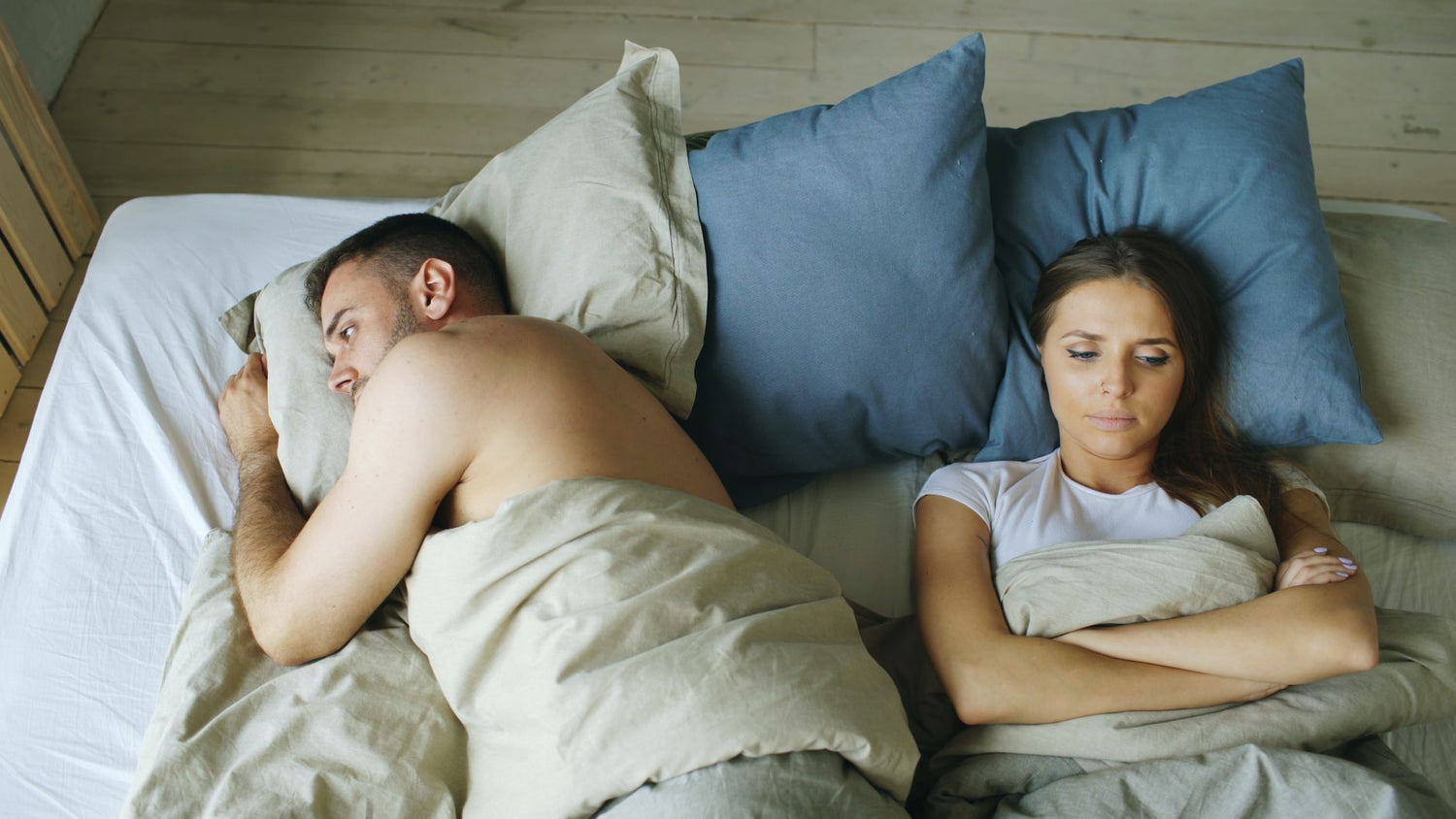
Your body hasn't betrayed you. It's just asking a question you haven't learned to answer yet.
Arousal dysfunction is one of those topics that lives in the silence between therapy sessions and late-night Google searches. You want to feel turned on. Nothing happens. Or something starts, then stops. Or your mind is completely on board while your body stays frustratingly offline. You're not broken. But you do deserve real answers.
Let's get into it.
What Is Arousal Dysfunction, Actually?

Arousal dysfunction refers to a persistent difficulty getting or staying physically or mentally aroused during sexual activity. The DSM-5 classifies a specific version of this as Sexual Interest/Arousal Disorder (SIAD), diagnosed when symptoms persist for at least six months and cause genuine distress (American Psychiatric Association, 2013). But here's what the clinical definition misses. For most people, this isn't one clean diagnosis. It's a sliding scale that shifts with life circumstances, stress, hormones, and relationship dynamics.
Physical arousal includes increased blood flow to the genitals, lubrication, erection, and heightened sensitivity. Mental arousal is the anticipation, the wanting, the focus. Sometimes one fires without the other. That disconnect has a name too: arousal non-concordance. And it's more common than most people realize.
It matters to name this correctly. Because understanding what's actually happening in your body is the first step toward doing something about it.
The Real Causes of Arousal Dysfunction
Arousal dysfunction rarely has a single cause. Most of the time, it's a layered thing. Think of it less like a broken switch and more like a dimmer that several different hands have been adjusting without your knowledge.
Hormones are often the first culprit people investigate, and for good reason. Low estrogen (common during perimenopause, postpartum periods, or when using certain hormonal contraceptives) directly reduces genital sensitivity and natural lubrication. Low testosterone, relevant for people of all genders, can flatten desire and make physical arousal feel sluggish. Thyroid conditions and elevated prolactin levels also play a role that often goes undiagnosed for years.
Medications matter more than we talk about. SSRIs and SNRIs, used to treat depression and anxiety, are among the most common culprits behind reduced arousal. In some cases, the sexual side effects persist even after stopping the medication, a phenomenon called Post-SSRI Sexual Dysfunction (PSSD). Other medications including antihistamines, blood pressure drugs, and some hormonal contraceptives can have similar effects.
Stress is doing more damage than most people credit it for.
When your nervous system is stuck in fight-or-flight mode, your brain literally deprioritizes sexual response. Cortisol suppresses the hormones needed for arousal. Your body is focused on surviving, not thriving. Chronic stress, anxiety disorders, and burnout all feed into this loop in ways that feel invisible until suddenly everything feels numb.
Psychological factors deserve equal weight here. Past sexual trauma, shame around sexuality, body image struggles, and relationship dynamics all directly influence how safely your nervous system can enter an aroused state. For many people, the body learned early to shut arousal down as a protective response. That response doesn't just switch off because circumstances change.
When It's About the Relationship (And When It Isn't)
Relationship context is a significant variable. Feeling emotionally disconnected from a partner, unresolved conflict, a lack of safety or trust, or simply boredom and routine can all suppress arousal over time. This isn't about loving someone less. It's about the nervous system needing specific conditions to feel safe enough to open up.
But here's something important. Arousal dysfunction absolutely happens outside of relationships too. Solo arousal difficulties are just as real and valid, and they're actually an important diagnostic signal. If arousal feels muted during solo play as well as partnered sex, the cause is more likely physiological or psychological rather than relational.
Knowing that difference saves a lot of couples from blaming each other for something neither of them caused.
What the Research Actually Says About Treatment

The good news: this is treatable. Not always quickly, and not always with a single approach. But treatable.
Mindfulness-based cognitive therapy (MBCT) has shown genuinely strong results for arousal dysfunction. A 2024 meta-analysis published in the International Journal of Sexual Health found strong effect sizes for sexual arousal and satisfaction outcomes in women using mindfulness-based interventions. The mechanism makes intuitive sense. Mindfulness teaches the brain to stay present rather than spiraling into performance anxiety or self-monitoring, which are two of the biggest arousal killers in existence.
Sex therapy and somatic therapy address the psychological and nervous system components directly. A skilled sex therapist doesn't just talk. They guide you through exercises that gradually expand your window of tolerance for pleasure, often starting entirely outside of sexual activity.
For hormone-related causes, medical evaluation is essential. A GP or endocrinologist can test hormone levels and explore options ranging from topical estrogen (which addresses vaginal dryness and sensitivity without systemic effects) to testosterone therapy where appropriate. If a medication is suspected as the cause, a prescribing doctor can often suggest alternatives.
Pelvic floor physiotherapy is underutilized and genuinely powerful. Pelvic tension, which is extremely common in people who have experienced trauma or chronic stress, can physically block arousal response. A pelvic physio works with the tissues and nerves involved in sexual response in ways that no amount of mindset work alone can replicate.
For people with vulvas, clitoral vibrators used during solo exploration can help rebuild the physical pathway of arousal when sensation feels muted. This isn't just about pleasure for its own sake. It's about neurological reconditioning, reminding the body that arousal is possible and safe.
Practical Things You Can Try Right Now

You don't need to wait for a referral or a diagnosis to start taking your arousal seriously.
Reducing sympathetic nervous system activation before any sexual activity is one of the most evidence-adjacent shifts you can make. That means a deliberate transition away from screens, work stress, and task-mode thinking. It could be a bath, a walk, breathwork, or even just ten minutes of quiet. Your nervous system needs a runway, not a sudden departure.
Sensate focus, a technique developed by Masters and Johnson, involves deliberately exploring physical sensation with zero expectation of arousal or orgasm. It's used in sex therapy because it removes pressure, which is often the very thing blocking arousal in the first place. You can practice it alone or with a partner.
Communication with a partner about what feels safe, pleasurable, and pressure-free is more therapeutic than most people expect. When the body stops fearing judgment or performance expectations, the physiology often follows. Exploring what actually works in a relationship isn't just emotional support. It's nervous system regulation by another name.
If you're exploring solo, consider working with vibrators for women that prioritize gentle, variable stimulation. The goal isn't forcing a response. It's opening a conversation with your body on its own terms. The Berri tapping clitoral massager is a genuinely interesting option here. Its tapping stimulation pattern is softer than traditional vibration and can feel less overwhelming when sensitivity is low or inconsistent.

For people navigating arousal alongside bigger questions about human sexuality and desire, grounding yourself in knowledge helps. Understanding that desire is complex, contextual, and rarely linear takes an enormous amount of shame out of the equation.
When to See a Professional
If arousal difficulties have been consistent for six months or more and are causing you distress, that's a reason to see someone. Not because something is terribly wrong, but because you deserve support that goes beyond self-help. Your GP is a reasonable starting point for ruling out hormonal or medication-related causes. From there, a referral to a sex therapist, pelvic physiotherapist, or psychologist specializing in sexual health can open up real pathways forward.
Don't let the awkwardness of the conversation stop you from having it. Clinicians who work in this space have heard everything. They're not judging. They're genuinely there to help.
Wrapping Up
Arousal dysfunction is common, real, and absolutely worth taking seriously. It's not a character flaw, a sign of low libido forever, or a reflection of how much you care about sex or your partner. It's a signal. And signals can be read.
Your body isn't withholding pleasure out of spite. It's protecting you from something it perceives as unsafe, or it's running low on the resources it needs to function fully. Either way, that's information. Work with it, not against it.
You deserve a full, present, embodied experience of pleasure. That's not a luxury. It's just true.
Want to make your journey even more exciting? I've handpicked some amazing toys and goodies at Hello Nancy that'll add extra sparkle to your intimate moments. (Here's a little secret: use 'dirtytalk' for 10% off!)
Frequently Asked Questions
What is the difference between low libido and arousal dysfunction?
Low libido refers to reduced desire or interest in sexual activity. Arousal dysfunction specifically means the body (and sometimes the mind) struggles to become physically aroused even when desire is present. You can have strong desire but poor physical response, or you can experience both together. They often overlap but are distinct issues with different root causes and treatments.
Can antidepressants really cause long-term arousal problems?
Yes, this is well-documented. SSRIs and SNRIs are among the most common medication-related causes of reduced arousal and genital numbness. In some cases, these effects persist after stopping the medication, a condition known as Post-SSRI Sexual Dysfunction (PSSD). If you suspect your medication is affecting your arousal, speak to the prescribing doctor about alternatives. Do not stop medication without medical guidance.
Is arousal dysfunction more common in women or men?
Arousal dysfunction affects people of all genders, though it's historically been more researched in the context of women and people with vulvas. Men and people with penises can experience arousal dysfunction that isn't the same as erectile dysfunction. Both involve different mechanisms but equally real distress. The clinical literature has been catching up in recent years.
Can stress alone cause arousal dysfunction?
Absolutely. Chronic stress keeps the nervous system in a state of threat-response, which actively suppresses the hormones and neural pathways involved in arousal. Cortisol, the primary stress hormone, directly interferes with estrogen and testosterone function. Many people find that their arousal problems resolve significantly once their stress load decreases, even without any other intervention.
What is arousal non-concordance and is it a problem?
Arousal non-concordance is when your body shows physical signs of arousal (lubrication, erection, increased blood flow) but your mind doesn't feel turned on, or vice versa. It's extremely common and not a disorder in itself. It becomes worth addressing if it's consistently causing distress or disconnection from your experience of pleasure.
Does menopause always cause arousal dysfunction?
Not always, but hormonal changes during perimenopause and menopause can significantly affect arousal for many people. Declining estrogen reduces genital sensitivity and lubrication, and falling testosterone can flatten desire. These changes are manageable. Topical estrogen, lubricants, clitoral stimulation toys, and hormone therapy (where appropriate) are all evidence-supported options worth discussing with a doctor.
How long does it take to recover from arousal dysfunction?
It depends entirely on the cause. If the issue is medication-related and the medication is changed, improvement can happen within weeks. Hormone-related causes may take a few months to respond to treatment. Psychological and trauma-based arousal dysfunction often takes longer, but evidence-based therapies like MBCT and sex therapy show meaningful improvements within 8 to 12 sessions for many people.
Can using sex toys help with arousal dysfunction?
Yes, particularly as a tool for solo body exploration and nervous system reconditioning. Using couples toys or solo vibrators to gently explore sensation, without pressure to orgasm, can help rebuild the physical arousal pathway. They work best as part of a broader approach alongside addressing underlying causes rather than as a standalone fix.