Add $12.00 to get Free Gift



Your body has been telling you this all along. You just didn't have the language for it yet.
Sexuality is one of the most personal, most layered parts of being human, and somehow, most of us arrived into adulthood with almost zero real guidance about it. Not the mechanics. Not the emotional map. Definitely not the part about how fluid, evolving, and beautifully non-linear it all actually is. So let's fix that, together.
This is your honest, grounded guide to understanding human sexuality.
What Is Human Sexuality, Really?

Human sexuality isn't just about who you're attracted to or what you do in the bedroom. It's a broad, living spectrum that includes your desires, your identity, your emotional connections, your body's responses, and the meaning you assign to all of it. Think of it less like a fixed address and more like a territory you keep exploring.
Researchers have long confirmed this. The work of Dr. Alfred Kinsey back in 1948 introduced the idea that sexual orientation exists on a continuum, not in neat boxes. His scale ran from 0 (exclusively heterosexual) to 6 (exclusively homosexual), with most people sitting somewhere in between at different points in their lives. That was 1948. We've learned so much more since.
Sexuality is multidimensional. It isn't one-size-fits-all.
A 2019 large-scale genomic study by Ganna et al. suggested that human sexuality is highly polygenic and variable, shaped by a complex interplay of genetics, environment, culture, and personal experience. There is no single "sexuality gene." There's no formula. What there is, is a remarkable diversity of human experience that science is only beginning to fully map.
Sexual Orientation: More Than a Label
Here's the thing about labels. They can be useful. They can also feel like a cage.
Sexual orientation describes the pattern of emotional, romantic, and/or physical attraction you feel toward others. It includes heterosexuality, homosexuality, bisexuality, pansexuality, asexuality, demisexuality, and many more identities that exist on the spectrum. None of these are phases. None are "less valid" than the others.
Sexual fluidity is also real and well-documented. Research published in the journal Demography (Katz-Wise et al., 2023) found that a significant proportion of people report changing their sexual identity over time, particularly among younger generations. Attraction can shift. Your identity can evolve. That doesn't mean you were "wrong" before. It means you're human.
For those navigating identity questions, there are few better places to start than open conversation, whether with a therapist, a trusted friend, or even just with yourself through journaling. You don't need to have all the answers to live authentically right now.
The Anatomy of Desire: How Attraction Actually Works

Attraction is neurological, emotional, cultural, and deeply personal all at once.
When you feel attracted to someone, your brain lights up with dopamine, norepinephrine, and serotonin. These aren't just "love chemicals." They're your nervous system prioritizing connection, pleasure, and meaning. Physical attraction is often the first signal people notice. But emotional attraction, intellectual attraction, and sensual attraction are just as real and just as powerful, and for many people, those forms of attraction matter even more.
Demisexuality, for example, describes experiencing sexual attraction only after forming a deep emotional bond. Sapiosexuality describes being drawn primarily to intellect. These aren't niche quirks. They're legitimate orientations that millions of people experience but may have never had a name for.
Knowing how your attraction works can be genuinely freeing. When you understand what actually draws you to people, you stop wasting energy chasing connections that aren't built for you.
Sexual Expression and the Role of Pleasure

Pleasure is not a bonus. It's a basic human need.
Sexual expression is the way you communicate and experience your sexuality in the world. That can mean physical intimacy with a partner, solo exploration, creative expression, or simply acknowledging your desires without shame. All of these count. None require external validation.
Self-knowledge is one of the most underrated aspects of a healthy sexual life. Understanding your own body, what feels good, what doesn't, what you need emotionally before and after intimacy, what your boundaries look like — that's the foundation everything else is built on. Exploring ways to boost bedroom confidence and stamina starts with feeling at home in your own experience.
For vulva owners, clitoral stimulation is the primary pathway to orgasm for roughly 70-80% of people. Yet sexual education rarely mentions this. Clitoral vibrators and massagers exist specifically to help people explore what their bodies respond to, in a low-pressure, self-led way. Pleasure-based exploration isn't indulgent. It's how you build a healthy, informed relationship with your own sexuality.
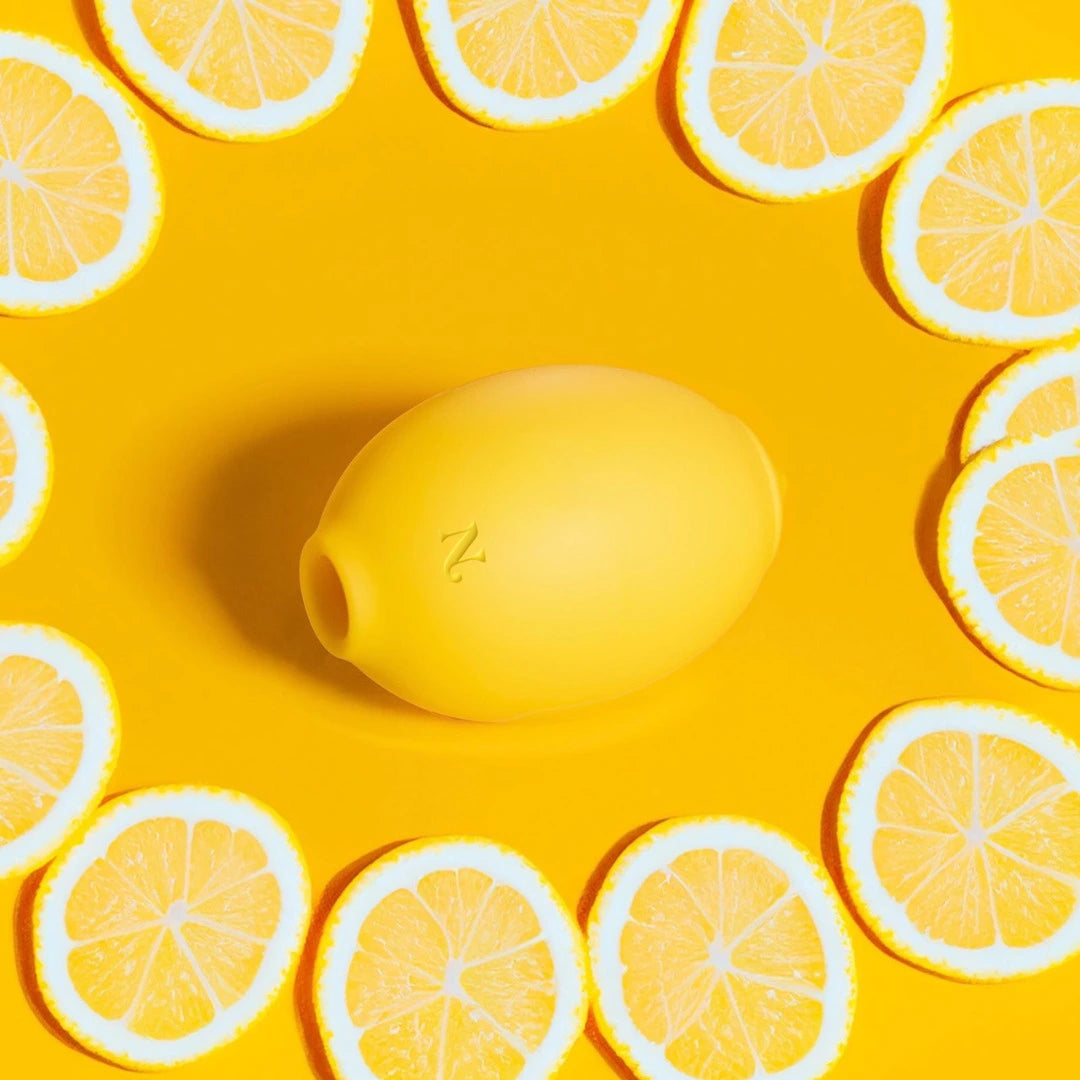
The Lem Clitoral Massager from Hello Nancy is a beautiful example of a toy designed with that purpose in mind. Its gentle, intuitive design makes it ideal for anyone starting to explore what pleasure actually means for them personally.
Sexual Health: The Basics That Actually Matter
Sexual health is more than STI testing and contraception, though both of those matter enormously.
The World Health Organization defines sexual health as a state of physical, emotional, mental, and social well-being in relation to sexuality. That's a wide and generous definition on purpose. It includes your right to safe, consensual, pleasurable experiences. It includes access to information. It includes freedom from coercion, discrimination, and shame. Sexual health is holistic, which means neglecting your emotional relationship with your own sexuality is just as much a health issue as skipping your annual screening.
Regular STI testing, honest conversations with partners about boundaries and status, and ongoing emotional check-ins with yourself are all part of a healthy sexual life. So is knowing when to ask for help — from a doctor, a sex therapist, or a trusted healthcare provider.
Consent: The Non-Negotiable Foundation

Consent is not a mood-killer. It's what makes everything better.
Active, informed, enthusiastic consent is the baseline for any sexual interaction. Not reluctant agreement. Not silence. Not something given once and assumed forever. Consent is ongoing, revocable, and specific. It can be verbal or non-verbal, but it must be clear. And it applies in long-term relationships just as much as it does on a first date.
Conversations about consent are also conversations about desire. Asking what your partner wants isn't awkward. It's intimate. It communicates that their experience matters to you, and that creates trust. The best relationship advice always circles back to this — real intimacy is built on mutual respect, not assumption.
Gender Identity and Its Relationship to Sexuality
Gender identity and sexual orientation are two separate things. They're related, but they're not the same.
Gender identity is your internal sense of who you are — man, woman, non-binary, genderfluid, agender, or any other identity. Sexual orientation is about who you're attracted to. A transgender woman can be straight, gay, bisexual, or anything else. A non-binary person can be attracted to women exclusively. These categories don't constrain each other. They coexist and interact in ways that are unique to every individual.
Understanding this distinction matters because it prevents erasure. It means you can honor someone's gender identity without making assumptions about their romantic or sexual life, and vice versa.
Navigating Sexuality Through Life's Changes

Your sexuality doesn't stay frozen at 22.
Hormonal changes, relationship transitions, health shifts, aging, pregnancy, stress, and major life events all influence how you experience desire and connection. That's not a malfunction. That's your sexuality responding to your life. Libido naturally fluctuates. Attraction can evolve. What felt right at 25 might look completely different at 40, and both versions of you are valid.
If you're navigating a shift in your sexual self, whether it's a change in desire, a new identity emerging, or a relationship prompting new questions, the most useful thing you can do is stay curious rather than alarmed. Seek information. Talk to someone you trust. And give yourself the grace to not have it all figured out immediately.
Pairing self-exploration with quality vibrators for women and intimate tools is one grounded, practical way to stay connected to your body during those shifts. Products like the Namii 2, which combines clitoral suction and vibration, offer a gentle, exploratory experience that meets you wherever you are.
Sexuality and Relationships: Finding Your Version
There is no single right way to structure your romantic or sexual life.
Monogamy works beautifully for many people. So does ethical non-monogamy, relationship anarchy, celibacy by choice, or a deeply fulfilling solo life. What matters is that your relational structure is chosen consciously, communicated clearly, and consented to by everyone involved. Societal default settings are not requirements. You get to decide what relationships look like for you.
If you're in a partnered relationship and looking to deepen your connection, exploring couples toys together can be a surprisingly meaningful way to open conversations about desire, trust, and mutual pleasure. Pleasure-sharing is an act of vulnerability. That vulnerability is where real intimacy lives.
Want to make your journey even more exciting? I've handpicked some amazing toys and goodies at Hello Nancy that'll add extra sparkle to your intimate moments. (Here's a little secret, use 'dirtytalk' for 10% off!)
Frequently Asked Questions
What are the different types of human sexuality?
Human sexuality includes a wide range of orientations such as heterosexuality, homosexuality, bisexuality, pansexuality, asexuality, demisexuality, and more. Beyond orientation, sexuality also encompasses gender identity, sexual expression, and relational preferences, all of which can vary and evolve throughout a person's life.
Is sexual orientation fixed or can it change over time?
Sexual orientation can be stable for many people, but research shows it can also shift over time. This is called sexual fluidity. It doesn't mean a person was confused before; it simply reflects the natural complexity of human desire and identity.
What is the difference between gender identity and sexual orientation?
Gender identity is your internal sense of who you are — whether that's man, woman, non-binary, or another identity. Sexual orientation refers to who you're attracted to romantically or sexually. The two are independent of each other and should never be conflated.
How do I understand my own sexuality better?
Start with curiosity, not judgment. Journaling, reading well-researched resources, speaking to a sex-positive therapist, and giving yourself space to notice what you feel without immediately labeling it are all genuinely helpful approaches. Self-knowledge about your sexuality builds over time, not overnight.
What is the Kinsey Scale and how does it relate to sexual orientation?
The Kinsey Scale, developed by Dr. Alfred Kinsey in 1948, rates sexual orientation on a spectrum from 0 (exclusively heterosexual) to 6 (exclusively homosexual). It was groundbreaking because it challenged the idea that people are simply "straight" or "gay," showing instead that most people fall somewhere along a continuum.
How does sexuality relate to sexual health?
Sexual health encompasses physical, emotional, and social well-being in relation to sexuality. It includes safe practices, regular STI testing, access to accurate information, and the freedom to experience pleasure without shame or coercion. Emotional and mental aspects of sexuality are just as important as the physical ones.
What is consent and why is it so important in sexual relationships?
Consent is an active, ongoing, informed, and enthusiastic agreement to engage in any sexual activity. It must be freely given and can be withdrawn at any time. Consent isn't just a legal or ethical requirement — it's the foundation of trust and genuine intimacy in any sexual relationship.
Can sexuality change after a major life event like pregnancy or illness?
Yes, and that's completely normal. Hormonal shifts, physical changes, emotional stress, and life transitions can all affect libido and how you experience desire. If this happens, staying curious rather than alarmed is key. Speaking with a healthcare provider or sex therapist can provide real support and practical guidance.
What is demisexuality and how do I know if it applies to me?
Demisexuality describes a pattern where sexual attraction only develops after forming a strong emotional bond with someone. If you rarely feel physically attracted to people you don't know deeply, and your attraction grows through emotional closeness rather than physical appearance, demisexuality might resonate with your experience.