Add $12.00 to get Free Gift


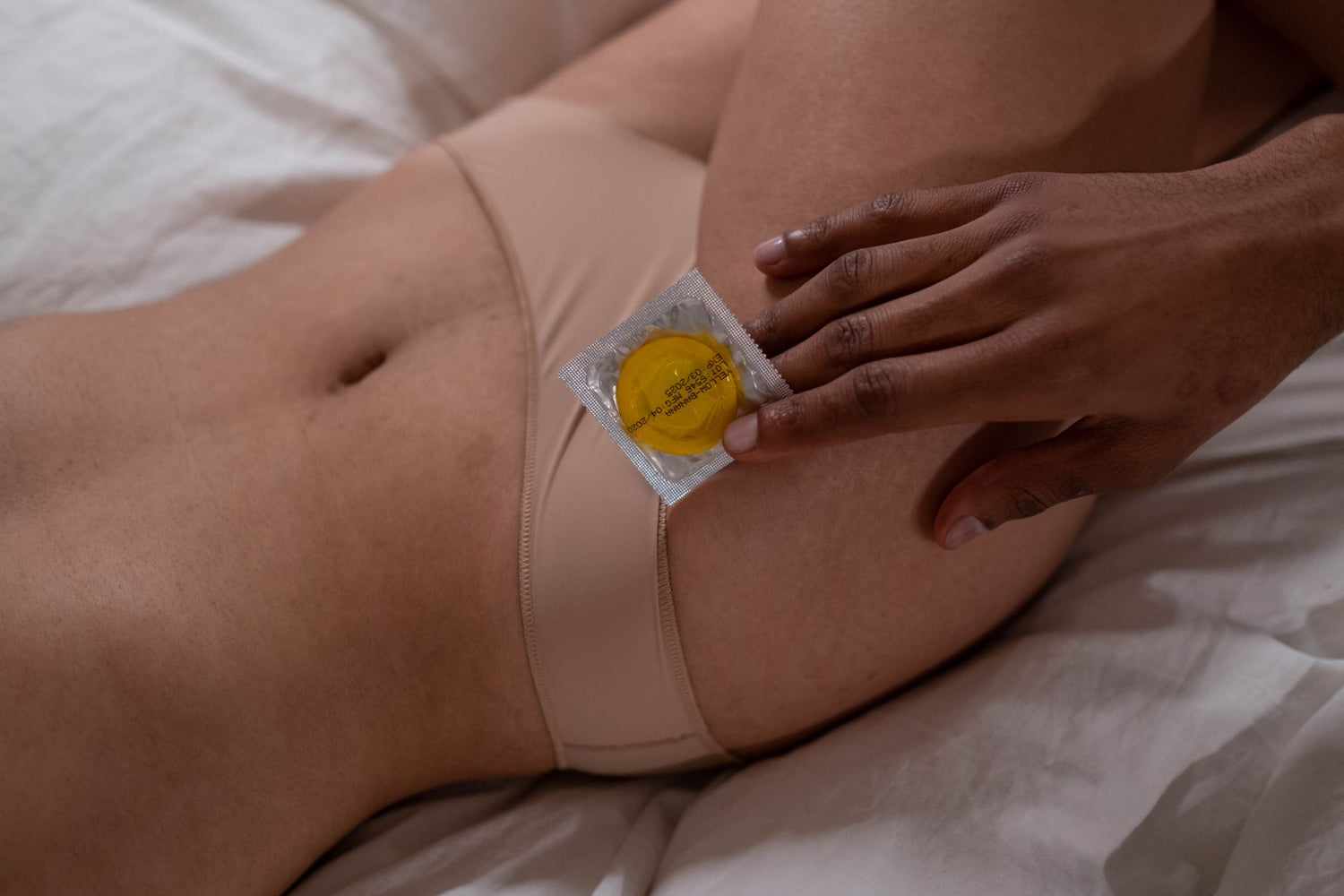
Let's be real. Most of us learned about birth control through whisper networks, a nervous school nurse, and maybe a panicked Google search at 2am. That's not a foundation anyone should be making body decisions from.
Your reproductive choices are some of the most personal decisions you will ever make. You deserve a clear, honest, no-nonsense guide that actually respects your intelligence.
So here we go.
What Birth Control Actually Means
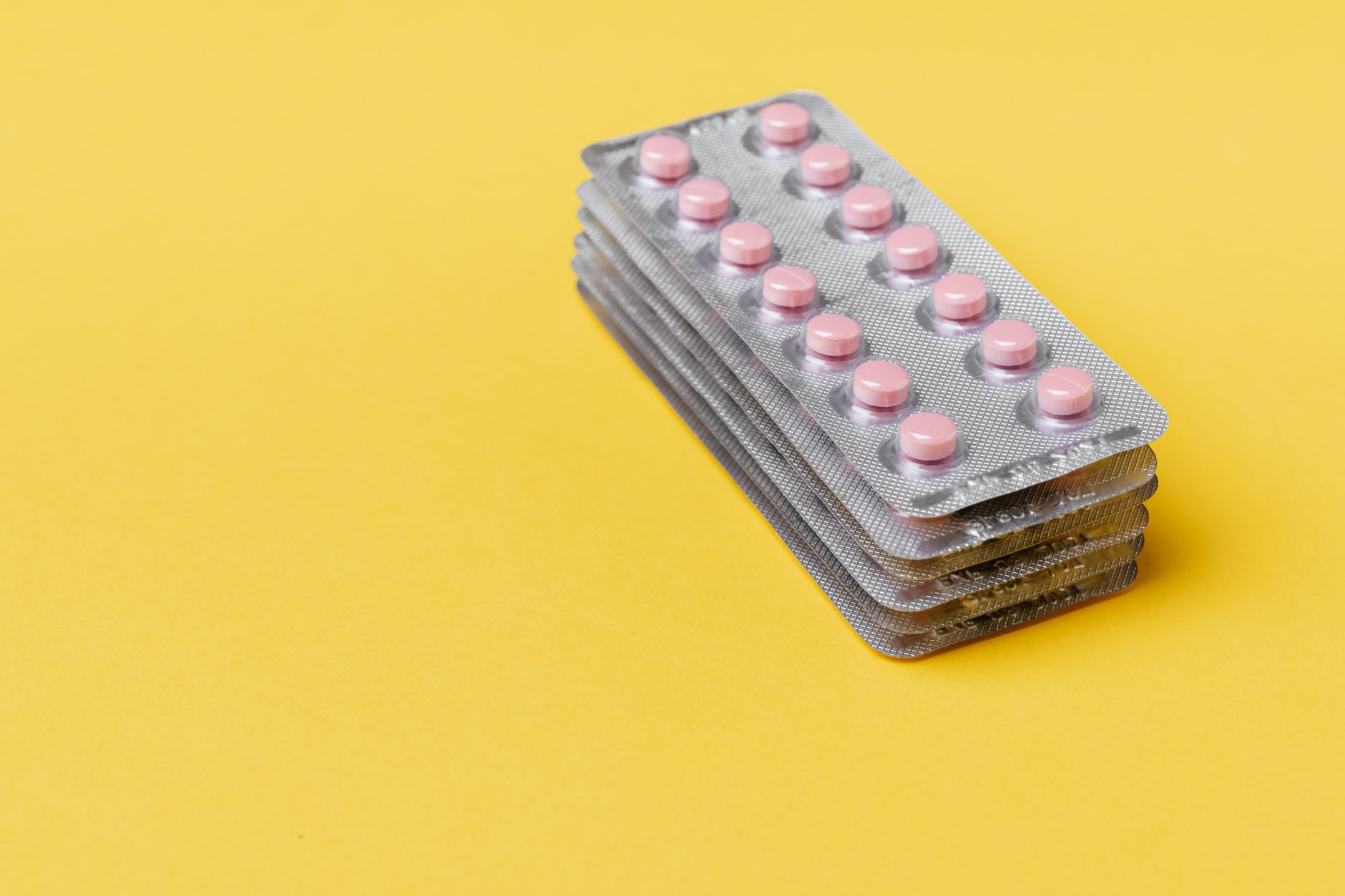
Birth control is any method used to prevent pregnancy. But the way each method works, what it does to your hormones, how long it lasts, and how reliably it performs — that's where the story gets layered.
Here's something most people don't fully grasp at first. Effectiveness is always quoted as two different numbers: "perfect use" (when followed exactly as directed) and "typical use" (real life, missed pills, forgotten steps). The gap between those two numbers is where most unintended pregnancies happen.
Knowing both numbers changes everything.
Hormonal Methods: The Pill, Patch, Shot, and Ring
Hormonal methods work by using synthetic versions of estrogen, progesterone, or both to stop ovulation, thicken cervical mucus, or thin the uterine lining. They come in several delivery formats, each with a slightly different rhythm that fits different lifestyles.
The combined oral contraceptive pill is the most widely used option globally. With perfect use, it reaches over 99% effectiveness. In typical use, that figure sits closer to 91% — meaning roughly 9 in 100 people using the pill will experience an unintended pregnancy each year. That gap is almost entirely explained by missed or late doses, so building a consistent daily habit genuinely matters.
The contraceptive patch works the same hormonal way but sticks to your skin and gets changed weekly for three weeks, followed by a patch-free week. The shot (like Depo-Provera) is administered every 12 weeks by a healthcare provider and reaches 94% effectiveness in typical use, rising to 99% with perfect scheduling. The vaginal ring sits inside the vagina for three weeks at a time and releases hormones locally. All of these carry similar side effect profiles: possible changes in mood, libido, breast tenderness, and in some cases, headaches, particularly in the first few months of adjustment.
None of these protect against STIs. That part is important and often glossed over.
The Mini-Pill: Progestogen-Only Contraception
For people who can't tolerate estrogen (due to migraines, blood clot history, or breastfeeding), the progestogen-only pill — sometimes called the mini-pill — is a solid alternative. It requires more precise timing than the combined pill, typically needing to be taken within the same 3-hour window each day, though some newer formulations offer a 12-hour window. Effectiveness in typical use is similar to the combined pill.
It's a small difference in pill type that makes a meaningful difference for certain bodies.
Long-Acting Reversible Contraception (LARCs): Set It and Actually Forget It
LARCs are the category that reproductive health advocates consistently point to as the most effective methods available outside of permanent sterilization. And it's not even close.
The hormonal IUD (brands like Mirena, Kyleena, and Liletta) releases low levels of progestogen locally. It can last between 3 and 8 years depending on the device, reduces or eliminates periods for many users, and sits at over 99% effectiveness. The copper IUD is hormone-free entirely. It works by making the uterine environment hostile to sperm through copper ions. A single device lasts up to 10 to 12 years, and it can also be used as emergency contraception if inserted within 5 days of unprotected sex.
Both types of IUD share one important caveat: insertion can be uncomfortable to genuinely painful for some people. This experience varies widely and is worth discussing honestly with a healthcare provider ahead of time. Once in place, though, both are essentially maintenance-free.
The implant (a small flexible rod inserted into the upper arm) is another top-tier LARC option. It lasts up to 3 years, releases progestogen, and is over 99% effective with essentially no user error involved since once it's in, it just works.
Barrier Methods: Physical First, Chemistry Second
Barrier methods physically block sperm from reaching the egg. They don't alter hormones at all, which makes them the go-to option for people who want to avoid systemic hormonal changes entirely.
External condoms (typically latex or polyurethane) are the only contraceptive method that also protects against STIs. With perfect use, they reach about 98% effectiveness. Typical use drops that closer to 87%. Internal condoms (often called female condoms, though they're used by people of all genders with a vagina) offer similar protection and come with the bonus of being controlled by the person wearing them.
Diaphragms and cervical caps are reusable silicone devices inserted into the vagina before sex to cover the cervix. They work best when used with spermicide and must stay in place for 6 hours after sex. Effectiveness varies more widely here, particularly with cervical caps for people who have given birth. They're an older technology but still valid for those seeking hormone-free, non-daily options.
Permanent Contraception and Emergency Options
For people who are certain they don't want future pregnancies, permanent methods are the most effective options available. Tubal ligation (fallopian tube closure) for those with a uterus, and vasectomy for those with testes, are both over 99.5% effective. Vasectomy in particular is a simpler, lower-risk outpatient procedure with faster recovery. Both should be considered permanent, though reversal is sometimes possible.
Emergency contraception is not a regular birth control method. It's a backup. The hormonal morning-after pill (like Plan B or its generics) can reduce pregnancy risk by up to 89% when taken within 72 hours of unprotected sex and is most effective the sooner it's taken. Ella (ulipristal acetate) works up to 5 days after and may be more effective for people above a certain weight threshold. The copper IUD inserted within 5 days is the most effective emergency option, reducing risk by over 99%.
Knowing these options exist isn't giving anyone permission to skip their regular contraception. It's just being prepared.
Fertility Awareness Methods: High Knowledge Required
Fertility awareness methods (FAMs) involve tracking your cycle, basal body temperature, and cervical mucus to identify fertile windows and avoid unprotected sex during those periods. With perfect, consistent, well-trained use, effectiveness can reach around 95% for some protocols. In typical use, effectiveness can fall to around 76% according to WebMD's contraception data, which makes it one of the more user-dependent methods on the list.
FAMs work well for highly motivated, consistent people with regular cycles who invest real time in learning the method properly. They require no hormones and no devices. But they demand genuine daily attention and are significantly less forgiving of inconsistency than most other methods.
How to Actually Choose the Right Method

There's no universally "best" method. That's not a cop-out answer; it's genuinely true. The right birth control depends on your health history, how you feel about hormones, how often you're having sex, whether you want to preserve fertility quickly after stopping, what side effects you can tolerate, and yes, your budget and access to healthcare.
A few practical considerations worth knowing: hormonal methods can interact with certain medications, including some anticonvulsants and rifampicin (an antibiotic). If you have a history of blood clots, migraines with aura, or certain cardiovascular conditions, estrogen-containing methods may not be appropriate for you. These are conversations worth having with a healthcare provider who actually listens to you.
Pairing methods also works. Many people combine a hormonal or LARC method with condoms for dual protection against both pregnancy and STIs. This is especially practical for people with new or multiple partners.
And while you're thinking about intimate care and pleasure, it's worth knowing that a lot of vibrators for women are made with body-safe materials fully compatible with condoms and lubricants, so protection and pleasure genuinely coexist.
A Note on Body Autonomy and Informed Consent
Choosing birth control shouldn't feel like a negotiation. Yet research consistently shows that people with uteruses are more frequently told to "just try" a method without being given full information about side effects, and are more often dismissed when they report issues.
You have the right to ask for alternatives. You have the right to say a method isn't working for your body. And you have the right to change your mind at any time.
For a deeper look at how sexuality, desire, and bodily autonomy are all connected, the Sexuality Guide: Understanding Human Nature and the Beautiful Complexity of Desire on Hello Nancy is genuinely worth reading.
If you're also thinking about intimacy beyond contraception, exploring clitoral vibrators designed with your comfort and pleasure in mind is a completely valid part of that same self-knowledge journey. Your pleasure and your health are not separate conversations.
Wrapping Up
Birth control is not one size fits all and it never was. The best method is the one that fits your actual life, not the one that's easiest for a doctor to prescribe or cheapest at the pharmacy. Take the time to learn your options, ask direct questions, and trust what your body tells you once you start a new method.
You deserve information that empowers you. And you deserve a method that genuinely works for you, not just in theory, but in real life.
If couples' dynamics play into your contraceptive decisions, there's solid advice worth reading at the Best Relationship Advice for Couples 2025 guide.
Want to make your journey even more exciting? I've handpicked some amazing toys and goodies at Hello Nancy that'll add extra sparkle to your intimate moments. (Here's a little secret — use 'dirtytalk' for 10% off!)
If you're curious about toys that pair beautifully with intimacy, the Namii 2 clitoral suction toy is one that genuinely earns its reputation.
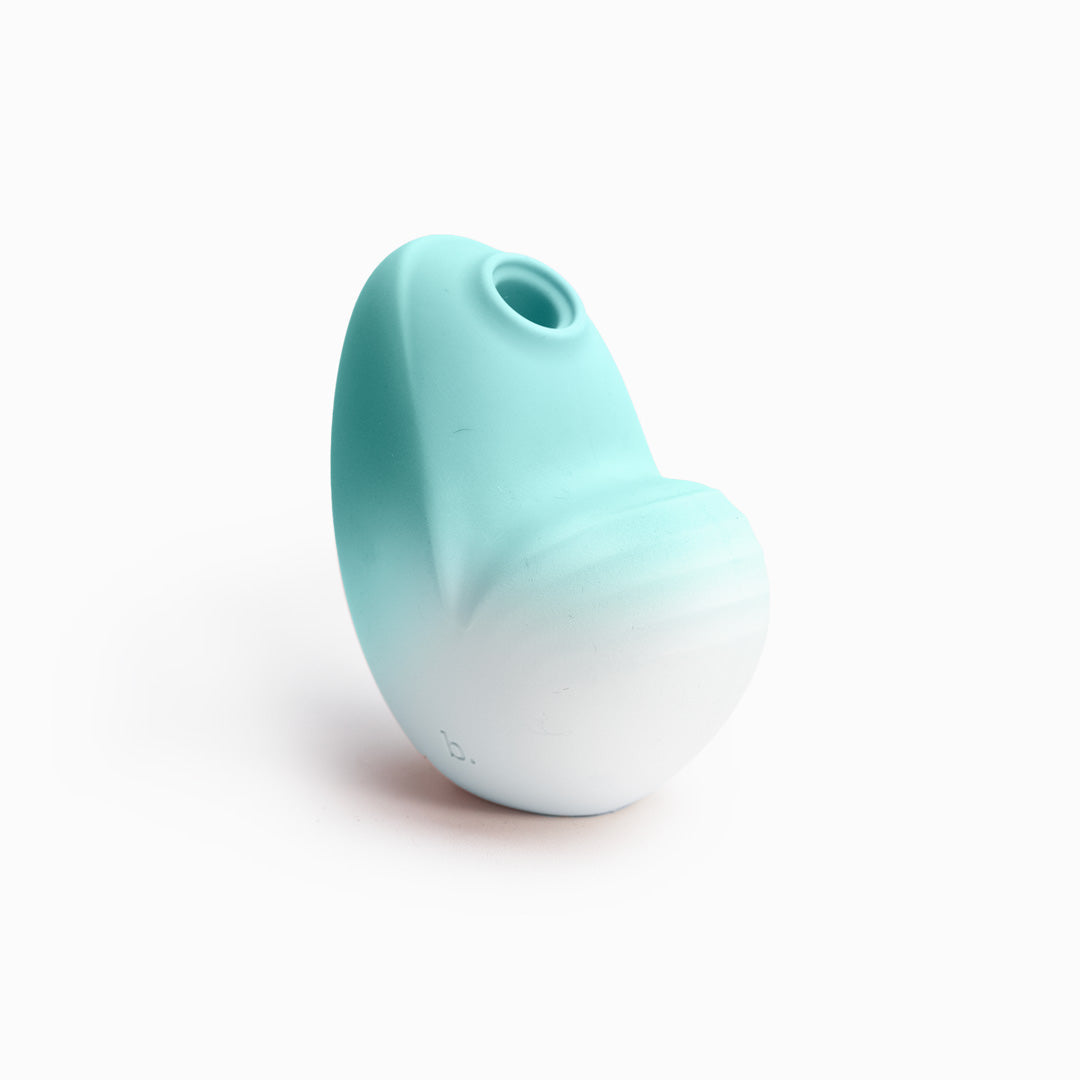
And for anyone curious about partnered play, the couples toys collection at Hello Nancy has options designed for connection, not just solo sessions.
Frequently Asked Questions
What is the most effective form of birth control available?
Hormonal implants, hormonal IUDs, and copper IUDs are all over 99% effective and are considered the most reliable reversible options. Permanent methods like vasectomy and tubal ligation are slightly more effective but not reversible in most cases.
What is the difference between perfect use and typical use effectiveness?
Perfect use measures effectiveness when a method is followed exactly as directed every single time. Typical use reflects real-world conditions, including missed doses, incorrect application, or inconsistent habits. For the pill, perfect use is over 99% but typical use sits around 91%, so the gap matters a lot in practice.
Which birth control method is best for people who want to avoid hormones?
The copper IUD is the most effective hormone-free option and lasts up to 10-12 years. Condoms and diaphragms are also hormone-free, though they require consistent correct use to maintain their effectiveness rates.
How soon can you get pregnant after stopping birth control?
For most hormonal methods including the pill, patch, and ring, fertility typically returns within one to three months of stopping. With the shot (Depo-Provera), it can take 6 to 12 months or longer for ovulation to return. IUD and implant removal generally restores fertility quickly, often within the next menstrual cycle.
Can you use two types of birth control at the same time?
Yes, and it's commonly recommended. Using a hormonal method or IUD alongside condoms provides dual protection against both pregnancy and sexually transmitted infections. This is especially useful when starting a new relationship or if one method is more prone to user error.
Does the birth control pill protect against STIs?
No. The pill and all hormonal methods only prevent pregnancy. The only contraceptive methods that also protect against sexually transmitted infections are external (male) and internal (female) condoms.
How effective is the morning-after pill?
The hormonal morning-after pill (like Plan B) can reduce the risk of pregnancy by up to 89% when taken within 72 hours of unprotected sex, and it's more effective the sooner it's taken. The copper IUD used as emergency contraception is the most effective option, reducing risk by over 99% if inserted within 5 days.
What birth control is safest for people who get migraines with aura?
People who experience migraines with aura are generally advised to avoid estrogen-containing methods due to an elevated stroke risk. Progestogen-only pills, hormonal IUDs, the implant, or non-hormonal methods like the copper IUD are typically recommended alternatives. Always discuss this with a healthcare provider.
Is fertility awareness method (FAM) a reliable form of birth control?
FAM can be effective when practiced with rigorous consistency and proper training, with some protocols reaching up to 95% effectiveness with perfect use. In typical use, effectiveness can fall to around 76%, making it one of the more user-dependent options. It works best for people with regular cycles who invest serious time in learning the method.
What should I do if my birth control method is causing side effects?
Talk to your healthcare provider. You are not obligated to push through side effects that are affecting your quality of life. There are enough different methods and formulations available that finding a better fit is almost always possible. Advocate for yourself and ask specifically about alternatives.