Add $12.00 to get Free Gift



Some days your body just isn't sending the memo. You want to want it, but desire feels like a signal from a radio station you can't quite tune into.
That's more common than you think. Research from Baystate Health found that between 40 and 70% of women experience low sexual desire at any given time. So if you've been quietly wondering what's wrong with you, let me say it plainly: nothing is wrong with you.
Desire isn't a switch. It's a slow simmer. And sometimes it needs a little help getting started.
Why Getting In The Mood Is Harder Than It Used To Be

Here's the thing nobody talks about enough. Desire doesn't just "happen" for most people, especially after a certain amount of life accumulates. Work stress, body image noise, relationship friction, phone addiction, disrupted sleep — all of it stacks up. And your nervous system, which is basically the bouncer of your libido, shuts the whole party down when it senses too much cortisol in the room.
Sexual desire exists on a spectrum. Spontaneous desire (where arousal seems to appear out of nowhere) is actually less common than responsive desire, where you get turned on once something pleasurable is already happening. Understanding that distinction changes everything. It means getting in the mood is less about waiting and more about creating the right conditions.
Let's build those conditions together.
The Body-First Approaches

Move your body. Not to earn something, not to punish yourself. Just move. Research consistently shows that regular physical activity boosts blood flow, raises testosterone levels in all bodies, and increases dopamine. Even a brisk 20-minute walk can shift your baseline arousal level in ways that compound over days. You don't need a gym membership. You need momentum.
Sleep is wildly underrated as a libido booster. One night of poor sleep tanks testosterone. Chronic sleep deprivation essentially tells your body that survival mode is on, and when you're in survival mode, sex is the last thing that gets prioritized. Protect your sleep like it's an intimate act in itself.
Touch your own body without any agenda.
Not as foreplay. Not as a performance. Just as curiosity. Run your hands along your arms, your neck, your stomach. Self-touch activates the same soothing nervous system responses as being touched by a partner. It reconnects you to your body as a place of pleasure rather than a vehicle for productivity. This is the kind of low-pressure practice that quietly rebuilds desire over time.
Hot showers or baths work better than most people give them credit for. Warm water relaxes muscles, lowers cortisol, and increases sensitivity. Some people find that a bath before sex functions as the ultimate mental transition. It's like pressing a soft reset button between the world outside and the one you want to enter.
The Mind Reset Methods

Your brain is your biggest erogenous zone. That phrase gets thrown around a lot, but it holds up. Sexual desire is fundamentally a cognitive and emotional state before it becomes a physical one. So anything that helps your mind feel safer, calmer, and more present is working directly on your libido.
Try mindfulness. Seriously. Mayo Clinic research notes that practicing sexual mindfulness, which means being fully present rather than performing or evaluating yourself, is directly linked to higher satisfaction and more frequent arousal. Even five minutes of focused breathing before intimacy can create a noticeable difference. Your mind stops narrating and starts experiencing.
Read or watch something erotic.
This is the most underused tool in the get-in-the-mood toolkit. Erotic fiction, audio erotica, ethical porn — all of these can prime your brain for arousal before your body has even caught up. For people with responsive desire especially, this is less "cheating" and more just understanding how your arousal architecture actually works. There's no shame in giving your imagination something to work with.
Reduce the pressure entirely. Sometimes the biggest blocker to desire is the internal pressure to feel desire. If sex feels like another task on a to-do list, your nervous system will resist it. Giving yourself full permission to have a session that goes nowhere — no climax required, no performance expected — removes the anxiety loop that kills arousal before it starts.
Journaling about your fantasies is a practice that sounds strange until you try it. Writing down what you find compelling, even privately and just for yourself, activates parts of your brain associated with desire and narrative. It's also a brilliant way to discover what you actually want, separate from what you think you should want.
The Sensory Shift Strategies

Change your environment. The bedroom you also use for doom-scrolling and stressing about work is fighting your body's attempt to associate that space with pleasure. Light a candle. Change the lighting. Put on music that doesn't remind you of a gym playlist or a grocery store. Environment is a cue. Make it cue the right things.
Scent is a direct line to your limbic system, the part of your brain that handles emotion and memory. Certain scents like ylang-ylang, jasmine, and sandalwood have well-documented associations with relaxation and arousal. A perfume you associate with intimacy, or your partner's specific scent, can trigger desire faster than almost anything else. This is why smelling a partner's shirt genuinely works.
Music does something to us that we underestimate. Slow, intentional playlists physically alter your heart rate and breathing. There's a reason couples have "their song." Build a playlist specifically for intimacy and let your body learn to associate it with shifting gears.
Skin-to-skin contact without expectation is one of the most effective ways to coax desire back into the room. Prolonged, unhurried touch with a partner — taking your time with foreplay rather than treating it as an obligation — activates oxytocin and dopamine. Desire often follows the touch, rather than the other way around.
The Communication and Connection Layer

Talk about it. Not in the moment when the pressure is already there, but earlier, casually. Tell your partner what sounds appealing. Ask what they're curious about. This kind of low-stakes conversation builds anticipatory desire. Thinking about what might happen later is one of the most reliable ways to generate want before you've even started.
Sexual communication matters more than most people realize. If you're in a relationship and struggling with desire, unspoken resentment or disconnection is often the quiet culprit. Getting real about what's working and what isn't. doesn't kill the mood long-term. It actually builds the emotional safety that desire needs to thrive.
Flirting works.
Not just at the beginning of a relationship — always. A text mid-afternoon. A look across the room. A specific compliment that shows you've been paying attention. Flirting builds erotic tension over hours rather than minutes, and it keeps desire alive between encounters rather than only during them.
If you're solo, connection still matters. Connecting with your own wants through clitoral vibrators or other intimate tools designed for solo pleasure can reintroduce you to your own body in a way that rebuilds desire rather than chasing it. Self-pleasure is legitimate, valid, and often the fastest route back to feeling like a person who enjoys sex.
The Lifestyle Levers That Actually Move Desire
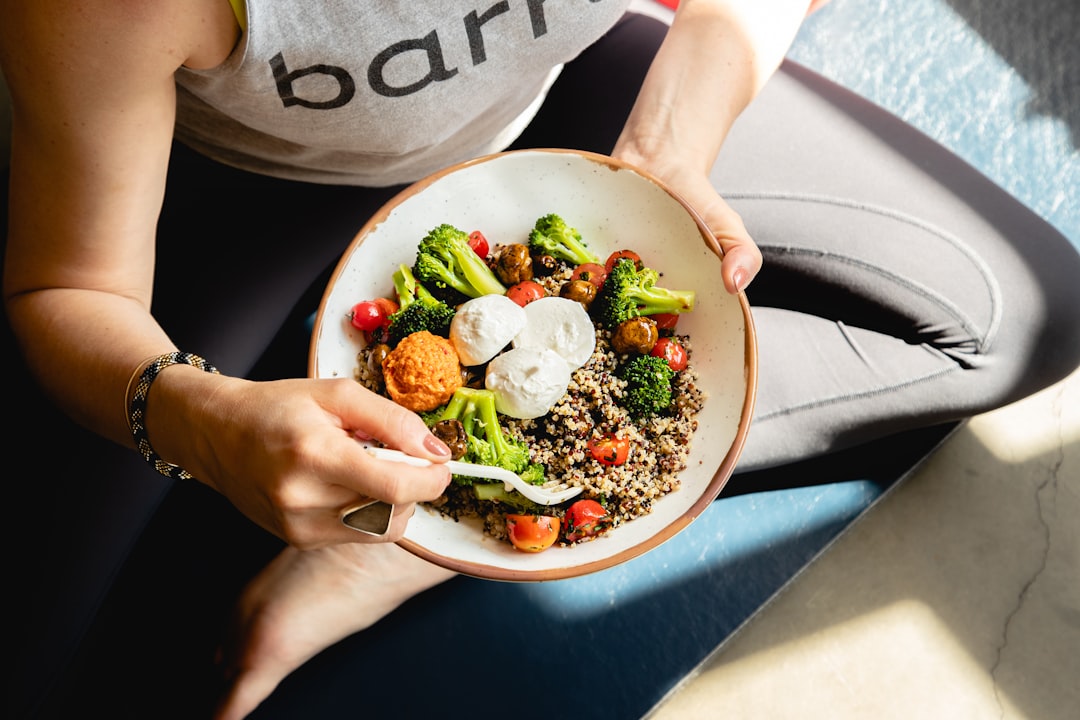
Food genuinely plays a role. Zinc, magnesium, and healthy fats are all linked to hormonal health and libido. Oysters got their reputation for a reason. Dark chocolate contains phenylethylamine, a compound linked to mood elevation. Staying well-hydrated also affects energy levels and physical sensitivity more than most people account for.
Limit alcohol as a go-to mood-setter. A glass of wine can lower inhibitions in the short term, but alcohol is a depressant that reduces sensitivity, interferes with orgasm, and tanks testosterone over time. If you've been relying on it to get in the mood, that's worth noticing. Sober intimacy is often far more connected and satisfying than it sounds.
Address the stress directly, not just around sex. Cortisol is the arch-nemesis of desire. If stress is chronic and unaddressed, no amount of candles will fix it. Therapy, journaling, boundaries at work, delegation — all of these are libido strategies, even if they don't look like it. Reducing your background stress level is one of the highest-leverage moves you can make for your sex life.
Hormonal changes at different life stages affect desire profoundly. Perimenopause, postpartum recovery, thyroid fluctuations, changes in birth control — all of these shift the landscape of your desire in ways that aren't personal failures. They're physiological realities. If your libido dropped suddenly or significantly, talking to a healthcare provider is a practical, empowering step rather than a dramatic last resort.
The Toy-Forward Approach

Sometimes the most direct path back to desire is simply giving your body pleasure it doesn't have to work hard for. Vibrators for women designed specifically for external stimulation can break the cycle of feeling disconnected from your own pleasure by delivering sensation that bypasses the need for arousal to already exist. You don't need to be in the mood first. The toy helps create the mood.
The Berri edging clitoral massager from Hello Nancy is worth knowing about here. It uses a gentle tapping motion that feels different from traditional vibration, making it ideal for those moments when everything feels overstimulated or numb. It works with your body's rhythm rather than demanding a response from it.

For partners exploring together, couples toys introduce a shared sensory experience that takes the pressure off either person to "perform" desire. They reframe the whole encounter around curiosity and play, which is one of the most effective antidotes to low libido in a relationship.
Bringing It All Together
Getting in the mood isn't about forcing something that isn't there. It's about clearing the obstacles and building the conditions. Your desire isn't broken. It's waiting for an invitation.
Start small. Pick one thing from this list and try it this week. Not all nineteen, not as a project, just one small deliberate act of turning toward your own pleasure. That's where it starts. Small, consistent signals to your body and brain that this matters and that you matter.
You deserve a sex life that feels good to you. On your own terms, in your own time, in whatever form that takes.
Want to make your journey even more exciting? I've handpicked some amazing toys and goodies at Hello Nancy that'll add extra sparkle to your intimate moments. (Here's a little secret — use 'dirtytalk' for 10% off!)
Frequently Asked Questions
Why do I struggle to get in the mood for sex even when I want to want it?
This often comes down to responsive desire rather than spontaneous desire. Most people, especially women, need pleasurable stimulation to already be happening before arousal shows up. Add in stress, fatigue, or body disconnection, and your nervous system simply deprioritizes sex. It's physiological, not a personal flaw.
How long does it take to get in the mood when your libido is low?
It varies. Some people shift into desire within minutes using the right sensory triggers. Others need sustained lifestyle changes over weeks to see a meaningful difference. Consistent sleep, movement, and reducing stress tend to show results within two to four weeks when applied regularly.
Can exercise really help with low libido and getting in the mood?
Yes, and the evidence is solid. Regular physical activity increases blood flow to the genitals, raises testosterone in all bodies, and boosts dopamine. You don't need intense workouts. Even daily walks of 20 minutes produce measurable changes in sexual desire over time.
What is the difference between spontaneous desire and responsive desire?
Spontaneous desire appears seemingly without cause. Responsive desire emerges in response to a pleasurable stimulus — a touch, a scent, a piece of erotic content. Neither is better or more valid. Understanding which type you tend toward helps you approach getting in the mood more effectively rather than waiting for arousal that may not arrive on its own.
Does stress actually reduce sexual desire, and how do I fix it?
Absolutely. Cortisol, the primary stress hormone, directly suppresses testosterone and signals the body that survival is more urgent than reproduction. Addressing stress through therapy, boundaries, sleep hygiene, and mindfulness aren't just wellness habits. They are direct investments in your libido.
Can using sex toys help me get in the mood when I'm not feeling it?
Yes, especially for people with responsive desire. Introducing pleasurable sensation through a toy can spark arousal before desire is consciously present. It removes the pressure to "arrive" aroused and instead lets the body lead the way. Tools like tapping or suction clitoral massagers are particularly effective for this.
How does mindfulness help with getting in the mood for sex?
Mindfulness quiets the self-monitoring part of your brain that evaluates and critiques during sex. Research from Mayo Clinic links sexual mindfulness to higher satisfaction and more frequent arousal. Even five minutes of focused breathing before intimacy can shift your body from performance mode into presence mode.
What foods help increase libido and sexual desire naturally?
Foods high in zinc like oysters and pumpkin seeds support testosterone production. Magnesium-rich foods like dark leafy greens help regulate stress hormones. Dark chocolate contains phenylethylamine, which elevates mood. Healthy fats from avocado and nuts support overall hormonal balance. None of these are magic, but they compound meaningfully over time.
When should I see a doctor about low libido or difficulty getting in the mood?
If your desire dropped suddenly, has been consistently low for more than a few months, or is causing you significant distress, it's worth speaking with a healthcare provider. Hormonal changes, thyroid issues, medication side effects, and postpartum shifts are all medically addressable causes. You don't have to troubleshoot this alone.