


 $12.00 追加で 無料プレゼント をゲット


Some thoughts hit you mid-kiss and refuse to leave. You're here, you're present, and then out of nowhere your brain starts running commentary like it owns the place.
If you've ever been in the middle of something genuinely good and suddenly started mentally narrating your own body, you are not alone. Not even a little bit.
The Running Commentary Nobody Talks About
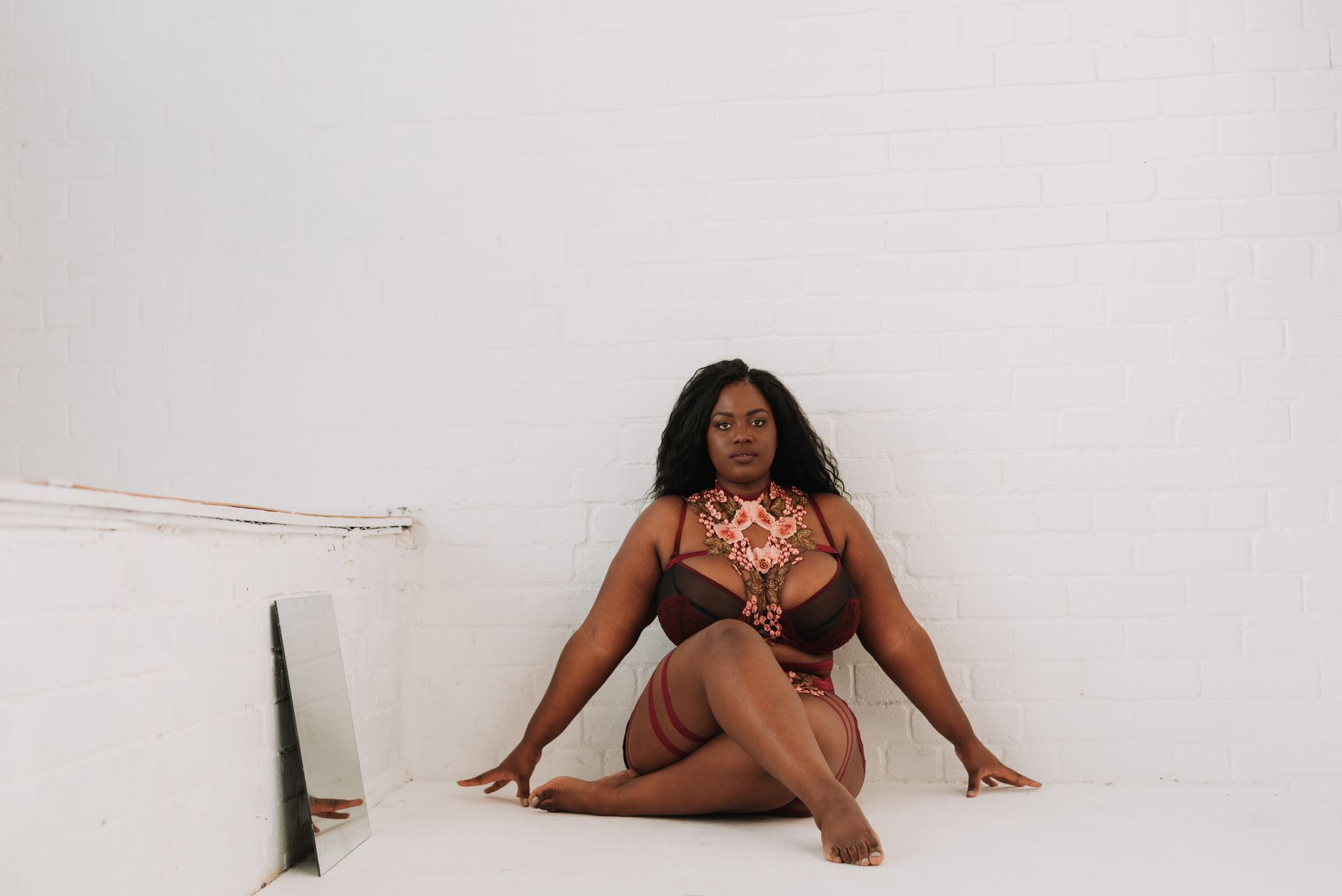
Here's the thing about being plus-size in a world obsessed with a very specific body type: you don't just absorb that messaging at the gym or in the fitting room. It follows you into the bedroom too. And because nobody really talks about the mental load of sex when you're in a bigger body, most of us quietly assume we're the only ones whose thoughts go sideways at the worst possible moment.
We are not.
Research on body image self-consciousness during physical intimacy consistently shows that people with higher body-related anxiety experience reduced sexual satisfaction, not because of their bodies, but because their minds are elsewhere. The distraction itself is the problem. So let's name the actual thoughts, because naming them is the first step to quieting them.
"Does My Stomach Look Weird From This Angle?"
This one arrives uninvited, usually at the exact moment when things are getting good. You shift positions and suddenly you're a film director reviewing footage instead of a person experiencing pleasure.
It's genuinely maddening.
The angle obsession is real and it's deeply connected to years of absorbing images of one kind of body being labeled "sexy." But here's what I've had to remind myself over and over: your partner is not analyzing your stomach. They are having an experience. They showed up for you. The only person running the angle audit is you, and the audit is optional.
"Should I Keep the Lights Off?"
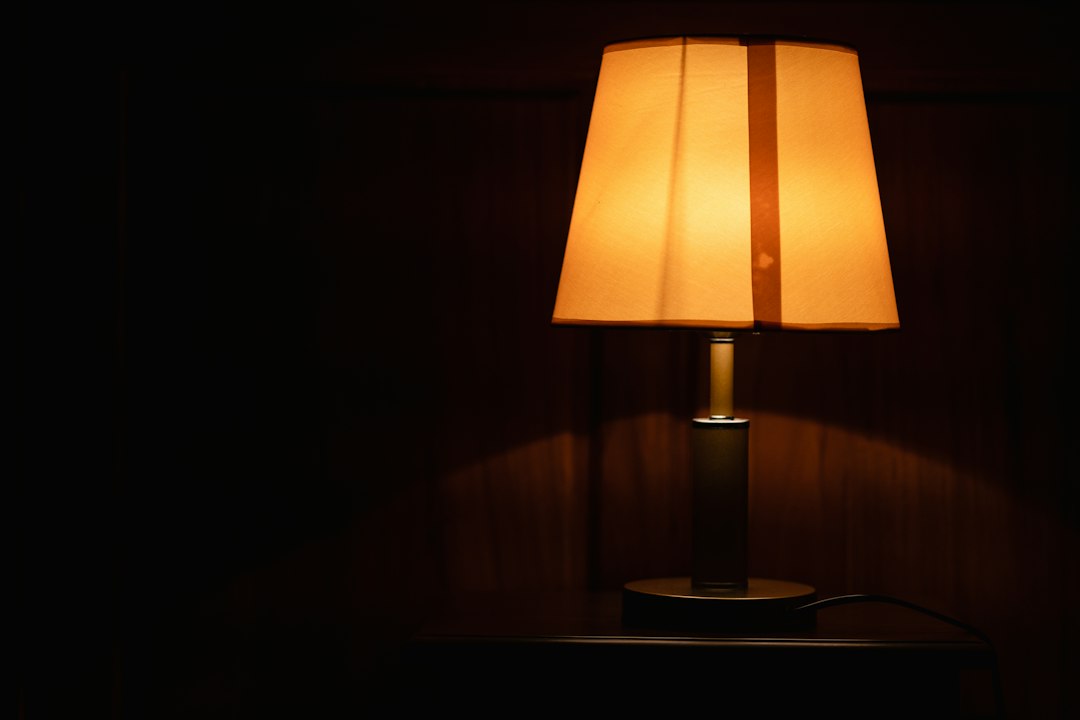
I used to default to darkness like it was a legal requirement. Lights off, curtains closed, almost apologetically hidden even from someone who literally chose to be there.
The light negotiation is exhausting.
Turning the lights down or off isn't inherently a problem. Sometimes low lighting is genuinely sensual and everyone loves it. But when you're doing it purely out of shame rather than atmosphere, it steals something. It tells your nervous system that your body is something to manage rather than enjoy. Trying a soft lamp instead of full darkness was, honestly, one of the most quietly radical things I ever did for my sex life. It sounds small. It wasn't.
"Am I Too Heavy for This Position?"

Position anxiety is a whole category. There's the worry about weight distribution, about whether you'll be comfortable, about what your partner is feeling physically. Some of this is practical and that's fine. Bodies do have different needs and there's nothing wrong with figuring out what actually works.
But there's a difference between practical logistics and shame-spiraling.
Finding positions that feel genuinely good in your body, rather than ones you're performing for an imaginary audience, changes everything. Pillows are your best friend. So is communicating with your partner. So is letting go of the idea that there's a "correct" way to do this that you're somehow failing at. Some couples toys can also open up entirely new dynamics that take the pressure off any specific position, letting both partners focus on sensation rather than logistics.
"They Can't Actually Find Me Attractive, Right?"
This one is the cruellest thought in the rotation. You're with someone who is actively, demonstrably attracted to you. And your brain quietly suggests it must be a mistake.
Body image self-consciousness during sex creates what researchers call "spectatoring." You mentally step outside your own experience to observe and judge yourself, as if you're watching from the corner of the room. It's the opposite of presence. And presence, it turns out, is literally the main ingredient in a good sexual experience (Woertman & van den Brink, 2012).
The antidote isn't just "believe you're attractive." That's too simple and frankly a bit annoying as advice. The antidote is practice. Practice staying in your body. Focus on what you're feeling rather than what you look like feeling it. It takes repetition. It's worth it.
"What If I Want to Be Louder, More Expressive, More... Me?"
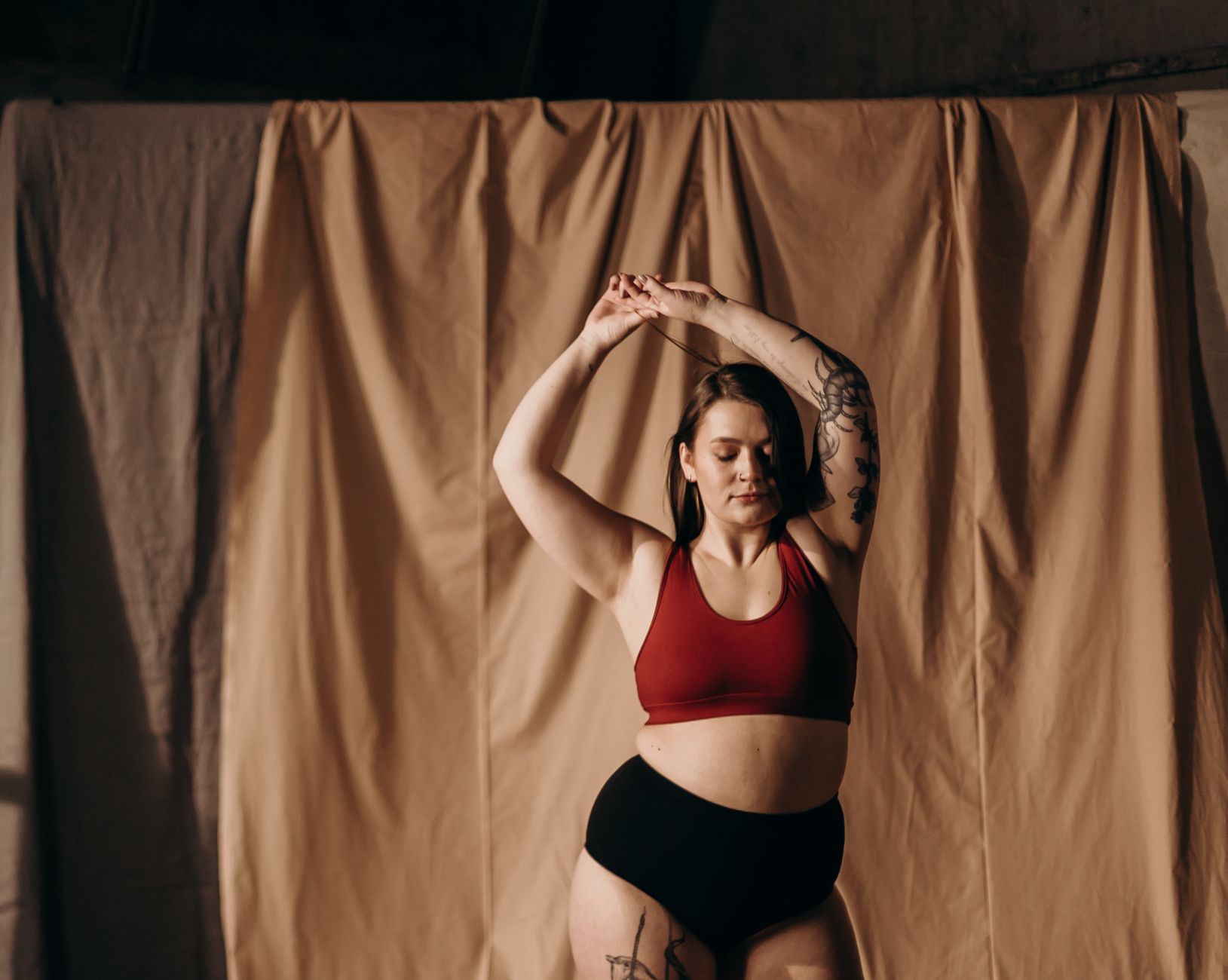
Here's one that doesn't get discussed enough. It's not just self-consciousness about appearance. Sometimes it's self-consciousness about taking up space in every sense. Being loud, being enthusiastic, asking for what you want, expressing pleasure openly.
Some of us learned early that our presence already feels "too much" to the world. That message doesn't stay neatly outside the bedroom door.
But your pleasure is not too much. Your sounds are not too much. What you want is not too much. Claiming your experience fully, including the noisy, unpolished, deeply human parts of it, is not something you need to earn by fitting a certain size. The vibrators for women at Hello Nancy exist precisely for people who are done apologizing for wanting more from their intimate lives.
How to Actually Quiet the Noise
Therapists call it "erotic focus" and it's exactly what it sounds like. Deliberately redirecting attention back to sensation when your mind wanders into the critique zone. It's a skill, not a personality trait, which means anyone can build it.
Sensory anchoring helps. Notice the temperature of the room, the texture you're feeling, the sound of your own breathing. These aren't meditation tricks for avoiding sex. They're ways of actually being in sex, which is where all the good stuff lives.
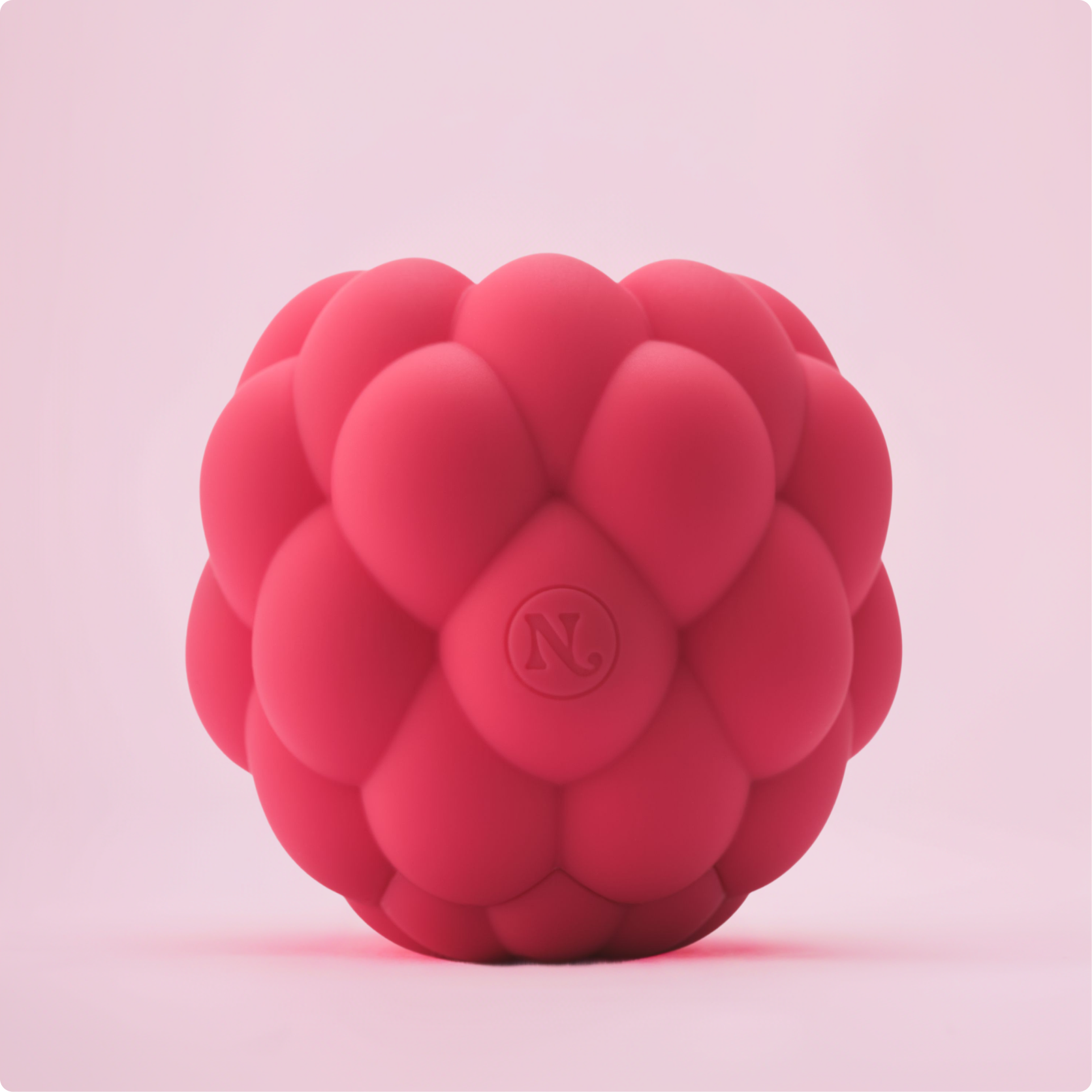
Toys can genuinely help here too. Something like the Berri edging clitoral massager gives your body such a specific, insistent sensation that it becomes very difficult for your brain to wander off and critique your thigh situation. Focused stimulation is, in a very literal way, a tool for presence.
Talking to your partner also works. Not a big dramatic conversation, just small real-time communication. "I love when you do that." "Can we try this?" Vocal engagement pulls you into the moment and signals to your nervous system that you're a participant, not a spectator.
The Body You Have Is the Body You Deserve Pleasure In

There's no future version of your body that unlocks permission to enjoy sex. There's no weight, no size, no measurement that grants you access to pleasure. You have it already.
The work isn't shrinking. The work is unlearning the idea that you ever needed to.
Plus-size sex is just sex. Good sex, awkward sex, laugh-until-you-cry sex, deeply connected sex. All of it available to you now, exactly as you are, with the brain chatter and the angle worries and the lamp negotiations and all. The chatter gets quieter with practice. The good stuff gets louder. And if you need a little clitoral stimulation to help you stay grounded in your body, honestly, same.
If you want to explore more about navigating intimacy with confidence, the article on common sexual relationship challenges and real solutions over on the Hello Nancy blog is a genuinely good read.
Bottom Line
Your thoughts during sex are not a verdict on your desirability. They're just thoughts. They have no more authority than you give them. And the more you practice showing up for your own pleasure, the less airtime those thoughts demand.
You deserve a sex life that feels like yours. Fully, loudly, unapologetically yours.
Want to make your journey even more exciting? I've handpicked some amazing toys and goodies at Hello Nancy that'll add extra sparkle to your intimate moments. (Here's a little secret — use 'dirtytalk' for 10% off!)
Frequently Asked Questions
Is it normal to feel self-conscious about my body during sex when I'm plus-size?
Completely normal, and incredibly common. Research consistently shows that body image self-consciousness during physical intimacy affects sexual satisfaction across all body types, but people in larger bodies often experience it more intensely due to years of societal messaging. Naming the experience is genuinely the first step to shifting it.
What is "spectatoring" during sex and how do I stop doing it?
Spectatoring is when you mentally step outside your own body during sex to observe and critique yourself, almost like watching from the corner of the room. You stop it through erotic focus: deliberately redirecting your attention to physical sensation whenever your mind starts to wander into critique mode. It's a learnable skill, not a fixed personality trait.
What are the best sex positions for plus-size people?
There's no universal "best" position, but many plus-size people find that positions with more body support, like using pillows under hips or trying side-lying variations, feel more comfortable and less performance-focused. The goal is finding what actually feels good in your specific body, not replicating what looks a certain way.
How can I feel more confident and present during sex in a bigger body?
Sensory anchoring works really well: focus on physical sensations like temperature, texture, and touch rather than how you look. Real-time communication with your partner also pulls you back into presence. Using a toy with strong, specific stimulation can make it much harder for your mind to drift into self-criticism mode.
Should I keep the lights off during sex if I'm insecure about my body?
Only if you genuinely prefer the atmosphere, not because you feel you have to hide. Choosing darkness out of shame reinforces the idea that your body needs to be managed rather than enjoyed. Try a soft, warm lamp instead. The shift is surprisingly powerful.
Can sex toys help with body confidence during intimacy?
Yes, in a very practical way. Toys that deliver focused, intense stimulation help anchor your attention in physical sensation, which directly competes with the mental chatter of self-consciousness. They also open up dynamics that reduce pressure on specific positions, making the whole experience feel more flexible and exploratory.
How do I talk to my partner about body insecurity without killing the mood?
You don't need a big formal conversation. Small, real-time statements work better: "I love this," "can we adjust," or "I feel most comfortable like this." Keeping communication light and present-tense keeps it connected to the experience rather than turning into a therapy session mid-intimacy.
Does body image actually affect sexual satisfaction scientifically?
Yes. Research published in the Journal of Sex Research (Woertman & van den Brink, 2012) confirms that negative body image is significantly associated with lower sexual satisfaction and reduced sexual functioning in women. The connection runs through self-consciousness and distraction, not through body size or appearance itself.

