Add $12.00 to get Free Gift


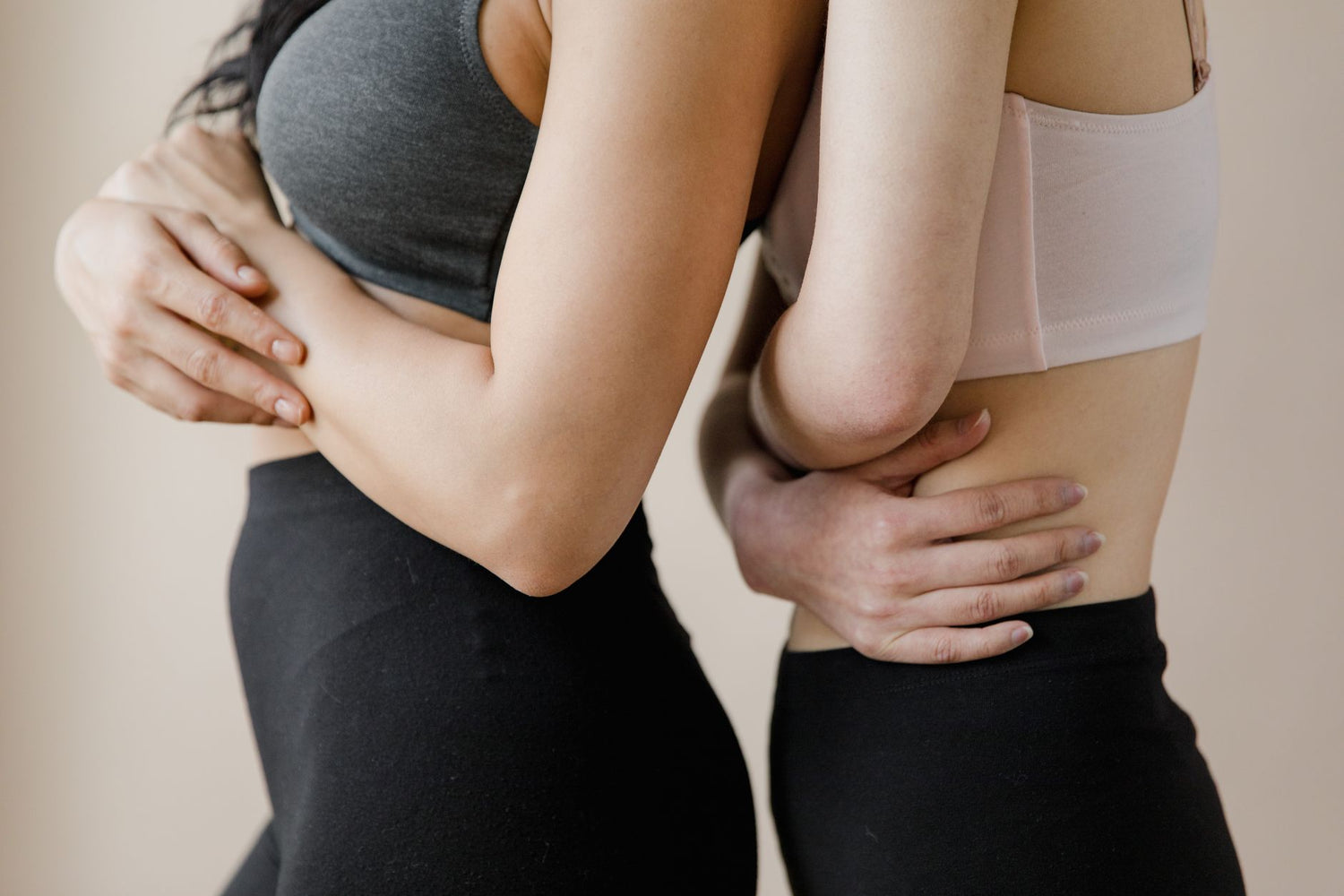
Your body has been sending you signals your entire life. You just never got the decoder ring.
Most of us grew up with a single awkward health class, a pamphlet about puberty, and a whole lot of silence around the rest. That's the gap this guide fills. From hormones and sleep to sexual health and emotional wellbeing, this is the women's health information you actually deserve.
Understanding Your Hormones: The Invisible Orchestra

Hormones run the show. Estrogen, progesterone, testosterone, cortisol. They shift daily, weekly, and across your entire lifespan, quietly reshaping your mood, metabolism, libido, and energy.
Here's what surprises most people: testosterone matters for women too. It's not a "male hormone." It influences your sex drive, your muscle tone, and your focus. When it drops, you feel it. Most women just blame themselves instead of their biology.
The menstrual cycle itself is a four-phase hormonal journey. The follicular phase brings rising estrogen and a boost in confidence and energy. Ovulation peaks that energy further. Then the luteal phase arrives with progesterone, sometimes bringing bloating, tenderness, and the emotional sensitivity that gets unfairly labeled "PMS." Understanding these phases means you can plan your workload, your workouts, and your rest around how your body actually functions. That's not being precious. That's being smart.
Tracking your cycle for even two or three months can reveal patterns you'd never notice otherwise.
What Happens When Hormones Shift
Perimenopause can begin as early as the mid-thirties. Most women don't expect it that soon, so when the sleep disruptions, irregular cycles, and mood shifts arrive, they assume something else is wrong. According to research published via Statista's women's reproductive health data, about one in five women experiencing menopause symptoms wait up to a year before receiving a formal diagnosis from a healthcare provider. That's a long time to be confused about your own body.
Knowing your hormonal baseline, ideally through a blood panel ordered by your doctor, gives you real information to act on rather than guessing games.
Sleep, Stress, and the Nervous System Nobody Talks About

Sleep deprivation is one of the most underrated threats to women's health. It wrecks your hormones, your immunity, your emotional regulation, and yes, your libido.
Cortisol. that's the stress hormone. It's supposed to spike in the morning and drop at night. But chronic stress keeps it elevated around the clock, which suppresses estrogen and progesterone, disrupts thyroid function, and essentially tells your body it's in survival mode. Pleasure, rest, and reproduction are the first things to get cut when cortisol is running the show.
Seven to nine hours of quality sleep per night isn't a luxury. It's a biological requirement. Creating a consistent wind-down routine, reducing screen exposure an hour before bed, and managing caffeine after 2pm are unglamorous but genuinely effective strategies. Your nervous system needs predictability to feel safe enough to rest.
Stress management isn't spa days (though those are lovely). It's learning to recognize when your sympathetic nervous system is stuck in overdrive, and giving it pathways out. Breathwork, movement, time in nature, therapy, and yes, orgasms. All legitimate nervous system regulators.
Nutrition and Movement: Less About Weight, More About Function

The wellness industry has sold women an exhausting story. The story goes: eat less, weigh less, look better, feel better. It's a lie that ignores biology entirely.
Women's nutritional needs shift across the menstrual cycle, through pregnancy, during postpartum recovery, and across the hormonal changes of perimenopause and menopause. Iron needs are higher during menstruating years. Calcium and vitamin D become critical as estrogen drops. Protein intake matters more for muscle maintenance after 35 than most guidelines suggest.
Movement is medicine, but the type matters. High-intensity training every day when you're chronically stressed can increase cortisol further, making everything worse. Strength training two to four times per week builds bone density, supports metabolic health, and improves insulin sensitivity. Walking is genuinely powerful and deeply underrated. Yoga and mobility work protect joint health, which women become more vulnerable to post-menopause.
Your body isn't a problem to be solved. It's a system to be supported.
Sexual Health: The Chapter Most Guides Skip Entirely

Women's sexual health is one of the most under-researched, under-discussed, and under-served areas in medicine. And yet it's central to overall wellbeing, not separate from it.
Let's start with anatomy. The clitoris is not a small button. It's an internal structure roughly 10 centimeters long with two legs, two vestibular bulbs, and thousands of nerve endings. Most of its anatomy is internal, which is why so much about female pleasure has been misunderstood for so long. A 2024 scoping review published in the Journal of Sex Research found that women's orgasm rates increase dramatically when behaviors that provide specific clitoral stimulation are included, revealing that the so-called "orgasm gap" is largely social, not biological.
Desire can be responsive rather than spontaneous. Many women don't experience spontaneous arousal. They need context, safety, emotional connection, or the right kind of touch before desire shows up. That's not "low libido." That's a different but completely normal desire style, first articulated by sex researcher Emily Nagoski.
Self-pleasure is health care. Orgasms reduce cortisol, improve sleep, release oxytocin, and increase pelvic floor circulation. Using clitoral vibrators or other vibrators for women isn't just recreation. It's a way of learning your own body, which directly improves partnered sex and helps you communicate what actually works.

The Berri Edging Clitoral Massager is one I genuinely love for this kind of exploration. Its tapping and pulsing modes mimic external stimulation in a way that feels intuitive, and it's designed specifically for clitoral anatomy. Edging, as a practice, also teaches you incredible body awareness.
Vaginal dryness, painful sex, and reduced sensation are not inevitable parts of aging. They're symptoms, often related to hormonal shifts, that have real solutions. Speak to a gynecologist who takes these concerns seriously. You deserve one who does.
Pelvic Floor Health: The Foundation You Don't Think About Until You Should
The pelvic floor is a hammock of muscles supporting the bladder, uterus, and bowel. Pregnancy, childbirth, high-impact exercise, and hormonal changes can all affect its function. Weakness shows up as leaking when you sneeze. Tightness shows up as pain during sex or difficulty with penetration. Both are treatable with pelvic floor physical therapy, and both are far more common than anyone admits.
Mental Health and the Female Brain
Women are diagnosed with anxiety and depression at roughly twice the rate of men. That's not because women are fragile. It's because hormonal fluctuations directly affect serotonin, dopamine, and GABA levels in the brain.
Premenstrual dysphoric disorder (PMDD) is real, distinct from PMS, and profoundly disruptive to daily life. Perinatal mood disorders affect up to one in five new mothers. Perimenopause can trigger anxiety and depression in women who've never experienced either before. These are biological events, not character flaws.
Therapy, medication when appropriate, community, and reducing the invisible load women disproportionately carry at home and at work. these all matter. Permission to ask for help is the most powerful thing in this entire guide.
Preventive Care: The Appointments That Actually Matter
Regular gynecological check-ups are non-negotiable. Cervical screenings (Pap smears) can catch abnormalities before they become serious. STI testing is part of responsible sexual health, not something to feel awkward about. Breast self-exams and annual mammograms from 40 onward (or earlier with family history) are genuinely life-saving.
Blood work is information. A comprehensive panel including thyroid function, iron levels, vitamin D, blood glucose, and lipids gives you and your doctor a real picture of what's happening inside. Don't wait until something feels wrong. Preventive care is care too.
Relationships, Intimacy, and Asking for What You Need
Intimacy within relationships changes over time and that's entirely normal. Life stress, parenthood, shifting hormones, and simple familiarity all affect desire and connection. The couples who navigate this best are the ones who talk about it, awkwardly or not. Couples toys can be a genuinely useful bridge here, not because they "fix" anything, but because they invite curiosity and shared exploration back into the dynamic.
Your pleasure matters in every relationship you have, including the one with yourself. Communicating your needs isn't selfish. It's the only way anything actually improves. If you want to explore how to rebuild intimacy after a dry spell, the guide on rebuilding intimacy in a relationship before the distance becomes permanent is worth a read.
Wrapping Up
Here's the thing nobody tells you about women's health: most of the suffering is optional. Not in a toxic positivity way. In the very literal sense that information, access, and permission to take your own health seriously change outcomes. The hormonal confusion, the ignored symptoms, the pleasure gap, the unspoken stress. these aren't your fate. They're gaps in a system that chronically underfunds and undersupports women's bodies.
You deserve better care than that. Start by knowing your own body better than any pamphlet ever taught you.
Want to make your journey even more exciting? I've handpicked some amazing toys and goodies at Hello Nancy that'll add extra sparkle to your intimate moments. (Here's a little secret. use 'dirtytalk' for 10% off!)
Frequently Asked Questions
What are the most important women's health screenings to get every year?
Annual gynecological exams, cervical screenings (Pap smears every 3-5 years depending on age and history), breast exams, STI testing if sexually active, and a comprehensive blood panel are the core essentials. From age 40 onward, add annual mammograms. Earlier if you have a family history of breast cancer.
How do hormones affect women's mood and mental health?
Estrogen and progesterone directly influence serotonin and dopamine pathways in the brain. When these hormones fluctuate during the menstrual cycle, perimenopause, or postpartum recovery, mood can shift significantly. This is why anxiety and depression often appear or intensify at hormonal transition points, and why treating them requires understanding the hormonal context.
What is the difference between PMS and PMDD?
PMS (premenstrual syndrome) involves mild to moderate physical and emotional symptoms in the week before your period. PMDD (premenstrual dysphoric disorder) is a clinical condition with severe mood disruptions, including intense anxiety, depression, or irritability, that significantly impair daily functioning. PMDD has recognized treatments including therapy, lifestyle changes, and sometimes medication.
Why do women experience low libido and what can actually help?
Low libido in women is most commonly linked to hormonal imbalances, chronic stress, sleep deprivation, relationship dynamics, or responsive rather than spontaneous desire styles. Addressing the root cause matters more than any single fix. Hormonal evaluation, stress reduction, open communication with a partner, and sexual self-exploration with tools like clitoral massagers can all contribute meaningfully.
When does perimenopause start and what are the early signs?
Perimenopause can begin as early as the mid-thirties, though most women notice it in their forties. Early signs include irregular periods, sleep disturbances, mood shifts, brain fog, and changes in sexual desire. Many women go undiagnosed for months or even a year because these symptoms overlap with stress and other conditions.
Is vaginal dryness normal and is there anything you can do about it?
Vaginal dryness is common but not something you have to simply accept. It's most often caused by drops in estrogen, particularly around perimenopause, postpartum, or while breastfeeding. Treatments include topical estrogen, non-hormonal vaginal moisturizers, quality lubricants, and increased pelvic circulation through regular sexual activity or self-stimulation. Talk to your gynecologist about options that suit your health profile.
What exercises are best for women's hormonal health?
Strength training two to four times per week is one of the most hormonally beneficial forms of exercise for women. It improves insulin sensitivity, supports bone density, and boosts mood. Pairing it with lower-intensity movement like walking or yoga helps manage cortisol, especially if you're already under chronic stress. Excessive high-intensity cardio every day can actually worsen hormonal balance when stress levels are already elevated.
How does sleep affect women's health specifically?
Sleep directly regulates cortisol, estrogen, progesterone, and appetite hormones in women. Poor sleep raises cortisol, which suppresses reproductive hormones, increases inflammation, and makes mood regulation much harder. Women are also more prone to insomnia during hormonal transitions like the luteal phase, pregnancy, and perimenopause, making sleep hygiene especially important as a consistent daily practice.