Add $12.00 to get Free Gift



You like your partner. You really, genuinely like them. But their friends? Every group hangout feels like an endurance sport you never signed up for.
This is one of those relationship situations nobody prepares you for. It's sneaky, uncomfortable, and surprisingly common. Psychologists studying friendship dynamics have found that friend jealousy and social incompatibility are among the most underreported sources of relationship tension, precisely because people feel guilty even admitting the feeling exists (Attridge, 2013).
So let's get into it without shame.
Why You Might Hate Your Partner's Friends (And Why That's Worth Exploring)
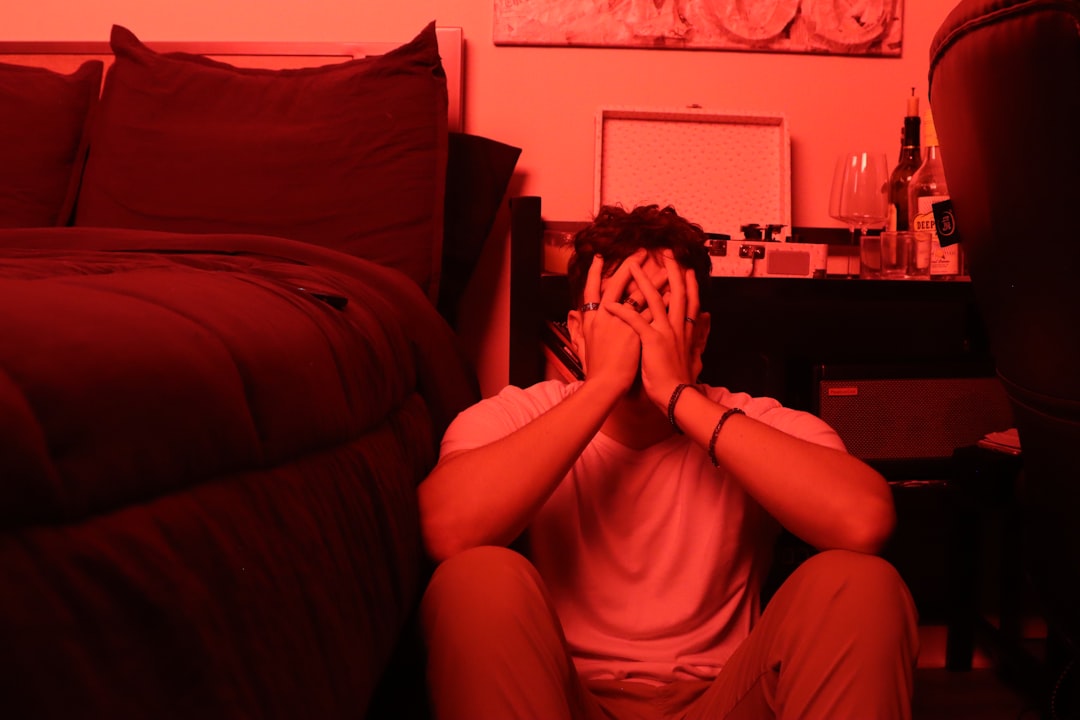
Before you write anyone off, it's worth slowing down and asking yourself an honest question: is this about them, or about something else entirely?
Sometimes the friction is totally legitimate. Maybe their friend group drinks too much, says things that cross your values, or consistently makes you feel like an outsider. Those are real, valid triggers and they deserve to be taken seriously.
But sometimes — and this is the part that stings a little — the discomfort is coming from inside the house. Feeling left out when your partner laughs at an inside joke you weren't around for. Noticing that certain friends knew them during a time in their life you weren't part of. Sensing, rightly or wrongly, that those people see a version of your partner that's slightly different from the one you know. These are feelings that belong more to you than to them, and working through them privately first will save you a lot of unnecessary conflict.
Neither scenario is shameful. Both deserve your attention.
The Difference Between Discomfort and a Red Flag
Not all discomfort is a warning sign. This distinction matters more than people realize.
Discomfort sounds like: "I find their humor a bit grating" or "we just have nothing in common" or "I always feel slightly invisible around them." These are real feelings, but they're workable. You don't need to adore every person your partner has ever befriended. That's not a realistic relationship expectation for any adult.
A red flag sounds different. It sounds like: "that friend convinced my partner to lie to me last year" or "they make jokes that are genuinely demeaning" or "I've noticed my partner acts in ways that feel disrespectful to me when they're around." That's not about social chemistry. That's about values alignment, and it's worth a direct, calm conversation with your partner.
Knowing which category you're sitting in is the first honest step.
How to Actually Handle It Without Starting a War

Choose your battles wisely. Not every grievance needs airtime.
If the dislike is mild and situational, the most practical move is simply managing your own experience better. Set a time limit for social events with that group. Drive yourself so you can leave when you've had enough. Find one thing, just one, to appreciate about each person when you're in the room with them. It sounds small, but it genuinely shifts how you move through those evenings.
If you do decide to bring it up with your partner, timing and framing are everything. Don't arrive fresh from a night out with their friends already wound up. Wait until you're both calm and comfortable. Then lead with curiosity, not accusation. "I've been noticing I feel a bit disconnected when we hang out with [friend's name]. Can we talk about it?" opens a door. "Your friends are terrible and I don't know why you like them" slams one shut.
Be specific about behavior rather than personality. "It bothers me when people talk over each other all night" is something your partner can engage with. "Your best friend is just an annoying person" is not. Specificity keeps the conversation grounded and prevents your partner from feeling like they have to choose sides.
Your Partner's Friendships Are Part of Who They Are
This is the part most people skip, and it matters.
The friendships your partner keeps, especially long-standing ones, are a piece of their identity. Those friends existed before you. They probably know things about your partner that even you don't, because relationships reveal different sides of us depending on context. When you dismiss or attack those friendships, even with the best intentions, your partner often hears it as a criticism of who they are.
You're allowed to have preferences. You're even allowed to gently, kindly express them. But there's a big difference between advocating for your own comfort and trying to restructure your partner's social life around your feelings. The words that quietly break hearts in relationships are often the ones we say about the people our partners love, not just about our partners themselves.
Respect their autonomy. It's one of the most loving things you can do.
What to Do When You Genuinely Can't Stand Someone
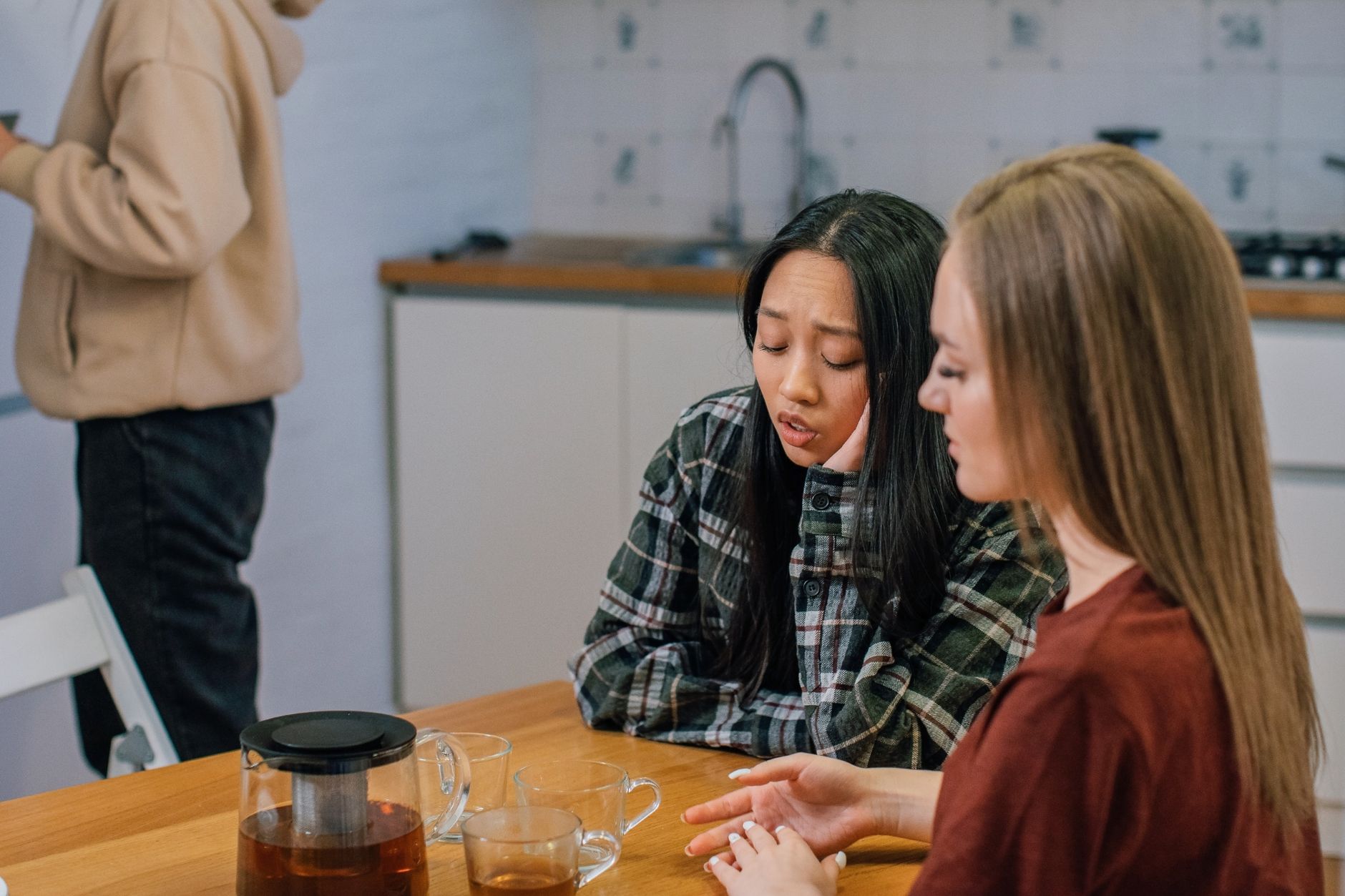
Okay, sometimes there really is just a person who rubs you the wrong way at a deep level. It happens. The goal doesn't have to be loving everyone in your partner's orbit.
The goal is coexistence with boundaries. You can be cordial without being close. You can attend the events that matter most to your partner while sitting out the casual hangouts that drain you. You can smile genuinely, make polite small talk, and then go home and decompress. None of that is fake — it's adult social navigation, and most of us do it in other areas of life without thinking twice about it.
What you cannot sustainably do is ask your partner to choose. Ultimatums about friendships are among the fastest ways to breed resentment. Even if your partner complies, the cost is real, and it tends to surface later in unexpected ways. The research on power dynamics in close relationships consistently shows that coercive control, even when well-intentioned, erodes trust over time.
Give both yourself and your partner some room to breathe here.
When the Problem Is Actually About Your Relationship
Sometimes the friends aren't really the problem at all.
If you find yourself tracking every hour your partner spends with their friends, feeling threatened by those connections, or interpreting normal social outings as personal rejections, it might be time to look a little deeper. Attachment anxiety often shows up exactly like this. It masquerades as a complaint about specific people when it's really about fear of abandonment, fear of not being chosen, or an unspoken need for more intimacy with your partner.
Those are incredibly human needs. And they deserve to be met, not suppressed by redirecting them at whoever happens to be in the room. Exploring emotional intimacy and deeper connection with your partner directly is almost always a more sustainable path than trying to limit their social world.
Therapy, both solo and couples, is genuinely worth considering if this pattern keeps repeating across different friend groups.
Building More of What You Actually Want
Here's what I've noticed: people who feel secure in their relationship rarely spiral about their partner's friends.
When the connection at home feels rich, deep, and prioritized, the time your partner spends with their crew doesn't feel threatening. It feels like a healthy, normal part of life. So instead of focusing energy on people you can't control, try investing it in building the kind of intimacy that makes you feel genuinely chosen. Plan intentional time together. Share something vulnerable. Explore new ways to build deeper romantic connection that go beyond surface-level routine.
A strong relationship has room for both of you to have full, independent social lives. That's actually a sign of health, not a threat to it.
Wrapping Up
You don't have to love your partner's friends. That's simply not a requirement for a good relationship. What is required is honesty with yourself about what's really driving the feeling, communication that respects your partner's autonomy, and a willingness to find a middle ground that works for both of you.
Some friendships will grow on you slowly. Some won't. And that's okay.
The relationship you're in is the one that deserves your best energy. Protect it thoughtfully, and let the rest be manageable background noise.
Want to make your journey even more exciting? I've handpicked some amazing toys and goodies at Hello Nancy that'll add extra sparkle to your intimate moments. (Here's a little secret — use 'dirtytalk' for 10% off!)
If you're looking to strengthen the physical connection at home while you navigate the emotional side of things, exploring couples toys together can be a genuinely playful way to reinvest in each other. And for those solo moments when you need to reset and reconnect with yourself, the clitoral vibrators at Hello Nancy are a wonderful place to start.

The Berri Edging Clitoral Massager is one of my personal favorites for anyone who wants to explore their own pleasure on their own terms. It's designed with a tapping sensation that's unlike anything else, and it's a beautiful reminder that your pleasure matters deeply, regardless of whatever else is going on in your life.
Frequently Asked Questions
Is it normal to not like your partner's friends?
Completely normal. You didn't choose your partner's friends and you're not obligated to love them. What matters is how you handle the feeling, not whether it exists. Most people in long-term relationships navigate at least one friendship in their partner's circle that doesn't click for them.
Should I tell my partner I dislike their friends?
It depends on the severity. If it's a mild personality clash, managing your own experience privately is often more productive than airing the grievance. If the friend's behavior genuinely affects your relationship or wellbeing, a calm, specific conversation with your partner is absolutely worth having. Lead with how you feel, not with character judgments about the friend.
What if my partner's friend is a bad influence on them?
Focus on behaviors you observe in your partner, not on the friend as a person. If your partner acts in ways that concern you when they're around certain people, that's worth a direct conversation about your relationship values. Framing it around your partner's choices rather than the friend's character keeps the conversation productive.
Can disliking your partner's friends damage your relationship?
The feeling itself rarely damages a relationship. How you act on it can. Pressuring your partner to cut off friends, making every social event a source of conflict, or consistently expressing contempt for their social circle will create real resentment over time. Managed privately and communicated kindly when necessary, the feeling stays contained.
How do I survive social events with my partner's friends I don't like?
Drive yourself so you control your exit. Set a soft time limit in your head before you arrive. Find one genuine thing to appreciate about each person there, even if it's small. And give yourself something nice to look forward to afterward, whether that's a quiet evening, your favorite show, or solo time to decompress.
Is it okay to ask my partner to spend less time with a friend I dislike?
Occasionally expressing a need for more quality time together is healthy. Repeatedly restricting who your partner sees crosses into controlling behavior, even if your intentions feel loving. There's a meaningful difference between "I'd love more evenings just the two of us" and "I want you to stop seeing that person."
What if I hate my partner's best friend specifically?
A partner's best friend carries extra emotional weight because that relationship is often deep and long-standing. Approach this one with particular care. Examine your feelings honestly, separate specific behaviors from general dislike, and focus on maintaining a polite, functional dynamic rather than expecting warmth. You don't have to like them. You do have to coexist.
Could my dislike of my partner's friends be a sign of attachment issues?
It can be, especially if the pattern repeats across multiple friend groups or if you notice anxiety when your partner spends time with friends in general. Attachment anxiety often shows up as jealousy or resentment toward anyone who holds your partner's attention. A therapist can help you untangle what's really going on underneath.