Add $12.00 to get Free Gift



Your body has been sending signals for years. You just didn't know testosterone was behind so many of them.
Energy dips, mood swings, a libido that's gone strangely quiet, or a motivation that used to feel effortless but now needs constant coaxing. All of that can connect back to one hormone that most people only think about in the context of muscles and men. The reality is far more nuanced, far more personal, and honestly, way more interesting than that.
Let's get into it.
What Exactly Is Testosterone and Why Should You Care?
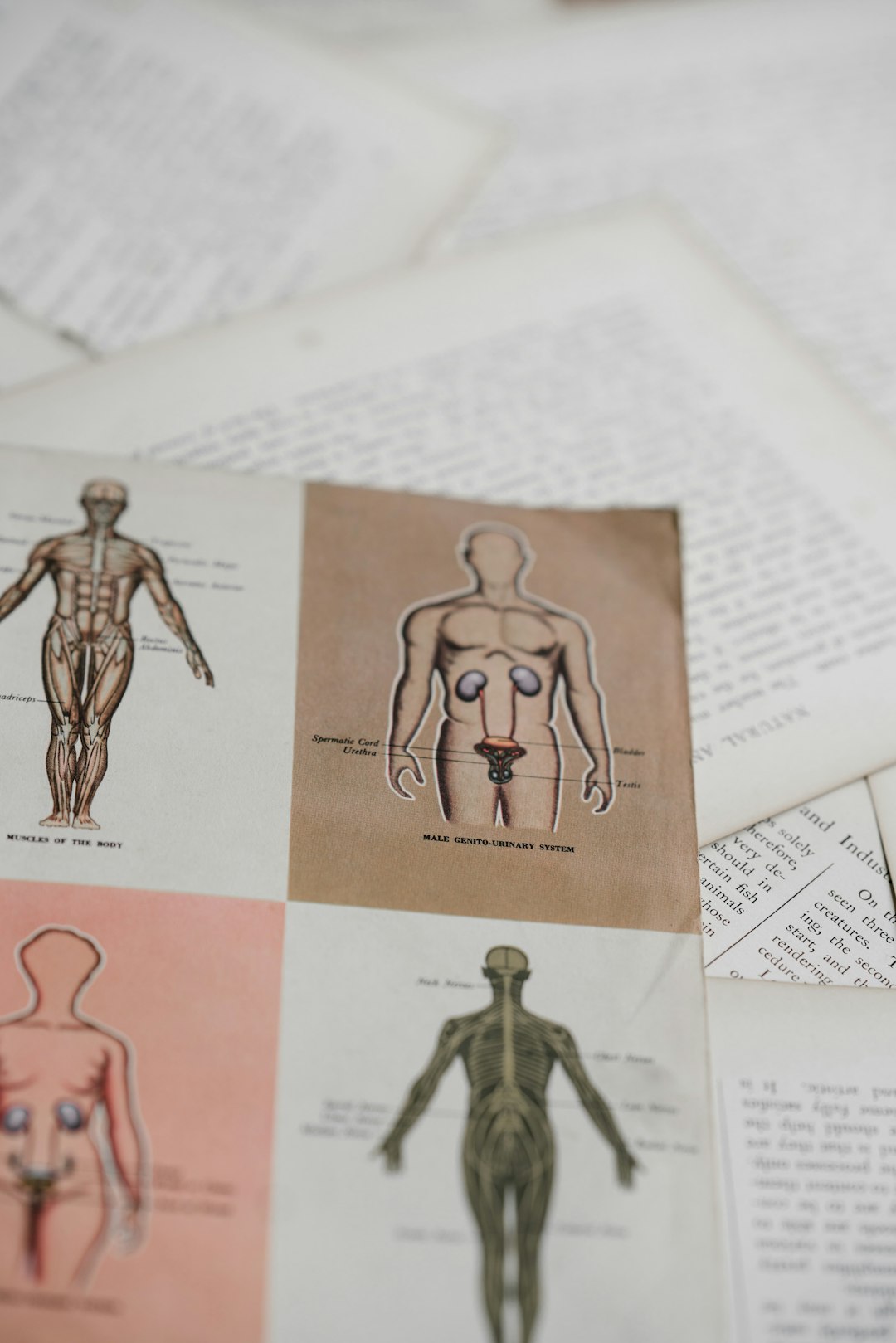
Testosterone is a steroid hormone produced primarily in the testes in people assigned male at birth, and in the ovaries and adrenal glands in people assigned female at birth. Yes, everyone makes it. The difference is in quantity, not presence.
It belongs to a class called androgens, and it regulates a surprisingly long list of things: bone density, fat distribution, muscle mass, red blood cell production, mood stability, sex drive, and yes, sexual function. Think of it less as a "male hormone" and more as a universal dial your body uses to regulate energy and vitality across all bodies.
The misconception that testosterone is just about masculinity or aggression is genuinely outdated.
Testosterone Levels: What's Normal, What's Not?
Here's where things get specific. For people assigned male at birth, normal testosterone typically falls between 300 and 1,000 ng/dL (nanograms per deciliter). The American Urological Association flags anything below 300 ng/dL as clinically low. Levels above 1,000 ng/dL can signal a different set of concerns worth discussing with a doctor.
For people assigned female at birth, the range sits much lower, usually between 15 and 70 ng/dL, though labs and guidelines vary. Even at those smaller numbers, testosterone still plays a significant role in libido, energy, and emotional wellbeing.
Peak levels tend to happen in your late teens and early twenties. After that, it's a slow, gradual decline of roughly 1% per year starting around age 30. That's not a crisis. That's just biology doing its thing. The question is whether your levels are dropping in a way that's actually affecting your quality of life.
How Age Affects Your Levels
Adolescence brings a surge. Midlife brings a gentle descent. By the time someone with testes reaches their 50s or 60s, levels may be noticeably lower than their twenties peak, but "lower" doesn't automatically mean "problematic." Context is everything, and symptoms matter more than a single number on a lab report.
The Benefits of Healthy Testosterone Levels

When testosterone is in a healthy range, your body tends to hum along in ways you might take for granted. Muscle tissue builds and repairs more efficiently. Bone density stays stronger for longer, which matters a lot as we age. Fat metabolism works better, which means less accumulation around the midsection.
Sex drive gets the headline attention, but mood and cognitive function are just as important. Research from Healthline's medically reviewed content notes that testosterone supports spatial memory and general cognitive sharpness. Low levels correlate with fatigue, brain fog, and that unsettling flat emotional quality some people describe as "not feeling like themselves."
Sleep quality also has a relationship with testosterone. Deep, restorative sleep supports healthy hormone production, creating a feedback loop your body genuinely depends on.
Testosterone and Sexual Health
Let's talk about libido honestly for a second. Testosterone doesn't dictate your desire on its own, but it is a major player. When it drops significantly, many people notice a marked decrease in sexual interest that feels confusing or even alarming, as the Cleveland Clinic describes it. It's not about attraction or love for your partner. It's biochemistry.
For people with vulvas, low testosterone can reduce sensitivity and make arousal slower or less satisfying. For people with penises, it can affect erectile function and reduce morning erections. Understanding this connection is one of the most empowering things you can do for your sexual wellness. If something feels off, this is a door worth opening with a healthcare provider. And while you're exploring what makes you feel most alive, pairing self-knowledge with tools that genuinely support pleasure, like quality clitoral vibrators or other vibrators for women, can make a meaningful difference in your experience.
Signs Your Testosterone Might Be Low
Some symptoms quietly build over months. Others show up more abruptly. Either way, recognizing them is the first step.
Fatigue that doesn't improve with rest is one of the most common early signals. Not the kind of tired that a good night's sleep fixes. The kind that settles into your bones even when nothing is technically wrong. Low mood, irritability, and a creeping sense of apathy also make the list. So does reduced muscle mass despite consistent effort at the gym, increased body fat particularly around the abdomen, and thinner, more fragile bones over time.
Decreased libido pairs with other sexual symptoms, as mentioned. But don't forget the less-discussed ones: difficulty concentrating, reduced body and facial hair, and changes in sleep patterns. Any combination of these signals is worth a conversation with your doctor and a simple blood test.
What Raises Testosterone Naturally?

Sleep is the most underrated lever. Your body produces testosterone during deep sleep phases, particularly REM and slow-wave sleep. Cutting sleep short repeatedly tanks hormone production in ways that no supplement can fix. Prioritize seven to nine hours like your endocrine system depends on it. Because it does.
Resistance training is another well-documented booster. Heavy compound lifts, think squats, deadlifts, and presses, trigger a hormonal response that includes testosterone release. Even moderate, consistent weight training three times a week makes a measurable difference over time.
Nutrition matters too. Zinc and vitamin D deficiencies are directly linked to lower testosterone levels. Oysters, pumpkin seeds, eggs, and fatty fish are your friends here. Chronic stress raises cortisol, which actively suppresses testosterone, so stress management isn't a luxury. It's hormonal maintenance.
What About Testosterone Replacement Therapy?
TRT, or testosterone replacement therapy, is a medical treatment for people whose levels are clinically low and who are experiencing genuine symptoms. It comes in several forms: injections, gels, patches, and pellets. It's not a performance enhancer or a lifestyle upgrade. It's a treatment, and like all treatments, it comes with risks and benefits that need careful discussion with a qualified healthcare provider.
Some people experience significant life quality improvements. Others find the side effects outweigh the benefits. There's no universal answer, which is exactly why a personalized medical conversation beats anything you'll read on a forum.
Testosterone, Intimacy, and Your Relationship

Low testosterone doesn't just affect the individual. It ripples into relationships. A partner who doesn't understand why their person has lost interest in sex can internalize it as rejection. That dynamic gets painful fast. Open communication, paired with actual knowledge about what's happening hormonally, changes everything.
If you and your partner are navigating shifts in desire or energy, you're not alone, and exploring couples toys together can be a low-pressure, genuinely fun way to maintain intimacy while you work through the bigger picture. Pleasure doesn't have to pause while you figure out your hormones. If anything, keeping that connection alive supports emotional wellbeing, which supports hormonal health. It's a beautiful loop.
If you're curious about how arousal dysfunction connects to hormonal changes, the article on arousal dysfunction causes and what actually helps is worth a read alongside this one.
Getting Your Levels Tested: What to Expect
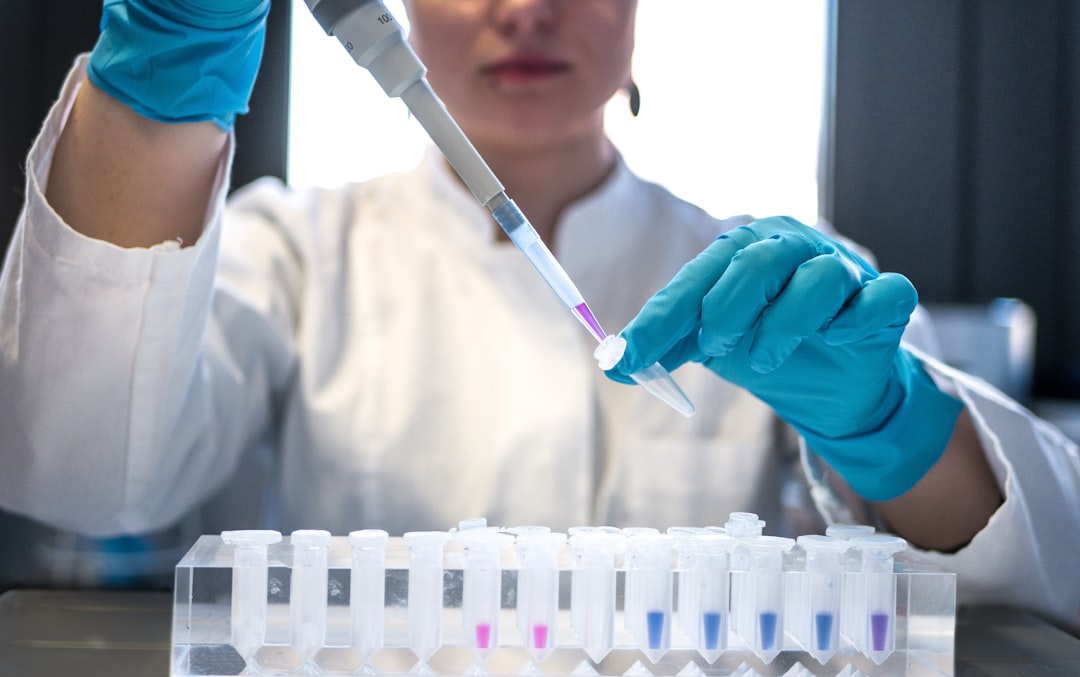
A testosterone test is a simple blood draw, usually done in the morning when levels are at their daily peak. Your doctor will order a total testosterone test to start, and may follow up with a free testosterone test if the initial results are borderline or if symptoms are strong despite normal total levels.
Fasting beforehand isn't always required, but your provider will advise. Results typically take a few days. Numbers alone don't tell the full story. A good clinician reads your labs alongside your symptoms and health history, not in isolation.
A Few Things to Stop Believing About Testosterone
Testosterone does not cause aggression. That myth has been extensively challenged by research showing that social context and individual psychology play far greater roles in aggressive behavior than hormone levels. Testosterone is not exclusively male. And higher levels do not automatically equal better health or performance. Balance is the goal, not maximization.
Another one: testosterone supplements sold over the counter are not testosterone replacement. Most are zinc, D-aspartic acid, or herbal blends that have mixed evidence at best. Some may help if you're genuinely deficient in a component nutrient like zinc. Others are expensive placebos. Know the difference before you spend your money.
Wrapping Up
Testosterone is one of those hormones that quietly shapes so much of how you feel every day. Your energy, your mood, your desire, your body composition. All of it. Understanding your own levels and what they mean for you is one of the most practical investments you can make in your health. Get tested if you're curious. Talk to your doctor if symptoms resonate. And remember: your pleasure and vitality matter, at every age and every hormonal chapter.
Want to make your journey even more exciting? I've handpicked some amazing toys and goodies at Hello Nancy that'll add extra sparkle to your intimate moments. (Here's a little secret, use 'dirtytalk' for 10% off!)

The Berri tapping clitoral massager is a beautifully designed clitoral vibrator that pairs perfectly with the kind of slow, intentional self-exploration that supports your overall sense of wellbeing. Sometimes the best thing you can do for your hormones is remind your body what pleasure feels like.
Frequently Asked Questions
What is a normal testosterone level for men by age?
For men, normal testosterone levels generally range from 300 to 1,000 ng/dL, though the range shifts with age. Levels peak in late adolescence and early adulthood, then decline gradually by about 1% per year after age 30. Anything below 300 ng/dL is considered clinically low by most medical organizations.
Do women have testosterone and why does it matter?
Yes, women produce testosterone in the ovaries and adrenal glands, typically between 15 and 70 ng/dL. Even at these lower levels, testosterone plays a significant role in female libido, energy, mood, and sexual sensitivity. Low testosterone in women can contribute to reduced desire and slower arousal.
What are the most common symptoms of low testosterone?
The most common symptoms include persistent fatigue, reduced libido, low mood or irritability, difficulty concentrating, decreased muscle mass, increased body fat, and disrupted sleep. Many people experience several of these together before they connect the dots to hormonal shifts.
How can I naturally increase my testosterone levels?
Prioritizing quality sleep (seven to nine hours), consistent resistance training, and a diet rich in zinc and vitamin D are the most evidence-backed natural strategies. Reducing chronic stress is equally important because elevated cortisol directly suppresses testosterone production.
How is testosterone tested and when should I get tested?
Testosterone is measured through a simple blood draw, ideally done in the morning when levels are highest. You should consider getting tested if you're experiencing persistent fatigue, low libido, mood changes, or other symptoms that haven't resolved with lifestyle adjustments. Your doctor will interpret the results in context with your overall health picture.
What is testosterone replacement therapy (TRT) and is it safe?
TRT is a medical treatment prescribed when testosterone levels are clinically low and causing symptoms. It comes in injections, gels, patches, or pellets. Like any medical intervention, it carries potential risks including effects on fertility, red blood cell count, and cardiovascular health. It should always be discussed thoroughly with a qualified healthcare provider.
Does low testosterone affect sexual performance?
Yes, significantly. Low testosterone can reduce libido, make arousal slower, and affect erectile function in people with penises. In people with vulvas, it can decrease genital sensitivity and make orgasm harder to reach. Addressing the underlying hormonal issue often improves these symptoms considerably.
Does testosterone cause aggression?
No, not in the way popular culture suggests. Research consistently shows that aggression is far more influenced by social context, psychology, and environment than by testosterone levels alone. The hormone-equals-aggression belief is a myth that science has spent decades walking back.
Can stress really lower testosterone levels?
Absolutely. Chronic stress elevates cortisol, a hormone that actively competes with and suppresses testosterone production. This is why stress management, whether through sleep, exercise, therapy, or mindfulness, is considered a genuine part of hormonal health, not just a wellness buzzword.