Add $12.00 to get Free Gift



Something shifted, and you felt it before you could name it. The sex is still there, but it stopped surprising you.
That low-key flatness you feel before, during, or after intimacy? That's the bedroom rut. And the good news is that getting out of it is way more achievable than most people think.
What Does a Bedroom Rut Actually Feel Like?

A bedroom rut doesn't always look like a problem. Sometimes it looks like everything being perfectly fine. Same time, same positions, same sequence of events, same predictable finish. Fine. Totally fine. Except fine isn't the same as good, and good definitely isn't the same as electric.
The rut creeps in quietly.
You might notice a quiet drift in desire, where you're not exactly saying no but you're also not exactly reaching for your partner with that same hungry urgency you used to have. Or maybe you're going through the motions because the motions are comfortable, and comfort is its own kind of trap. Researcher Emily Nagoski, author of Come As You Are, describes desire as something that needs context to thrive. When context becomes identical every single time, the brain eventually files it under "routine" rather than "exciting." And routine doesn't spike dopamine.
None of this means you don't love your partner. It means you're human.
Why We Fall Into Routine (And Why It's Not Your Fault)

Here's something worth knowing. Our brains are efficiency machines. They automate patterns to free up energy for everything else life demands. Bills, work stress, that group chat that never stops pinging. The brain essentially puts familiar sex on autopilot to conserve bandwidth.
And honestly? That makes biological sense.
But the intimacy we crave isn't just physical release. It's novelty, connection, and the feeling of being genuinely seen. When those elements go missing from the bedroom, even physically satisfying sex starts to feel hollow. Relationship therapist Esther Perel has written extensively about the tension between security and desire, noting that "desire needs air" and too much sameness smothers the spark. The routine itself becomes the obstacle, not the relationship.
So stop blaming yourself. Start getting curious instead.
Communication Is the Real Foreplay

Most people skip this part and go straight to searching for tips. That's backwards.
The single fastest way to break a rut is to talk about the rut. Not in a clinical, HR-meeting kind of way. Just honest, curious conversation. Try a simple opener like: "What's something you've been curious about that we haven't tried?" Notice how that question invites rather than accuses. It makes room for both of you to play.
Being specific helps enormously.
Instead of the vague "I want things to feel more exciting," try identifying what you actually miss or want to explore. A change of scenery? A different time of day? More teasing before getting to the point? Being able to articulate your wants clearly is a skill, and it gets easier with practice. And the conversation itself, the vulnerability of saying "I want more of you, differently," is its own kind of intimacy. Sometimes just talking about desire reignites it.
Introducing New Sensations and Toys

This is where things get fun. Adding a new sensation to your repertoire is one of the most effective ways to wake up the nervous system and remind your body that pleasure can still surprise you.
Toys are not a sign that something is broken.
They're tools for exploration, full stop. If you've never brought couples toys into the mix, this is genuinely one of the most playful ways to shake things up without any pressure. Something as simple as introducing a remote-controlled panty vibrator like the Pixie turns an ordinary evening out into a little shared secret between you and your partner. The anticipation alone does half the work.

For solo exploration that feeds back into partner intimacy, the Berri edging clitoral massager is worth knowing about. Its tapping sensation is unlike anything in the standard vibrator category. Using it to learn exactly what your body responds to gives you real, actionable information to bring into shared experiences. That's not just pleasure for its own sake. That's research.
If clitoral stimulation is your main event, the clitoral vibrators range at Hello Nancy covers everything from subtle to seriously powerful. Knowing what sensation your body loves is the foundation of asking for what you want.
Small Changes That Create Big Sparks

Not every fix requires a dramatic overhaul.
Sometimes a bedroom rut breaks with something as small as changing the lighting, or starting intimacy at a completely different time of day. Morning sex hits differently than late-night-after-Netflix sex, and your body knows the difference. Environment shapes arousal more than we give it credit for. Moving from the bed to a different room, or even just rearranging things so the visual context shifts, can trick the brain out of autopilot mode.
Slowing down is criminally underrated as a strategy.
So much routine sex is rushed, operating on a familiar script where everyone knows the order of events. Deliberately slowing the pace, lingering in moments you'd usually skip past, extending the time before anything "counts" as the main event, completely changes the experience. Research on the sexual response cycle consistently shows that longer arousal phases produce more intense outcomes. Basically, the more you delay, the more your body invests. Think of it as building interest before the payoff.
And if you want to explore that edging territory more intentionally, the air pulse vs tapping vibrator breakdown on the Hello Nancy blog is genuinely useful reading for anyone figuring out which sensation to chase.
When Solo Pleasure Is the Reset Button

Here's something the couple-focused conversation often misses. Getting out of a shared bedroom rut sometimes starts with you, alone.
Solo pleasure is not a consolation prize. It's where you get to be fully selfish in the best possible way, experimenting without an audience and learning what your body actually wants versus what it's gotten used to accepting. That knowledge is genuinely powerful. It changes how you show up with a partner because you're no longer guessing. You're directing.
The Namii 2 clitoral suction and vibration toy is a brilliant starting point if you want to understand the difference between surface vibration and deeper air-pulse stimulation.
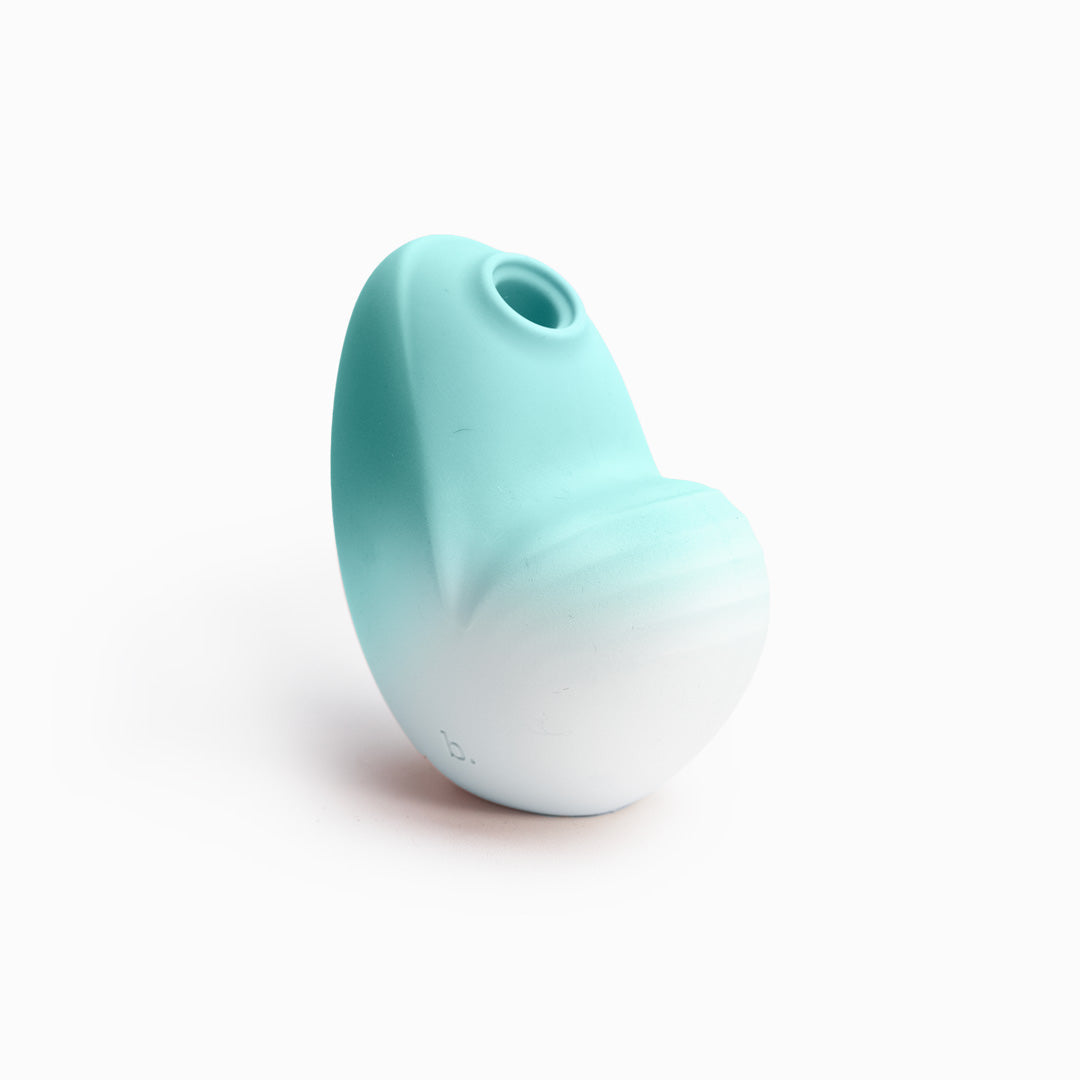
For anyone who wants to dig deeper into internal pleasure, learning how to use a G-spot vibrator opens up a whole new dimension of what your body can do. Most people who've been stuck in a rut have never truly explored this territory. It's not about what you've been missing. It's about what's waiting.
Bottom Line
A bedroom rut is not a verdict on your relationship or your desire. It's just a signal that something needs refreshing, and signals are useful. The fact that you noticed means something in you is still reaching toward more. That reaching matters.
Start with one small thing. A conversation, a new toy, a different time of day. You don't need to reinvent everything at once.
Your pleasure is worth the effort it takes to tend to it. Full stop.
Want to make your journey even more exciting? I've handpicked some amazing toys and goodies at Hello Nancy that'll add extra sparkle to your intimate moments. (Here's a little secret. Use 'dirtytalk' for 10% off!)
Frequently Asked Questions
How do I know if I'm actually in a bedroom rut or just going through a low-desire phase?
A bedroom rut usually involves consistent, repetitive patterns that feel predictable rather than satisfying. A low-desire phase tends to be about energy and mood rather than routine. If the sex itself feels mechanical and unsurprising rather than simply infrequent, it's more likely a rut.
Can introducing sex toys help break a bedroom rut in a long-term relationship?
Yes, and they're one of the most effective tools for it. Toys introduce new sensations and shift the dynamic away from autopilot. They also create a shared activity. Choosing something together is itself a form of intimacy and communication.
How do I bring up the idea of trying something new without making my partner feel like they're not enough?
Frame it around curiosity, not criticism. Something like "I've been thinking about things I want to explore with you" puts both of you on the same side of the conversation. You're adding to what's already there, not replacing anything.
Does a bedroom rut always mean there's a problem with the relationship?
Not at all. Routine is actually a natural byproduct of comfort and stability, which are good things in a relationship. A rut just means the intimacy side of things needs intentional attention. It's maintenance, not damage control.
What are the best beginner-friendly ways to add novelty to sex without feeling overwhelmed?
Start with context changes before content changes. A different time of day, a different room, or softer lighting costs nothing and can shift the mood significantly. Once the environment feels fresh, adding a new toy or trying a new position feels much less like a big deal.
How can solo masturbation help improve partnered sex?
Solo exploration teaches you what your body actually responds to rather than what it's simply accustomed to. That knowledge is invaluable in partnered sex because you can communicate with clarity and confidence. You stop guessing and start directing.
How long does it take to break out of a bedroom rut?
There's no fixed timeline. Some couples notice a shift after a single honest conversation. Others need a few weeks of small, consistent changes before the energy genuinely shifts. The important thing is starting somewhere rather than waiting for the perfect moment.
Is it normal to feel nervous about suggesting new things in the bedroom?
Completely normal. Vulnerability is uncomfortable, especially around desire. But that slight nervousness is usually a sign you care. Most partners respond warmly to being invited into a curious conversation rather than being confronted with a critique.