Add $12.00 to get Free Gift


Something shifted, and you're not sure exactly when. Sex used to feel good. Now it doesn't. That's not a small thing.
Painful sex isn't a character flaw, a relationship red flag, or something you should just push through. It's a signal. Your body is genuinely trying to communicate something, and the sooner you learn the language, the sooner you can feel like yourself again.
What Is Dyspareunia, and Why Does It Happen Out of Nowhere?

Dyspareunia is the clinical term for painful intercourse, whether that pain hits at entry, deep inside, or even after sex is over. Research published in StatPearls notes that the prevalence of dyspareunia ranges from 3% to 18% worldwide and can affect up to 28% of people over a lifetime. That's a significant number of people quietly suffering through something that is both common and genuinely treatable.
The "suddenly" part is what catches most people off guard.
You weren't always like this. Sex was fine. Maybe it was even great. And then one day, without any obvious warning, it wasn't. That shift from comfortable to painful is called secondary dyspareunia, and it's incredibly common. It means something changed in your body, your hormones, your emotional landscape, or your physical health, and that change is worth investigating rather than ignoring.
The Most Common Physical Causes of Sudden Pain During Sex

Let's start with the body, because most sudden-onset pain has a physical root. The list is longer than most people expect, which is actually reassuring. It means there are real answers out there.
Vaginal dryness is probably the most underdiagnosed cause. It can happen at any age, not just after menopause. Stress, hormonal birth control, antihistamines, antidepressants, and breastfeeding can all dramatically reduce natural lubrication. Without enough moisture, friction becomes irritation, and irritation becomes pain. A quality lubricant can help immediately, but the root cause is worth addressing with a doctor if it persists.
Infections are another major player.
Bacterial vaginosis, yeast infections, and sexually transmitted infections like chlamydia or herpes can all cause sudden burning, stinging, or deep aching during sex. These conditions often have other symptoms like unusual discharge or odor, but sometimes pain during sex is genuinely the first clue. The good news is that most infections respond well to treatment once properly diagnosed.
Endometriosis is one of the most misunderstood culprits. It causes tissue similar to the uterine lining to grow outside the uterus, often on the ovaries, fallopian tubes, or pelvic walls. Deep, aching pain during penetration, particularly in specific positions, is a hallmark symptom. Many people with endometriosis wait years for a diagnosis because the pain gets dismissed or normalized. If you've noticed deep pelvic pain that's particularly bad during your period, push for a proper evaluation.
Pelvic floor dysfunction deserves its own spotlight. When the muscles of the pelvic floor are too tight, too weak, or working in an uncoordinated way, sex can become genuinely painful. This can develop after childbirth, after a pelvic injury, or even from chronic stress and tension held in the body over time. Pelvic floor physical therapy is one of the most effective interventions available, and it's vastly underutilized.
Hormonal Shifts That Change Everything
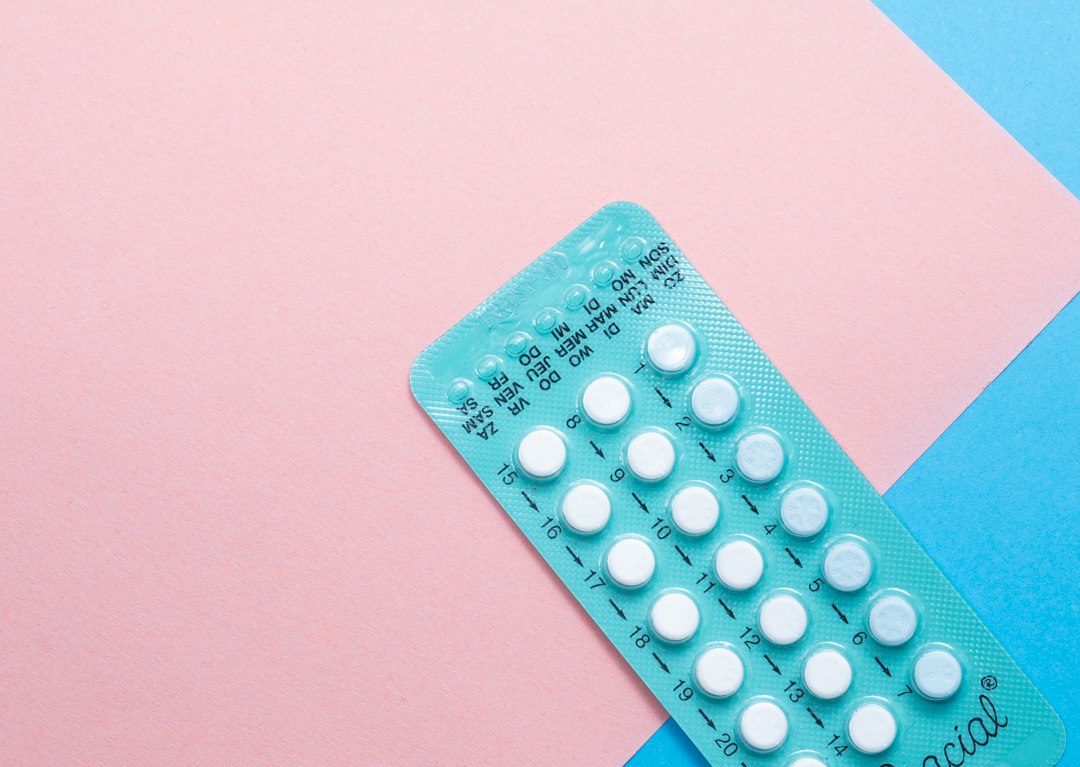
Hormones are quietly running the show in ways most of us don't fully appreciate until something goes wrong.
Estrogen, specifically, plays a massive role in vaginal tissue health. When estrogen levels drop, which happens during perimenopause, menopause, postpartum recovery, or as a side effect of hormonal birth control, the vaginal walls can become thinner, drier, and more sensitive. This is called vaginal atrophy, and it makes sex genuinely uncomfortable or even painful without any infection or injury involved. The shift can feel sudden, especially in perimenopause, when hormonal fluctuations are unpredictable.
Thyroid dysfunction is a less obvious but real contributor. Both hypothyroidism and hyperthyroidism can affect lubrication, libido, and overall tissue health. If you've also been experiencing fatigue, weight changes, or mood swings, a thyroid panel is worth requesting.
Changing your hormonal contraception method can also trigger sudden pain. Switching pills, starting a hormonal IUD, or coming off birth control entirely can shift your hormonal baseline significantly enough to affect how sex feels. This is more common than most prescribers acknowledge.
When Stress and Anxiety Show Up Between the Sheets
Your nervous system is always in the room with you. Always.
Anxiety, unprocessed stress, relationship tension, past sexual trauma, and even general burnout can all manifest physically as pain during sex. Vaginismus is one example: an involuntary contraction of the vaginal muscles that makes penetration painful or impossible. It's not weakness, it's not "all in your head" in a dismissive sense. It's your nervous system doing exactly what it was designed to do when it perceives a threat, even when that threat is psychological rather than physical.
The brain-body connection in sexual pain is real and well-documented. Research in sexual medicine has consistently shown that psychological factors don't just accompany physical pain, they can directly cause and sustain it. Addressing anxiety, working with a sex-positive therapist, or understanding how emotional safety shapes physical sensation can be just as important as any medical intervention.
Structural and Medical Conditions You Shouldn't Rule Out
Some causes are less common but important enough that they shouldn't stay off your radar.
Ovarian cysts can cause deep, sharp pain during sex, particularly during penetration or certain positions. Most cysts resolve on their own, but some require medical management. Uterine fibroids, which are non-cancerous growths in or around the uterus, can also cause pressure-type pain during intercourse, especially if they're positioned near the cervix. Interstitial cystitis, a chronic bladder condition, frequently causes pain during sex that is often misattributed to gynecological causes.
Skin conditions matter too.
Lichen sclerosus and lichen planus are inflammatory skin conditions that can affect the vulva, causing intense itching, tearing, and pain. These are often underdiagnosed because many clinicians aren't looking for them and many patients don't know to ask. If you're experiencing persistent soreness, white patches, or changes in vulvar skin texture, those are worth bringing up explicitly with a provider.
How Lubrication, Arousal, and Foreplay Factor In
This one sounds simple, but it's genuinely underestimated.
Sufficient arousal before penetration is not optional. It's physiological. When arousal builds properly, the vaginal walls expand (a process called vaginal tenting), natural lubrication increases, and the cervix shifts position to reduce the likelihood of painful cervical contact during deep penetration. When penetration happens before full arousal, all of those protective processes are incomplete. What results isn't a failure of desire. It's just physics. Exploring how to build arousal more intentionally can make a genuine difference.
Adding a quality lubricant is one of the simplest, most immediately effective interventions available. Look for water-based options if you're using vibrators or other sex toys, since they're compatible with silicone materials. Silicone-based lubricants last longer and work especially well when dryness is a hormonal issue, though they require silicone-free toys.
What to Do When Sex Starts Hurting
First: stop. Genuinely. Pushing through painful sex is not brave. It reinforces the pain cycle and can make the underlying cause worse over time.
Track the details before your appointment. Note where the pain is (entry versus deep), when it happens (always versus specific positions), whether it's gotten worse over time, and whether your cycle affects it. That information is genuinely useful to a clinician and will help move the conversation forward faster. It's also worth knowing that you can directly request a referral to a pelvic floor physical therapist or a gynecologist who specializes in sexual pain, rather than waiting for one to be offered.
In the meantime, exploring non-penetrative pleasure is not settling. It's smart.
The clitoral vibrators in Nancy's collection are designed exactly for this: external stimulation that feels incredible without requiring anything that currently hurts. The Berri Edging Clitoral Massager uses gentle tapping stimulation rather than intense pressure, which many people find more comfortable when they're navigating pelvic sensitivity.

Pleasure doesn't have to pause just because penetration is temporarily off the table. Your body still deserves to feel good, and keeping intimacy alive during a painful period can actually support the healing process emotionally.
The Role of Communication With Your Partner
Telling a partner that sex hurts is uncomfortable, and that discomfort is real.
But staying silent costs you more. Partners can't adapt to something they don't know about. Having that conversation doesn't have to be a full clinical debrief. It can be as simple as "something's been off for me physically and I'm figuring it out." Clear communication during difficult seasons in a relationship is genuinely one of the most intimate things you can do. It builds trust and it prevents the kind of silent resentment that can grow when one person is quietly suffering and the other doesn't know why the connection has shifted.
And while you're navigating this, couples toys designed for external and shared stimulation can keep physical intimacy alive without pressure on what currently hurts.
Wrapping Up
Sudden painful sex is your body asking for attention, not punishing you. Something changed, and something can change back. The path forward usually involves a combination of medical evaluation, honest communication, and a willingness to explore what feels good right now while you work toward what felt good before.
You don't have to accept pain as the new normal. You never did.
Want to make your journey even more exciting? I've handpicked some amazing toys and goodies at Hello Nancy that'll add extra sparkle to your intimate moments. (Here's a little secret — use 'dirtytalk' for 10% off!)
Frequently Asked Questions
Why did sex suddenly become painful when it never was before?
Sudden onset of painful sex is called secondary dyspareunia, and it usually signals a change in your body. Common triggers include hormonal shifts, a new infection, increased stress, changes in contraception, or the early signs of a condition like endometriosis. It's worth seeing a doctor to pinpoint the specific cause rather than guessing.
Can hormonal birth control cause sex to become painful?
Yes, and this is more common than many prescribers acknowledge. Hormonal contraception can lower estrogen levels enough to cause vaginal dryness and thinning of the vaginal walls, both of which make sex uncomfortable. If the pain started around the time you changed or started a hormonal method, bring it up directly with your provider.
What does it mean when sex is painful deep inside rather than at entry?
Deep pain during penetration often points to internal causes like endometriosis, ovarian cysts, uterine fibroids, or pelvic inflammatory disease. The position that triggers pain can also be a clue. Deep pain in specific angles often suggests cervical contact or a structural issue, both of which are worth imaging or evaluating with a gynecologist.
Can anxiety or stress physically cause painful sex?
Absolutely. The nervous system plays a direct role in how the body responds during sex. High anxiety or unprocessed stress can trigger involuntary pelvic floor tension, reduce natural lubrication, and even cause vaginismus, which is an involuntary muscle spasm that makes penetration painful. Working with a pelvic floor therapist or a sex-positive therapist can be just as effective as medical treatment in these cases.
Does painful sex mean I have endometriosis?
Painful sex is a key symptom of endometriosis, but it doesn't automatically mean that's the diagnosis. Many conditions share this symptom. What makes endometriosis more likely is if the deep pelvic pain worsens around your period, or if you also experience painful periods, bloating, or pain during bowel movements. A specialist evaluation, often involving imaging or laparoscopy, is required for a definitive diagnosis.
What can I do immediately when sex starts hurting?
Stop the activity causing pain. Pushing through it can reinforce the pain cycle and may aggravate an underlying condition. Use a quality lubricant to reduce friction, extend foreplay significantly to allow full arousal before any penetration, and make a note of where the pain is and what seems to trigger it. That information is valuable when you speak with a healthcare provider.
Can a yeast infection or bacterial vaginosis cause painful sex?
Yes. Both bacterial vaginosis and yeast infections cause inflammation and irritation that make sex uncomfortable or outright painful. They often come with other symptoms like itching, unusual discharge, or odor, but in some cases painful sex is the most noticeable sign. Both conditions are treatable with the right medication once properly diagnosed.
Is painful sex after menopause normal or something to treat?
It's common but absolutely not something you have to accept. The drop in estrogen during and after menopause causes vaginal atrophy, which thins and dries the vaginal walls and makes sex painful. This is highly treatable with local estrogen therapy, non-hormonal lubricants, moisturizers, and pelvic floor physical therapy. Bring it up with your doctor rather than assuming it's just part of aging.