Add $12.00 to get Free Gift



Something shifts in your 70s that nobody quite prepares you for. Not the grey hair or the creaking joints. It's the quiet, almost defiant realization that you still want this. That desire, in all its gorgeous inconvenience, never got the memo about retirement age.
And honestly? Good for it.
The world holds a deeply uncomfortable relationship with the idea of older adults and sex. We see it in the way doctors gloss right past the subject, in the way pop culture reserves romance almost exclusively for the young and dewy-skinned. But the data tells a completely different story.
According to AARP's 2022 Sex and Relationships Study of over 2,500 adults ages 40 and older, one in six adults (17%) ages 70 and up are still having sex weekly.
That's not a niche footnote or a statistical quirk. That's millions of real people enjoying intimacy and not particularly caring what anyone expects of them.
Sexuality doesn't expire. It evolves.
The Numbers Everyone Is Too Polite to Say Out Loud

The University of Michigan National Poll on Healthy Aging found that one in three adults in their late 60s described themselves as extremely or very interested in sex. Even among those in their late 70s, nearly one in five said the same thing.
These are not outliers or statistical flukes. These are people who lived through the sexual revolution, who spent decades learning their own bodies and building real opinions about what intimacy means to them.
Research consistently shows that 65% of adults between ages 65 and 80 remain interested in sex.
That's a majority. A clear, undeniable one.
The interest doesn't vanish.
Many older adults describe their sex lives in their 70s as more satisfying than in earlier decades.
The National Institute on Aging points out that older couples often experience fewer distractions, more privacy, zero pregnancy concerns, and a hard-won capacity to actually communicate what they want and need.
Decades of lived experience, it turns out, is genuinely useful in the bedroom. And
a 2020 observational study published in The Journal of Sexual Medicine found that death rates were approximately 50% lower for those who had sex at least weekly compared with those who rarely did.
Your pleasure isn't just enjoyable. It's protective.
What Actually Changes in Your Body (And What Really Doesn't)

Let's be honest about the physical shifts, because pretending nothing changes helps no one. ✨
For people with vulvas, estrogen levels drop significantly after menopause, often leading to vaginal dryness and thinner vaginal walls. This can make penetrative sex uncomfortable or even painful without extra attention paid to it.
The simplest fix is also the most overlooked one. A quality lubricant changes the entire experience, and it belongs in every bedside drawer without a shred of embarrassment. Water-based formulas are a solid starting point, and there are options designed specifically for more sensitive, mature tissue.
For people with penises, erections may take longer to arrive and may not be as firm as before.
This isn't failure. Longer arousal time often simply opens up space for slower, more attentive, whole-body intimacy, which, frankly, most partners appreciate.
What doesn't change is the actual capacity for pleasure. Orgasms remain very much on the table for the vast majority of people well into their 70s and 80s. Skin sensitivity doesn't disappear. Emotional connection deepens with age, not in spite of it. The desire for closeness, for genuine touch, for being truly seen by another person? That is a human constant, not a feature that comes with an expiration date.
The Mindset Piece Nobody Talks About Enough

Most people assume libido works the same at 72 as it did at 27.
It doesn't, and understanding why is genuinely liberating. There's an important difference between spontaneous desire (the kind that arrives out of nowhere, uninvited and urgent) and responsive desire (arousal that builds in response to touch, warmth, and context). Responsive desire becomes far more common with age, which means sex may not be the first thought in your head when you wake up. But once the conditions are right, once there's physical closeness and genuine connection? The interest absolutely comes online. If you want to understand your own desire patterns more clearly, exploring the idea of spontaneous vs responsive desire is a genuinely worthwhile read.
A lot of older adults quietly assume something is broken when their desire doesn't arrive the way it used to. Nothing is broken. Your desire simply needs a different kind of invitation now, more warmth, more intention, more context.
Different is not lesser.
Real, Practical Ways to Keep Pleasure in the Picture

Timing makes a bigger difference than most people expect. The Mayo Clinic recommends experimenting with morning sex rather than defaulting to the end of a long, draining day, when you're refreshed from a good night's sleep and testosterone levels are likely higher.
Taking more time for foreplay and releasing any pressure around specific outcomes shifts the entire dynamic. Small adjustments, real results.
Lubricant is non-negotiable. Keep it close and use it freely.
Sex toys deserve a genuine place in this conversation, because vibrators for women and quality intimate toys aren't reserved for the young.
They're especially valuable when nerve pathways shift or when certain positions become less comfortable with age.
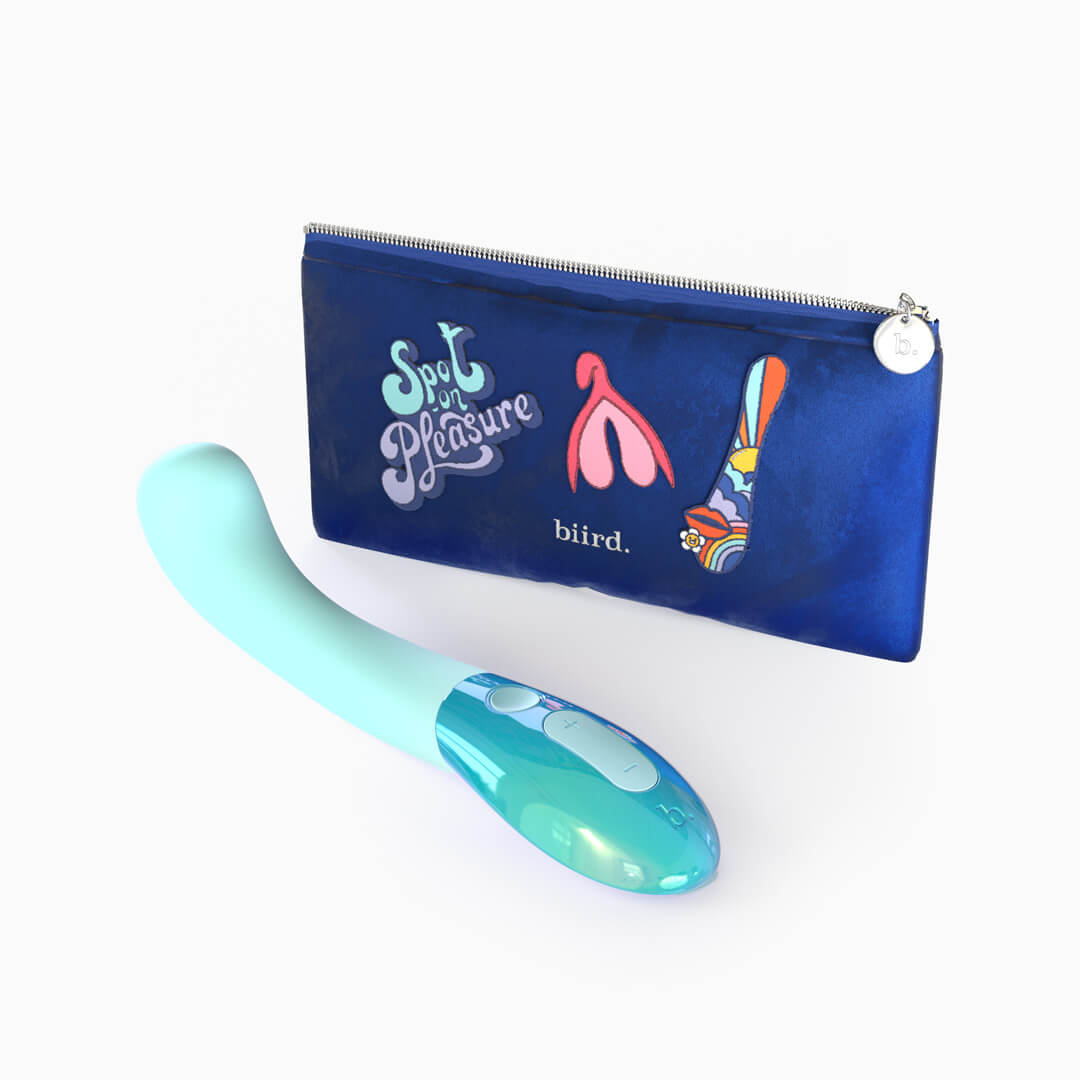
The Gii Glow G-spot vibrator delivers gentle, precisely targeted internal stimulation without requiring acrobatics of any kind. Its thoughtful ergonomic curve works with your body rather than against it, and that distinction matters more than you might expect.
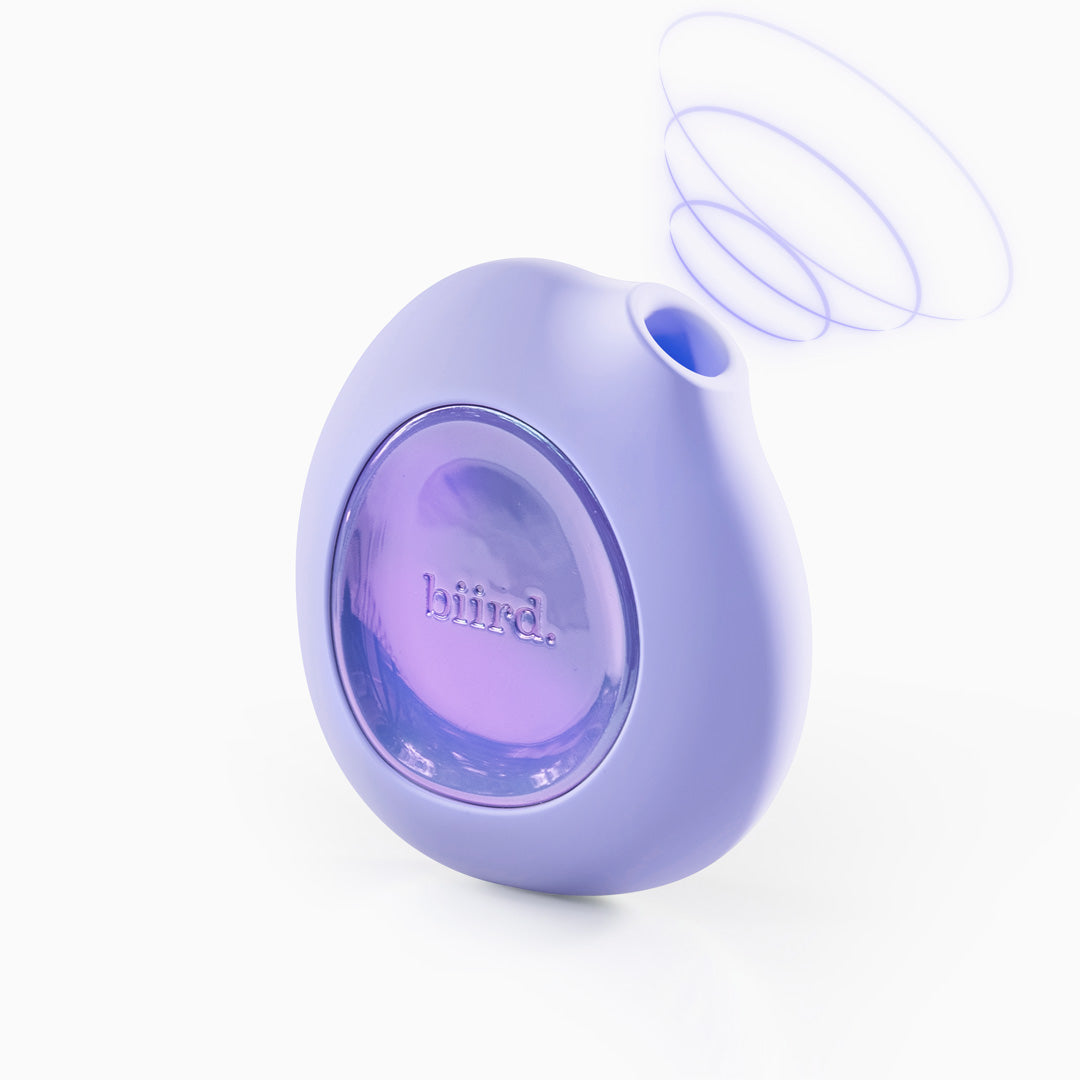
For contactless clitoral stimulation, the Lumii suction stimulator is genuinely in a category of its own.
Communication is still the most transformative tool available. Saying "this feels good" or "let's try this differently" is an act of intimacy, not an admission of difficulty.
One Thing People Genuinely Don't Expect: STIs Are Still Part of the Picture

STIs do not retire when you do.
Rates of sexually transmitted infections among adults over 65 have been rising steadily for years. Part of this is because many people in this generation grew up before comprehensive sex education was the norm. Part of it is because pregnancy prevention no longer drives condom use.
Your immune system weakens with age, which means infections are harder to fight, slower to resolve, and more likely to cause real complications.
If you're widowed, divorced, or newly dating in your 70s, get tested and ask your partner to do the same. Condoms and dental dams are still very much relevant.
Talk to your doctor.
Many older adults avoid bringing up sexual health at appointments out of embarrassment. Your physician absolutely should be discussing this with you, and if they're not, bring it up yourself. Your sexual health belongs on the same priority list as your blood pressure.
Here's the Thing
Your 70s are not the epilogue to your intimate life. They're a chapter written entirely on your own terms, with the accumulated confidence of every year you've lived. The research confirms it, the couples living it know it, and the only thing standing between you and a genuinely satisfying sex life is the cultural insistence that it's somehow improper or past its time. It isn't. Not even close.
Your pleasure matters now just as much as it ever did. ✨
---
Want to make your journey even more exciting? I've handpicked some amazing toys and goodies at Hello Nancy that'll add extra sparkle to your intimate moments. (Here's a little secret—use 'dirtytalk' for 10% off!)
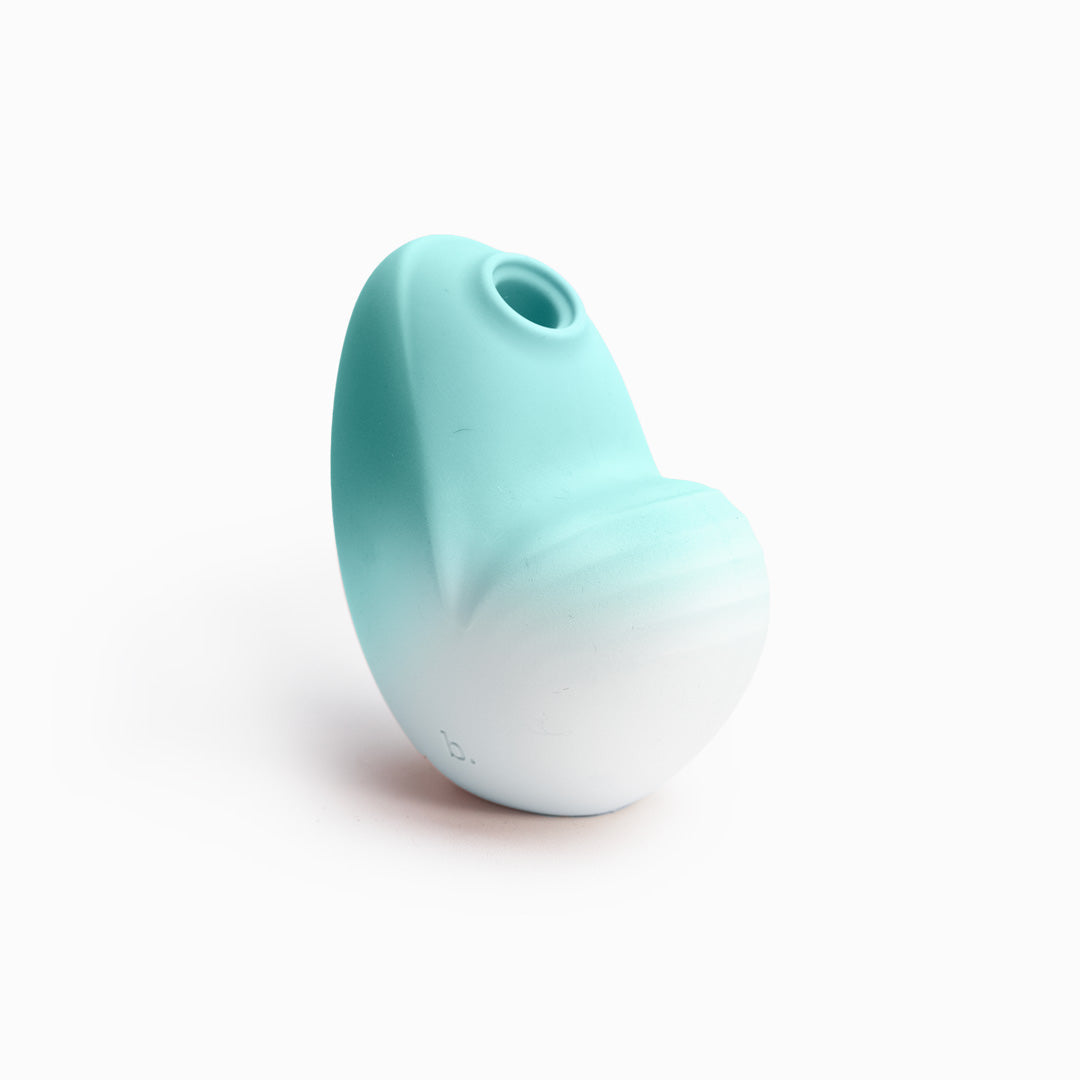
The Lem Clitoral Massager is a beautifully designed, lemon-shaped toy that delivers precise clitoral stimulation with a shape that's intuitive and genuinely fun to use. Its soft, body-safe silicone is ideal for sensitive skin at any age.

The Namii 2 combines clitoral suction and vibration in one sleek, ergonomic design. It's a dual-action clitoral toy that gives you two kinds of stimulation without any complicated setup, perfect for solo exploration or shared moments.
---
Frequently Asked Questions
Is it normal to still want sex in your 70s and beyond?
Completely normal. Research consistently shows that the majority of adults over 70 remain interested in sex and intimacy. AARP's 2022 study found that 17% of adults ages 70 and older are still having sex weekly. Desire doesn't vanish with age; it often simply changes in how it shows up.
What causes low libido in older adults and how can you address it?
Hormonal shifts, certain medications, chronic health conditions, and changes in relationship dynamics all play a role. A conversation with your doctor can help identify whether something treatable is contributing. Meanwhile, understanding the shift from spontaneous to responsive desire can reframe low libido as a changed pattern rather than a problem.
How can vaginal dryness be treated to improve sex after 70?
Vaginal dryness is common after menopause and very manageable. Over-the-counter lubricants (water-based or silicone-based) help immediately. Long-term options include vaginal moisturizers and, for those who qualify, low-dose topical estrogen prescribed by a doctor. More foreplay and a slower, more intentional approach to arousal also make a significant difference.
Are sex toys safe for older adults to use?
Yes, and they're often especially helpful. Body-safe silicone toys are non-porous and easy to clean, making them hygienic and gentle on sensitive tissue. Air pulse stimulators like the Lumii offer contactless stimulation, which is ideal when direct pressure feels too intense. Always choose toys made from body-safe materials and use them with a compatible lubricant.
Do older adults still need to use condoms?
Yes. Sexually transmitted infections don't discriminate by age, and STI rates among adults over 65 have been rising for years. If you or your partner have had other sexual partners and haven't been recently tested, condoms are a smart and important choice. An aging immune system is less equipped to fight infections, so prevention matters more, not less.
How does erectile dysfunction affect sex life after 70 and what can be done?
Some degree of change in erectile function is very common in older men, but it doesn't mean sex ends. Medications like PDE5 inhibitors (prescribed by a doctor) can help. Exploring non-penetrative intimacy, extended foreplay, and different types of stimulation often opens up a wider and genuinely more satisfying range of experiences. Talk openly with a healthcare provider.
How can older couples reconnect sexually after a long period of low intimacy?
Start with non-sexual touch. Holding hands, massage, and extended physical closeness rebuild the comfort and connection that naturally precede arousal. Open, honest conversation about what each partner wants and needs right now is the real foundation. Introducing a new toy or shifting the time of day for intimacy can also break a long-standing rut.
What are the health benefits of staying sexually active after 70?
Research links regular sexual activity in older adults to better cardiovascular health, improved sleep, lower stress levels, and even longevity. A 2020 study in The Journal of Sexual Medicine found death rates were about 50% lower among those having sex at least weekly compared to those who rarely did. Beyond the physical benefits, intimacy is deeply connected to mental health and overall relationship quality.
Should I talk to my doctor about my sex life in my 70s?
Absolutely yes. Sexual health is a legitimate part of your overall wellbeing, and a good doctor will take it seriously. Many older adults avoid the conversation out of embarrassment, but your physician can help identify whether medications, hormonal factors, or health conditions are affecting your intimacy. If your doctor dismisses the subject, that's a signal to find one who won't.