Add $12.00 to get Free Gift


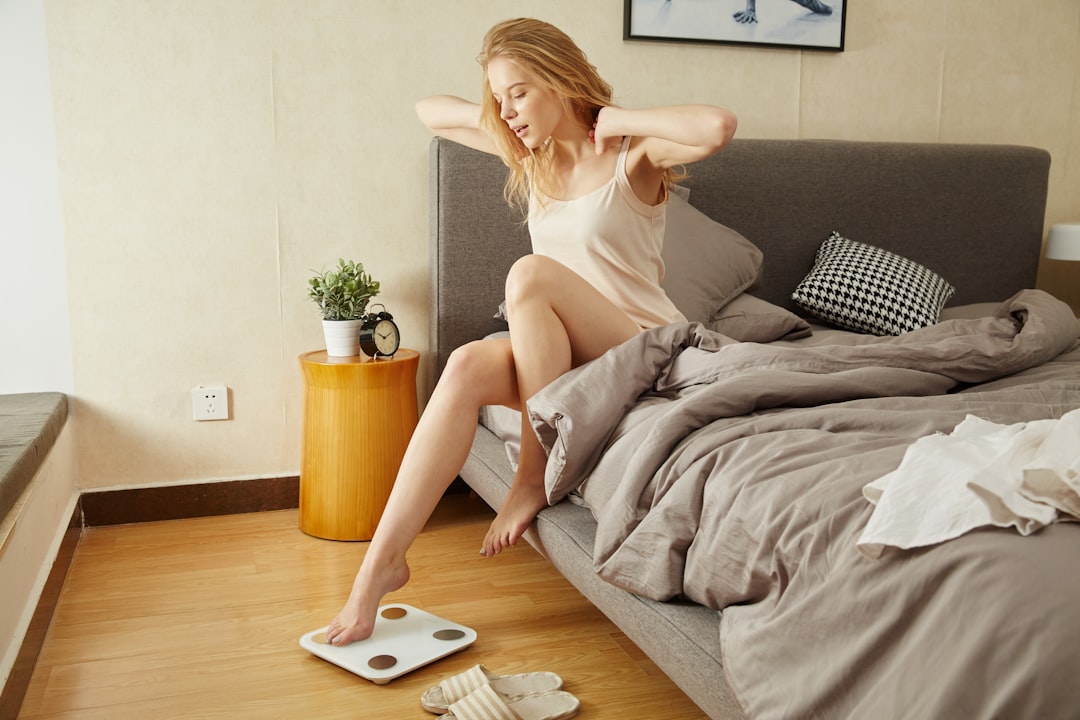
Your body changed. And suddenly, the bedroom feels like a different room entirely.
Maybe you lost weight and expected confidence to just show up automatically. Or maybe you gained weight and now you're doing mental gymnastics about the lighting and angles before anyone even touches you. Either way, nobody warned you that weight change doesn't just shift your silhouette. It rewires how you experience intimacy at a pretty fundamental level.
Let's actually talk about it.
Why Weight Change Affects Your Sex Life More Than You Think
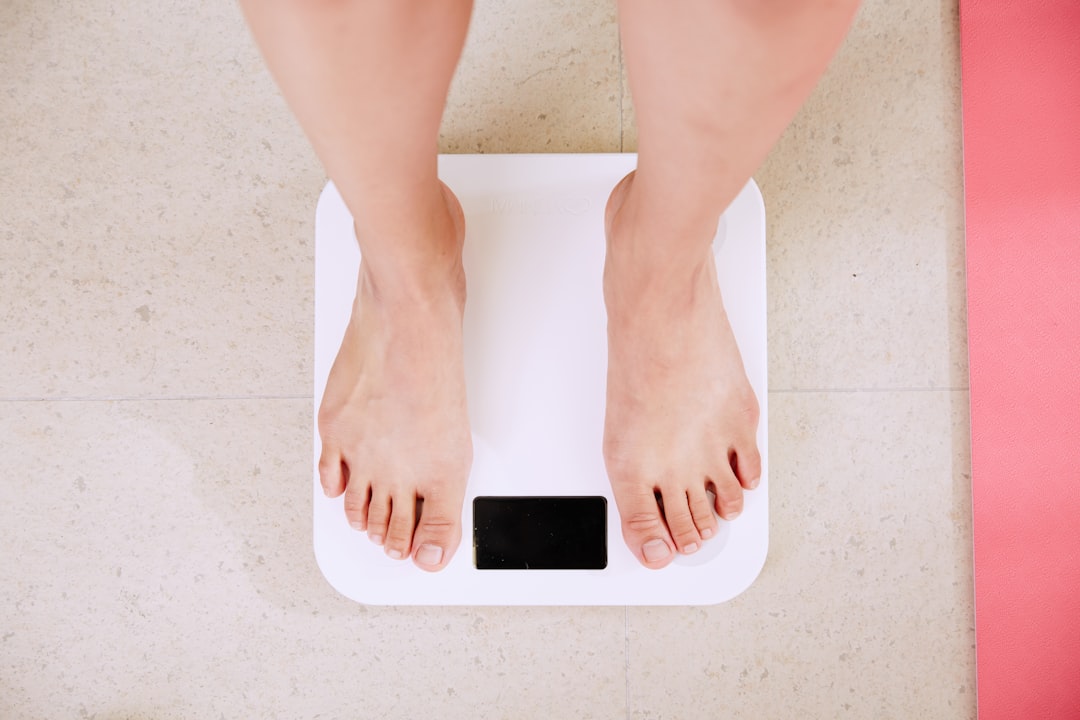
Sex is never purely physical. It lives in your head just as much as it lives in your body, and when your body changes, your mental experience of sex shifts right alongside it. Research published in the Journal of Sex Research (Weaver & Byers, 2006) found that body image satisfaction is one of the strongest predictors of sexual satisfaction. More so than actual body size or weight.
That's worth sitting with.
It means your perception of your body shapes your pleasure more than any number on a scale ever could. Weight gain doesn't automatically kill desire. Weight loss doesn't automatically unlock it. What actually determines how good sex feels is how much peace you've made with the body you're living in right now. And that peace? It takes real, deliberate work.
When Weight Loss Changes the Game (Not Always How You Imagined)
Here's something people rarely say out loud. Losing weight doesn't automatically equal sexual liberation.
For a lot of people, the psychological habits built around an old body don't dissolve with the pounds. You might still instinctively reach for the blanket to cover yourself. Still default to the same two positions because past-you felt safest there. Still flinch at the idea of a partner really looking at you, even when the body they're looking at has changed significantly. Psychologist Nicole Martinez, PsyD, has noted that many people who spent years uncomfortable in their bodies never fully learned what healthy intimacy feels like, and that self-doubt can linger long after the physical change. The emotional patterns are stubborn like that.
The good news? Awareness is the first move.
Once you recognize that your hesitation is a habit, not a fact about your body, you can start gently interrupting it. Try intentionally making eye contact during intimacy. Let a light stay on when you'd usually turn it off. Move slowly into positions you've been avoiding, and notice what happens when you don't give the anxiety the final word. These aren't grand gestures. They're small rebellions that slowly rebuild comfort.
When Weight Gain Enters the Bedroom

Gaining weight, whether from pregnancy, medication, illness, aging, or simply life, can bring a specific kind of tension to sex. The bedroom, which should feel like a space of connection, starts to feel like a performance review.
Some people begin pre-empting discomfort by insisting on darkness, avoiding certain positions, or pulling away from physical touch altogether. And while those impulses make total sense as protective instincts, they create distance. They turn intimacy into something to manage rather than something to enjoy. Over time, that distance compounds.
The reframe that actually helps? Your body isn't a problem to solve during sex. It's the instrument through which pleasure happens.
That shift in perspective isn't about toxic positivity or pretending insecurity doesn't exist. It's about redirecting attention from how you think you look to how you actually feel. Focus lands on sensation, on warmth, on the specific pleasure happening in your body right now. That's where sex actually lives, not in the mirror running commentary in your head.
Communication: The Most Underrated Intimacy Tool

If your body has changed significantly, your partner probably noticed. Pretending they didn't notice and not talking about it creates a strange static between you.
You don't need to have a big, formal conversation about your body image struggles. But a simple, honest moment goes a long way. Something like: "My body feels different lately and I'm still figuring out how I feel about it. I might need us to slow down and try some new things." That's it. That sentence opens a door that benefits both of you. Your partner gets to actually be your partner, instead of guessing why you've been holding back.
For those navigating this without a partner, the conversation is internal but just as important. Check in with yourself before and after sexual experiences. Notice what felt good. Notice what triggered shame. You're gathering data, not delivering a verdict on yourself.
Your Body Has New Erogenous Terrain to Explore
Here's the genuinely exciting part of a body that's changed: new topography.
When your body shifts, so do your erogenous zones, your preferred pressure, your favorite positions, and what feels electric versus what just feels okay. A lot of people skip this discovery phase because they're too busy grieving the old body or rushing to perform. But slowing down and actually exploring the body you have right now? That's where the real pleasure upgrade lives. Trying a clitoral vibrator after weight change, for example, can help you reconnect with your body on your own terms, without the pressure of a partner's gaze.
Solo exploration is not a consolation prize. It's foundational.
Giving yourself permission to discover what your changed body responds to, what angles feel best now, where you're newly sensitive, what rhythm or pressure lands differently, is some of the most valuable sexual education you'll ever have. It also builds the kind of embodied confidence that translates directly into partnered sex. You can't communicate what you want if you haven't figured it out yourself.
Positions, Comfort, and Practical Adjustments

Some positions that felt great before may feel awkward now, and that's just biomechanics, not a failure. Bodies change and what works changes with them.
For example, adding a pillow under the hips can dramatically change the angle of penetration and take pressure off joints, and this works for a wide range of body types and sizes. If you're curious how positioning tools can reshape your experience entirely, this guide on pillow positioning for deeper G-spot access is a genuinely useful read. Lubrication also matters more after certain weight changes, particularly those tied to hormonal shifts like menopause or postpartum recovery. Having a good quality lube on hand removes friction from the equation, both literally and metaphorically.
Weight change can also affect stamina.
If cardiovascular capacity has shifted, positions that require less exertion but deliver just as much connection become more appealing. Side-lying positions, seated positions, and using couples toys to supplement manual or oral stimulation can keep things deeply satisfying without requiring peak athletic performance. Sex doesn't need to be a workout to be great.
Body Image Work Is Sexual Health Work
This is worth saying plainly. Body image and sexual health are not separate conversations.
If you find that shame around your changed body is consistently affecting your desire or your ability to be present during sex, that's meaningful information and it deserves real attention. Working with a therapist who specializes in body image or sexual health isn't dramatic. It's the same logic as seeing a physiotherapist for a knee that isn't working right. Something important isn't working the way you want it to, and getting support is the smart move.
Self-compassion practices, mindful movement, and even journaling about your body's history, all the things it's carried and survived, can shift the internal narrative over time. This isn't about loving every inch of yourself on command. It's about building a relationship with your body based on respect rather than judgment.
And respect, it turns out, is a fantastic foundation for great sex.
Products That Help You Reconnect
If solo exploration is part of your journey back to body confidence, having the right tools makes a real difference. The Lem Clitoral Massager is a beautifully designed, body-safe toy built for intuitive solo play. It's the kind of thing that makes reconnecting with your own pleasure feel less like a task and more like a treat.
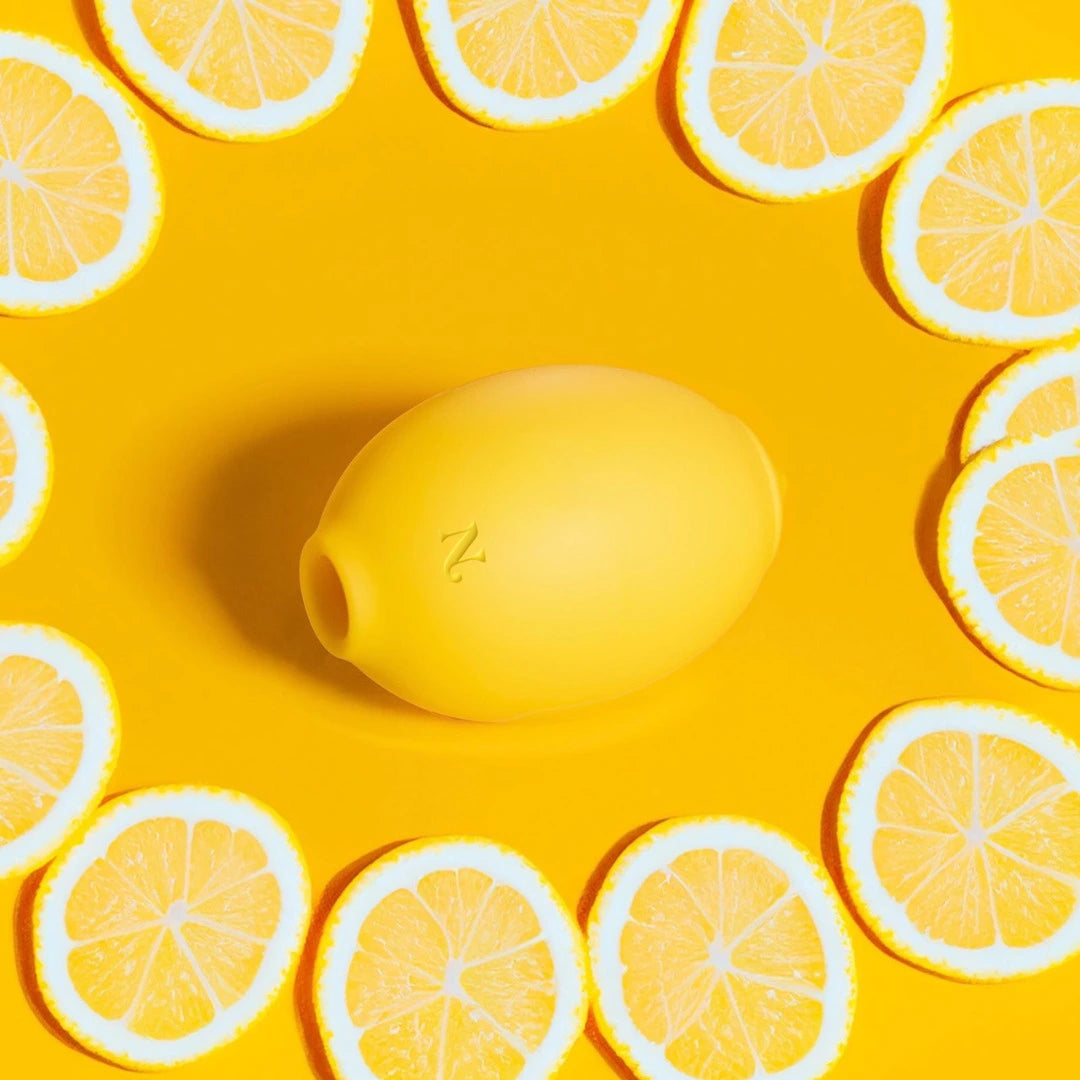
For those who want something with a little more range, the Namii 2 offers both clitoral suction and vibration in a single device. It's a dual-action clitoral toy that adapts to what your body needs in the moment, which is exactly the kind of flexibility that makes post-weight-change exploration feel genuinely exciting rather than pressured.
Want to make your journey even more exciting? I've handpicked some amazing toys and goodies at Hello Nancy that'll add extra sparkle to your intimate moments. (Here's a little secret, use 'dirtytalk' for 10% off!)
Frequently Asked Questions
Can weight gain cause a lower sex drive?
Weight gain can affect libido, but the connection is more complex than just body size. Hormonal shifts, fatigue, and body image concerns that often accompany weight gain are more likely to dampen desire than the physical weight itself. Addressing the underlying factors, including stress, sleep, and self-perception, often helps more than focusing on the number on the scale.
Does losing weight improve sexual performance?
Weight loss can improve sexual function for some people by boosting cardiovascular health, energy levels, and hormone balance. However, the psychological side matters just as much. People who lose weight but carry unresolved body image issues often find that sexual confidence doesn't automatically improve along with physical fitness.
How do I feel confident during sex after gaining weight?
Start by redirecting attention from appearance to sensation. Focus on what feels good in your body rather than how you think you look. Communicating openly with your partner, trying new positions that feel comfortable, and using solo play to explore your body's current responses are all practical ways to rebuild sexual confidence.
What sex positions are best after significant weight change?
Side-lying and seated positions tend to be comfortable for a wide range of body types and require less physical exertion. Adding a pillow under the hips can adjust angles and relieve pressure. The best position is always the one that feels most pleasurable and comfortable for both partners, which may take some fun experimentation to discover.
Is it normal to feel disconnected from your body sexually after weight change?
Very normal. Body image shifts don't happen at the same speed as physical changes, and feeling like a stranger in your own body is a common experience after significant weight change. Solo exploration, mindfulness during sex, and sometimes working with a therapist who specializes in body image can all help rebuild that sense of connection.
How do I talk to my partner about feeling insecure about my body during sex?
Keep it simple and honest. You don't need a long rehearsed speech. Something like "My body feels different lately and I'm still adjusting" opens the conversation without requiring a full emotional debrief. Most partners respond with more understanding than you'd expect, and the openness itself often relieves a lot of the tension.
Can sex toys help with body confidence after weight gain or loss?
Absolutely. Vibrators for women and other intimate toys are brilliant tools for solo exploration, helping you discover what your changed body responds to without any external pressure. Knowing what feels good on your own terms translates directly into more confident, communicative partnered sex.
Does weight change affect lubrication or arousal?
Yes, particularly when weight change is tied to hormonal shifts such as those from pregnancy, postpartum recovery, menopause, or medication. These hormonal changes can affect natural lubrication and arousal patterns. Using a quality lubricant is a simple, practical way to address physical dryness, while the emotional and psychological aspects of arousal may need more intentional attention.
When should I see a therapist about body image and sex?
If body image concerns are consistently causing you to avoid sex, feel significant distress during intimacy, or pull away from connection with a partner, those are meaningful signals worth taking seriously. A therapist who specializes in body image or sexual health can help you work through deeply rooted patterns that self-help strategies alone may not fully address.