


 Add $12.00 to get Free Gift


Let's be real. Most sex ed classes treated lesbian sex like it simply didn't exist. No lessons, no warnings, no actual advice. Just a loud, awkward silence.
That silence has consequences. A lot of people genuinely believe that sex between women carries zero STI risk. Spoiler: it doesn't. And you deserve better than a health system that keeps forgetting you're there.
Why the "Safe by Default" Myth Is Doing Real Damage

Here's something nobody says out loud enough: women who have sex with women (WSW) do contract STIs. Several of them. Regularly. Research from the National Institutes of Health notes that HSV-2 infection occurs in nearly 1 in 10 lesbians, and that oral-genital contact carries a measurable transmission risk even among women with no prior sexual history with men (Marrazzo et al., 2011).
The myth of being "safe by default" isn't just factually wrong. It actively stops people from getting tested, from using barrier methods, and from having honest conversations with healthcare providers. The gap between perceived risk and actual risk is where infections quietly spread.
Sexual stigma compounds this. Studies show that lesbians and bisexual women report significantly lower rates of routine Pap testing and STI screening than heterosexual women. When the healthcare system doesn't see you, it's easy to stop seeing yourself as someone who needs care.
Which STIs Actually Transmit Between Women?
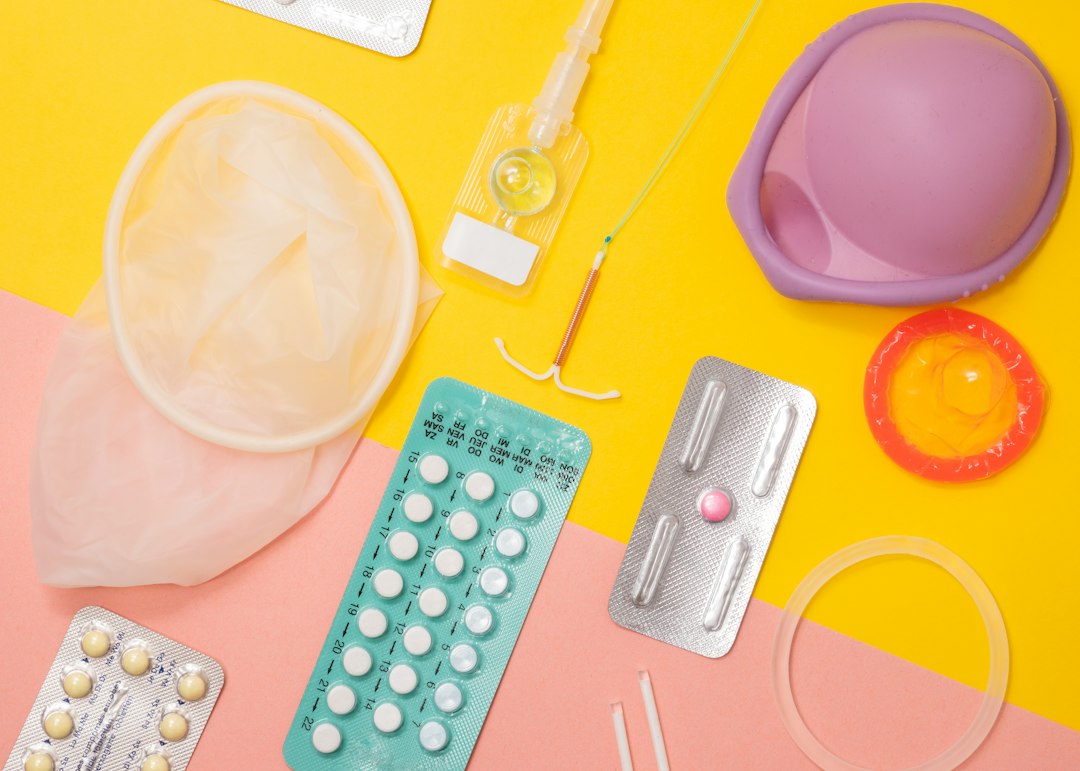
The list is longer than most people expect.
HSV (herpes simplex virus) is one of the most commonly transmitted STIs between women. It spreads through skin-to-skin contact, which means mouth-to-vulva and vulva-to-vulva contact during grinding or scissoring are all real transmission routes. You don't need penetration. You don't need a penis in the picture. Skin contact is enough.
HPV (human papillomavirus) transmits the same way. Shared sex toys, fingering with small cuts or breaks in the skin, and direct genital contact can all pass HPV between partners. This is why regular cervical screenings matter regardless of your sexual orientation. Trichomoniasis, bacterial vaginosis, and even pubic lice can also move between women during sex.
HIV transmission risk in the WSW context is lower but not zero. Transmission can occur through shared needles, blood contact, or certain sex acts involving blood exposure. Bisexual women and women with multiple partners carry a different risk profile altogether. Risk isn't binary.
Barrier Methods: Your Actual Best Friends Here
Dental dams are the most underused tool in lesbian sexual health. Full stop. A dental dam is a thin, flexible sheet of latex (or polyurethane, for latex-allergic folks) placed over the vulva or anus during oral sex. It creates a physical barrier that dramatically reduces the risk of transmitting herpes, HPV, and other infections.
Here's the honest part: only about 4.7% of women who practice cunnilingus report using dental dams consistently, according to a 2023 study in a peer-reviewed public health journal. That number is shockingly low. Partly because dental dams are hard to find. Partly because nobody told us they were for us.
You can make one in seconds from a non-lubricated condom by cutting off the tip and slicing down one side to create a flat sheet. You can also use non-microwaveable cling film in a pinch. Not glamorous, but effective.
For fingering and hand play, gloves are genuinely worth considering. Cuts, hangnails, or skin breaks on hands can be transmission routes for herpes and HPV. Latex or nitrile gloves paired with water-based lube turn this into a non-issue. Plus, they add a surprisingly sleek sensation that many people end up loving.
Shared Toys and Why You Need to Actually Clean Them
Sharing couples toys without cleaning them between uses is one of the most common and most overlooked transmission routes in lesbian sex. Bacteria and viruses can survive on toy surfaces. The transmission risk is real.
The fix is simple but non-negotiable. Non-porous toys made from silicone, glass, or stainless steel can be fully sterilized by boiling or washing with toy-safe cleaner. Porous materials like jelly rubber or certain plastics cannot be fully sterilized and are best used with a condom over them every time. If you're sharing with a partner, put a fresh condom on the toy before switching. Done.
If you love internal stimulation, something like the Kalii glass G-spot dildo is a brilliant choice here. Borosilicate glass is completely non-porous, so you can sterilize it between uses with zero guesswork.

Temperature play is a bonus. Glass toys can be warmed or cooled before use, which adds a whole extra sensory dimension to the experience.
Getting Tested: The Conversation That Changes Everything
Testing is care. That's it. That's the whole reframe you need.
A lot of women who have sex with women skip STI testing because they assume their risk is so low it isn't worth it, or because they've had a healthcare provider who looked at them blankly when they described their sex life. Both experiences are frustratingly common. Neither should stop you from advocating for yourself.
When you book a test, be specific with your provider about the kinds of sex you're having. Standard STI panels don't always include herpes or HPV testing by default. Ask for a full panel. Ask about HPV vaccination if you haven't had it. Ask about PrEP if you have risk factors beyond lesbian sex alone.
Aim to test every three to six months if you have multiple partners, or at minimum once a year if you're in a monogamous relationship. Both you and your partner getting tested before becoming fluid-bonded is one of the most loving and practical things you can do together. It isn't a sign of distrust. It's a sign of respect.
Lube Is Protection, Too
This doesn't get said enough. Micro-tears in vaginal tissue create entry points for infection. Using plenty of high-quality lubricant during any kind of penetrative play or friction-heavy sex reduces those micro-tears significantly. Less tissue trauma means a reduced window for pathogens to enter.
Always choose water-based or silicone-based lube depending on the toy you're using. Water-based works with everything. Silicone-based lasts longer but shouldn't be used with silicone toys, since it can degrade the material. And skip anything with glycerin, parabens, or numbing agents if you're prone to infections. Those ingredients are not your vaginal microbiome's friends.
If you're exploring anal play, lube is even more critical. The rectal tissue doesn't self-lubricate. This is where something like the Anii handcrafted glass plug shines. Its smooth, non-porous surface glides beautifully with lube, and it's a toy you can fully sterilize between uses, making it a hygienic choice for shared play.
Communication Is the Most Underrated Prevention Tool
Asking a partner about their testing history isn't awkward. It's actually one of the hottest things you can do. It says: I care about both of us. It invites honesty. It sets a tone for the kind of relationship or encounter you're building.
You don't need a clinical script for this. A simple "Hey, when did you last get tested?" in a casual moment is genuinely enough. If someone gets defensive or dismissive, that's useful information about how they approach care in general. Pay attention to it.
For couples navigating the broader conversation about pleasure and equity in sex, communication about health naturally fits into a larger dialogue about what both partners want and deserve. Your sexual health is part of your pleasure. They're not separate topics.
Vaccination: The Preventive Step You Can Take Right Now
The HPV vaccine (Gardasil 9) is recommended for everyone up to age 26, and can be given up to age 45 after a conversation with your doctor about personal risk. If you haven't had it, book it. HPV is the most common sexually transmitted infection globally, and a significant chunk of cervical cancers trace back to it. Vaccination is the closest thing we have to a force field.
The hepatitis B vaccine is also worth discussing with your provider. Hep B can spread through sexual contact and blood, and vaccination is highly effective. Two straightforward jabs that close a real door of risk. That's a very good deal.
Bottom Line
You deserve sexual health information that actually includes you. Not as an afterthought. Not buried in a footnote. Front and center, with the same clarity and care given to everyone else.
Using barrier methods, getting tested regularly, cleaning your toys properly, communicating with partners, and taking advantage of available vaccinations: these aren't radical acts. They're baseline self-care. And they're 100% compatible with a joyful, adventurous, fully satisfying sex life.
If you want a deeper look at how to maximize pleasure while staying informed, the vibrators for women collection at Hello Nancy is a great place to explore toys that are designed with your body in mind. Every product is body-safe and built to make intimacy feel exactly as good as it should.
Want to make your journey even more exciting? I've handpicked some amazing toys and goodies at Hello Nancy that'll add extra sparkle to your intimate moments. (Here's a little secret. Use 'dirtytalk' for 10% off!)
Frequently Asked Questions
Can lesbians get STIs from each other?
Yes, absolutely. STIs including herpes, HPV, trichomoniasis, and bacterial vaginosis can all transmit between women through skin-to-skin contact, oral sex, shared toys, or fingering. The risk is real, even without penetrative sex involving a penis.
Do lesbians need to use dental dams during oral sex?
Using a dental dam during cunnilingus or anilingus significantly reduces the risk of transmitting herpes, HPV, and other infections. If you don't have a dental dam, you can cut a non-lubricated condom into a flat sheet. It's one of the simplest ways to lower your risk.
How often should lesbian and bisexual women get STI tested?
If you have multiple partners, testing every three to six months is a solid guideline. For those in monogamous relationships, at least once a year is recommended. Always be specific with your provider about your sexual practices so they can order the right tests.
Is it safe to share sex toys between female partners?
Sharing toys without cleaning them between uses is a genuine STI transmission route. Non-porous toys made from silicone, glass, or stainless steel can be fully sterilized. For porous materials, use a fresh condom on the toy each time it's shared to prevent cross-contamination.
What STI tests should lesbians ask for specifically?
Ask your healthcare provider for a full panel that includes herpes (HSV), HPV, chlamydia, gonorrhea, syphilis, hepatitis B, and HIV. Standard panels don't always include herpes or HPV by default, so it's important to ask explicitly. Be open about your sexual practices so your provider can tailor the screening.
Does the HPV vaccine work for lesbian women?
Yes. The HPV vaccine (Gardasil 9) protects against the strains of HPV most associated with cervical cancer and genital warts. It's recommended up to age 26, and can be discussed with a provider up to age 45. Getting vaccinated is one of the most effective preventive steps available.
Can herpes spread between women during grinding or scissoring?
Yes. Herpes spreads through direct skin-to-skin contact, which means vulva-to-vulva contact during grinding or scissoring is a real transmission route. Using a barrier or avoiding genital contact during an active outbreak significantly reduces the risk of spreading it.
What type of lube is safest for lesbian sex?
Water-based lubricant is the safest all-purpose option since it's compatible with all toy materials and latex barriers. Silicone-based lube lasts longer but should not be used with silicone toys. Avoid lubes containing glycerin, parabens, or numbing agents if you're prone to yeast infections or BV.
Why do many lesbians skip STI testing and how can this be addressed?
Many lesbians skip testing due to the false belief that their risk is negligible, or because healthcare providers haven't asked relevant questions about same-sex practices. Finding an LGBTQ+-affirming provider and being direct about your sexual history is the most effective way to get appropriate, non-judgmental care.


