Add $12.00 to get Free Gift


Somebody should have told you that the hardest part of new parenthood sometimes isn't the sleepless nights. Sometimes it's the unbearable silence inside your own head.
Postpartum depression is one of the most common. And most misunderstood. Complications after childbirth. According to data reviewed across multiple sources, 1 in 8 people who give birth in the U.S. report symptoms of postpartum depression, and globally, an estimated 17% of new parents are affected. And yet, nearly 50% of those experiencing it never receive a formal diagnosis from a healthcare professional.
That gap? That's what we need to talk about.
What Is Postpartum Depression, Really?
Postpartum depression (PPD) is depression that begins after giving birth. It's not weakness. It's not bad parenting. It's a real, clinical condition driven by a dramatic hormonal shift, sleep deprivation, identity upheaval, and often, very little external support.
Here's what makes it tricky to spot: it doesn't always look like crying in a corner. It can look like numbness. Or rage. Or a persistent feeling that you're watching your own life through a foggy window, unable to connect with your baby, your partner, or yourself.
PPD is also not the "baby blues." The baby blues are a very common, short-lived emotional dip in the first week or two after birth. PPD is different. When sadness, anxiety, or irritability persist beyond two weeks, or when they interfere with daily functioning, that's when the conversation shifts.
Recognizing the Signs of Postpartum Depression
The signs of postpartum depression don't always announce themselves loudly. Sometimes they creep in softly, passing themselves off as "just exhaustion" or "just adjustment." That's exactly why so many people miss them.
Some of the most common signs include persistent sadness or emptiness that doesn't lift, loss of interest in things you used to enjoy, severe anxiety or panic attacks, difficulty bonding with your baby, changes in appetite and sleep beyond what newborn care already demands, overwhelming guilt or feelings of worthlessness, and intrusive, frightening thoughts. That last one is especially important to name: intrusive thoughts are a recognized PPD symptom, not proof that you're a bad parent.
Physical symptoms can also appear. Unexplained fatigue beyond "I'm tired because I have a newborn," headaches, and a foggy inability to concentrate. These are your body's way of raising a flag.
And here's the thing many people don't realize: postpartum depression doesn't only affect mothers. Partners, including non-birthing parents, can experience PPD too. Paternal postpartum depression is real, documented, and significantly underreported.
Why PPD Happens: The Biology Behind It
After birth, estrogen and progesterone levels drop sharply. And fast.
This hormonal freefall is one of the key biological triggers for PPD. Add in disrupted sleep, a dramatically altered sense of self and body, and the social pressure to feel only joy, and you have a perfect storm. Research also shows that prior mental health history is a significant risk factor. If you've dealt with depression or anxiety before, your risk of PPD increases meaningfully.
Social and structural factors compound this. People from marginalized racial and ethnic backgrounds often report higher rates of depressive symptoms, but are statistically less likely to be screened or treated. PPD isn't just a personal health issue. It's also a healthcare equity issue.
How Long Does Postpartum Depression Last?
This one matters. Postpartum depression often lasts three to six months without treatment, but that window can stretch considerably longer depending on access to care, support systems, and individual biology.
That's not meant to scare you. It's meant to underscore the urgency of getting support early. Untreated PPD doesn't simply "wait itself out." It can deepen, and its effects can ripple into the parent-child bond, into relationships, into every corner of daily life. Early intervention genuinely changes outcomes.
Treatment Options That Actually Work
Treatment for postpartum depression is effective. That sentence deserves to stand on its own.
The most well-supported treatment approaches include psychotherapy (particularly Cognitive Behavioral Therapy, or CBT), antidepressant medications, and in many cases, a combination of both. Providers assess treatment based on symptom severity, breastfeeding status, personal preferences, and medical history, so the plan looks different for each person.
In 2023, the U.S. Food and Drug Administration approved Zurzuvae (zuranolone), a medication specifically designed to treat postpartum depression. This was a significant development because it acts faster than traditional antidepressants, with some patients seeing improvement within days rather than weeks. It's a big deal for people who've been suffering and need relief urgently.
Beyond clinical treatment, lifestyle support plays a meaningful complementary role. Regular movement, even short walks, has a documented mood benefit. Stress management techniques, structured rest, and emotional support from a partner, friends, or community all contribute. If you're navigating anxiety that seeps into your intimate life, know that this is a recognized PPD symptom too, and it's worth discussing with your provider.
Support groups, both in-person and online, can offer something therapy alone sometimes doesn't: the relief of not being the only one.
Reclaiming Your Body and Your Sense of Self
Postpartum depression has a way of making you feel like a stranger in your own body. Like your joy has been confiscated and no one told you where to pick it up.
Recovery isn't a single dramatic turning point. It's a series of small reclamations. Getting one decent hour of sleep. Eating something warm. Asking for help without apologizing for it. Reconnecting to your own wants and needs, not just your baby's, is not selfish. It is absolutely necessary for sustainable recovery.
Body image struggles, loss of libido, and a sense of disconnection from sensuality are incredibly common during and after PPD. If you're finding your way back to your own body and pleasure after a period of depletion, be patient with yourself. Reading about embracing sensuality on your own terms can be a gentle starting point. There's no timeline for this. You get to move at your pace.
Reconnecting with touch without performance pressure is also something many postpartum parents find genuinely helpful as they begin to feel more like themselves again.
When to Reach Out for Help
If symptoms have lasted more than two weeks, reach out to a healthcare provider. Today. Not next week.
If you're experiencing thoughts of harming yourself or your baby, that is a mental health emergency and deserves immediate support. You can contact the Postpartum Support International helpline at 1-800-944-4773, or text "HELLO" to 741741 for the Crisis Text Line. These aren't dramatic steps. They're smart ones.
And if you're the partner, friend, or family member reading this because you're worried about someone else, that instinct is worth trusting. Gentle, non-judgmental encouragement to seek help can make a real difference.
Intimacy, Pleasure & Recovery After PPD
Here's an honest conversation that rarely happens in postpartum care: your pleasure matters during recovery, too.
For many people navigating PPD, intimacy, desire, and even solo pleasure feel miles away. That's completely valid. But as you recover and begin reconnecting with your body, know that your sexuality is part of your whole self, and it deserves care and attention. Exploring vibrators for women that prioritize gentle, pressure-free stimulation can be one small, self-directed act of care during the reclamation process. And couples toys can offer a low-pressure, playful way to reconnect with a partner when words feel harder than touch.
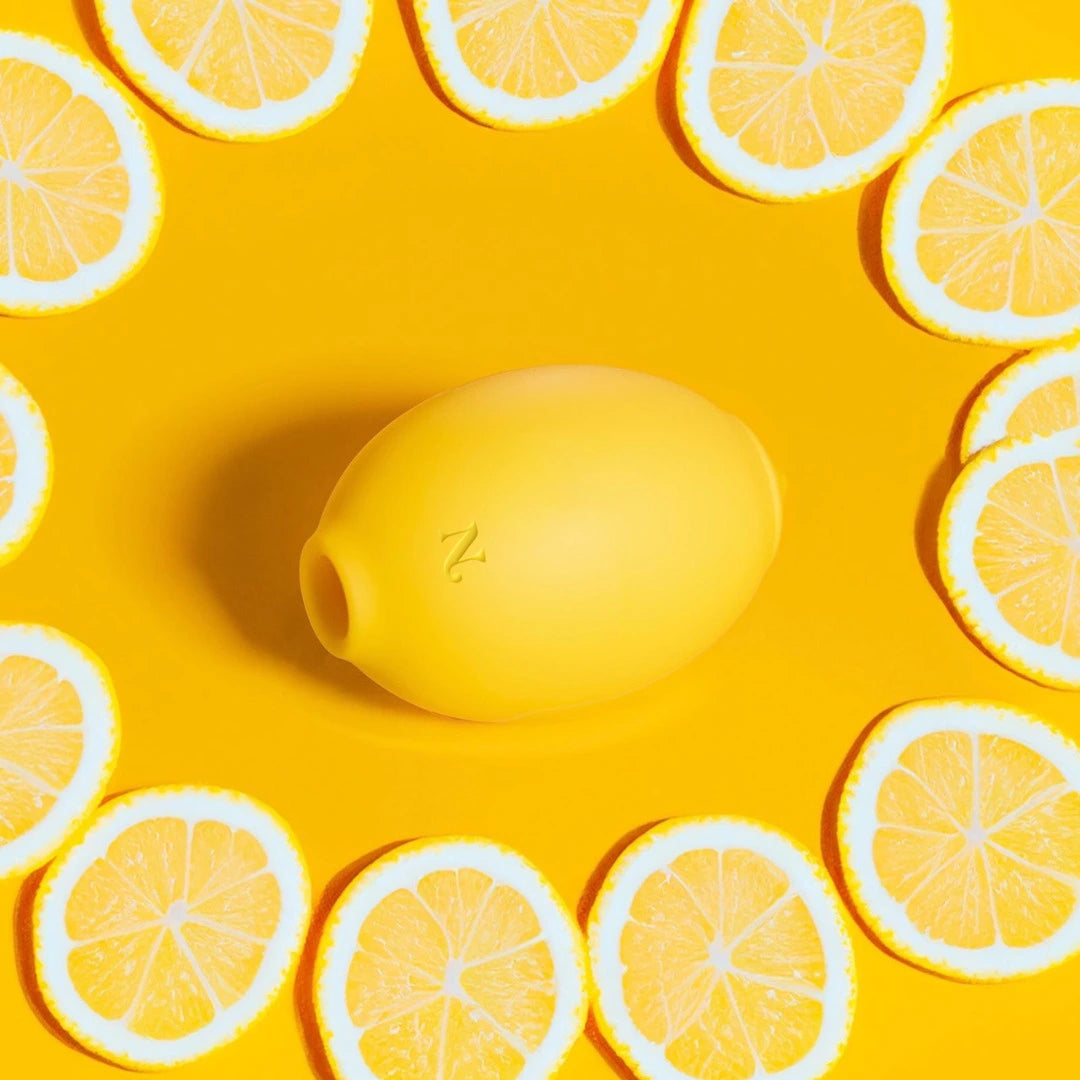
Something like the Lem Clitoral Massager, a beautifully designed lemon-shaped toy from Hello Nancy, is a gentle, beginner-friendly option for those returning to solo pleasure without pressure or performance. It's a tiny act of reclaiming yourself. And those tiny acts add up.
Want to make your journey even more exciting? I've handpicked some amazing toys and goodies at Hello Nancy that'll add extra sparkle to your intimate moments. (Here's a little secret. Use 'dirtytalk' for 10% off!)
Frequently Asked Questions
How do I know if I have postpartum depression or just the baby blues?
The baby blues typically resolve within one to two weeks after birth. Postpartum depression lasts longer and is more intense. If symptoms like sadness, anxiety, irritability, or difficulty bonding persist beyond two weeks or interfere with daily functioning, it's time to speak with a healthcare provider.
Can postpartum depression affect fathers or non-birthing parents?
Yes, absolutely. Paternal postpartum depression is a real and documented condition that affects non-birthing parents too. It often goes unrecognized because it's less widely discussed. Symptoms can include irritability, withdrawal, increased anxiety, and difficulty connecting with the baby.
How long does postpartum depression typically last?
Without treatment, postpartum depression commonly lasts three to six months, though it can persist longer. With appropriate treatment, including therapy, medication, or both, most people see significant improvement well within that window.
What treatments are available for postpartum depression?
The most effective treatments are Cognitive Behavioral Therapy (CBT), antidepressant medications, or a combination of both. In 2023, the FDA also approved Zurzuvae (zuranolone), a medication specifically developed for PPD that can work faster than traditional antidepressants. Lifestyle support like exercise, sleep, and community support also plays a complementary role.
Is it safe to take antidepressants for postpartum depression while breastfeeding?
Some antidepressants are considered compatible with breastfeeding, but this depends heavily on the specific medication. Your provider will factor in your breastfeeding status when recommending a treatment plan. Always have an honest conversation with your doctor or midwife about your priorities so you can make an informed decision together.
What are intrusive thoughts in postpartum depression?
Intrusive thoughts are unwanted, distressing mental images or fears, often involving harm coming to the baby. They are a recognized symptom of PPD and postpartum anxiety and are not a reflection of your character or intentions. They feel terrifying precisely because you care. Tell your provider. You are not alone, and you are not dangerous.
Can postpartum depression affect your sex drive and intimacy?
Yes, and very commonly. PPD can cause a significant drop in libido, physical sensitivity, and emotional desire for closeness. Hormonal shifts, exhaustion, body image changes, and the emotional weight of depression all contribute. As recovery progresses, intimacy often naturally returns, and gentle reconnection with your own body can be part of that healing.
When should I call a doctor about postpartum depression?
Call a healthcare provider if you've been experiencing symptoms for more than two weeks, if symptoms are worsening, or if you're having thoughts of harming yourself or your baby. The earlier you reach out, the more effective treatment tends to be. There is no threshold you need to hit to "deserve" help. If something feels wrong, that's enough.