Add $12.00 to get Free Gift



Somewhere along the way, touch got tangled up with expectation. And honestly? That's where most of us start struggling.
Sensate focus is a structured, mindfulness-based touch practice originally developed by sex researchers William Masters and Virginia Johnson in the 1960s to treat sexual dysfunction. But here's why it matters for you right now: it's not just a clinical technique. It's basically a permission slip to stop performing and start feeling.
What Sensate Focus Actually Is (And Isn't)
Let's get one thing straight. Sensate focus is not foreplay with extra steps.
It's a series of structured touch exercises where the entire goal is sensation awareness. Not arousal. Not orgasm. Not pleasing your partner in the way you think they want to be pleased. Weiner and Avery-Clark (2014) describe it as a method that helps couples "gradually habituate" to touch without the weight of sexual expectation sitting on top of every single moment. That shift. it changes everything.
The practice deliberately removes genital touch in its early stages. That might sound counterintuitive, even frustrating. But the point is to rewire your brain's relationship with physical contact. You're essentially learning to be in your body again, instead of in your head, calculating outcomes and monitoring your own performance like you're running a software diagnostic on yourself.
Why We Lose Touch With Touch

Performance anxiety in intimate moments is incredibly common. And yet most of us carry it alone.
The brain under pressure is not the brain that experiences pleasure. When we're anxious, our nervous system activates a stress response. Blood flow shifts, presence collapses, and suddenly we're mentally drafting an exit strategy instead of actually being with another person. It's physiological. It's not a character flaw. And sensate focus works precisely because it addresses the nervous system first, the behavior second.
Society also plays a role here. We're taught from early on that sex is goal-oriented. There's a beginning, a middle, and an end. Deviation from that script feels like failure. So we perform. We monitor. We disconnect from actual sensation and replace it with an anxious internal broadcast of "am I doing this right?" No wonder so many people quietly struggle with anxiety during sex.
That's the loop sensate focus is designed to break.
How Sensate Focus Works in Practice

Think of it as a slow, deliberate curriculum for your senses.
The practice typically moves through phases. In the earliest stage, partners take turns touching non-genital areas of each other's bodies. The person touching focuses purely on what they're noticing. Texture, temperature, pressure, the difference between how a shoulder feels versus a wrist. The person being touched focuses on what they feel, not on whether their partner is enjoying it. That separation of roles is the whole magic of it. You're allowed to just receive.
Later phases gradually reintroduce more intimate touch, only after both partners feel genuinely comfortable in the earlier ones. There's no rushing the timeline. The process itself is the point.
This works beautifully whether you're practicing with a partner or exploring solo. The solo version, sometimes called self-directed sensate focus, applies the same mindful attention to your own body. It's one of the most grounding, body-reconnecting practices you can do. Especially if shame or disconnection has been part of your story. If that resonates, exploring your own relationship with masturbation guilt and body shame can be a powerful companion to this work.
The Rule That Makes It Work: No Pressure, No Goals
Here's the rule that most people want to break immediately: no sexual outcomes allowed.
Sensate focus asks you to agree. explicitly and genuinely. that sexual activity is off the table during the exercise. This sounds like deprivation. It's actually liberation. When you remove the destination, you stop rushing toward it. And that's when you start noticing things you've been missing. The warmth of a palm. The weight of a hand. The almost imperceptible shift in someone's breathing when they relax into touch.
For couples doing this together, that agreement also removes the unspoken negotiation that can make intimacy feel like a minefield. Neither of you is building toward anything. You're just here. Present, curious, and for once, not performing.
Who Sensate Focus Is For
Honestly? Most people.
Sensate focus is particularly useful for people experiencing sexual performance anxiety, difficulty with arousal, pain during sex, low libido, or anyone recovering from trauma or a medical experience that changed their relationship with their body. It's also genuinely helpful for people who feel perfectly fine in the bedroom but want to deepen their sensory awareness and connection. You don't need to be broken to benefit from slowing down.
It's used widely by sex therapists, and you can practice a version of it without ever seeing a therapist at all. That said, if you're working through something significant. past trauma, chronic pain, relationship conflict. a certified sex therapist can guide the progression in ways a self-guided practice can't. The intrusive thoughts that show up during sex are often exactly what this kind of structured practice helps quiet over time.
Adding Touch Tools Into the Mix
Once you've built comfort with mindful touch, some people find that clitoral vibrators or other sensory tools add a new dimension to solo sensate exploration. The key is intention. You're not using them to chase an outcome. You're using them to notice. What sensations arise? Where does your attention go? What feels surprising?
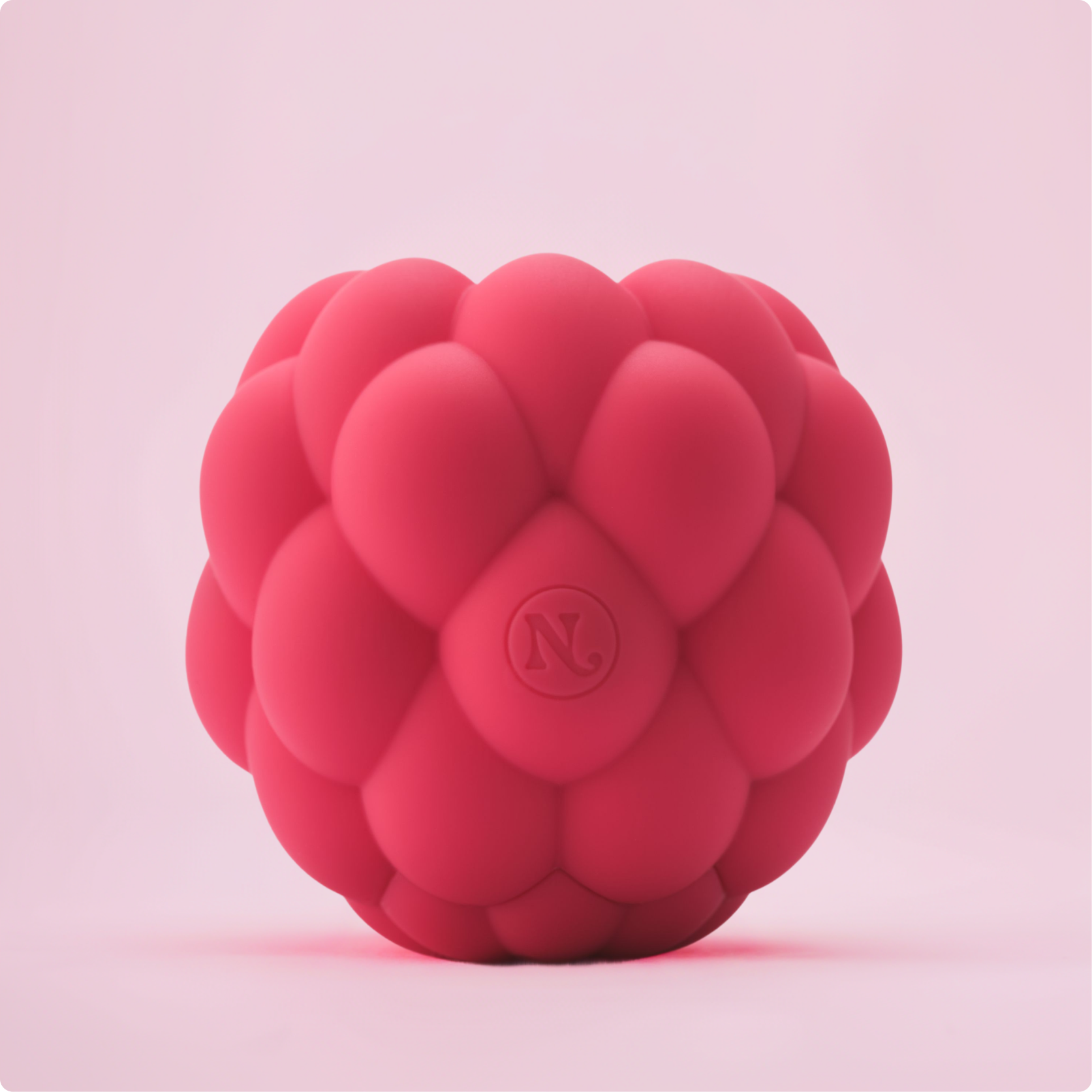
The Berri Edging Clitoral Massager is genuinely interesting in this context because its tapping pattern creates a different quality of sensation than standard vibration. For someone relearning how to pay attention to their body without goal-pressure, that novelty can be a useful anchor for presence.
If you're exploring sensate focus as a couple, pairing the practice with couples toys during later phases can be a natural extension. Keep the same principles in place: curiosity over performance, sensation over outcome.
Starting Your Own Sensate Focus Practice
You don't need a therapist's referral. You need about twenty minutes, a willingness to be awkward, and the decision to actually try.
Set up a space that feels comfortable. Phones away. No distractions. If you're practicing with a partner, agree on which of you will give touch first and which will receive. Set a timer if that helps. The person touching moves slowly and with genuine curiosity. The person receiving simply notices. No feedback required during the exercise. you can talk after. Switch roles when the time feels right.
For solo practice: lie down comfortably. Start with your hands, arms, and face. Move slowly. Notice temperature, texture, and pressure. If your mind wanders to your to-do list or to self-criticism, just notice that and come back to your hand on your skin. That's the whole practice. Simple, yes. Easy? Not always. But over time, something shifts. Touch starts feeling like information again, rather than obligation.
Expanding your sense of what pleasure can look like is part of this too. Embracing sensuality at every size and in every phase of life is the quiet radical act underneath sensate focus. Your body deserves to be felt, not just used.
Bottom Line
Sensate focus gives touch back its meaning.
We spend so much time rushing through physical intimacy toward some imagined finish line that we miss the entire field we're running through. This practice asks you to stop. Look around. Feel the grass under your feet. It sounds almost embarrassingly simple for something that can genuinely change your relationship with your own body and with the people you're intimate with.
Start small. Stay curious. Let sensation be enough. And if you find yourself itching to rush toward an outcome, that's not failure. That's just your nervous system doing what it was trained to do. Gently redirect it. Again and again, until presence becomes the default. You deserve that kind of intimacy. The slow, attentive, no-performance-required kind.
Want to make your journey even more exciting? I've handpicked some amazing toys and goodies at Hello Nancy that'll add extra sparkle to your intimate moments. (Here's a little secret. use 'dirtytalk' for 10% off!)
Frequently Asked Questions
What is sensate focus and how does it work?
Sensate focus is a structured touch-based practice developed by Masters and Johnson in the 1960s to treat sexual dysfunction. It works by removing goal-oriented pressure from intimacy and replacing it with mindful attention to physical sensation, gradually reintroducing touch in phases. The goal is to shift awareness from performance to presence.
Can you do sensate focus alone without a partner?
Yes. Solo sensate focus is a completely valid and effective version of the practice. You apply the same mindful attention to your own body, moving slowly and noticing texture, temperature, and pressure without any goal beyond awareness. It's especially useful for people working on body image, shame, or reconnecting with physical sensation after trauma or a period of disconnection.
Does sensate focus help with performance anxiety?
It's one of the most effective tools for it. By explicitly removing sexual outcomes from the equation, sensate focus reduces the pressure that triggers anxiety in the first place. Over time, the nervous system learns that touch doesn't have to lead anywhere specific, which allows genuine relaxation and presence to return.
How long does sensate focus therapy take to show results?
Results vary widely depending on the person and what they're working through. Some people notice a shift in presence and comfort after just a few sessions. For deeper issues like trauma recovery or long-standing performance anxiety, working with a therapist over several weeks or months produces the most lasting change.
What is the difference between sensate focus and foreplay?
Foreplay is typically goal-oriented touch that's building toward sexual activity. Sensate focus is explicitly not. The practice asks you to remove any intention of arousal or orgasm and focus purely on sensory awareness. That distinction is exactly what makes it effective for rewiring anxious or performance-focused patterns around intimacy.
Is sensate focus only for couples with sexual problems?
Not at all. Sensate focus benefits anyone who wants to deepen their body awareness, slow down their intimate life, or simply experience touch more fully. You don't need to have a diagnosable issue to find value in practicing mindful, non-goal-oriented touch.
Can sensate focus be practiced with sex toys?
Yes, particularly in later phases of the practice or during solo exploration. The key is maintaining the mindful, non-outcome-driven intention. Using a toy to curiously explore sensation rather than to chase orgasm fits the spirit of sensate focus beautifully. Products designed for varied sensory input, like tapping or pulsing toys, can be especially interesting for this purpose.
Who developed sensate focus and when?
Sensate focus was developed by sex researchers William Masters and Virginia Johnson in the 1960s as part of their broader work on human sexual response and dysfunction. Their approach was groundbreaking because it treated sexual difficulty as a behavioral and relational issue, not purely a psychological or medical one.
How do I start sensate focus at home without a therapist?
Start with a quiet, comfortable space and no distractions. If practicing with a partner, agree to no sexual activity during the session and take turns giving and receiving non-genital touch for around 15 to 20 minutes. Focus entirely on what you feel, not on what your partner might be experiencing. Solo practice works the same way. slow, curious, non-judgemental touch on your own body with zero agenda attached to the outcome.