Add $12.00 to get Free Gift


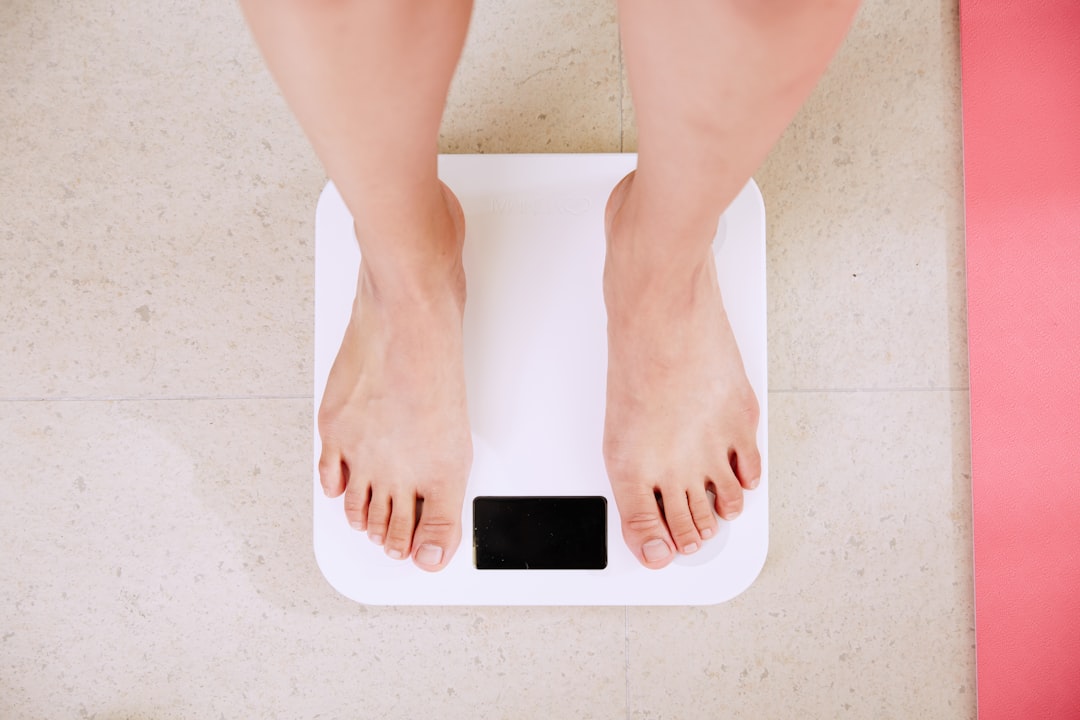
Somebody's body changed, and now you're sitting with feelings you didn't ask for. That's not a character flaw. It's just being human.
Attempting to talk about attraction and a partner's weight change might be the most walked-around topic in modern relationships. People tip-toe around it, stuff it down, or occasionally blurt out something devastating. There's almost no middle ground in the conversation. That's exactly why so many couples end up quietly disconnected instead of genuinely close.
Let's actually go there.
Why Attraction Shifts When Bodies Change

Attraction is not a light switch. It's more like a living organism that responds to context, emotional safety, novelty, stress, and yes, physical appearance. When a partner's body changes significantly, whether through weight gain, weight loss, illness, pregnancy, or just the natural drift of time, the visual cue shifts. That shift can trigger confusion, guilt, and something that honestly feels a lot like grief.
Guilt is the sneaky one.
We've been culturally trained to believe that a "good" partner never notices physical changes, or if they do, they keep quiet forever. But suppressed attraction concerns don't disappear. They leak out in reduced intimacy, emotional distance, or resentment that neither person can fully explain. Research published in Frontiers in Global Women's Health (Markey et al., 2022) found that perceived changes in a partner's weight were associated with shifts in relationship satisfaction, body image, and how connected couples felt overall. The feelings are real. Ignoring them doesn't make them less so.
The Guilt Spiral (And Why It's a Waste of Your Energy)
You notice your partner has gained weight. You feel slightly less physically drawn in. Then you immediately feel terrible about noticing. Then you feel guilty for feeling guilty. Congratulations, you've entered the guilt spiral, and it will eat your relationship alive if you let it.
Physical attraction exists. It's real.
Human beings are wired for visual response. That's not shallow, it's biology. The issue isn't that attraction fluctuates. The issue is what you do with that fluctuation. Shame and silence are not the answer. Neither is cruelty. What works, almost every time, is honest curiosity: about your own feelings, about what's changed in the relationship beyond the physical, and about what you actually need.
There is a huge difference between noticing a shift in attraction and deciding your partner is no longer worthy of your desire. One is an honest emotional data point. The other is a story you're adding on top.
What's Actually Driving the Distance?
Here's something people rarely consider: the attraction shift might not even be primarily about the body. Weight change in a relationship often travels with other changes, stress, different sleep schedules, less active sex lives, emotional disconnection, shifting priorities. By the time you notice you feel less drawn to your partner physically, the emotional drift may have already been happening quietly for months.
So it's worth asking the harder question.
Is the physical change the cause of reduced attraction, or is it just the most visible symptom of a relationship that's quietly drifted? Because if it's the latter, no amount of weight loss or gain on either side will fix the real problem. The fix lives in the space between you two, in how often you actually touch, laugh, talk about things that matter, and prioritize each other as lovers instead of just roommates.
How to Talk About It Without Burning Everything Down

If you've decided the conversation needs to happen, approach it as someone who loves your partner and wants to get closer, not as someone with a complaint to file. The framing matters enormously.
Start from your own experience, not their body.
Saying "I've noticed we've been less physically close lately and I miss you" opens a door. Saying "you've gained weight and I'm not as attracted to you" slams one shut. The first invites your partner into a conversation about the relationship. The second makes them feel evaluated, which leads to defensiveness, shame, and withdrawal, the exact opposite of what you need. If your partner brings up their own weight change first, that's an invitation to be honest and kind simultaneously. You can validate their feelings, check in about their wellbeing, and share your own experience without making their body the problem to be solved.
When the Change Is About Health, Not Just Appearance
Sometimes the concern isn't really about attraction at all. It's about watching someone you love change in ways that feel worrying. Significant weight gain or loss can be a signal of depression, anxiety, thyroid issues, or other health shifts. In those cases, coming from a place of genuine care, "I've noticed you seem tired and different lately, are you doing okay?" is both more loving and more useful than any comment about appearance.
Your partner's health is worth a careful, loving conversation. Their body is not up for critique.
Rebuilding Attraction Without Making It Weird
Attraction in long-term relationships almost never stays static. It deepens, fades, shifts, and can absolutely be rekindled. But it requires both people to actively invest in the relationship as a romantic and physical space, not just a functional partnership.
And that means actually doing things together that create spark.
Shared physical activities, cooking new things, taking a weekend trip somewhere neither of you has been, trying something genuinely new in the bedroom, these aren't clichés. They're real mechanisms for rebuilding the novelty that attraction feeds on. Research consistently shows that couples who introduce new experiences together report higher relationship satisfaction over time. If feeling insecure during sex has crept in for either of you alongside the physical changes, naming that vulnerability out loud is one of the fastest ways to close the distance.
Intimacy thrives on honesty. It dies in silence.
Consider bringing couples toys into your shared space. It's not about fixing a problem, it's about signaling that this relationship is still a place where pleasure and play are valued. That signal alone can shift the dynamic in surprisingly meaningful ways. Something like the Pixie remote-controlled panty vibrator is a playful, low-pressure way to bring novelty into your intimate life without a complicated conversation about it.

The goal isn't performance. The goal is reconnection.
When You're the One Whose Body Has Changed
Maybe you're reading this from the other side. Your body has changed and you're wondering whether your partner still finds you attractive. Whether they're just being polite. Whether the slight dip in physical intimacy is confirmation of something you've been dreading.
First: you are allowed to ask.
Directly and without apology. "I've been in my head about my body lately. Do you still feel drawn to me?" is a brave and genuinely useful question. Most partners, if they're decent humans, will want to reassure you. And if the conversation reveals something more complicated, you'd rather know now so you can deal with it together than live indefinitely in anxious uncertainty. Your body changing doesn't make you less deserving of desire, tenderness, or a partner who sees you fully. If your own confidence has taken a hit and you've noticed you're pulling back from intimacy, exploring how to orgasm during sex with a renewed focus on your own pleasure can be a surprisingly powerful act of self-reclamation.
The Bigger Truth About Long-Term Attraction

Here's what nobody puts on a motivational poster but probably should: the couples who stay genuinely attracted to each other for decades are not the ones with the most symmetrical faces or the most consistent waistlines. They're the ones who kept choosing each other consciously. Who stayed curious about each other. Who made intimacy a priority even when life made it inconvenient.
Bodies change. They always will.
Yours will. Your partner's will. The question was never going to be "how do we keep our bodies the same forever." The real question is: are you both willing to keep reaching toward each other through all of it? Because that willingness, that active, chosen reaching, is what attraction is actually built on in the long run. Physical chemistry can spark things, but emotional safety, play, and genuine curiosity about each other are what keep the fire actually burning. Investing in your intimate life, exploring vibrators for women that suit your current desires, trying things that feel exciting right now, is part of that active choosing. So is simply asking your partner how they're feeling and actually listening to the answer.
The most attractive thing you can do, honestly, is show up as someone who's still interested.
Want to make your journey even more exciting? I've handpicked some amazing toys and goodies at Hello Nancy that'll add extra sparkle to your intimate moments. (Here's a little secret, use 'dirtytalk' for 10% off!)
Frequently Asked Questions
Is it normal to feel less attracted to your partner after they gain weight?
Yes, it's a common and very human experience. Attraction is influenced by many factors, and physical changes can temporarily shift it. What matters most is how you navigate those feelings with honesty and care rather than shame or silence.
How do I talk to my partner about weight gain without hurting their feelings?
Frame the conversation around your emotional experience and the relationship, not their body. Saying "I miss feeling physically close to you" opens a gentler door than any comment about appearance. Approach it as someone who wants connection, not someone lodging a complaint.
Can attraction come back after a partner gains or loses weight?
Absolutely. Attraction in long-term relationships is not fixed. It responds to emotional closeness, shared experiences, novelty, and the feeling of being genuinely seen. Couples who actively invest in their intimate connection often find attraction rebuilds naturally over time.
What if my partner's weight change is related to a health issue?
Lead with care and curiosity rather than concern about appearance. Ask how they're feeling, whether their energy levels have changed, and whether they've spoken to a doctor. Significant unexpected weight change can signal underlying health conditions worth addressing.
How do I feel more confident in my relationship after my own body has changed?
Start by reconnecting with your own pleasure and body on your own terms. Open an honest conversation with your partner about how you've been feeling. Vulnerability in this space usually brings partners closer, not further apart.
Does weight change always affect attraction in long-term relationships?
Not always, and it varies widely by person, relationship history, and emotional closeness. Research by Markey et al. (2022) found that relationship satisfaction and body image are intertwined, but many couples navigate body changes without significant attraction loss when emotional intimacy remains strong.
Should I bring up my partner's weight change if they haven't mentioned it?
Only if it's genuinely affecting your relationship or your concern is rooted in their health. Unsolicited comments about a partner's body, even well-intentioned ones, can cause lasting damage to their self-image and your trust. Check your motivation honestly before speaking.
How can couples rebuild intimacy when attraction has faded?
Novelty is your best tool. Try new shared activities, be more intentional about physical affection outside of sex, and introduce playful elements into your intimate life. Honest conversations about what each of you desires right now can also reignite connection faster than you'd expect.