Add $12.00 to get Free Gift


Something nobody warns you about when you start exploring sex toys: the material you're putting against your most sensitive skin actually matters. A lot.
The sex toy industry is largely unregulated. That means a toy sold in a pretty box with a cute name can be made from materials that off-gas, leach chemicals, or harbor bacteria no matter how many times you wash them. It's a little alarming once you clock it.
Medical-grade silicone changes that equation entirely. It's the gold standard for a reason, and once you understand why, you'll never look at a jelly rubber toy the same way again.
What Actually Makes Silicone "Medical-Grade"?

Not all silicone is created equal. The word "silicone" gets thrown around loosely in product marketing, and some toys labeled "silicone" are actually silicone blends that include TPE, rubber fillers, or other additives that undermine everything good about pure silicone.
True medical-grade silicone meets the standards used in surgical implants and medical devices. It's non-porous, hypoallergenic, free from phthalates and BPA, and completely body-safe. The "medical-grade" classification isn't just a fancy label. It's a specification.
Porosity is the key word here. Porous materials like PVC, jelly rubber, and many TPE blends have microscopic holes that trap bacteria, bodily fluids, and lubricant residue even after washing. Medical-grade silicone has no pores. That means bacteria and pathogens can't hide inside the material, and a proper wash actually cleans the toy rather than just cleaning the surface while bacteria breed underneath.
The Phthalate Problem (And Why You Should Care)
A study published in Science of the Total Environment found that sex toys are a genuinely overlooked source of microplastics and phthalates, both of which have documented toxic effects on the human body (ResearchGate, 2023). Phthalates are chemical plasticizers used to make cheap plastic soft and flexible. They're also endocrine disruptors.
That's a big deal.
Endocrine disruptors interfere with your hormonal system. Given that sex toys make direct, prolonged contact with some of the most absorbent mucous membranes in the body, the potential for chemical absorption is genuinely higher than with, say, touching a plastic bag. Medical-grade silicone contains zero phthalates by definition. You're not negotiating with your hormone health every time you use your toy.
It's Easier to Clean (Way Easier)
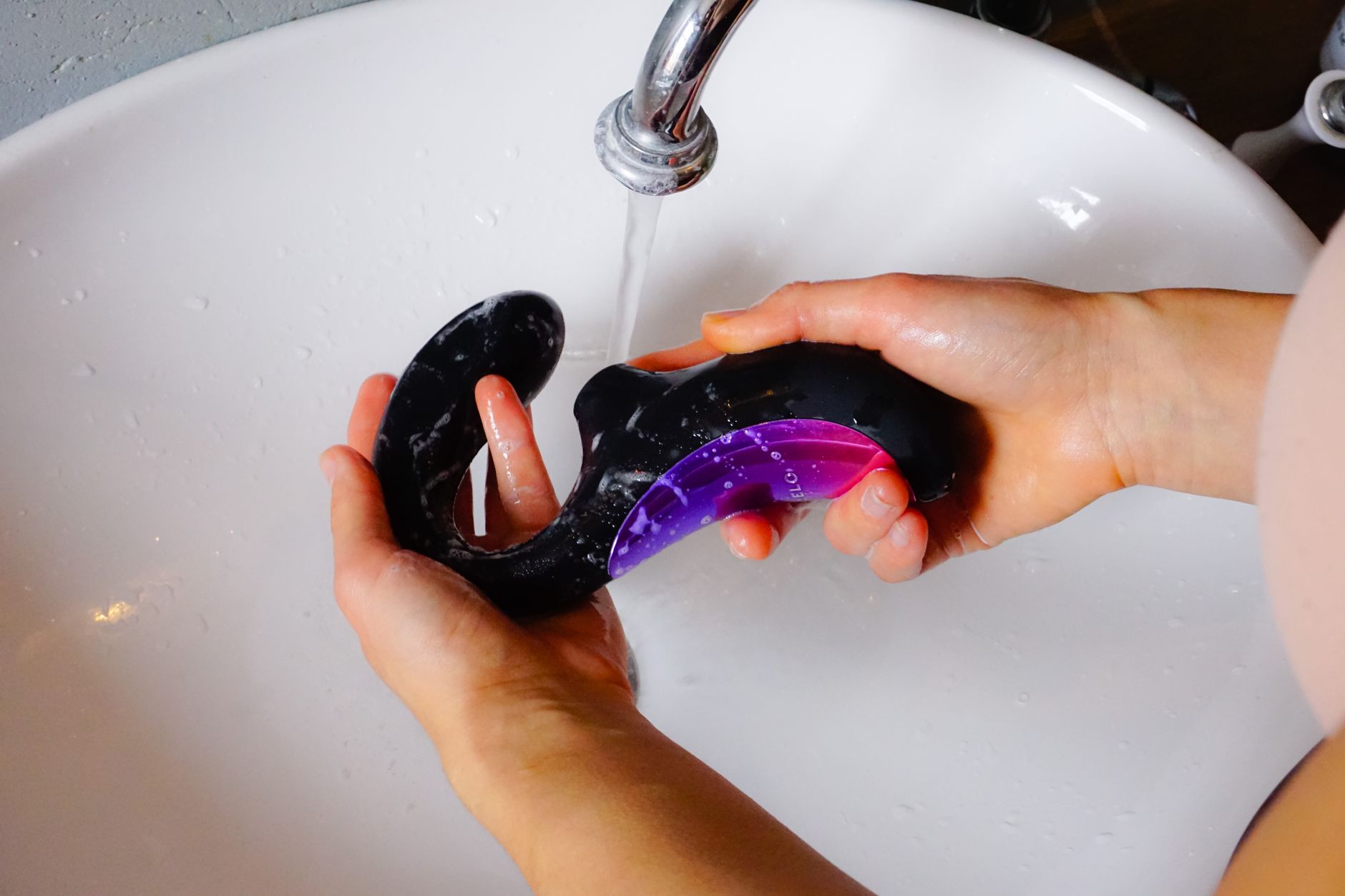
One of the most underrated arguments for medical-grade silicone toys is how genuinely simple hygiene becomes. Because the material is non-porous, you can sterilize a solid (non-motorized) silicone toy by boiling it, running it through the dishwasher on the top rack, or wiping it with a 10% bleach solution. No special cleaners required.
For motorized toys, a thorough wash with warm water and mild soap does the job properly. Not just sort of properly. Actually properly, because there are no pores for residue to hide in. If you've ever wondered when to replace old sex toys, the answer for medical-grade silicone is: rarely, if you're maintaining it well.
Compare that to porous toys, which you should replace regularly because no amount of washing makes them truly clean. Silicone is a long-term investment, not a disposable purchase.
How It Actually Feels Against Your Body
Honestly? Incredible. Medical-grade silicone has a silky, skin-like texture that doesn't feel plasticky or clinical. It warms to body temperature quickly, which makes the experience feel more natural and intuitive.
It's also slightly grippy in the best way. Unlike glass or steel, silicone provides gentle traction that keeps things where you want them without requiring a white-knuckle grip. That tactile quality is part of why so many of the best clitoral vibrators on the market use medical-grade silicone as their primary material. The sensation transmits beautifully through it.
Some people worry about silicone feeling "too soft" or lacking the satisfying weight of glass or steel. But softness in medical-grade silicone is a feature. It gives, bends, and flexes to match your body's shape rather than demanding your body accommodate the toy.
Silicone Toys and Lube: The One Rule You Need to Know
Here's the one caveat that trips people up. Silicone-based lubricants and silicone toys don't play well together. The silicone in the lube can bond with the toy's surface, causing it to degrade over time, becoming sticky or tacky. This is the one maintenance rule that actually matters.
Stick to water-based lubricants with your silicone toys. Full stop. Water-based lubes are widely available, work beautifully, and are completely compatible. If you're unsure, do a patch test on a discreet spot on the toy first. Many quality vibrators for women come with guidance on compatible lubricants. It's worth reading.
The Long Game: Value Over Time
A cheap toy from an unverified brand might cost $15. A quality medical-grade silicone toy might cost $60 to $150. That price gap is real, and it's worth talking about honestly rather than just saying "invest in yourself" and leaving it at that.
Medical-grade silicone toys don't degrade the way porous materials do. They don't develop sticky surfaces, don't need regular replacing, and don't absorb odors. Properly cared for, a quality silicone toy can last years. When you break that cost down over its actual lifespan, it often works out to be the cheaper option compared to replacing a budget toy every six months.
There's also the health angle. Avoiding potential phthalate exposure, hormonal disruption, and bacterial buildup is worth something. Your body deserves materials that respect it.
What to Look for When You're Shopping
When you're shopping for a new toy and want to verify it's genuinely medical-grade silicone, look for a few things. The brand should be transparent about materials and ideally reference certifications or testing. The toy should feel matte and silky, not shiny or slippery like plastic. A strong chemical smell out of the box is a red flag. Legitimate silicone has almost no smell.
Price point is a signal but not a guarantee. Some mid-range brands offer genuine silicone at accessible prices. Some expensive brands still use blended materials. Read the description carefully, and when in doubt, contact the brand directly and ask whether their silicone is 100% body-safe and phthalate-free.
For couples toys especially, material quality matters doubly because both partners are sharing contact with the same surface.
Our Pick: The Berri Edging Clitoral Massager
If you want a real-world example of what thoughtful medical-grade silicone design looks like, the Berri Edging Clitoral Massager is a genuinely standout piece. Its tapping, pulsing sensation is transmitted through soft, skin-like silicone that sits gently against the body without any harshness.

The silicone on the Berri makes a palpable difference in how the sensation travels. Harder materials can feel mechanical. Medical-grade silicone turns stimulation into something that actually feels like a natural extension of touch rather than a device doing a job.
For those drawn to the elegance of glass alongside their silicone collection, the Kalii Glass G-Spot Dildo is another body-safe option made from borosilicate glass, which shares the non-porous, phthalate-free properties of medical-grade silicone.
Bottom Line
Medical-grade silicone is not a premium upsell. It's the baseline your body actually deserves. Every other benefit, the texture, the durability, the ease of cleaning, is downstream of one core fact: this material was designed to be inside the human body safely, and that matters when you're using it for pleasure.
Choose materials that were made with you in mind. Your pleasure, your health, and your comfort are all worth it. ✨
Want to make your journey even more exciting? I've handpicked some amazing toys and goodies at Hello Nancy that'll add extra sparkle to your intimate moments. (Here's a little secret. use 'dirtytalk' for 10% off!)
Frequently Asked Questions
Is medical-grade silicone actually safe for internal use?
Yes. Medical-grade silicone meets the same safety standards used in surgical implants and medical devices. It's non-porous, hypoallergenic, and free from phthalates and BPA, making it one of the safest materials available for intimate use.
What is the difference between medical-grade silicone and regular silicone in sex toys?
Regular or "silicone blend" toys often mix pure silicone with TPE, rubber fillers, or other additives that introduce porosity and potential chemical exposure. Medical-grade silicone is 100% pure, with no fillers, and must meet strict safety certifications. The difference in how the material behaves over time is significant.
Can you use any lubricant with medical-grade silicone toys?
No. Silicone-based lubricants should be avoided with silicone toys because they can bond with the toy's surface and cause degradation over time. Water-based lubricants are the correct and safe pairing for all medical-grade silicone toys.
How do you properly clean and sterilize a medical-grade silicone toy?
Non-motorized solid silicone toys can be boiled for 3 to 5 minutes, run through a dishwasher on the top rack without detergent, or wiped with a diluted bleach solution. Motorized toys should be washed thoroughly with warm water and mild soap. Because silicone is non-porous, these methods actually sterilize the toy rather than just surface-cleaning it.
Are medical-grade silicone toys worth the higher price?
Yes, when you factor in longevity and health safety. Medical-grade silicone toys last years without degrading, whereas cheaper porous toys need frequent replacement. The cost per use over time often makes silicone the more economical choice, in addition to being the safer one.
How can I tell if a sex toy is genuinely medical-grade silicone and not a blend?
Look for toys that specify "100% medical-grade silicone" and check whether the brand is transparent about material testing and certifications. Genuine silicone has a matte, silky feel and almost no chemical smell. A strong plasticky or chemical odor out of the box is a red flag for blended or lower-quality materials.
Do medical-grade silicone toys cause allergic reactions?
Medical-grade silicone is hypoallergenic and unlikely to cause reactions in most people. If you experience irritation, it's worth examining whether the toy is genuinely 100% silicone or a blend, and whether the lubricant you're using might be the source of the reaction rather than the toy itself.
What are phthalates and why should I avoid them in sex toys?
Phthalates are chemical plasticizers added to soft plastics to make them flexible. They're classified as endocrine disruptors, meaning they can interfere with hormonal function. Because sex toys contact highly absorbent mucous membranes, the risk of chemical absorption is elevated compared to casual skin contact. Medical-grade silicone contains zero phthalates.