


 Add $12.00 to get Free Gift


Something happened after you finished, and it wasn't satisfaction. It was a quiet, creeping feeling you couldn't quite name. That feeling has a word: guilt. And you're carrying it for reasons that were never actually yours to begin with.
Where Does Masturbation Guilt Actually Come From?

Masturbation guilt isn't born inside you. It's installed. Religion, culture, family silence, and even the way school sex-ed glossed right past pleasure. All of it layers up over the years until a totally natural act starts to feel like a confession you owe someone.
For a lot of people, the guilt traces back to childhood messages that sex. and anything adjacent to it. was dirty, secret, or shameful. You didn't choose those messages. They just arrived, early and often, and they stuck.
Religion is one of the biggest contributors. Many faith traditions historically framed masturbation as sinful or morally wrong, and even if you've drifted away from those beliefs as an adult, the emotional residue can linger for decades. The brain learns shame fast and unlearns it slowly.
Culture piles on too. Across many societies, masturbation sits in this weird liminal space where everyone does it and nobody talks about it. That enforced silence sends its own message: this is something to hide. When we hide things, we start believing they're bad.
The Science Has Something to Say

Here's what the research actually shows. A study published in PMC (2025) found that masturbation guilt was weakly but consistently linked to higher levels of anxiety and depression. The guilt itself. not the act. is what causes the harm.
Let that land for a second.
Sex therapists and researchers have consistently noted that masturbation is a normal, healthy part of human sexuality across all genders and life stages. The American Psychological Association does not classify it as harmful. The harm comes from shame spirals, not from self-pleasure itself. If you've been telling yourself you need to stop because it's "bad for you," the evidence simply doesn't support that.
Why the Guilt Keeps Coming Back

Some people feel the guilt only occasionally. Others feel it every single time, like clockwork. If it keeps returning despite your best efforts to logic it away, there's a reason.
Guilt is a feedback loop. You feel it, you suppress it, you feel relief. then the next time the urge comes around, the loop fires again. Your nervous system has essentially rehearsed this pattern so many times it runs automatically. You're not weak. You're just very well-trained.
Another reason it persists: the guilt itself can become identity. "I'm someone who struggles with this." That story keeps the emotion alive even when the facts don't support it anymore. Recognizing that the guilt is a feeling, not a fact, is one of the first real cracks in the cycle.
The Relationship Between Guilt and Sexual Shame

Guilt and shame sound similar but they operate very differently. Guilt says "I did something bad." Shame says "I am bad." When masturbation guilt tips into shame, it stops being about the act and starts being about your worth as a person.
That's a much heavier thing to carry.
Sexuality doula Ev'Yan Whitney, who works with clients on unpacking sexual shame, describes self-pleasure shame as something deeply woven into identity. Not a surface-level discomfort. A core belief about being fundamentally flawed. Addressing it means going deeper than just repeating "masturbation is normal" to yourself in the mirror.
This is also where the concept of ego-dystonic masturbation comes in. That's the clinical term for when your behavior conflicts with your values or self-image, creating real psychological distress. A study from ScienceDirect examining over 4,000 patients found that ego-dystonic masturbation was meaningfully linked to guilt, anxiety, and relational difficulties (Nimbi et al., 2016). Not because masturbation itself is the problem, but because the internal conflict is exhausting.
How to Actually Start Overcoming It

Let's get practical. Because you deserve more than "just accept yourself" as advice.
The first thing that genuinely helps is tracing the guilt to its source. Not to blame anyone. But to realize that the voice saying "this is wrong" came from outside you. It was taught. And what's taught can be untaught, with time and intention. Journaling about where those early messages came from. who said them, what context they lived in. creates some distance between their beliefs and your actual values as an adult.
Therapy is often the most effective route, especially with a sex-positive therapist or counsellor trained in sexual shame. If you've been curious about that path, our blog on masturbation and your body's natural rhythms is a gentle starting point for reframing self-pleasure as something your body is wired for. Therapists use techniques like cognitive behavioral therapy and somatic work to rewire those guilt loops at a deeper level than willpower alone.
Mindfulness is another tool that genuinely works. Not in a vague wellness-influencer way. Mindfulness during or after self-pleasure means noticing the guilt without immediately obeying it. You observe: "There's that feeling again." You don't chase it away and you don't let it take over. You just let it exist while you stay present. Over time, the feeling loses some of its urgency.
Community matters more than people expect too. When we talk about masturbation guilt with trusted friends, partners, or therapists, we often discover we are spectacularly not alone. That shared recognition is genuinely healing. Something about realizing millions of people carry the same quiet weight makes the weight lighter.
Rewriting Your Relationship With Pleasure
Self-pleasure isn't a guilty secret. It's self-knowledge. When you know what your body responds to, what feels good, what pace and pressure and rhythm work for you, you carry that into every intimate experience, whether solo or with a partner.
Exploring your body through vibrators for women or clitoral vibrators designed with your pleasure in mind can also be a quiet act of reclamation. Choosing a toy, using it without apology, putting it away afterward. that whole sequence is a small but real statement that your pleasure belongs to you. Tools like the Avo Clitoral Massager are designed to feel intuitive and body-positive, which matters when you're working to associate pleasure with ease rather than shame.
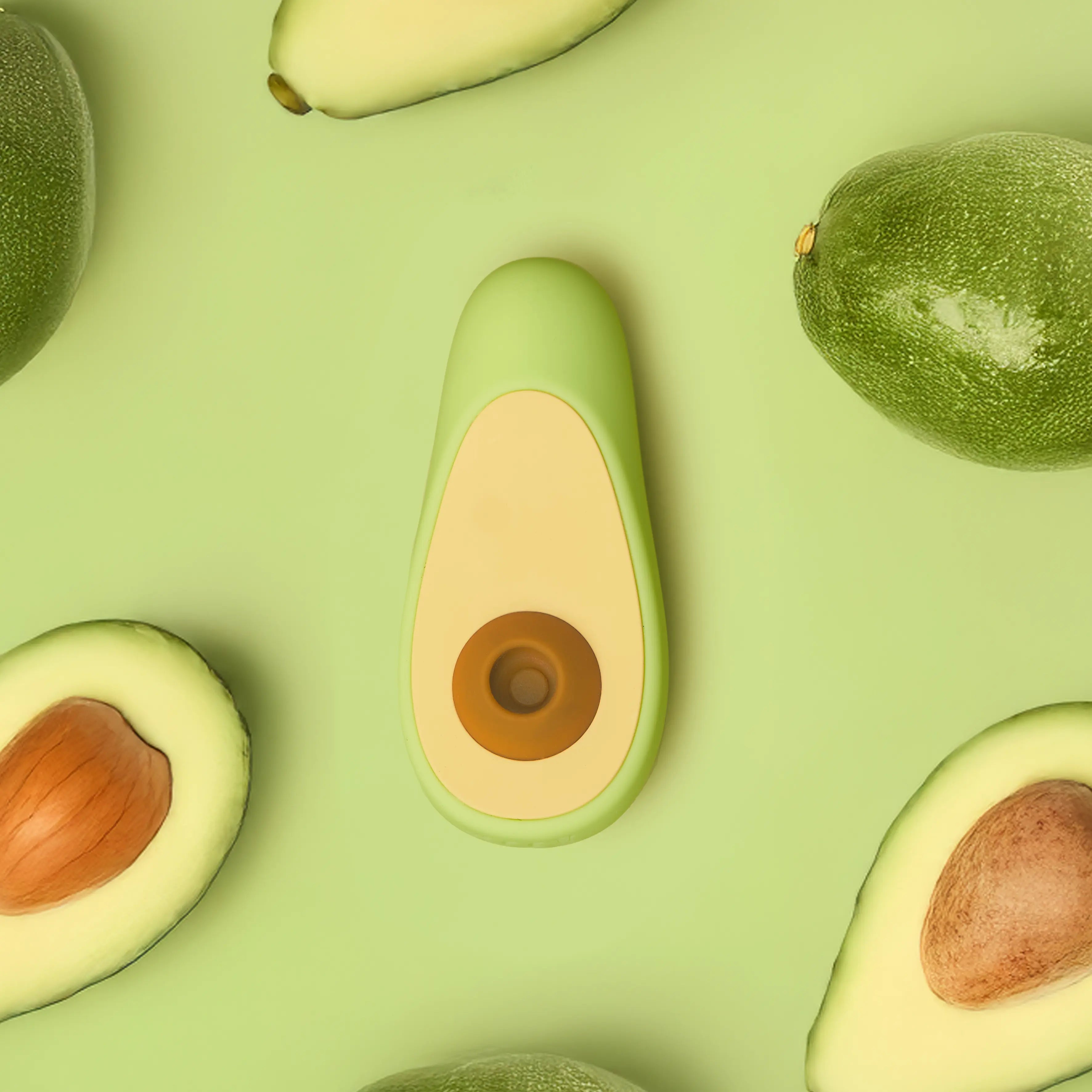
Guilt shrinks when pleasure becomes a practice. Not a performance, not a compulsion. A quiet, regular act of care toward yourself.
If you're working through body image alongside this, our piece on the surprising physical benefits of masturbation is worth a read. Sometimes seeing the body's response to pleasure from a physiological angle helps reframe it from "indulgent" to "genuinely good for me."
When Guilt Is Tied to Relationship Dynamics
Sometimes the guilt isn't about religion or culture at all. Sometimes it's relational. Maybe a past or current partner expressed discomfort with your solo pleasure. Maybe you internalized a message that masturbating means something is "missing" in your partnership.
That's worth unpacking carefully.
Masturbation and partnered sex aren't in competition. They meet different needs and involve different kinds of intimacy. Many couples actually find that incorporating couples toys into their shared lives helps bridge that gap, turning solo pleasure tools into a shared language rather than a source of tension. The conversation about it. honest, non-defensive. matters more than any product ever will.
Wrapping Up
Masturbation guilt is real, it's common, and it's not a character flaw. It came from somewhere. Usually from people and systems that were also confused, also afraid, also carrying their own shame about bodies and pleasure.
You get to put it down.
Not all at once. Not by forcing yourself to feel differently than you do. But slowly, through honesty with yourself, through understanding where the guilt actually came from, through choosing. again and again. to treat your own pleasure with the same gentleness you'd offer a friend.
You deserve that. Full stop.
Want to make your journey even more exciting? I've handpicked some amazing toys and goodies at Hello Nancy that'll add extra sparkle to your intimate moments. (Here's a little secret. use 'dirtytalk' for 10% off!)
Frequently Asked Questions
Is it normal to feel guilty after masturbating?
Yes, extremely normal. Research consistently shows that masturbation guilt is widespread across cultures and genders. The guilt itself is not a sign something is wrong with you. It's usually a sign that you absorbed certain messages early in life that your adult self is now questioning.
Why do I feel ashamed after masturbating even though I know it's healthy?
Knowing something intellectually and feeling it emotionally are two very different processes. Your brain's shame response was trained long before your adult logic caught up. That gap between "I know this is fine" and "but I still feel bad" is exactly where therapy or mindfulness practices do their best work.
Does religion cause masturbation guilt?
Religion is one of the most significant contributors, yes. Many faith traditions historically taught that masturbation was sinful, and that teaching creates emotional residue that can persist even after someone's beliefs evolve. It's not a flaw in the person. it's the predictable result of powerful early conditioning.
Can masturbation guilt cause anxiety or depression?
Research does link masturbation guilt to higher anxiety and depression levels. Crucially, it's the guilt. not the masturbation itself. that creates psychological distress. Addressing the shame directly, rather than trying to suppress the behavior, tends to be far more effective for mental wellbeing.
How do I stop feeling guilty about masturbating?
Start by tracing the guilt to its origin. understanding whose voice it actually is. Then consider working with a sex-positive therapist, practicing mindfulness to observe rather than obey the guilt, and gradually reframing pleasure as self-care rather than something shameful. It's a process, not a switch. Be patient with yourself.
What is ego-dystonic masturbation?
Ego-dystonic masturbation is when the act conflicts with your personal values or self-image, causing genuine psychological distress. It's not about frequency or "addiction." It's about internal conflict. If your behavior and your beliefs feel deeply misaligned, speaking with a therapist who specializes in sexual health is the most helpful next step.
Is masturbation guilt more common in women?
Studies suggest that socialization around female sexuality tends to be more restrictive, which can mean women and people socialized as female experience higher rates of sexual shame. However, masturbation guilt affects people of all genders. The specific triggers and cultural scripts vary, but the emotional experience is remarkably universal.
Can using a sex toy help reduce masturbation guilt?
For some people, yes. Choosing a thoughtfully designed toy and using it intentionally can be a small act of reclaiming your right to pleasure without apology. It reframes self-pleasure as a deliberate, caring act rather than something furtive. That said, a toy won't resolve deep-seated shame on its own. pairing it with inner work makes the biggest difference.
Does masturbation guilt go away on its own?
Sometimes it fades as you accumulate more positive experiences and your values evolve naturally. But for most people, it requires some intentional work. whether that's therapy, reading, honest conversations, or mindfulness practice. Waiting for it to disappear passively usually just means carrying it longer than necessary.


