Add $12.00 to get Free Gift


Nobody hands you a manual when your body starts changing. You just notice things feel different. Drier. Sometimes uncomfortable. And suddenly a topic you never needed to think about becomes very, very relevant.
Vaginal dryness is one of the most common and least talked-about symptoms of menopause. Research published in the Sexual Medicine Open Access journal found that vaginal atrophy affects up to 45% of postmenopausal women, yet most never bring it up with their doctor (Portman & Gass, 2014). That silence is costly. Because there are genuinely good options out there, and natural lubes are one of the easiest, most accessible places to start.
Let's get into it.
Why Menopause Makes Everything Drier (And Why That's Not Your Fault)

Estrogen is the hormone doing a lot of quiet, invisible work in your body. It keeps vaginal tissue thick, elastic, and naturally lubricated. When estrogen declines during perimenopause and menopause, that tissue thins out. Moisture drops. The pH shifts. What used to be effortless now requires a little support.
This is not about aging poorly. It's just biology.
The result can range from mild dryness to real discomfort during sex, daily irritation, a burning sensation, or even a higher susceptibility to UTIs. The good news? Natural lubricants can ease a significant amount of that discomfort without hormones, without prescriptions, and without anything that feels clinical or medicalized.
What Makes a Lube "Natural" and Why It Actually Matters Here
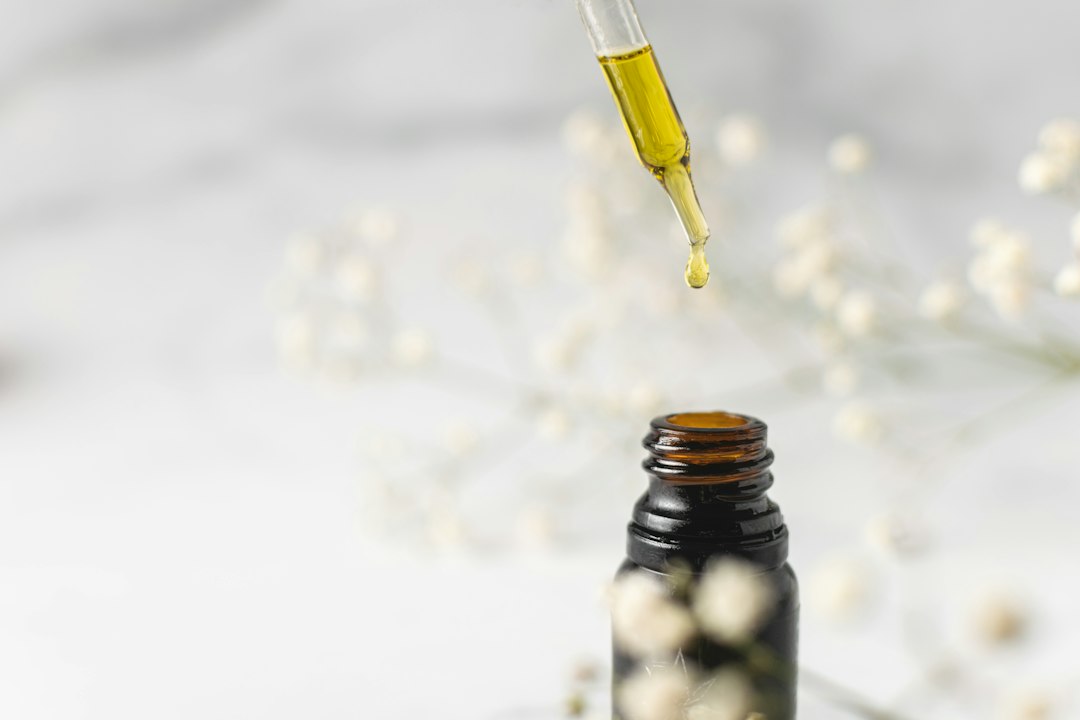
Menopausal skin is more sensitive. Thinner tissue means higher absorption and a lower tolerance for harsh ingredients. That matters because many commercial lubes contain glycerin, parabens, fragrances, and preservatives that can disrupt the vaginal microbiome or cause irritation in already-delicate tissue.
Natural options skip the problematic additives.
They tend to use plant-based ingredients your body recognizes and responds well to. The difference isn't just philosophical or trend-driven. It's genuinely functional. Fewer irritants means fewer flare-ups, and for anyone dealing with menopause-related sensitivity, that's a real quality-of-life upgrade. If you want a deeper dive into ingredient labels and what to avoid, the clean lube guide on Hello Nancy is a solid starting point.
The Best Natural Lube Options for Menopause
Coconut Oil
Coconut oil is probably the most talked-about natural lube option, and for good reason. It's deeply moisturizing, has mild antimicrobial properties, and feels genuinely luxurious. It works especially well for external use and for partnered intimacy where latex condoms aren't involved (oil degrades latex, so this is a firm heads-up).
It's a kitchen staple that doubles as a bedroom essential.
For menopause specifically, the fatty acids in coconut oil help condition vaginal tissue over time with regular use as a moisturizer, not just an in-the-moment lubricant. Virgin, unrefined coconut oil is the version you want. Refined versions may contain additives that undercut the whole point.
Aloe Vera Gel
Pure aloe vera gel is water-based, which means it's compatible with latex condoms and with silicone vibrators for women. It's soothing, lightweight, and has a texture that feels closer to natural vaginal moisture than oil does.
Aloe also has gentle anti-inflammatory properties.
The catch is that most store-bought aloe gels contain preservatives and alcohol. You want a product that is 99-100% pure aloe vera with no added fragrance, dye, or numbing agents. Some people use gel directly from the plant, though sourcing and hygiene matter there. It's worth reading a label carefully before using anything internally.
Jojoba Oil
Jojoba isn't technically an oil. It's a liquid wax that closely mimics the skin's natural sebum, which means it absorbs beautifully without leaving a heavy residue. For menopausal dryness, this is genuinely one of the most skin-compatible options available.
It's also odorless and shelf-stable, which makes it easy to keep on hand.
Because it's oil-based, the same latex condom caveat applies. But for solo use with your favorite clitoral vibrators that are made from non-porous materials, jojoba is a smooth, elegant option. Just confirm toy material compatibility before use.
Vitamin E Oil
Vitamin E is often used as a daily vaginal moisturizer rather than a situational lubricant. Applied a few times a week, it can genuinely help restore elasticity and comfort to thinning vaginal tissue. Some studies suggest regular vitamin E application reduces vaginal dryness symptoms with consistent use over several weeks.
It's also incredibly nourishing for external skin.
Look for pure vitamin E oil without carrier additives or fragrance. Some people open a capsule and apply the oil directly, which works well for targeted use. As with all oil-based options, it's not latex-safe and should be used thoughtfully with any toys.
Hyaluronic Acid-Based Natural Lubes
Hyaluronic acid is a compound your body already produces. It holds an extraordinary amount of moisture. Water-based lubes formulated with hyaluronic acid as the active ingredient feel very close to natural lubrication and are genuinely effective for menopausal dryness.
They're compatible with condoms and silicone toys.
This is the option that bridges the gap between "kitchen remedy" and "formulated product." Several clean-beauty brands now offer hyaluronic acid intimate gels with minimal ingredients and no hormone involvement. If DIY isn't your thing, this is probably where to look first.
Lube vs. Moisturizer: Knowing the Difference
This is the thing most people don't realize. Lubricants and vaginal moisturizers do different jobs.
A lubricant reduces friction during sex. It works in the moment. A moisturizer, applied regularly between sexual activity, addresses the underlying tissue dryness over time. Many natural options, like coconut oil and vitamin E, can serve both roles depending on how you use them. But understanding the distinction helps you build a routine that actually works, rather than only reaching for something when things feel uncomfortable.
Think of it as skincare for a different part of your body. Consistency matters more than intensity.
What to Avoid When Choosing a Natural Lube for Menopause
Not everything marketed as "natural" is actually gentle. Essential oils, even lavender and tea tree, can be irritating or disruptive to vaginal pH. Petroleum jelly is not a natural product and carries its own set of concerns for internal use. Honey sounds appealing but introduces sugar near the vaginal canal, which can feed yeast.
Fragrance is always a skip.
For anyone exploring options, the Hello Nancy body guide has helpful context on vaginal anatomy and why certain ingredients interact with tissue the way they do. Understanding your body is always the best starting point for making good choices about what goes in or on it.
Pairing Natural Lube with Pleasure (Because Menopause Doesn't Mean Less)
Here's something I want to say directly. Menopause is not an ending. It is a transition, and your pleasure is still valid, still worth pursuing, and still something you deserve to enjoy fully.
Discomfort during sex or solo play is a signal, not a permanent sentence.
With good lubrication and a toy that works for your body, the experience can be genuinely great. The Namii 2 clitoral suction and vibration toy is one of those options that pairs beautifully with natural lube because it provides powerful external stimulation with zero internal friction involved. It's gentle, focused, and the combination with a natural lube can make sensation feel significantly more accessible during a time when your body needs a little extra support.
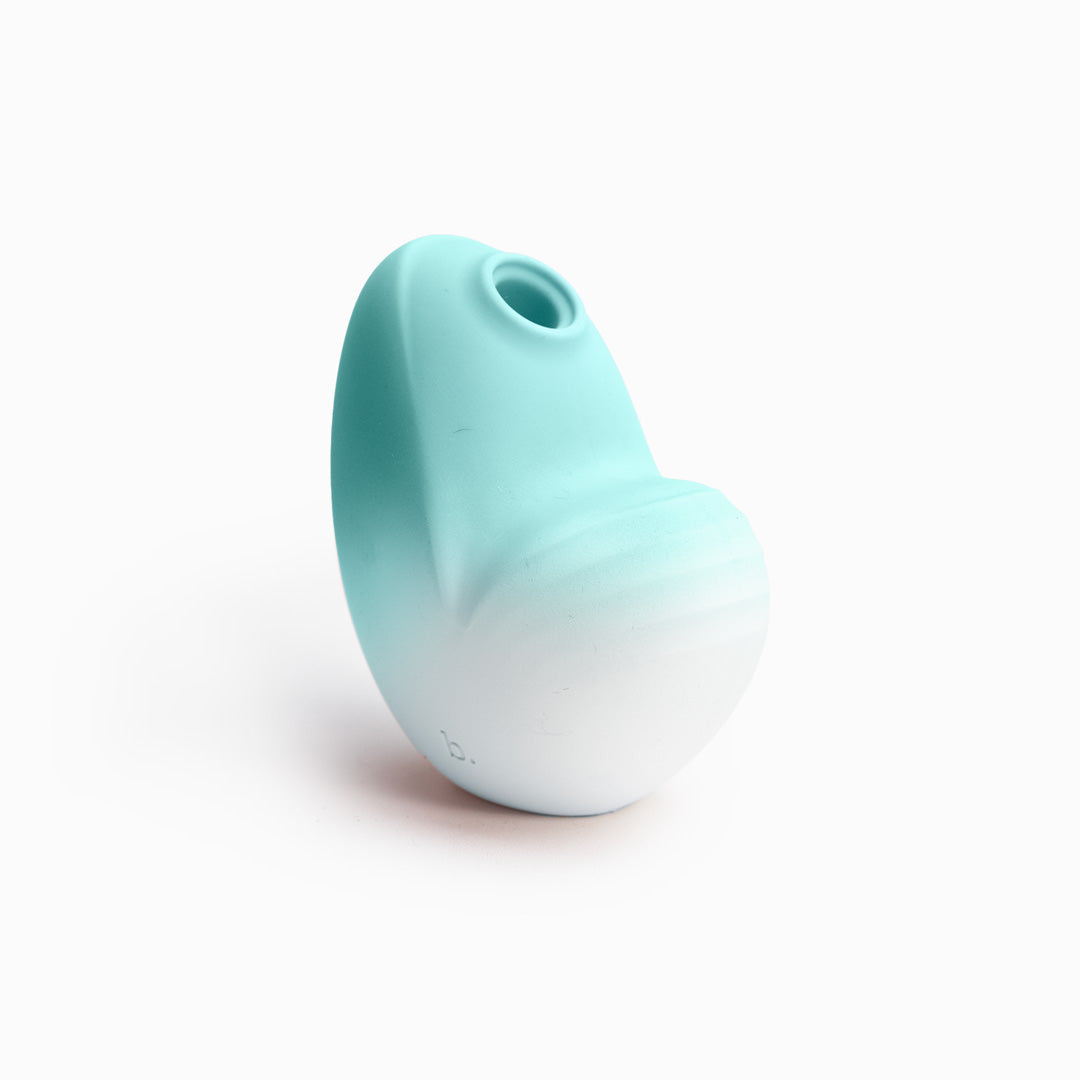
If you're navigating dryness specifically during solo play, using a water-based aloe or hyaluronic acid lube with a quality toy from the couples toys collection or solo range is a low-barrier, high-reward combination worth trying.
Bottom Line
Menopause changes your body's baseline. That's real. But it doesn't have to change your relationship with pleasure or comfort. Natural lubes, whether coconut oil, aloe vera, jojoba, vitamin E, or a clean hyaluronic acid formula, offer genuinely effective, body-friendly support without any of the chemical noise.
You deserve to feel comfortable in your own body, every single day.
Start simple. Pick one option. Give it a couple of weeks. Pay attention to how your tissue responds. And remember that this is one part of a larger self-care picture that includes staying hydrated, eating well, and having honest conversations about what your body needs right now. You're not behind. You're just learning a new language your body is speaking.
Want to make your journey even more exciting? I've handpicked some amazing toys and goodies at Hello Nancy that'll add extra sparkle to your intimate moments. (Here's a little secret — use 'dirtytalk' for 10% off!)
Frequently Asked Questions
What is the best natural lube for menopause vaginal dryness?
The best option depends on your preferences and intended use. Coconut oil is a popular, deeply moisturizing choice for external use. Hyaluronic acid-based natural lubes are widely recommended because they mimic natural moisture, work with condoms, and are gentle on sensitive menopausal tissue.
Is coconut oil safe to use as a lubricant during menopause?
Yes, for most people, virgin unrefined coconut oil is safe and effective for both lubrication and as a regular vaginal moisturizer. The key caveat is that it is oil-based, so it degrades latex condoms and should not be used with them. It's also worth introducing it gradually if your skin is sensitive.
Can I use aloe vera gel as a lubricant for menopause dryness?
Pure aloe vera gel (99-100% with no added alcohol or fragrance) can work very well. It's water-based, condom-compatible, and has soothing anti-inflammatory properties. Just check the ingredients carefully because most commercial aloe gels contain additives that can irritate sensitive tissue.
What's the difference between a vaginal lubricant and a vaginal moisturizer for menopause?
A lubricant works in the moment to reduce friction during sex or intimacy. A vaginal moisturizer is applied regularly (a few times a week) to address underlying tissue dryness and restore comfort over time. Some natural options like coconut oil and vitamin E can serve both purposes depending on how you use them.
Are natural lubes safe to use with sex toys during menopause?
Water-based natural lubes like aloe vera and hyaluronic acid are compatible with all toy materials including silicone. Oil-based options like coconut oil, jojoba, and vitamin E are generally safe with non-porous materials like glass, stainless steel, and ABS plastic, but should not be used with silicone toys as they can degrade the material over time.
Does vitamin E oil help with vaginal dryness after menopause?
Yes. Applied regularly, pure vitamin E oil can help restore moisture and elasticity to thinning vaginal tissue. It works best as a consistent moisturizer rather than a situational lubricant. Look for vitamin E oil without added carrier oils or fragrance for the most targeted effect.
What natural ingredients should I avoid using as a vaginal lubricant during menopause?
Avoid essential oils (including tea tree and lavender), petroleum jelly, honey, and any product with added fragrance or alcohol. These can irritate sensitive menopausal tissue, disrupt vaginal pH, or encourage yeast overgrowth. Simpler ingredient lists are almost always safer for this stage of life.
How often should I use natural lube for menopause-related dryness?
For situational lubrication, use it as needed during sex or solo play. For daily dryness and tissue health, applying a natural moisturizer like coconut oil or vitamin E two to three times per week can make a noticeable difference in comfort levels over two to four weeks of consistent use.