Add $12.00 to get Free Gift



Something breaks inside you when trust shatters. And nothing feels quite as complicated as trying to find your way back to each other's bodies after that.
This is the part nobody prepares you for. Everyone talks about whether to stay or leave. Nobody really talks about what happens if you stay. Specifically, what happens in the bedroom, in your nervous system, in the quiet moments when you reach for someone and feel everything all at once: love, grief, confusion, desire.
Rebuilding intimacy after cheating is one of the most emotionally demanding things two people can attempt together. But here's what I know for certain: it is possible. Messy, non-linear, sometimes heartbreaking. Possible.
Why Physical Intimacy Feels So Different After Infidelity

Your body keeps score. That phrase gets used a lot, but it's genuinely true here. After discovering a partner's affair, the body registers the betrayal as a kind of trauma. Physical closeness, the same closeness that used to feel safe, can suddenly trigger anxiety, hypervigilance, or even numbness.
The brain actually links intimacy and threat in the aftermath of infidelity. Reaching for your partner can activate the same stress response as the original discovery. That's not weakness. That's neuroscience.
Meanwhile, the person who cheated often carries their own tangle of guilt, shame, and fear of rejection. They may desperately want to reconnect physically but feel paralyzed by what they've done. Both partners end up in this awkward orbit around each other, wanting closeness and terrified of it at the same time.
Research backs up just how common this is. According to data compiled from multiple infidelity studies, about 35% of couples report increased intimacy within a year after genuinely working through infidelity together. That number is actually hopeful, because it tells us: healing happens, but it takes real work and real time.
The Emotional Work Has to Come Before the Physical

Here's the thing most couples skip because they're uncomfortable sitting in the hard stuff. You cannot rush physical reconnection if the emotional foundation is still cracked.
Sex after betrayal without emotional repair tends to feel hollow at best and retraumatizing at worst. The body knows when something is being performed rather than felt. Genuine physical intimacy requires a baseline of emotional safety, and that safety gets rebuilt through hundreds of small, consistent moments: an honest conversation, a kept promise, a real apology that doesn't come with excuses attached.
Esther Perel, widely regarded as one of the most insightful voices on modern relationships, has noted that affairs often reveal unspoken needs within a relationship. That reframe doesn't excuse the betrayal. But it does open a doorway toward understanding what was missing, and what both partners might actually need going forward.
Paying attention to different sexual preferences in your relationship is part of that emotional excavation too. Sometimes an affair surfaces a mismatch in desire, communication style, or emotional need that both partners quietly knew was there but never addressed.
How to Actually Start Rebuilding Physical Closeness

Start smaller than you think you need to.
Most couples who successfully rebuild physical intimacy after infidelity describe doing so in stages. Not a dramatic movie-style passionate reunion. Think: sitting closer on the sofa. A hand on the shoulder that lingers a second longer than necessary. Eye contact held past the point of comfort. These micro-moments matter because they rebuild the neural pathways of safety faster than any grand gesture ever could.
Reintroducing touch without the pressure of it leading anywhere is genuinely powerful. Some therapists call this sensate focus. You remove the goal-oriented pressure of sex and simply explore physical presence together, noticing sensations without performance anxiety. It sounds almost too simple. It works.
Communication during this phase is everything. Check in before and after any moment of closeness. "How did that feel?" is not a scary question. It's the question that keeps both partners from drifting back into the silence that often preceded the affair in the first place. Practicing that kind of open dialogue is foundational to any real recovery, and it maps directly onto the principles explored in couples therapy exercises you can try at home.
The Role of Desire in Recovery (Yes, It's Complicated)

Desire doesn't wait patiently for trust to fully return. For some people, it shows up before the emotional wound has healed, and that can feel disorienting or even shameful.
Feeling desire for someone who hurt you is not a betrayal of yourself. It's human. The body's attraction doesn't switch off cleanly because the heart is in pain. What matters is what you do with that desire: whether you rush into sex as a shortcut to feeling close, or whether you let it be part of a slower, more intentional reconnection.
For the betrayed partner, sexual confidence often takes a real hit. Questions like "Was I not enough?" or "Am I less desirable than them?" are almost universal. Addressing those thoughts directly, ideally with a therapist or counselor, matters more than any technique or toy. You deserve to feel wanted in your own relationship. That's not a luxury. It's a baseline.
Adding playfulness back into the physical relationship can help when the timing feels right. Couples toys designed for shared pleasure can shift the dynamic from heavy and loaded to curious and light, giving both partners something new to explore together rather than navigating the weight of history every single time.
When the Body Says No: Understanding Intimacy Avoidance
Sometimes rebuilding intimacy stalls completely. One or both partners simply cannot bring themselves to engage physically, and no amount of conversation seems to move the needle.
This is not failure. Intimacy avoidance after infidelity is extremely common. It signals that the emotional processing isn't finished yet, that the body is still protecting itself. Pushing through avoidance rarely works. Sitting with it, naming it, and giving it space usually does.
A sex therapist or couples counselor who specializes in infidelity recovery is genuinely worth seeking out here. Research from the American Association for Marriage and Family Therapy found that 74% of couples who underwent therapy after infidelity were able to rebuild their relationship successfully. Those are meaningful odds when you're in the thick of something that feels impossible.
Physical connection that feels authentic might also start in unexpected places. Exploring solo pleasure and rediscovering your own body independently can restore a sense of agency and confidence before you reintroduce partner intimacy. Clitoral vibrators can be a genuinely useful part of that personal rediscovery. There's no shame in reconnecting with yourself first.
Face-to-Face: Why Eye Contact Changes Everything During Reconnection
Eye contact during intimacy is one of the most vulnerable things two humans can do together. After betrayal, it's often the first thing to disappear.
Restoring that gaze is symbolic and neurologically significant. It signals presence, honesty, and willingness to be seen. Some couples find that exploring face-to-face positions that prioritize eye contact and deep intimacy becomes an intentional practice during rebuilding. It's not just about positioning. It's about choosing to witness each other again.
You don't need to force it. Start with eye contact outside of sex: during a meal, a difficult conversation, a quiet morning. Let it build naturally.
Rebuilding Together: What Sustainable Recovery Actually Looks Like

Sustainable recovery is not a return to what you had before. That version of your relationship is gone.
What's possible is something new. A relationship built with more honesty, more intentional communication, and a clearer understanding of what both partners actually need. That can be, counterintuitively, stronger and more intimate than what existed before the affair. Not because the affair was good, but because the rebuilding forced both people to go deeper than they ever had.
The couples who make it through tend to share a few things in common: they stopped keeping score after a certain point, they let the cheating partner demonstrate changed behavior over time rather than demanding immediate proof, and they built new rituals of connection together rather than trying to resurrect the old ones. They treated the relationship like a new project, not a restoration job.
Trust in a partner after betrayal is rebuilt in daily, unglamorous moments. It doesn't arrive in one breakthrough conversation. It accumulates. And so does desire, and warmth, and the willingness to be vulnerable again.
You both deserve to get there.
Want to make your journey even more exciting? I've handpicked some amazing toys and goodies at Hello Nancy that'll add extra sparkle to your intimate moments. (Here's a little secret — use 'dirtytalk' for 10% off!)
For moments when you're ready to reconnect with your own pleasure on your terms, the Namii 2 offers a beautifully gentle blend of clitoral suction and vibration that feels like a warm welcome back to your own body.
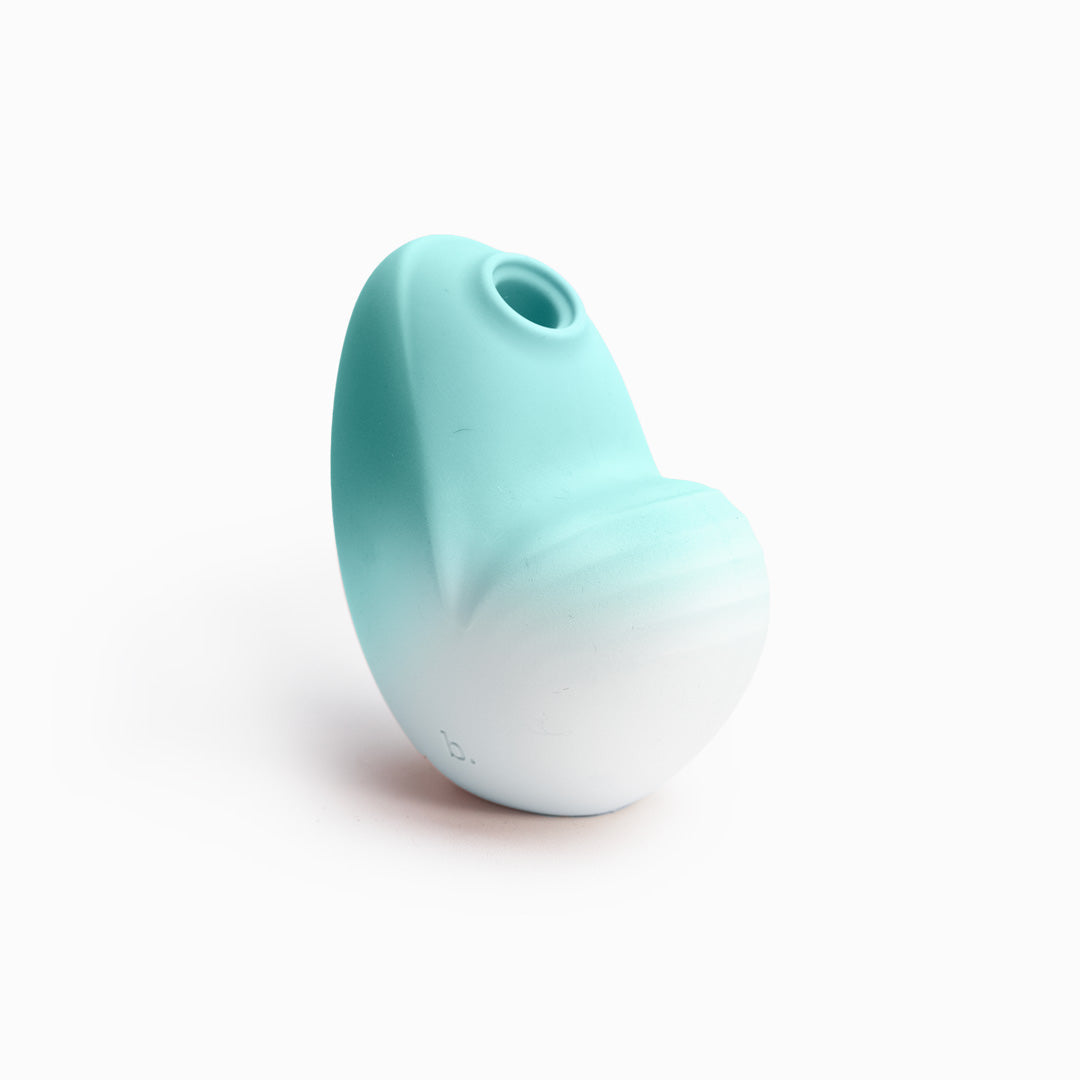
For couples exploring new shared territory, the vibrators for women collection at Hello Nancy offers a range of thoughtfully designed options that make that rediscovery feel like an adventure rather than a task.
Frequently Asked Questions
How long does it take to rebuild intimacy after cheating?
There's no universal timeline, and anyone who gives you a specific number is oversimplifying. Most research suggests emotional recovery takes one to three years of consistent, intentional work. Physical intimacy often begins to return earlier than emotional trust, but sustainable reconnection requires both moving at roughly the same pace.
Is it normal to still feel attracted to a partner who cheated on you?
Yes, completely normal. Attraction doesn't switch off cleanly when trust is broken. Many people feel confused or ashamed about still wanting their partner after infidelity, but desire and emotional pain can genuinely coexist. That complexity doesn't say anything bad about you.
Should you have sex right away after discovering infidelity?
Most therapists advise against rushing into sex immediately after the discovery of an affair. Without some emotional processing in place first, early sex can feel hollow or can even re-traumatize the betrayed partner. There's no hard rule, but taking time to stabilize emotionally before reintroducing physical intimacy tends to lead to better outcomes long-term.
How does infidelity affect physical intimacy long-term?
For couples who do the real work of recovery, physical intimacy can eventually become deeper and more communicative than it was before. However, for couples who skip the emotional repair phase, intimacy often remains fraught with anxiety, comparison, or avoidance. The long-term outcome depends heavily on the quality of the rebuilding process, not just the passage of time.
Can couples therapy really help with sexual intimacy after an affair?
Yes, and the data is genuinely encouraging. Research from the American Association for Marriage and Family Therapy shows that 74% of couples who sought therapy after infidelity were able to rebuild their relationship. A good therapist, especially one who specializes in infidelity or sex therapy, can guide both partners through the emotional and physical recovery in a structured, safe way.
What is sensate focus and how does it help after infidelity?
Sensate focus is a technique developed in sex therapy where partners reintroduce touch without any pressure for it to lead to sex. You focus purely on physical sensation and presence, removing performance expectations. After infidelity, this approach helps rebuild the physical safety and comfort that was disrupted by the betrayal, at a pace both partners can actually handle.
How do you rebuild sexual confidence after being cheated on?
Rebuilding sexual confidence starts with reconnecting with your own body independently of your partner. Solo pleasure, self-care, and honestly addressing the "was I not enough?" narrative with a therapist all matter here. Your confidence is not actually contingent on what your partner did. Remembering that is part of the work.
Is it possible to have a better sex life after cheating than before?
For couples who go through genuine, honest rebuilding, yes. The forced openness and vulnerability of the recovery process often creates a level of communication about needs, desires, and feelings that the relationship never had before. That can translate directly into more honest, connected, and satisfying physical intimacy over time.